
The Journey to Understanding Your Hair
Hair shedding is a natural process. Most people lose between 50 and 100 hairs each day, and finding a few strands in your brush or shower drain is no cause for alarm. This daily loss is part of a balanced cycle in which new hairs grow to replace the old ones. Hair thinning, however, occurs when more than 125 hairs are lost daily, or when new hair fails to grow at the same rate, leading to noticeably sparser coverage.
More than 50% of women will experience some form of noticeable hair loss in their lifetime. The causes are varied and often overlapping, ranging from genetics and hormonal shifts to stress, aging, and nutrient deficiencies. Understanding these root factors is the first step toward choosing an effective, personalized approach to care.
To make sense of hair loss, it helps to understand how hair grows. Each strand on your head cycles through three phases: the anagen (growth) phase, which lasts 2 to 7 years; the catagen (transition) phase, lasting about 2 to 3 weeks; and the telogen (resting) phase, which ends with the hair falling out after 2 to 4 months. At any given time, about 85 to 90% of your hairs are in the active growth stage. Disruptions to any part of this cycle can cause increased shedding or thinning.
Rather than searching for a single quick fix, a holistic approach addresses the underlying contributors to hair thinning. This means looking at diet, nutrient levels, stress management, hormonal balance, and gentle hair care together. The goal is not just to stimulate growth, but to create the conditions your hair needs to thrive.
A naturopathic and patient-centered perspective, like the one practiced at harmony.care, emphasizes natural, evidence-backed remedies and lifestyle adjustments that work with your body's own rhythms. By exploring nutrition, targeted supplements, stress reduction, and non-invasive therapies, you can build a sustainable routine that supports healthy hair from the inside out.
Why Your Hair Is Thinning
 Hair thinning is rarely the result of a single cause. Instead, it often arises from a combination of genetics, hormonal shifts, stress, nutrient shortfalls, and underlying medical conditions. Understanding which factors are at play in your body is the first step toward effective management.
Androgenetic alopecia. Also known as female pattern hair loss, this hereditary condition causes gradual thinning on the top and crown of the scalp. It affects about 30 million people in the United States and over 50% of women will experience noticeable hair loss in their lifetime, according to the Cleveland Clinic. Hair follicles shrink over time, producing finer strands until they stop growing.
Telogen effluvium. A temporary form of hair thinning triggered by physical or emotional stress — illness, surgery, childbirth, or rapid weight loss. It pushes a large number of follicles into the resting (telogen) phase at once, causing noticeable shedding weeks to months after the stressor.
Hormonal causes. Dihydrotestosterone (DHT) shrinks hair follicles, especially in those genetically predisposed to pattern loss. Thyroid imbalances (hyper- or hypothyroidism) directly disrupt the growth cycle. A drop in estrogen during menopause shortens the anagen (growth) phase, while elevated cortisol from chronic stress can trigger telogen effluvium.
Underlying conditions. Polycystic ovary syndrome (PCOS) leads to excess androgens that accelerate hair thinning. Autoimmune conditions such as alopecia areata cause patchy loss. Anemia from iron deficiency is a common culprit, as iron carries oxygen to hair follicles.
Nutrient shortfalls. A diet lacking protein, zinc, and iron can starve hair follicles of the building blocks they need. Keratin, the protein that makes up hair, requires ample amino acids. Research confirms that iron deficiency is a well-known cause of hair loss, and low zinc levels are linked to thinning hair.
Because hair is a metabolically sensitive tissue, it often reflects the body's internal state before other signs appear. A holistic evaluation with a practitioner — such as the team at harmony.care — can help identify which of these factors are contributing to your hair thinning and guide a personalized plan. For many women, particularly those navigating perimenopause or PCOS, uncovering these triggers is the turning point toward restoring hair vitality.
Is Hair Thinning Reversible?
For many women, noticing more hair in the brush or a wider part raises an urgent question: Will it grow back? The answer depends on the underlying cause, but in many cases, the news is encouraging.
Temporary Thinning Often Resolves on Its Own
Conditions like telogen effluvium, which is triggered by stress, illness, childbirth, or rapid weight loss, are temporary. Once the trigger resolves and the body rebalances, hair typically resumes its normal growth cycle within three to six months. This type of thinning does not damage the follicle permanently, so patience during recovery is often rewarded with natural regrowth.
Genetic Thinning: Slowing the Process
Thinning caused by genetics, also known as androgenetic alopecia or female pattern hair loss, may not be fully curable, but it can often be slowed and improved. Treatments such as topical minoxidil, red light therapy, and certain oral medications help enlarge shrinking follicles and extend the growth phase. Early intervention is important; as a dermatologist quoted by Cleveland Clinic explains, "[It's] much easier to keep grass healthy than it is to regrow it after it's gone" (Cleveland Clinic). Once follicles stop working entirely, the only option is hair transplant surgery.
A Holistic Approach Supports Natural Healing
Regardless of the cause, addressing nutrition, hormone balance, and stress creates the best environment for regrowth. Iron, zinc, protein, and vitamin D deficiencies are common contributors that can be corrected through diet or targeted supplementation under medical guidance. At harmony.care, we emphasize a thorough evaluation to identify the root cause. Rather than a one-size-fits-all supplement, a personalized plan that includes nutrient-dense foods, stress management, and gentle scalp care can help your body restore its natural hair growth cycle.
| Type of Thinning | Cause | Reversibility Outlook |
|---|---|---|
| Telogen effluvium | Stress, illness, hormones | Usually resolves in 3–6 months |
| Androgenetic alopecia | Genetics, aging | Slowed with treatment; partial regrowth often possible |
| Alopecia areata | Autoimmune attack on follicles | May resolve spontaneously or require medication |
| Traction alopecia | Tight hairstyles | Reversible if follicle not scarred |
| Nutrient deficiency | Low iron, zinc, or protein | Correctable with diet and supplementation |
Key Nutrients for Hair Health
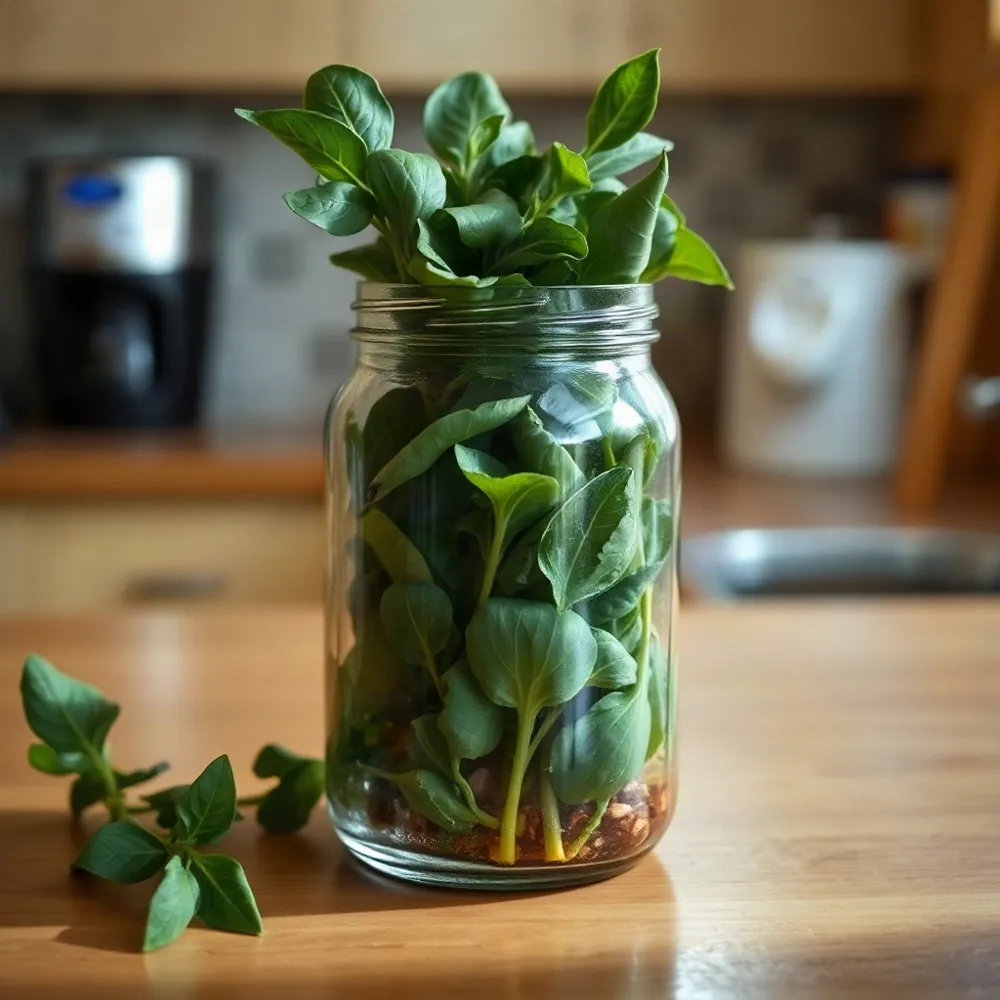 The question of what vitamins and minerals the body needs for healthy hair is a common one when thinning begins. A closer look at the diet can reveal whether a deficiency in one or more key nutrients is contributing to the problem. Addressing these gaps is often one of the most effective first steps in a natural approach.
Iron. The most common nutritional deficiency worldwide, low ferritin is directly linked to thinning hair. Premenopausal women are at higher risk due to menstrual blood loss. The body stores iron in keratin and will scavenge it from hair when dietary iron is insufficient.
Vitamin D. Deficiency is common, especially in northern climates, and has been associated with increased hair shedding severity. Some reports show hair regrowth after correcting a deficiency.
Zinc. Supports follicle function and tissue repair. Studies have found that patients with various forms of alopecia have statistically lower serum zinc concentrations compared to healthy controls.
B Vitamins. Biotin is needed for keratin production; vitamin B12 is critical for red blood cell formation which carries oxygen to hair follicles; and niacin is essential for a healthy scalp. A 2005 study found niacin supplementation increased hair fullness in women with genetic hair loss.
Vitamin C. Supports collagen production to strengthen hair strands and significantly improves iron absorption from plant-based foods. Good sources include citrus, berries, and peppers.
While vitamin A and selenium are important for sebum production and thyroid health respectively, they come with a warning. Excess vitamin A has a strong known link to hair loss, and selenium toxicity from supplementation can also result in generalized thinning. Many popular hair supplements contain both vitamin A and E, and researchers have pointed out that over-supplementation of these can worsen the very problem they aim to treat.
For most individuals, a balanced diet rich in leafy greens, lean proteins, and healthy fats gives the body everything it needs for strong hair growth. Rather than guessing with supplements, which can lead to toxicity or waste, a functional medicine evaluation at harmony.care can identify specific gaps through targeted lab work. This personalized approach helps determine the real root causes of thinning and creates a safe, effective plan focused on whole foods first.
Natural Remedies and Herbs for Hair Growth
For women seeking alternatives to conventional medications, several natural remedies and herbs offer promising support for hair growth and thickness. These options often work by improving scalp circulation, reducing inflammation, or balancing the hormones that can trigger thinning.
Herbal Powerhouses for Hair Follicles
Rosemary oil is one of the most well-studied natural options. A 2015 study found it was as effective as 2% minoxidil for preventing hair thinning related to androgenetic alopecia, with the added benefit of causing less scalp itching. Peppermint oil is another circulation booster; research in animal studies shows it can significantly increase the number and depth of hair follicles. Both essential oils must be diluted in a carrier oil (like jojoba or coconut) and patch-tested before use.
Saw palmetto works by inhibiting 5-alpha reductase, an enzyme that converts testosterone into DHT, a hormone that shrinks hair follicles. This makes it a useful tool for women with PCOS or other hormonal imbalances. A 2009 study reported that over a third of participants using saw palmetto products experienced thicker hair. Green tea, rich in the antioxidant EGCG, may protect hair follicles from DHT-related damage. Drinking one to two cups daily or using cooled green tea as a scalp rinse can be a simple addition to a hair care routine.
Traditional Herbs and Gentle Therapies
Several traditional herbs have stood up to scientific scrutiny. Onion juice, applied to the scalp, showed significant regrowth in a study on alopecia areata, likely due to its high sulfur content which boosts collagen production. Pumpkin seed oil, taken as a supplement, led to a 40% improvement in hair thickness over 24 weeks in one study, also attributed to its DHT-blocking phytosterols. Other herbs like gotu kola (which reduces inflammation and stimulates circulation) and horsetail (high in silica for strengthening strands) have traditional support for hair health.
Aloe vera can soothe an irritated or flaky scalp and unclog follicles, creating a healthier environment for growth. Castor oil, rich in ricinoleic acid, is known for boosting scalp circulation. For women exploring these remedies, a blended approach that pairs topical treatments with a nutrient-dense diet often yields the best results. A holistic practice like harmony.care can help tailor these natural options to your specific health profile.
Diet and Foods That Support Hair Growth
The foods on your plate directly affect the health of your hair follicles. A balanced diet rich in lean proteins, fruits, vegetables, whole grains, and healthy fats provides the raw materials for strong, resilient hair. The Mediterranean diet is frequently highlighted as an ideal eating pattern for this purpose, as it naturally incorporates all of these elements.
Hair is made from a protein called keratin, so consuming enough protein is foundational for its structure. Excellent sources include chicken, fish, eggs, Greek yogurt, beans, and lentils. Dr. Jessica Maloh, N.D., recommends these foods because they supply the amino acids necessary for making keratin, and notes that eating too little protein can contribute to increased hair shedding. Iron is another critical nutrient, as it carries oxygen to hair follicles. Pair iron-rich foods like lean meats, leafy greens, and lentils with a source of vitamin C, such as citrus fruits, to enhance absorption.
Specific Nutrients for a Healthy Scalp
Omega-3 fatty acids found in fatty fish like salmon, walnuts, and flaxseeds help fight oxidative stress that can damage hair follicles. Egg yolks are a rich source of biotin, a B vitamin essential for keratin production. Whole grains provide selenium, which supports healthy thyroid function and helps regulate hair growth cycles. Zinc, found in shellfish, pumpkin seeds, and sesame seeds, is vital for tissue repair and growth. Vitamin A from leafy greens and orange or yellow vegetables helps the scalp produce sebum, a natural conditioner that keeps hair moisturized.
Proper hydration is also important — registered dietitian Michelle Dodd recommends drinking at least 64 ounces of water daily to avoid a dry scalp that can slow hair growth. A naturopathic approach, like the one used at harmony.care, can help personalize these dietary recommendations to address individual nutrient deficiencies that may be contributing to hair thinning. Focusing on whole, nutrient-dense foods rather than supplements is the safest and most effective way to nourish your hair from within.
Foods to Avoid and Lifestyle Habits to Change
Just as certain foods can support hair health, others can work against it. High-sugar foods like sodas, sweets, and pastries spike insulin levels, which can contribute to hormonal hair thinning.
Dietary Triggers and Nutritional Pitfalls
Highly processed foods, high-sodium items, and unhealthy trans fats increase systemic inflammation, a state that can prematurely push hair follicles into the shedding phase. Excessive alcohol intake interferes with the absorption of essential vitamins like B vitamins and zinc. On the other end of the spectrum, eating too little protein can be just as damaging — hair is made of keratin, and the body needs a steady supply of amino acids to build it.
The naturopathic approach at harmony.care emphasizes replacing these problematic choices with a whole-foods diet rich in lean protein, leafy greens, and healthy fats, which provides the nutritional foundation for strong hair growth.
Styling Habits That Harm Hair Follicles
Physical damage to hair follicles is a common yet preventable cause of thinning. Tight hairstyles — ponytails, cornrows, or buns — can cause traction alopecia, a form of hair loss that can become permanent if scarring occurs. Regular use of heat styling tools (curling irons, flat irons) and harsh chemical treatments like bleaching or straightening weakens the hair shaft and can lead to breakage.
Smoking and Product Choices
Smoking disrupts hair growth cycles and contributes to premature graying, with nicotine accumulating in the hair shaft itself. Research shows alopecia and early graying are notably more common in smokers. In the bathroom cabinet, heavy conventional hair products containing sulfates and synthetic fragrances can contribute to hormone imbalances and worsen thinning. Switching to natural, pH-balanced options like mud shampoo or solid shampoo bars helps maintain a healthy scalp environment.
Stress Management for a Healthier Scalp
Chronic stress raises cortisol levels, a hormone imbalance that can disrupt the hair growth cycle and trigger conditions like telogen effluvium. Incorporating stress management practices such as meditation, yoga, or breathwork helps lower cortisol and supports overall hair health. harmony.care integrates these lifestyle strategies alongside its naturopathic programs to address both the internal and external factors that affect hair vitality.
How to Stop Hormonal Hair Loss
Hormonal hair loss often stems from imbalances in androgens, thyroid hormones, or cortisol. A comprehensive evaluation with a healthcare provider is the first step to identify which hormone is driving the thinning. Functional testing can reveal elevated androgens linked to conditions like PCOS, thyroid dysfunction, or chronic stress that raises cortisol levels. harmony.care's blog on identifying PCOS triggers through functional testing explains how pinpointing these root causes guides effective treatment.
A naturopathic approach addresses these root causes by supporting the body's natural regulatory systems. Stress-reduction practices such as yoga, meditation, and journaling help lower cortisol, which can otherwise disrupt hair growth cycles. Supporting thyroid function with adequate selenium (from whole grains) and iodine, along with nutrient-dense foods, provides the foundation for balanced hormones. The Mayo Clinic notes that managing underlying health conditions improves hair loss.
Diet and lifestyle modifications centered on whole foods help balance hormones naturally. A Mediterranean-style diet rich in leafy greens, fatty fish, lean proteins, and healthy fats supplies the vitamins and minerals needed for healthy hair. The Cleveland Clinic emphasizes that good nutrition plays a huge role in helping hair grow and minimizing loss. After lab testing, targeted supplements such as iron, zinc, and vitamin D can address specific deficiencies, but they should be taken under supervision to avoid toxicity.
Gentle, natural hair care routines protect fragile strands. Avoiding tight hairstyles, harsh chemicals, and excessive heat styling reduces mechanical damage and traction alopecia. Using sulfate-free, pH-balanced shampoos and conditioning regularly keeps the scalp environment healthy. The International Society of Hair Restoration Surgery cautions that heavily marketed hair loss supplements often lack scientific credibility, making a varied diet and professional guidance more reliable.
For persistent thinning, professional treatments offer non-invasive support. Low-level laser therapy (LLLT) uses red light to stimulate hair follicles and can be used at home with FDA-cleared devices. Platelet-rich plasma (PRP) therapy involves injecting concentrated platelets from your own blood into the scalp to encourage growth; sessions typically cost $500 to $1,500 and are repeated monthly for three months. Under medical supervision, medications like spironolactone, an anti-androgen, may be prescribed to block the effects of DHT on hair follicles. Harvard Health advises starting treatment as soon as hair loss is detected for the best long-term outcome.
At harmony.care, the focus is on patient-centered, evidence-based care that prioritizes natural and personalized approaches. Whether through comprehensive hormonal evaluation, targeted nutrition, or gentle therapies, the goal is to support the body's own healing capacity. A combination of root-cause investigation and consistent, gentle care offers the most sustainable path to restoring hair's natural vitality.
Holistic Treatments: Combining Natural Approaches
 A holistic strategy for hair loss aims to address the underlying root causes rather than relying on quick fixes. The foundation is nourishing the body from the inside out with a nutrient-rich diet and, when needed, targeted supplements to support natural hair growth. Managing chronic stress is also critical, as elevated cortisol levels can trigger telogen effluvium, a temporary but disruptive shedding phase.
Balancing hormonal changes through functional medicine can help regulate hair follicle cycles. At harmony.care, practitioners emphasize identifying and correcting hormonal imbalances that contribute to thinning, using personalized, evidence-based protocols.
Optimizing Scalp Health and Inflammation
Creating a healthy scalp environment is essential. Reducing overall inflammation through diet and stress management, addressing dandruff or fungal issues, and using gentle hair care practices all support robust follicle function. A 2019 study found that regular scalp massage for just four minutes daily over 24 weeks significantly increased hair thickness.
Advanced Regenerative Therapies
For those seeking additional stimulation, advanced therapies offer promising results. Platelet-rich plasma (PRP) injections use concentrated components from the patient's own blood to rejuvenate hair follicles. Low-level laser therapy (LLLT), available in at-home combs and helmets, has received FDA approval for treating female pattern hair loss. Both PRP and LLLT work best when combined with foundational nutritional and lifestyle changes.
Another effective technique is microneedling, which can be performed alone or alongside topical minoxidil to enhance absorption and stimulate collagen production, supporting thicker, healthier regrowth.
The Hair Growth Timeline: What to Expect
Hair grows at an average rate of about half an inch per month, which means noticeable changes from any new regimen take time. Understanding this timeline helps set realistic expectations and prevents discouragement.
The first sign of progress is often reduced shedding and improved scalp health, which can begin within a few weeks. For temporary conditions like telogen effluvium, hair typically corrects on its own within three to six months once the underlying trigger resolves.
Natural treatments such as essential oils, scalp massage, and nutrient-dense diet changes typically require four to six months of consistent application before visible changes in density or thickness appear. Waiting at least three months between status checks gives the hair cycle enough time to show real improvement.
Quitting too early is a common reason for lack of results. Patience and consistency are essential — the same habits that slow shedding and support healthier strands also protect follicles from further damage over the long term.
A personalized, whole-body approach that combines nutritional support, stress management, and gentle scalp care creates the foundation for steady regrowth. Tracking progress every few months helps identify what works and builds motivation to stay the course.
When to Seek Professional Guidance
While many cases of shedding resolve on their own, persistent or worsening changes often point to an underlying issue that requires professional evaluation. Hair loss treatment is most effective when started early. A wait-and-see approach can allow follicles to shrink further, making regrowth harder.
Shedding more than 100 hairs consistently day after day or noticing visible thinning at the crown, a widening part, or bald patches are clear signals to see a specialist. If hair loss persists despite home remedies or over-the-counter treatments like minoxidil, a medical assessment can identify the root cause and determine whether a different approach is needed.
What a Professional Assessment Looks Like
A thorough evaluation typically begins with a review of your medical and family history, followed by a scalp examination, a gentle pull test to gauge shedding, and blood work to check for nutritional deficiencies (iron, vitamin D, zinc), hormone levels (thyroid, androgens), and markers of inflammation or autoimmune activity.
When to Choose a Naturopathic or Functional Medicine Practitioner
Women whose hair loss is tied to hormonal shifts — such as those related to polycystic ovary syndrome (PCOS), menopause, or thyroid imbalances — often benefit from a practitioner who treats the whole system. A board-certified naturopathic doctor can order the same blood work and pull test as a dermatologist, but may also look at adrenal health, gut function, and stress-hormone patterns. For example, harmony.care helps identify hidden triggers like insulin resistance or nutrient malabsorption that standard exams can miss.
Underlying symptoms such as fatigue, unexplained itching, scalp flaking, or mood changes should not be ignored. These can point to conditions like thyroid disease, iron deficiency anemia, or alopecia areata, an autoimmune disorder where the body attacks its own hair follicles. Early diagnosis lets you address the root cause before more follicles are affected.
If you have a family history of female pattern hair loss or are experiencing menopause-related changes, a professional timeline is crucial. Early intervention with the right medication, nutritional plan, and lifestyle adjustments provides the best long-term outcomes. A naturopathic practitioner can layer in natural therapies — such as targeted supplementation, scalp massage, and anti-inflammatory diet changes — that complement medical treatments and support sustainable regrowth.
Supporting Your Hair's Natural Vitality
Hair thinning rarely has a single cause, which is why a holistic approach that addresses the body, mind, and scalp offers the most lasting results. Natural remedies, a nutrient-rich diet, stress management, and gentle hair care all work together to support the hair growth cycle.
Patience and consistency are essential. Hair grows at an average rate of about half an inch per month, so noticeable changes from any new regimen take time. Focus on overall wellness first — healthy hair follows a healthy foundation.
For women with persistent or unexplained thinning, a personalized evaluation can uncover the unique root causes at play. A practitioner can assess nutrient levels, hormone balance, and thyroid function to create a targeted plan. harmony.care offers naturopathic support that integrates testing and lifestyle guidance to restore the body’s natural rhythm.