
When Periods Become Unpredictable
A period that arrives unpredictably can make it hard to plan daily life. The uncertainty may feel greater when irregular cycles come with acne, new facial or body hair, thinning scalp hair, or difficulty conceiving. These changes can raise questions about hormones and what to do next.
Polycystic ovary syndrome (PCOS) is one possible explanation. It can affect ovulation and menstrual cycles, but irregular periods alone do not establish a diagnosis. Thyroid conditions, pregnancy, changes in eating or exercise, stress, and other health factors may also affect cycles. A clinician can review your cycle history and symptoms, consider other possible causes, and decide whether examination, blood tests, or imaging may help.
Care should begin with an appropriate clinical assessment, not an assumption based on one symptom or ultrasound finding. An individualized plan may include medical treatment as well as supportive changes to nutrition, movement, or stress care. Naturopathic or integrative approaches can be discussed as complements to appropriate medical care, rather than replacements for diagnosis or treatment. Your symptoms, health history, and pregnancy goals all belong in that conversation.
What PCOS Can Look Like
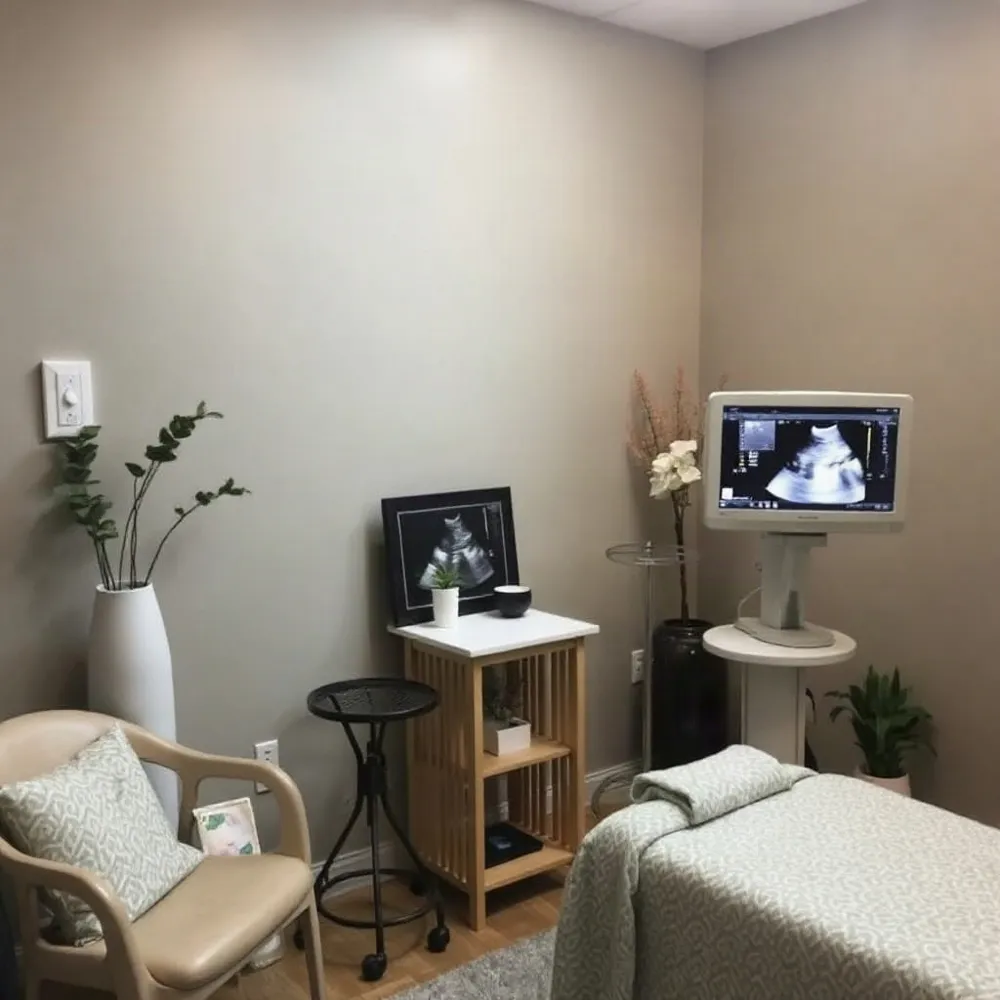 Polycystic ovary syndrome (PCOS) is a common hormonal and metabolic condition that can affect ovulation, menstrual cycles, and androgen levels. Its signs vary widely: some people notice several symptoms, while others have few. A broader overview of what PCOS can look like can help put individual experiences in context.
Periods may be infrequent, irregular, missed, or absent. Other possible features include acne, increased facial or body hair, thinning scalp hair, and challenges with weight management. When ovulation happens irregularly, becoming pregnant may be more difficult, though these signs do not affect everyone in the same way. Weight alone, or any single symptom, does not define PCOS.
The name can also be misleading. Ultrasound may show many small ovarian follicles, but these are not the same as large ovarian cysts, and cysts are not required for diagnosis. A clinician considers the overall pattern of symptoms and may use examination, blood tests, or imaging as part of an assessment. The Cleveland Clinic’s PCOS guidance explains that the condition can be present without ovarian cysts.
Because symptoms and care needs differ, harmony.care’s naturopathic and functional medicine approach emphasizes personalized assessment rather than assuming one symptom or treatment fits everyone. An evaluation can also help distinguish PCOS from other possible causes of menstrual or hormone-related changes.
How Clinicians Assess PCOS
 There is no single test that can confirm polycystic ovary syndrome (PCOS). A clinician usually considers cycle patterns, symptoms, and personal and family medical history, and may add a physical examination, blood tests, or pelvic ultrasound. Assessment can also help identify other causes of irregular periods or androgen-related symptoms.
For adults, diagnosis generally rests on at least two of three features: irregular ovulation or menstrual cycles, clinical or blood-test evidence of excess androgens, and polycystic ovarian morphology on ultrasound. An ultrasound finding alone does not establish PCOS. The [2023 review of PCOS diagnostic guidelines](https://pmc.ncbi.nlm.nih.gov/articles/PMC10047373/) emphasizes that clinicians should assess the full picture and exclude other explanations.
Similar symptoms can occur with thyroid dysfunction, elevated prolactin, and certain adrenal conditions. A clinician may order tests based on a person’s symptoms and history, rather than assuming every long or missed cycle points to PCOS. Regular-looking bleeding does not always confirm ovulation, either, so further assessment may be useful when symptoms raise concern.
Age and menstrual development matter. Irregular cycles can be expected during the first year after the first period, and clinicians use different thresholds for adolescents than for adults. A cycle pattern should therefore be interpreted in context, not judged by adult criteria alone.
A timely, compassionate assessment can replace guesswork with a clearer understanding of what may be affecting someone’s health. In an individualized naturopathic approach, clinicians at harmony.care can consider a person’s broader health history alongside evidence-based diagnostic evaluation. Avoid diagnosing yourself from one symptom or scan, and ask a qualified healthcare professional what further assessment is appropriate.
Why PCOS Develops
There is no single known cause of polycystic ovary syndrome (PCOS). Current evidence points to interacting genetic, hormonal, and metabolic factors, and the mix can differ from person to person. Having PCOS is not a sign that someone did something wrong, and body size alone does not explain why the condition develops. The FDA’s overview of PCOS also notes that its exact cause is not fully understood.
For some people, insulin resistance may be part of the picture. When the body’s cells respond less effectively to insulin, the body may produce more of it. Higher insulin levels can prompt the ovaries to make more androgens, including testosterone, which may interfere with ovulation and contribute to symptoms. Insulin resistance can occur even when blood glucose is not elevated, and it is not present in everyone with PCOS. Cleveland Clinic’s explanation of PCOS describes this possible relationship between insulin and ovarian androgen production.
Communication between the brain and ovaries may also be involved. Hormonal signals that help coordinate follicle development and egg release can become altered, contributing to irregular ovulation. These pathways interact with other influences, so no single mechanism explains every person’s experience.
Researchers are also studying possible environmental influences, but evidence about specific exposures remains limited. They should not be treated as established causes or as proof that a person could have prevented PCOS. At harmony.care, individualized naturopathic and functional medicine care considers a person’s broader health and symptoms without assuming one cause or one plan fits everyone.
Managing Irregular Cycles
Managing irregular periods begins with your cycle history, symptoms, health needs, and pregnancy goals. PCOS is one possible cause, but thyroid conditions, elevated prolactin, and other issues can also affect menstruation, so a clinical assessment matters. Bleeding that seems regular does not always confirm that ovulation is occurring; a clinician may recommend further evaluation when the distinction affects care. The Cleveland Clinic Journal of Medicine review describes how clinicians assess cycle patterns and consider other explanations.
Nourishing meals, regular movement, restorative sleep, and attention to metabolic health can support overall well-being. They may be part of PCOS care, but they do not necessarily regulate periods or resolve the condition. At harmony.care, a naturopathic and functional medicine practice focused on women’s health, care is framed around the individual rather than a single plan for everyone. Its holistic PCOS strategies describe an individualized approach; lifestyle measures should complement, not replace, medical evaluation.
If pregnancy is not a current goal, a clinician may discuss hormonal birth control or periodic progestin to make bleeding more predictable and protect the uterine lining. Long gaps between periods can leave the lining exposed to hormonal effects, so ask a healthcare professional what approach is appropriate for you. The FDA’s PCOS guidance notes that cycle management should be individualized.
When pregnancy is desired, care may instead focus on whether ovulation is occurring and how to support it. Contact a healthcare professional if periods are absent or very infrequent for several months, or if your usual pattern changes. Supplements alone may not address the cause of irregular cycles or protect the uterine lining. At harmony.care, personalized naturopathic and functional care can consider cycle history and pregnancy goals alongside broader health needs, while coordinating with appropriate medical care.
Building an Individual Care Plan
 PCOS care is not one-size-fits-all. A plan should reflect your symptoms, medical history, health risks, and whether you hope to become pregnant now or later. Your priorities may also change over time, so treatment can be reviewed as your needs shift. A clinician can explain the expected benefits, possible risks, and alternatives for each option. This shared approach is central to building an individual care plan.
Everyday habits can support general and metabolic health, but they do not replace medical care when it is needed. Aim for flexible, sustainable eating habits and physical activity you enjoy, alongside attention to sleep and emotional well-being. There is no single diet or exercise routine that is best for everyone with PCOS. A personalized wellness plan at harmony.care can take symptoms and individual needs into account without treating weight or a particular lifestyle choice as the whole explanation for PCOS. The 2026 review of PCOS diagnosis and management also emphasizes individualized nutrition and activity rather than a single preferred diet.
Depending on your situation, a clinician may recommend hormonal birth control or periodic progestin to manage bleeding and protect the uterine lining. Medicines that reduce androgen effects may help with acne or excess hair growth. Metformin may be considered for selected insulin-related or metabolic concerns. If pregnancy is a goal, fertility care may include medicines to support ovulation. The right choice depends on your health and preferences, and some treatments are not appropriate during pregnancy or when trying to conceive. The FDA’s PCOS guidance describes treatment as individualized and recommends discussing a treatment’s purpose, benefits, risks, and side effects with a healthcare provider.
Naturopathic or integrative care can complement this process by helping you consider sustainable habits and personal wellness priorities alongside medical treatment. At harmony.care, care is framed around individualized assessment, not a promise to cure PCOS. Share supplements and other complementary therapies with your clinician, since they may have side effects or interact with medicines. They should not delay diagnostic evaluation, indicated medication, or fertility care.
Considering Supplements Carefully
Can inositol or other supplements help with PCOS? Possibly, for some people and some outcomes, but the evidence does not support a universal supplement plan. Inositol has been studied for metabolic measures and menstrual regularity, yet findings vary, and improvements in one area do not guarantee changes in other symptoms. A recent review of PCOS diagnosis and management notes that inositol may be considered according to personal preferences, while evidence for clinical benefits remains limited.
Research on other supplements is similarly uneven. Studies differ in size, design, dose, and the people included, so a result from one group may not apply to another. Some herbal findings come from animal research, which cannot establish that a product is effective or safe for people. A systematic review of herbal remedies for PCOS describes possible effects for some products but also highlights substantial differences in evidence strength.
Product contents and doses can vary, and supplements may cause side effects or interact with prescribed medicines. Evidence does not establish them as replacements for medical care or treatments chosen to address specific PCOS concerns. A personalized approach at harmony.care can take symptoms, health history, and goals into account when discussing whether a supplement belongs in a broader care plan.
Before starting a supplement, review it with a healthcare professional, especially if you take medication, have another health condition, or are trying to conceive. If you decide to try one, agree on the product, dose, intended outcome, and a time to review whether it is helping. This makes it easier to stop or adjust the plan if benefits are unclear or unwanted effects arise.
Approaching Weight With Care
Weight changes with PCOS can reflect several influences, including insulin resistance, sleep, stress, medications, and individual biology. PCOS affects people across body sizes, so weight alone does not define someone’s health or determine what care they need. A clinician can help explore the factors that may be relevant to you.
A sustainable plan might include balanced, satisfying meals, enjoyable movement, adequate sleep, and behavioral or emotional support. There is no single diet or exercise approach shown to work best for everyone with PCOS; flexible choices that fit your needs and preferences are more practical than restrictive rules. The 2026 Cleveland Clinic Journal of Medicine review supports individualized nutrition and physical activity rather than overly restrictive diets.
For some people with higher weight who want to lose weight, changes may improve certain metabolic or reproductive symptoms. Results vary, and weight loss is neither necessary for everyone nor a cure for PCOS. A respectful care plan can focus on overall health and goals you choose, rather than treating the number on a scale as the only measure of progress.
At harmony.care, an individualized approach to women’s health and integrative wellness can make room for your symptoms, health history, and preferences. Discuss medications and possible treatment options with a clinician, including what each option aims to address and its potential benefits and risks. If weight is part of your goals, care can support that conversation without stigma or pressure.
For additional perspective, weight management as part of natural PCOS symptom care should account for individual biology and metabolic health, not assume that every person needs to lose weight.
Pregnancy Remains Possible
Yes, pregnancy is possible with PCOS. Many people conceive without treatment, while others benefit from medical support. Infrequent or absent ovulation can mean fewer opportunities to conceive in each cycle, so it may take longer, but PCOS does not make pregnancy impossible. Cleveland Clinic’s PCOS guidance notes that many people with the condition do become pregnant.
If ovulation is irregular, a clinician can discuss medicines that help trigger egg release. The 2026 review in the Cleveland Clinic Journal of Medicine identifies letrozole as a first-line medication for ovulation induction in people with PCOS who are trying to conceive. The appropriate choice depends on your health history and goals, and treatment cannot guarantee pregnancy.
Before trying to conceive, discuss your cycle history, pregnancy plans, and overall health with a healthcare provider. PCOS care can include reviewing metabolic health and other factors that may affect fertility, along with planning for pregnancy-related risks. At harmony.care, individualized naturopathic and functional medicine care can help place those concerns within a broader women’s health assessment, while fertility treatment decisions remain a conversation with your medical clinician.
If conception is taking longer than expected, you do not have to wait until you feel certain PCOS is the cause to ask for guidance. A clinician can assess ovulation and consider other fertility factors, then help you choose next steps that fit your circumstances.
Monitoring Long-Term Health
Can PCOS affect long-term health? Yes. PCOS is associated with a greater likelihood of insulin resistance, type 2 diabetes, high blood pressure, cholesterol changes, cardiovascular disease, sleep apnea, and some pregnancy complications. These are risks, not certainties, and they vary between individuals. The FDA’s PCOS guidance also notes that these connections are still being studied.
Very infrequent ovulation can mean that the uterine lining is shed less often. Over time, this may increase the chance of endometrial thickening and other problems. Discuss cycle management and whether you need endometrial protection with a clinician, particularly if your periods are very far apart or absent. The Cleveland Clinic Journal of Medicine review explains why persistent irregular cycles deserve attention.
Follow-up can be tailored to your symptoms, medical history, family history, and pregnancy plans. Depending on your circumstances, a clinician may review blood sugar, blood pressure, cholesterol, menstrual patterns, and mental well-being. PCOS-related risks can occur at different body sizes, so monitoring should reflect your health rather than rely on weight alone.
At harmony.care, individualized naturopathic and functional medicine care considers a person’s broader health history and wellness needs. That perspective can complement medical assessment, but it should not replace recommended screening or treatment. Ask your healthcare professional what follow-up is appropriate and raise new or changing symptoms as they arise. Regular, practical check-ins can help address concerns without assuming complications are inevitable.
Living With PCOS Over Time
PCOS does not currently have an established permanent cure, but its symptoms and related health risks can often be managed. Patterns may change over time, so a plan that helps now may need adjusting later. Cleveland Clinic notes that symptoms vary and care is individualized.
Follow-up can help you and your healthcare professional review cycle changes, androgen-related symptoms, metabolic health, emotional well-being, and any treatment effects. The right focus may shift with your priorities, including whether you are planning a pregnancy. A 2026 review on PCOS diagnosis and management describes care across reproductive, metabolic, and psychological health.
Care may include nutrition and activity choices that suit your needs, alongside medication or other support for specific concerns. No single approach is right for everyone, and lifestyle changes do not resolve every aspect of PCOS. At harmony.care, naturopathic and functional medicine services focus on personalized assessment within a women’s health and integrative wellness practice.
Bring questions and changing goals to appointments, and discuss benefits, risks, and alternatives before starting or stopping treatment. An individualized assessment with qualified healthcare professionals can help you make decisions collaboratively and revisit the plan as your health and priorities change. For more on ongoing care, see Living With PCOS Over Time.
Care That Meets You Where You Are
Irregular periods are worth discussing, but they do not, on their own, establish PCOS. A clinician considers cycle patterns alongside symptoms, relevant tests, and other possible explanations. The FDA’s PCOS guidance also emphasizes that there is no single test for the condition.
Before an appointment, consider noting when periods occur, how long bleeding lasts, and any changes such as acne, unwanted hair growth, or difficulty conceiving. Bring questions about what the evaluation can clarify, what treatment options may offer, and how those choices fit your pregnancy goals. You deserve clear explanations and a care plan shaped around your health and preferences.
Integrative wellness may complement medical care when it is individualized and evidence-informed, not presented as a cure or a substitute for diagnosis. At harmony.care, naturopathic and functional medicine services focus on personalized women’s health and wellness; any supportive approach should be coordinated with the healthcare professionals involved in your care.