Understanding Thyroid Health from the Inside Out
The thyroid gland acts as a crucial engine for your metabolism, heart rate, and body temperature. When this small, butterfly-shaped organ underproduces hormones, the resulting hypothyroidism affects approximately 5% of individuals globally.
At harmony.care, we prioritize a patient-centered, integrative approach that looks far beyond standard laboratory snapshots. While conventional care often relies solely on medication, we help you explore how nutrition, stress management, and lifestyle modifications can restore harmony to your hypo-metabolic state.
True balance requires personalized care that addresses root causes, rather than just symptom management. By integrating evidence-based nutritional strategies and gentle lifestyle adjustments, you can nurture your thyroid health naturally and reclaim your energy.
Foundations of Thyroid Nutrition
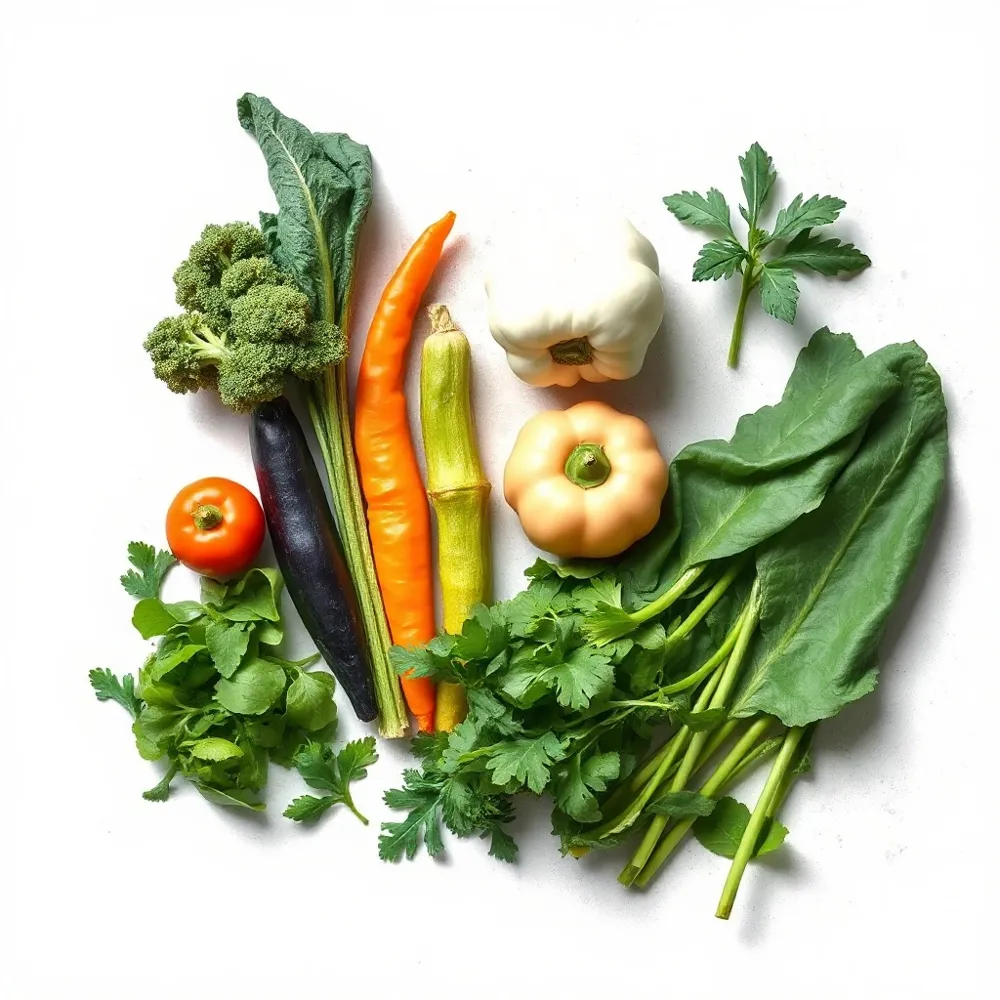 Nutrition is foundational to thyroid health, as the gland relies on specific micronutrients to synthesize hormones and regulate metabolism effectively. Iodine remains a critical component for hormone production, making adequate intake essential for preventing dysfunction. Per the British Thyroid Foundation, no single diet acts as a treatment for thyroid disorders. Instead, a balanced, evidence-based approach is most effective for maintaining wellness.
A Mediterranean-style diet — which emphasizes vegetables, fruits, healthy fats, and lean proteins — has been studied for its anti-inflammatory properties that may help reduce systemic stress on the body. Ensuring your intake includes adequate fiber is also important for supporting your gut-thyroid axis. At harmony.care, we emphasize these lifestyle foundations alongside targeted testing to address individual nutritional gaps.
Beyond iodine, selenium plays a key protective role by supporting antioxidant defenses and assisting in the conversion of T4 to the more active T3 hormone. Zinc, iron, and vitamin D are also vital, as deficiencies in these areas are frequently linked to impaired thyroid performance and autoimmunity. Because individual needs vary significantly based on your health history, working with a practitioner to create a personalized, nutrient-dense plan is ideal for supporting endocrine balance.
Key Nutrients for Hormone Synthesis
 The thyroid relies on a precise balance of micronutrients to produce T3 and T4 hormones. Iodine remains the primary building block for thyroid hormone structure and is commonly found in seafood, dairy, and eggs. Because excessive intake can be as disruptive as deficiency, our team at harmony.care emphasizes personalized intake rather than generic supplementation.
Other essential minerals provide the mechanics for hormone activation and immune support. Selenium is a critical component for converting T4 into the active T3 hormone, and it provides protective antioxidant effects. Zinc acts as a vital cofactor for the enzyme thyroperoxidase, which regulates thyroid-stimulating hormone levels. While some generic protocols suggest high-dose mineral loading, the clinical framework at harmony.care focuses on nutrient-dense whole foods like Brazil nuts, lean meats, and seeds to ensure steady, safe delivery.
Iron, Vitamin D, and Vitamin B12 are also frequently linked to thyroid health outcomes. Iron is necessary for the function of thyroperoxidase, and deficiency is common in those with hypothyroidism. Vitamin D serves an immunomodulatory role, with low levels often observed in autoimmune thyroid conditions. By focusing on functional medicine techniques, patients can achieve better hormonal regulation through targeted nutrition.
Supplements: Smart Use and Safety
 Correcting nutrient gaps is often a cornerstone of a functional medicine program at harmony.care. While nutrients like selenium or zinc can support gland function, supplements remain powerful tools that require careful oversight. A 2023 editorial in PMC notes that combining myo-inositol with selenium has shown promise in reducing TSH levels and thyroid autoantibodies for some patients.
Caution is necessary with dosage and quality. The British Thyroid Foundation warns that selenium intake exceeding 300 micrograms daily is linked to increased mortality. Furthermore, many over-the-counter 'thyroid support' products may contain undisclosed T3 or T4, which risks inducing thyrotoxicosis. While preliminary research highlights potential benefits for ginger in symptom management or lemon balm for Graves' disease, these remain under study and should not replace clinical care.
- Always allow a four-hour gap between taking levothyroxine and any supplement, as many minerals interfere with hormone absorption.
- Stop taking high-dose biotin for two to seven days before lab testing to prevent false results.
- Work with a practitioner to ensure supplement choices are safe and medically appropriate for your underlying health status.
Supporting a thyroid imbalance requires an integrative, patient-centered approach that focuses on nourishing the body and reducing inflammation. Beneficial dietary adjustments often include adopting gluten-free protocols and incorporating nutrient-dense foods, while avoiding substances like excessive soy or iodine that may interfere with thyroid function. Targeted supplementation, such as selenium, zinc, and B vitamins, can also play a role in supporting glandular health, though these should always be personalized to your unique biochemistry. Because thyroid function is delicate, it is essential to work closely with a healthcare professional at harmony.care to confirm which herbs or supplements are safe for your specific needs. Ultimately, navigating this path successfully involves balancing natural, evidence-based lifestyle interventions with medical guidance to ensure your thyroid receives the comprehensive support it requires.
Foods to Favor and Foods to Moderate
Eating a balanced diet serves as a cornerstone for maintaining healthy thyroid hormone levels. At harmony.care, we emphasize prioritizing nutrient-dense whole foods to provide the necessary cofactors for thyroid function. Excellent additions to your routine include Brazil nuts for selenium, wild-caught lean meats, leafy greens, and whole eggs.
What are the common dietary guidelines and foods to avoid when managing thyroid disease?
Certain foods require careful attention depending on your specific diagnosis. While cruciferous vegetables like kale and cabbage contain goitrogens, they are generally safe in moderate amounts, especially when cooked to reduce their goitrogenic effect. Unlike some generic plans that call for total avoidance, we focus on helping you find a sustainable balance.
Others require stricter management. Soy can inhibit the absorption of levothyroxine, so you must maintain a four-hour window between intake and medication. Similarly, kelp and sea moss should be avoided due to their unpredictable and often excessively high iodine content, which can trigger or exacerbate dysfunctions. Furthermore, processed foods, refined sugars, and oils contribute to systemic inflammation that complicates autoimmune issues like Hashimoto's thyroiditis.
- Include nutrient-dense staples: sea vegetables, Brazil nuts, lean meats, leafy greens, and whole eggs.
- Consider a gluten elimination trial, as Hashimoto's thyroiditis frequently co-occurs with gluten sensitivity.
- Ensure a four-hour buffer between medication and foods like soy, calcium, and iron supplements.
- Focus on anti-inflammatory patterns rather than chasing restrictive 'thyroid diets' that lack clinical backing.
Functional Medicine: Looking Beyond TSH
Conventional medicine often relies primarily on measuring TSH levels to diagnose and manage thyroid dysfunction, yet this narrow window can often miss the mark on a patient's true experience. At harmony.care, we recognize that the thyroid is part of a complex, interconnected system rather than a standalone organ.
While standard care views lab markers within broad reference ranges, a functional medicine approach investigates the specific root causes of dysfunction. By incorporating advanced panels—including free T3, free T4, and thyroid antibodies—we assess how effectively your body produces and converts hormones.
This investigation often reveals issues like systemic inflammation or imbalances within the gut-thyroid axis, a connection where microbiome health directly influences hormone metabolism. Advanced protocols like the 5-R framework help address these triggers, alongside mitigating damage from endocrine disruptors like BPA or phthalates.
Chronic stress and cortisol levels are also pivotal, as they can dampen hormone signaling across the hypothalamic-pituitary-thyroid axis. Our programs at harmony.care provide personalized care plans tailored to your unique biochemistry, ensuring we address your overall wellness rather than simply chasing a statistical target on a TSH report.
Lifestyle Habits That Support the Thyroid
Supporting thyroid health requires more than just nutrient intake, as everyday habits profoundly influence hormonal signaling. Quality sleep of seven to nine hours is significantly linked to a lower risk of subclinical hypothyroidism. Consistent rest is vital, as irregular patterns, such as staying up late on weekends, can disrupt thyroid secretory capacity.
Physical activity serves as an effective tool for metabolic regulation. Research shows that regular, moderate-to-high intensity exercise can lower TSH levels and improve glandular secretory capacity. Beyond movement, managing emotional and physiological stress through practices like meditation, yoga, or journaling helps lower cortisol, which can otherwise dampen thyroid function.
Reducing your toxic load is another priority at harmony.care, where we focus on minimizing exposure to endocrine-disrupting chemicals found in certain plastics, pesticides, and personal care items. Additionally, quitting smoking is recommended, as tobacco use shows a positive correlation with increased pituitary stimulation, adding unnecessary strain to the system.
Can Lifestyle Changes Replace Medication?
Whether hypothyroidism can be reversed depends on the underlying cause, as cases driven by iodine deficiency may respond to nutrition while autoimmune conditions like Hashimoto’s thyroiditis frequently require more intensive management. While a balanced, nutrient-dense diet supports overall wellness, it rarely replaces pharmaceutical intervention once a patient has developed clinical hypothyroidism.
At harmony.care, we focus on reducing root triggers like systemic inflammation and nutrient gaps to improve how you feel, rather than treating symptoms alone. This functional medicine approach helps optimize your body's hormonal signaling. However, levothyroxine remains the standard support for low thyroid hormone levels.
Any adjustment to your treatment plan must involve close partnership with a physician. Monitoring progress through regular blood work remains non-negotiable to ensure your hormones stay within a healthy range, as highlighted in research on thyroid secretory capacity.
Medication Timing and Nutrient Interactions
Levothyroxine is most effective when taken on an empty stomach, 30 to 60 minutes before breakfast, as these conditions ensure optimal absorption.
Certain substances can significantly interfere with how your body processes this medication. You should space your dosage at least four hours apart from calcium and iron supplements, as well as soy products, antacids, and high-fiber meals. Other medications including sucralfate, cholestyramine, and proton pump inhibitors also require this four-hour buffer to avoid potential absorption issues per Rupa Health.
If you are preparing for blood work, note that biotin supplements can cause false readings in thyroid function tests. The American Thyroid Association recommends pausing biotin for at least two days before testing, while some clinicians suggest up to one week to ensure complete clearance.
While thyroid health often requires specific minerals, adding iodine supplements to a levothyroxine regimen is generally unnecessary and can be harmful. Always consult your practitioner to confirm your needs. Finally, maintain routine monitoring by scheduling follow-up blood work 6 to 10 weeks after any dose adjustment, with maintenance checks every 6 to 12 months thereafter.
Partner With Your Practitioner for Lasting Balance
Achieving thyroid health is not about following a single protocol, but rather building a personalized strategy. At harmony.care, we emphasize that nutrition, targeted supplementation, and lifestyle adjustments function best when combined with comprehensive functional testing that looks beyond basic markers.
Because high-dose supplements like selenium or certain herbal additions can interact with medications or skew thyroid blood tests, professional oversight is essential. By working closely with a knowledgeable practitioner, you transform generic advice into a tailored plan that meets your unique physiology. Empowerment begins with understanding your body, and collaborative care ensures your approach remains safe, effective, and sustainable for lasting balance.