Overview of Functional Medicine for Hashimoto’s
Functional medicine treats Hashimoto’s as a whole‑body condition, not just a low‑thyroid problem. By blending conventional levothyroxine therapy with personalized nutrition, targeted supplements, gut‑healing protocols and stress‑reduction techniques, clinicians create an integrative health plan that speaks to each woman’s unique biology. A holistic assessment begins with a comprehensive thyroid panel (TSH, free T4/T3, reverse T3, anti‑TPO/TG antibodies) and expands to food‑sensitivity testing, stool analysis, micronutrient panels (selenium, vitamin D, zinc, iron) and toxin screens. Because women are 4‑10 times more likely to develop Hashimoto’s, the approach emphasizes female‑specific factors such as hormonal fluctuations, menstrual health, pregnancy, and the “microgenderome” link between sex hormones and gut microbiota. Evidence‑based interventions—selenium 200 µg/day, vitamin D 2,000 IU/day, gluten‑free or Autoimmune Protocol diets, probiotic support, and adaptogenic herbs—aim to lower autoantibody levels, restore gut integrity, balance cortisol, and improve quality of life while supporting safe hormone replacement when needed.
What Drives Hashimoto’s? – Causes and Clinical Significance
 Hashimoto’s thyroiditis is an autoimmune disease in which the immune system mistakenly creates antibodies—most commonly anti‑TPO and anti‑TG—that attack the thyroid’s hormone‑producing cells. The precise trigger is not fully understood, but the overwhelming evidence points to a multi‑factorial origin.
Autoimmune mechanisms – The thyroid sits under constant immune surveillance; in Hashimoto’s, loss of tolerance leads to a Th1‑dominant response, production of thyroid‑specific autoantibodies, and chronic inflammation that gradually destroys follicular cells.
Genetic susceptibility – Family history and specific HLA alleles (e.g., HLA‑DR3, HLA‑DR5) as well as polymorphisms in immune‑regulating genes (CTLA‑4, PTPN22, SELENOS) increase the likelihood of developing the disease. Genetics account for roughly 70‑80 % of the risk, but they are not sufficient on their own.
Environmental triggers – Infections (H. pylori, Epstein‑Barr virus, Lyme disease), chronic psychological stress, exposure to endocrine‑disrupting chemicals (BPA, phthalates, heavy metals), and dietary factors such as gluten sensitivity or excess iodine can break immune tolerance in genetically predisposed individuals. Leaky gut and dysbiosis also amplify systemic inflammation and molecular mimicry, further fueling autoimmunity.
Disease severity – While many patients remain subclinical for years, the progressive loss of thyroid tissue eventually leads to hypothyroidism—fatigue, weight gain, cold intolerance, mood changes, and cardiovascular strain. Untreated disease can raise cholesterol, increase infertility risk, and rarely produce a large goiter that requires surgery. Early detection of antibodies, even when TSH is normal, allows timely intervention.
Clinical significance – Hashimoto’s is the leading cause of adult hypothyroidism in the United States, affecting ~5 % of the population (women 4‑10 × more often than men, especially ages 30‑50). Because symptoms overlap with perimenopause, depression, and chronic stress, a comprehensive assessment—including full thyroid panels, antibody testing, micronutrient status, gut health, and toxin exposure—is essential for personalized care.
Bottom line – Hashimoto’s results from an interplay of genetics, immune dysregulation, and environmental insults. Recognizing these drivers enables a patient‑centered approach that combines conventional hormone replacement with functional‑medicine strategies—nutrient repletion, gut healing, stress reduction, and toxin avoidance—to mitigate autoimmunity, preserve thyroid function, and improve quality of life.
Standard Diagnosis and Conventional Treatment
 Hashimoto's thyroiditis is confirmed with a full thyroid panel that goes beyond a solitary TSH. Functional and conventional labs typically include TSH, free T4, free T3, total T3/T4, reverse T3, and the autoantibodies anti‑TPO and anti‑TG; these values identify hormone deficiency, conversion inefficiency, and autoimmune activity. The cornerstone of conventional therapy is levothyroxine, a synthetic T4 that is titrated to normalize TSH and relieve hypothyroid symptoms. Initial dose adjustments are checked 6‑8 weeks after any change, then stable patients are monitored every 6‑12 months with TSH and, when needed, free T3/T4. The Mayo Clinic emphasizes taking Levothyroxine on an empty stomach, spacing calcium, iron, soy, and antacids at least four hours apart to avoid malabsorption, and maintaining a balanced, iodine‑adequate diet while avoiding excess iodine, soy, and processed sugars that can interfere with medication absorption.
Treatment for Hashimoto's disease – Levothyroxine normalizes TSH; adjunctive measures such as a nutrient‑dense, gluten‑free diet, selenium 200 µg, vitamin D 2,000 IU, probiotics, and stress‑reduction ( yoga, mindfulness) support immune balance and may lower antibody titers.
Hashimoto thyroiditis treatment guidelines – Target TSH within the individualized range, reassess labs after dose changes, and consider integrative nutrition (selenium, zinc, omega‑3s) and lifestyle interventions to reduce inflammation.
Hashimoto's disease medication – Levothyroxine (generic or brand) is first‑line; desiccated thyroid may be used in selected cases. Ensure proper timing relative to meals and supplements.
Hashimoto's disease Mayo Clinic – No specific cure‑diet, but a balanced, iodine‑appropriate diet, regular sleep, exercise, and stress management complement hormone therapy.
Hashimoto's disease T3 and T4 levels – Typical findings are low‑normal free T4 with elevated TSH; free T3 may drop as disease advances, guiding levothyroxine dosing and, when needed, T3 supplementation.
Functional Medicine Lens: Labs, Root Causes and Hormone Balance
 Functional medicine approaches Hashimoto’s by first uncovering the underlying triggers of autoimmunity rather than merely prescribing thyroid hormone replacement. Comprehensive functional labs go beyond TSH to include free T3/T4, reverse T3, anti‑TPO/TG antibodies, micronutrient panels (selenium, zinc, vitamin D, iron), heavy‑metal screens, stool analyses for gut dysbiosis, adrenal cortisol profiles, and sex‑hormone panels. These data pinpoint nutrient gaps, toxic exposures, and hormonal stressors that can perpetuate thyroid attack.
Gut‑thyroid axis is a central focus: leaky gut and dysbiosis allow food antigens and toxins to provoke systemic inflammation and raise antibody levels. Restoring barrier integrity with probiotics, L‑glutamine, and a low‑inflammatory, gluten‑free or Autoimmune‑Protocol diet reduces intestinal permeability and modulates immune tolerance.
Hormone conversion relies on selenium‑ and zinc‑dependent deiodinases that turn T4 into active T3. Targeted supplementation (200 µg selenium, 30 mg zinc, 2 000 IU vitamin D daily) supports this enzymatic step, while myo‑inositol and topical glutathione lower oxidative stress.
Functional medicine benefits include personalized nutrition, stress‑reduction practices (mindfulness, yoga, adequate sleep), toxin avoidance, and the possibility of lowering levothyroxine dose as antibodies wane and conversion improves.
Answers to common questions:
- Functional medicine Hashimoto's treats the disease by root‑cause testing, nutrient‑focused supplements, gut healing, and lifestyle change.
- Hashimoto's functional medicine near me – search for "functional medicine" or "naturopathic doctor" with your city; many U.S. clinics offer personalized labs and protocols.
- How to increase thyroid hormone naturally – ensure adequate iodine, selenium, zinc, vitamin D; adopt an anti‑inflammatory diet; manage stress; separate thyroid medication from calcium/iron.
- How to balance thyroid naturally – nutrient‑dense diet, reduce endocrine‑disrupting chemicals, regular movement, good sleep, and periodic functional testing.
- Can functional medicine help with Hashimoto's? – Yes; by addressing gut health, nutrient deficiencies, stress, and toxins, it can lower antibody titers, preserve thyroid tissue, and improve symptoms while working alongside conventional hormone therapy.
Nutrient‑Rich Diets: Repairing the Thyroid and Supporting Weight Loss
 Hashimoto’s thyroiditis thrives on a diet that supplies the nutrients needed for hormone synthesis and protects the gland from oxidative stress. Iodine‑rich foods such as seaweed, cod, and dairy, selenium‑dense options like Brazil nuts, tuna, and turkey, iron and zinc from beef, lentils, spinach, pumpkin seeds, and oysters, plus copper‑rich whole‑grain breads, vitamin A from carrots and sweet potatoes, and vitamin B12 from eggs and fish, form the backbone of thyroid‑supportive nutrition. Probiotic‑rich foods—including yogurt, kefir, and fermented vegetables—help maintain a healthy gut‑thyroid axis, reducing systemic inflammation that can exacerbate autoimmunity.
For women seeking weight‑loss while managing Hashimoto’s, an anti‑inflammatory, nutrient‑dense plan modeled after the Mediterranean or Autoimmune Paleo (AIP) patterns works best. Emphasize leafy greens, colorful low‑glycemic fruits, wild‑caught fatty fish, olive‑oil‑based fats, and gluten‑free whole grains. Prioritize selenium (Brazil nuts, fish), zinc (legumes, nuts), vitamin D (fatty fish or fortified dairy alternatives), and magnesium while limiting gluten, soy, processed sugars, and excess raw cruciferous vegetables. Aim for 60‑80 g of protein, 130‑160 g of carbs from low‑glycemic sources, and 30‑40 % of calories from healthy fats, plus 25‑35 g of fiber daily.
A free 7‑day Hashimoto‑friendly menu is easy to follow: start each day with anti‑inflammatory, nutrient‑dense meals—such as grilled salmon‑quinoa bowls, roasted chicken with sweet potatoes, and mushroom‑spinach frittatas—while adding daily selenium sources (Brazil nuts or pumpkin seeds) and probiotic snacks (kefir or sauerkraut). This balanced approach, combined with regular moderate exercise, stress‑reduction techniques, and careful timing of levothyroxine (empty stomach, 4‑hour gaps from calcium, iron, or high‑fiber foods), can lower thyroid antibodies, improve metabolism, and support sustainable weight loss for women with Hashimoto’s.
Avoiding Triggers: Foods and Substances that Fuel Autoimmunity
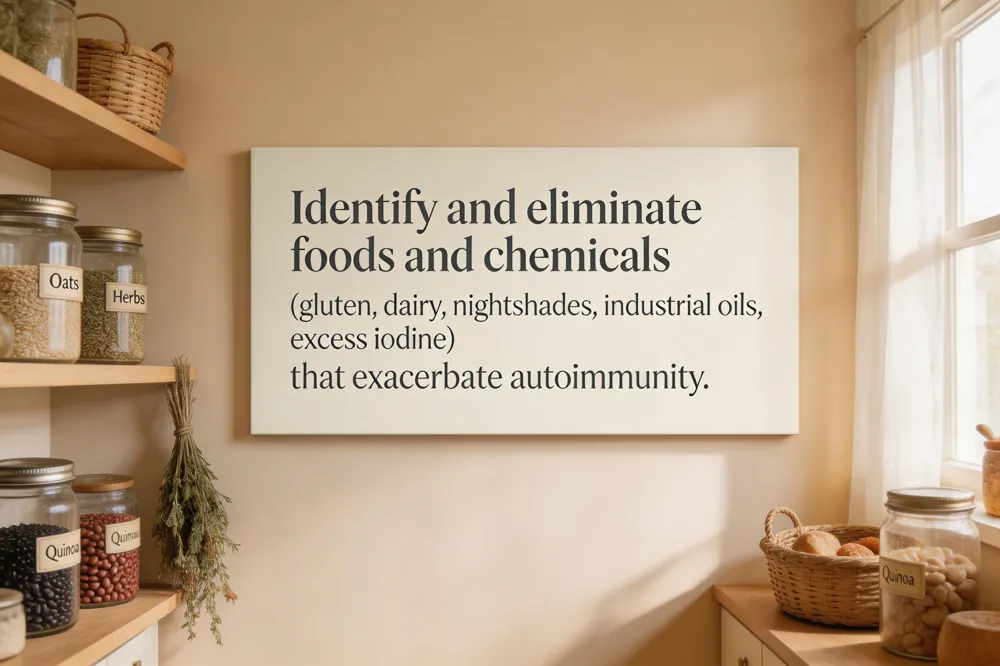 For women with Hashimoto’s, identifying and eliminating foods that fan the autoimmune flame can make a noticeable difference in energy, mood, and thyroid symptoms. The most frequently cited “ten foods to avoid” include gluten‑containing grains, dairy products, eggs, coffee, alcoholic beverages, refined sugars and sweeteners, industrial seed oils (e.g., soybean or canola), nightshade vegetables (tomatoes, peppers, eggplant, potatoes), legumes (beans, lentils, peas), and processed food additives such as aspartame. These items tend to increase gut inflammation, disrupt intestinal permeability, and provoke molecular mimicry that can raise anti‑TPO/Tg antibodies.
The broader “worst foods list” for Hashimoto’s expands on this theme: gluten‑rich wheat products, dairy, soy, corn, rice, and other common allergens often trigger immune reactivity. High‑glycemic sugars, artificial sweeteners, and industrial oils amplify systemic inflammation, while nightshades and excess alcohol can destabilize blood‑sugar balance. Iodine‑rich foods (iodized salt, seaweed) may worsen autoimmunity when iodine status is already high.
Switching to a whole‑food, anti‑inflammatory diet—leafy greens, wild‑caught fish, healthy fats, and high‑quality protein—supports gut healing, balances hormones, and helps keep thyroid autoimmunity in check.
Targeted Supplementation and Thyroid Restore Review
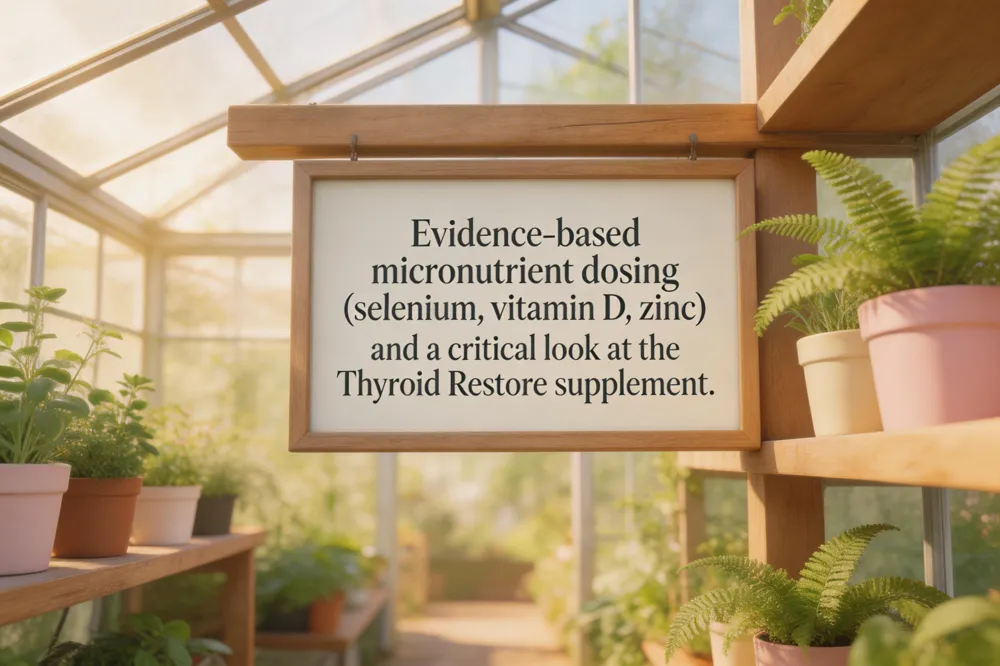 Hashimoto’s thyroiditis is an autoimmune form of hypothyroidism that affects roughly 5 % of Americans, especially women aged 30‑50. Functional‑medicine protocols highlight low selenium, vitamin D, and zinc as key nutrients that support thyroid hormone synthesis and modulate immunity. For example, selenium 200 µg daily for three months has been shown to lower anti‑TPO antibodies, while vitamin D 2,000 IU daily can improve immune tolerance.
Thyroid Restore reviews – Thyroid Restore is marketed as a natural blend of vitamins (A, D3, E), minerals (iodine, zinc, selenium) and herbs such as guggul, rosemary, and ashwagandha. Independent testing of many over‑the‑counter “thyroid‑support” products has uncovered hidden T3/T4 or excess iodine, which can trigger palpitations, bone loss, or hyper‑thyroid symptoms, particularly in women with autoimmune disease. Thyroid Restore does not list thyroid hormones on its label, reducing—but risk of inadvertent hormone overload, but patients should still verify the product’s purity and discuss it with a functional‑medicine clinician.
Thyroid Restore supplement – The manufacturer recommends two capsules on an empty stomach each morning. While the formula contains nutrients that align with functional‑medicine recommendations—selenium, zinc, iodine—its safety hinges on transparent labeling and appropriate dosing. Women who are pregnant, nursing, or taking levothyroxine should seek individualized guidance before adding any supplement. In an integrative plan, targeted micronutrient repletion, gut‑healing nutrition, stress reduction, and careful supplement selection together offer a more evidence‑based route to thyroid balance than relying on a single over‑the‑counter product.
Peptide Therapies: Emerging Tools for Autoimmune Modulation
 Peptide therapy is gaining attention in functional‑medicine circles as a complementary tool for Hashimoto’s thyroiditis, especially when gut‑driven autoimmunity is a key driver. BPC‑157 is the peptide most frequently highlighted; it promotes rapid repair of the intestinal barrier, tightens tight‑junctions, and reduces systemic inflammation that can fuel thyroid antibodies. In practice, BPC‑157 is often paired with a low‑dose naltrexone protocol and an anti‑inflammatory diet (e.g., Autoimmune Protocol) to address leaky‑gut‑related immune activation.
Other gut‑focused peptides include KPV, a short‑chain fragment of α‑melanocyte‑stimulating hormone that has documented anti‑inflammatory effects, and Larazotide, which directly enhances tight‑junction integrity and has been studied in celiac‑type permeability disorders. Both can be layered with BPC‑157 for a broader immune‑modulating strategy.
Availability varies: many functional‑medicine clinics in the United States now offer peptide compounding services, and tele‑health platforms can arrange prescription‑only delivery after a thorough lab assessment (thyroid antibodies, stool analysis, micronutrient panels).
When choosing a peptide, the consensus among clinicians is that BPC‑157 serves as the cornerstone, with KPV and Larazotide providing complementary support. Individualization is essential—dose, frequency, and duration should be monitored by a qualified practitioner who tracks antibody trends, symptom changes, and overall thyroid function. This personalized, evidence‑based approach aims to reduce autoimmune load while supporting conventional levothyroxine therapy, ultimately improving fatigue, brain fog, and quality of life for women with Hashimoto’s.
Lifestyle, Detox and Hormonal Balance
 Hashimoto’s patients often ask how to support thyroid health naturally. A clean, nutrient‑dense diet is the foundation: plenty of fresh vegetables, fruits, high‑quality protein and healthy fats, while avoiding processed foods, excess sugar and plastic‑packaged items that can carry endocrine‑disrupting chemicals. Selenium‑rich Brazil nuts, zinc‑laden pumpkin seeds, modest seaweed iodine, vitamin D from sunlight or fortified foods, magnesium‑rich leafy greens and B‑vitamins help the thyroid detoxify and convert hormones. Fiber‑rich foods, fermented probiotics (yogurt, kimchi, kefir) and prebiotic vegetables nurture a balanced gut microbiome, which in turn modulates inflammation that can trigger autoimmunity.
Stress management is essential; chronic cortisol spikes impair T4‑to‑T3 conversion and increase oxidative stress. Gentle yoga, deep‑breathing, meditation and regular movement lower cortisol and support adrenal health. Adequate sleep (7‑9 hours) and moderate exercise further stabilize hormones and improve energy.
For women, monitoring iodine intake (avoid both deficiency and excess), supplementing selenium (200 µg/day) and vitamin D (2,000 IU/day) under professional guidance can aid hormone synthesis. When TSH is normal but symptoms persist, a watch‑and‑wait approach with regular labs, gut‑healing protocols, gluten elimination (if sensitive) and low‑dose levothyroxine trial may be considered. Mild subclinical hypothyroidism can sometimes revert with these lifestyle changes, but overt disease usually requires medication to maintain metabolic balance.
Patient Success Stories and Personal Healing

Hashimoto's reversal success stories
Women who adopt a comprehensive functional‑medicine plan often report dramatic laboratory and symptom improvements. For example, readers of Dr. Izabella Wentz’s Hashimoto’s: The Root Cause have seen anti‑TPO antibodies drop from >1,200 to <100 while losing 40 lb and we medication doses. Leanne Ely reduced her TPO titers from the 3,000‑range to 95 after eliminating gluten and dairy, following a Paleo‑style Autoimmune Protocol, managing stress, and working with a functional‑medicine physician. These cases highlight how personalized nutrition, gut‑healing, and toxin avoidance can restore thyroid balance.
How I healed my hypothyroidism
I started by identifying diet, stress, and endocrine‑disrupting chemical exposure as root contributors. I removed processed foods, BPA‑containing plastics, and heavy‑metal sources, then introduced a nutrient‑dense regimen rich in selenium, zinc, iodine, and vitamin D. Adaptogenic herbs, mindfulness, and regular sleep supported adrenal health. A gut‑healing protocol—probiotics, fermented foods, low‑FODMAP choices—reduced inflammation and immune attack on the thyroid. Within months my labs showed a normal TSH and rising free T3/T4, allowing a supervised taper of levothyroxine. I now maintain health with a personalized functional‑medicine program.
Can Hashimoto's be reversed with diet?
An anti‑inflammatory, whole‑food diet can lower antibody levels and improve symptoms but does not cure the autoimmune damage. Hormone replacement (levothyroxine remains essential for normalizing thyroid function. Diet—rich in fruits, vegetables, lean protein, omega‑3s, and low in added sugars, processed foods, and, for some, gluten—supports overall health and can modestly reduce antibodies when combined with selenium and vitamin D supplementation.
Can hypothyroidism be reversed without medication?
Mild or subclinical cases sometimes resolve when underlying issues (iodine deficiency, temporary inflammation) are corrected, but overt hypothyroidism generally requires levothyroxine or equivalent therapy. Lifestyle measures—adequate iodine, selenium, stress reduction, exercise—can optimize thyroid health and may lower medication dose, but they do not replace the need for hormone replacement in most patients. Regular TSH monitoring is critical.
Putting It All Together: A Functional Path Forward
A functional‑medicine plan for Hashimoto’s is built around personalized care, ongoing monitoring, and collaborative treatment. First, the practitioner gathers a detailed history and orders comprehensive labs—full thyroid panel, antibody titers, micronutrient status, gut‑microbiome analysis, and toxin screens—to identify each woman’s unique triggers. Based on these results, a customized protocol is designed that may include a gluten‑free or Autoimmune‑Protocol diet, targeted nutrients such as 200 µg selenium, 2,000 IU vitamin D, zinc or iodine (as needed), gut‑healing agents (L‑glutamine, probiotics), stress‑reduction practices, and, when necessary, levothyroxine or combination thyroid therapy. Re‑testing is scheduled 6–8 weeks after any medication or supplement change to assess TSH, free T3/T4, and antibody trends; thyroid antibodies are typically re‑checked at three‑month intervals. Throughout, the functional practitioner works hand‑in‑hand with the patient’s endocrinologist, dietitian, and, if appropriate, mental‑health provider, ensuring that each intervention is safe, evidence‑based, and aligned with the woman’s goals for health, fertility, and overall wellness.