Understanding the Stress‑Thyroid Connection
Chronic psychological and physical stress triggers the hypothalamic‑pituitary‑adrenal (HPA) axis, causing a sustained rise in cortisol. High cortisol can suppress the release of thyroid‑stimulating hormone (TSH) and shunt the conversion of T4 to the active hormone T3, often diverting it to reverse‑T3, a biologically inactive form. This cortisol‑driven imbalance is especially relevant for women, who are five‑to‑eight‑times more likely to develop autoimmune thyroid conditions such as Hashimoto’s disease and experience hormone‑related stress during menstrual cycles, pregnancy, and menopause.
Adaptogenic herbs—ashwagandha, rhodiola, holy basil, schisandra, eleuthero, and others—help modulate the HPA axis, lower perceived stress, and protect thyroid tissue from oxidative damage. Clinical trials have shown that ashwandha (300‑600 mg daily) can reduce cortisol and modestly raise T3/T4 levels, while rhodiola and holy basil improve fatigue and inflammation, indirectly supporting thyroid hormone conversion.
At Harmony Care we blend these evidence‑based botanicals with personalized nutrition (iodine‑rich seaweed, selenium‑rich Brazil nuts), adequate sleep, gentle exercise, and mindfulness practices. This integrative protocol aims to restore autonomic balance, reduce cortisol spikes, and safeguard thyroid health while honoring each woman’s unique hormonal landscape.
Natural Strategies to Boost Thyroid Hormones
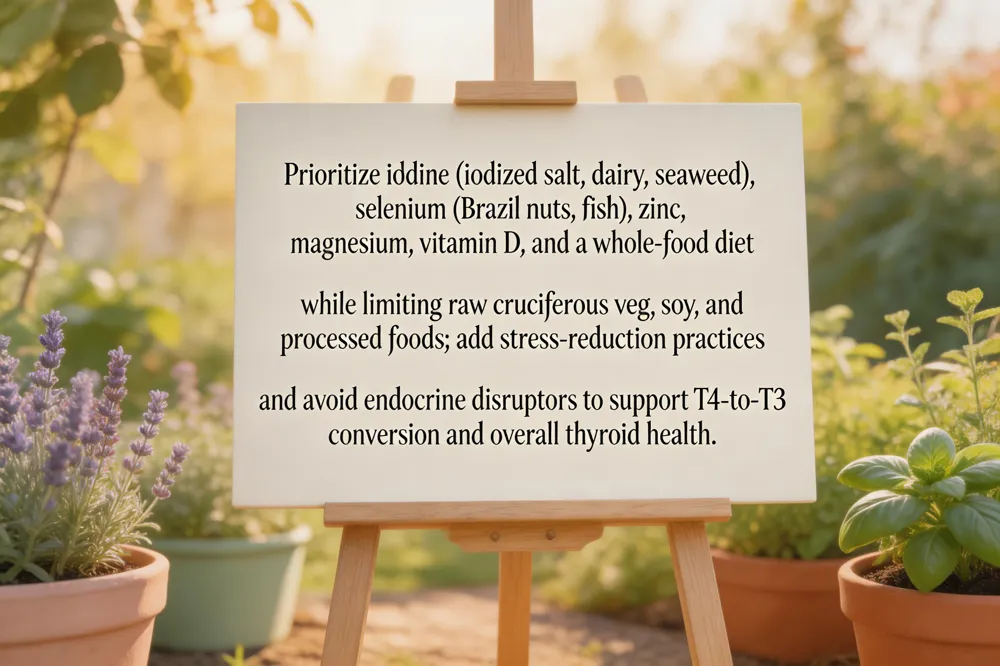 Adequate iodine intake and sources
Iodine is the building block of T4 and T3. Aim for ~150 µg daily from iodized salt, dairy, eggs, and seaweed (kelp, nori). If you have Hashimoto’s or a tendency toward hyperthyroidism, keep iodine moderate and avoid excessive kelp supplements.
Adequate iodine intake and sources
Iodine is the building block of T4 and T3. Aim for ~150 µg daily from iodized salt, dairy, eggs, and seaweed (kelp, nori). If you have Hashimoto’s or a tendency toward hyperthyroidism, keep iodine moderate and avoid excessive kelp supplements.
Selenium‑rich foods for T4‑to‑T3 conversion Selenium is a co‑factor for deiodinase enzymes that activate T4. Brazil nuts (1‑2 per day), tuna, turkey, and sunflower seeds provide the needed amount and also protect thyroid cells from oxidative damage.
Zinc, magnesium and vitamin D role Zinc (oysters, pumpkin seeds, beans) supports hormone synthesis; magnesium (leafy greens, almonds, whole grains) aids enzyme function; vitamin D receptors are present on thyroid cells, and adequate sunlight or supplementation helps regulate immune activity in autoimmune thyroid disease.
Whole‑food diet principles Emphasize vegetables, fruits, lean protein, healthy fats, and fiber‑rich foods. Limit raw cruciferous vegetables, soy, and heavily processed meals that can interfere with iodine uptake or increase inflammation. Balance meals to stabilise blood sugar and support adrenal health.
Stress management and endocrine‑disruptor avoidance Chronic stress elevates cortisol, suppressing TSH and diverting T4 to reverse‑T3. Incorporate mindfulness, gentle yoga, and adequate sleep (7‑9 hrs). Reduce exposure to BPA, phthalates, and other endocrine disruptors by choosing glass containers, fragrance‑free personal‑care products, and filtered water.
How to increase thyroid hormone naturally Combine the above nutrition with regular stress‑reduction practices, and work with a clinician to monitor nutrient levels and timing of levothyroxine (e.g., separate from calcium‑rich foods) for optimal absorption.
How to reduce thyroid level by food For over‑active thyroid, keep iodine modest, favour cooked cruciferous vegetables, and limit soy and high‑iodine foods. Maintain a balanced whole‑food diet, stay hydrated, and separate medication from high‑fiber, calcium, or iron meals to ensure proper drug absorption.
Stress, Cortisol, and Hypothyroidism
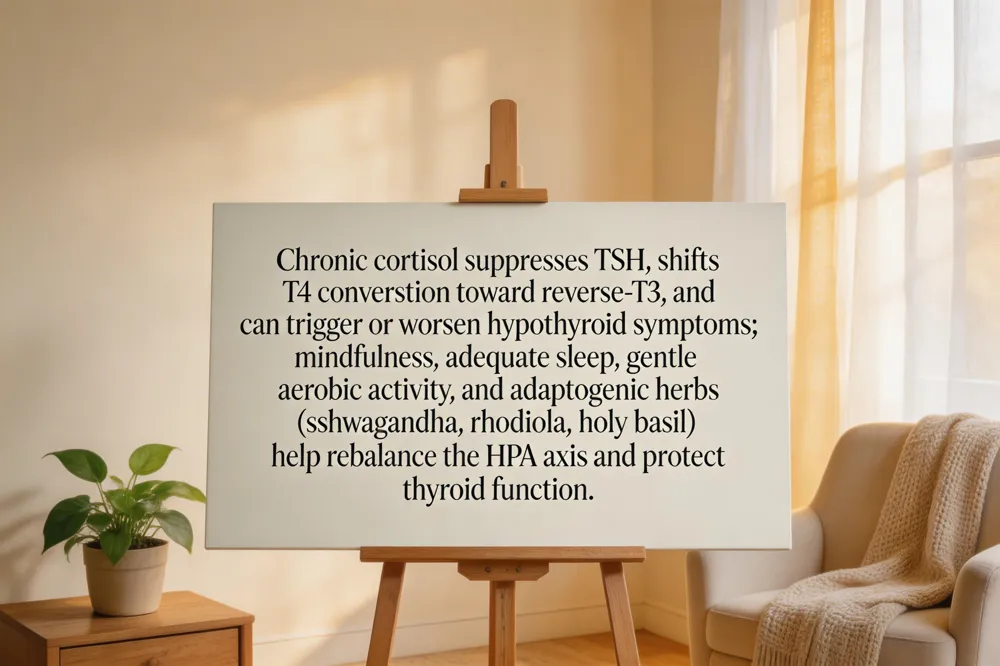 Chronic stress triggers the hypothalamic‑pituitary‑adrenal (HPA) axis, causing sustained cortisol release. Elevated cortisol can suppress thyroid‑stimulating hormone (TSH) and divert the conversion of T4 into the active hormone T3, often raising reverse T3. This hormonal shift produces classic hypothyroid symptoms—fatigue, weight gain, brain fog—even when labs appear normal. In women, stress‑related cortisol spikes also amplify inflammation and may precipitate autoimmune thyroid disease such as Hashimoto’s thyroiditis, a link documented in multiple case‑control and stress‑management studies.
Because stress can mimic or worsen hypothyroidism, addressing the HPA axis is a key therapeutic target. Mind‑body practices (mindfulness meditation, yoga, deep breathing) lower cortisol; adequate sleep (7–9 hours) stabilizes diurnal hormone rhythms; gentle aerobic exercise (walking, cycling) improves autonomic balance and HRV. Nutrient‑dense diets rich in iodine, selenium, zinc, and magnesium provide the cofactors needed for thyroid hormone synthesis and conversion.
Adjunctive adaptogenic herbs—ashwagandha, rhodiola, holy basil—help modulate cortisol, protect thyroid tissue from oxidative stress, and support the HPT axis, making them useful for women seeking a personalized, evidence‑based approach to thyroid wellness. Always coordinate herbs and adaptogens with a qualified health professional, especially when taking prescription thyroid medication.
Ginger: Benefits and Safety for Thyroid Health
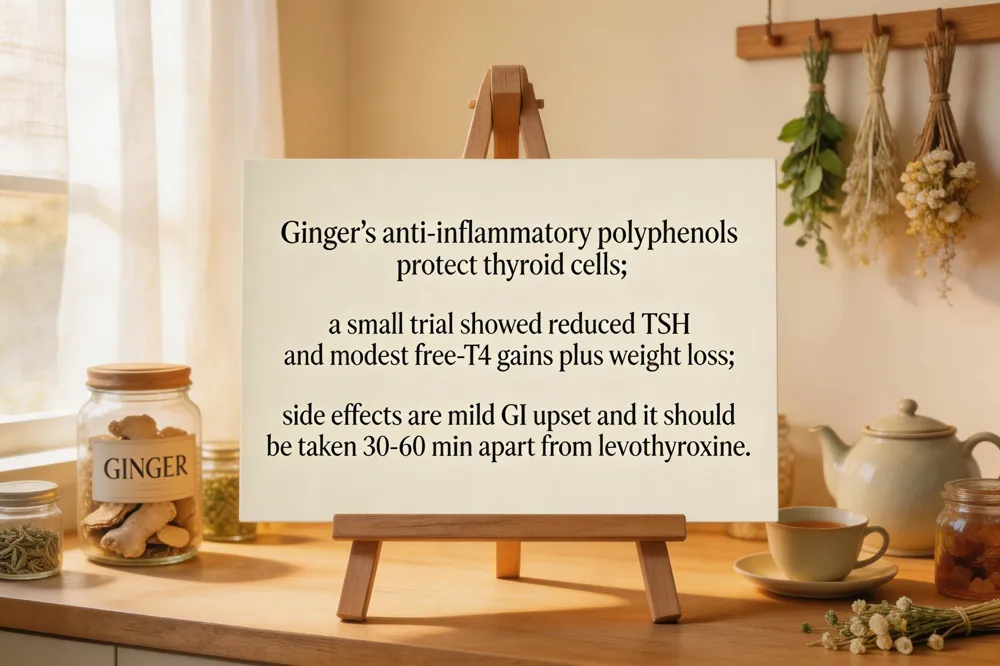 Ginger (Zingiber officinale) is rich in gingerol, shogaol and other polyphenols that act as strong anti‑inflammatory and antioxidant agents. By neutralizing free radicals, these compounds protect thyroid follicular cells from oxidative damage—a key factor in both hypothyroidism and autoimmune thyroiditis. A 2022 pilot randomized, double‑blind, placebo‑controlled trial involving adults with controlled primary hypothyroidism gave 500 mg of ginger powder twice daily for four weeks. Participants experienced reduced TSH, modest improvements in free T4, weight loss, lower cholesterol, and relief of classic hypothyroid symptoms such as cold intolerance and sluggish metabolism. While the study size was small, the findings support ginger’s role as a supportive adjunct. side effects are usually mild gastrointestinal upset, including heartburn, throat irritation, diarrhea or stomach discomfort, especially at higher doses or when taken on an empty stomach. Ginger does not chemically interact with levothyroxine, but because levothyroxine absorption is sensitive to timing, it is advisable to separate ginger (or any ginger‑rich meal) from the thyroid pill by at least 30–60 minutes. Consult with your healthcare provider before adding ginger to your regimen, particularly if you are pregnant, nursing, or on anticoagulants.
How Stress Influences Thyroid Testing and Medication
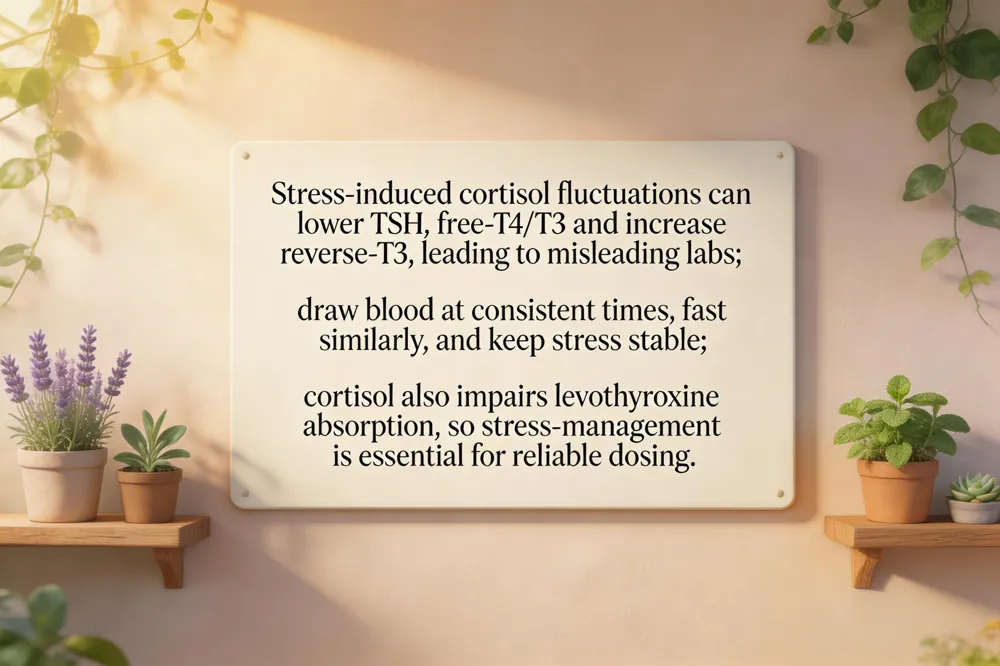 Stress triggers the hypothalamic‑pituitary‑adrenal (HPA) axis, raising cortisol. Elevated cortisol can suppress thyroid‑stimulating hormone (TSH) release and divert the conversion of T4 to reverse T3 instead of active T3, producing temporary falls in TSH, free T4, and free T3 levels (Association of stress and primary hypothyroidism; Healthline). Because these fluctuations reflect a stress‑induced state rather than a permanent thyroid defect, they may be mistaken for true dysfunction if labs are drawn during a stressful period.
Consistent testing conditions are essential: draw blood at the same time of day (typically morning), after a similar fasting window, and when stress levels are stable. This reduces variability caused by cortisol spikes and improves the reliability of TSH and free‑thyroid hormone measurements (Mayo Clinic; IFM.org).
Stress also affects levothyroxine absorption and efficacy. Cortisol‑driven gastrointestinal changes, altered gastric emptying, and increased inflammation can diminish drug uptake, while high cortisol can blunt peripheral conversion of T4 to T3, making the dose feel less effective (Paloma Health; Adaptogenic Herbs & Hashimoto’s). Patients may notice persistent fatigue, brain fog, or weight changes despite adherence to medication.
Practical recommendations for patients include: 1. Practice daily stress‑reduction techniques (deep breathing, mindfulness, gentle yoga) to keep cortisol in check. 2. Maintain a regular sleep schedule (7‑9 hours) and avoid late‑night screen use. 3. Take levothyroxine on an empty stomach, 30‑60 minutes before food or other supplements, and separate it from calcium, iron, or high‑fiber meals. 4. Schedule thyroid labs when you feel calm and have followed a consistent routine for at least a week. 5. Discuss any ongoing stressors with your clinician; adjunctive adaptogenic herbs such as ashwagandha or rhodiola may help modulate cortisol but should be introduced under medical supervision (U.S. integrative guidelines).
By managing stress and standardizing testing conditions, you can obtain more accurate thyroid labs and ensure your medication works as intended, supporting overall endocrine balance and well‑being.
Adaptogenic Herbs for Hashimoto’s and Autoimmune Thyroid
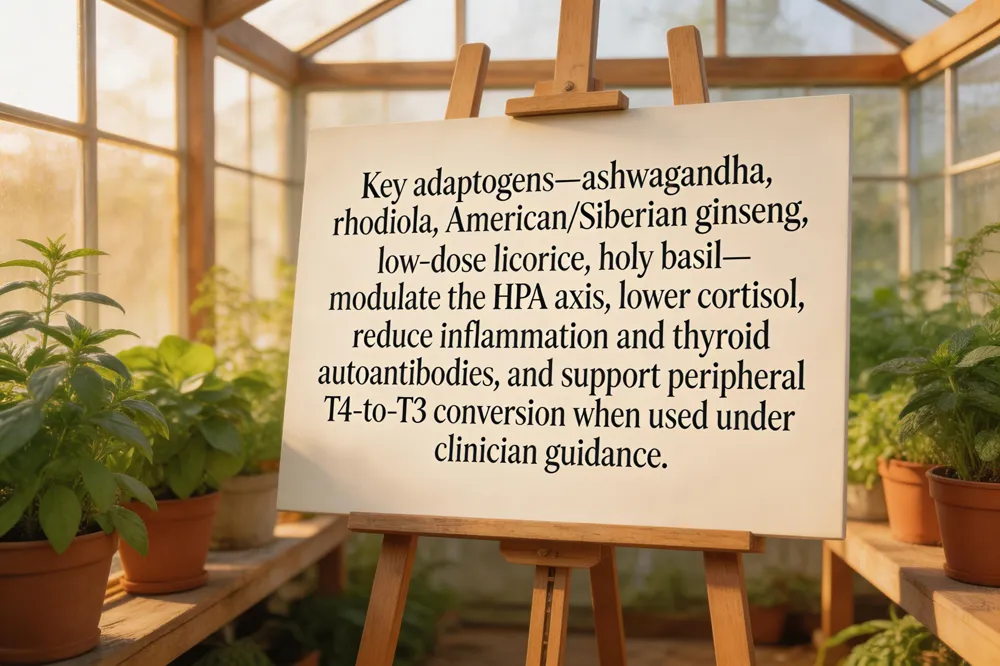 Evidence from recent U.S. and international studies points to a short list of adaptogens that consistently benefit women with Hashimoto’s. Ashwagandha (Withania somnifera) has been shown in multiple small trials to lower TSH, raise free T3/T4, and dampen stress‑related cortisol spikes, which can protect thyroid cells from autoimmune attack. Rhodiola rosea improves mitochondrial energy and reduces perceived fatigue, while also moderating the hypothalamic‑pituitary‑adrenal (HPA) axis. American or Siberian ginseng (Panax quinquefolium, Eleutherococcus senticosus) supports adrenal resilience and may aid peripheral conversion of T4 to T3. Licorice root can help balance low cortisol in adrenal insufficiency, but must be timed away from levothyroxine to avoid absorption issues. Holy basil (Ocimum sanctum) offers anti‑inflammatory and antioxidant effects that soothe the immune system.
Adaptogens work by normalizing HPA‑axis output, decreasing cortisol‑driven conversion of T4 to reverse‑T3 and reducing inflammatory cytokines that fuel thyroid autoantibodies. In women, careful dosing is essential—high doses of ashwagandha can theoretically over‑stimulate an already hyper‑responsive thyroid, and licorice may raise blood pressure. All herbs should be introduced under a clinician familiar with thyroid medication to prevent interactions and to adjust levothyroxine dosing if needed.
Best adaptogens for Hashimoto’s – Ashwagandha, Rhodiola, American ginseng, Licorice (low‑dose), and Holy basil.
Are adaptogens good for the thyroid? – Yes, when used judiciously they lower antibodies, curb inflammation, and support hormone balance, especially in autoimmune disease.
What is the best adaptogen for hypothyroidism? – Ashwagandha has the strongest clinical evidence for raising T3/T4 and reducing stress‑related thyroid suppression.
Integrating these herbs with conventional therapy—regular thyroid labs, adequate iodine/selenium, sleep, mindfulness, and moderate exercise—creates a personalized, evidence‑based plan that addresses both the endocrine and immune components of Hashimoto’s.
Balancing Thyroid and Cortisol: Lifestyle and Supplements
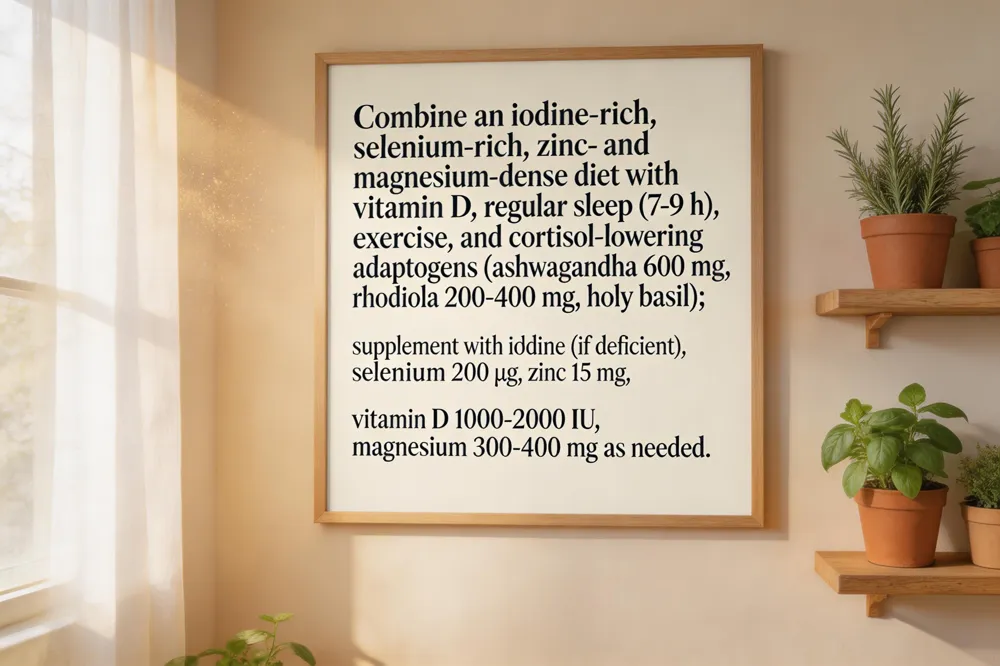 A nutrient‑dense diet is the cornerstone of thyroid‑adrenal harmony. Prioritize iodine‑rich seaweed, iodine‑fortified salt, and dairy, while adding selenium‑rich Brazil nuts, selenium, and magnesium, and vitamin magnesium, zinc, and zinc during vegetables, and vitamin D‑rich fatty fish or fortified dairy. These micronutrients support hormone synthesis, T4‑to‑T3 conversion, and immune balance, and they help blunt cortisol‑driven inflammation.
Sleep hygiene and moderate exercise work hand‑in‑hand with nutrition. Aim for 7‑9 hours of restorative sleep, limit blue‑light exposure before bedtime, and incorporate daily stress‑relief practices such as deep‑breathing, meditation, or gentle yoga. Regular moderate activity—walking, cycling, or light strength training—improves metabolic rate, stabilizes blood‑sugar, and moderates the hypothalamic‑pituitary‑adrenal (HPA) axis, reducing cortisol spikes that can suppress thyroid function.
Adaptogenic supplements that lower cortisol include ashwagandha (600‑mg extract daily), rhodiola (200‑400 mg early in the day), holy basil (Tulsi), and Siberian ginseng (eleuthero). These herbs modulate the HPA axis, decrease perceived stress, and indirectly support thyroid hormone conversion. When combined with the micronutrient synergy described above, they can help restore autonomic balance.
How to balance thyroid and cortisol – Stabilize blood‑sugar, eat a whole‑food diet rich in iodine, selenium, zinc, vitamin D, and magnesium, engage in moderate exercise, practice daily stress‑reduction techniques, and secure 7‑9 hours of sleep each night. Regular lab monitoring with a functional‑medicine practitioner ensures the plan stays individualized and safe.
Supplements to improve thyroid function – In addition to a balanced diet, consider iodine (if deficient), selenium (200 µg/day), zinc (15 mg/day), vitamin D (1000‑2000 IU/day), and magnesium (300‑400 mg/day). Adaptogenic herbs such as ashwandha, rhodiola, and holy basil can further lower cortisol and support thyroid health. Always choose reputable brands, follow recommended dosages, and consult a qualified clinician before adding new supplements, especially when on prescription thyroid medication.
Managing Thyroid Medication and Herb Interactions
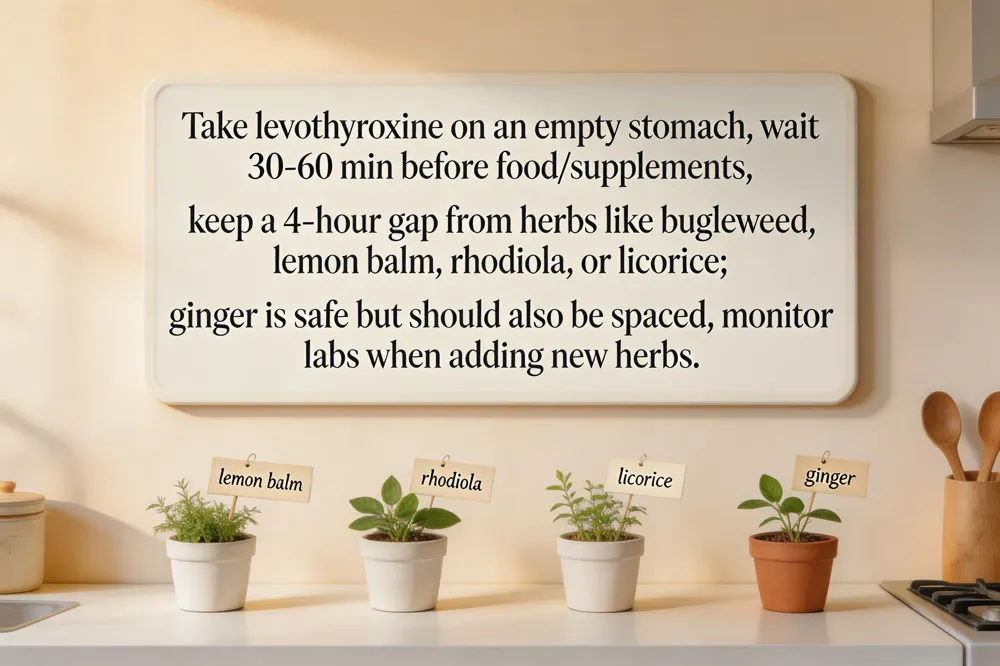 Thyroid hormone replacement, most often levothyroxine, must be taken on an empty stomach and spaced at least 30–60 minutes from food, supplements, or herbs that could affect absorption. Herbs such as bugleweed (Lycopus spp.) and lemon balm (Melissa officinalis) have been reported to blunt the effect of synthetic thyroid hormones, so they should be avoided or used only under a clinician’s guidance. Rhodiola rosea can influence cortisol and adrenal balance, and when taken too close to levothyroxine it may interfere with the hormone’s precise dosing; experts advise a minimum four‑hour gap and more frequent thyroid labs if you decide to add rhodiola. Ginger, by contrast, shows no direct chemical clash with levothyroxine, but because it is often consumed with meals, taking it together with your pill could delay absorption—best to separate ginger intake by at least half an hour. Practical scheduling: morning levothyroxine on an empty stomach, wait 30‑60 minutes, then enjoy tea, spice, or supplements; keep adaptogens at least four hours apart and monitor thyroid labs regularly. Always discuss any new herb or supplement with your healthcare provider to ensure safe, personalized thyroid care.
Holistic Approaches to Thyroid Detox and Support
 How to detox your thyroid naturally
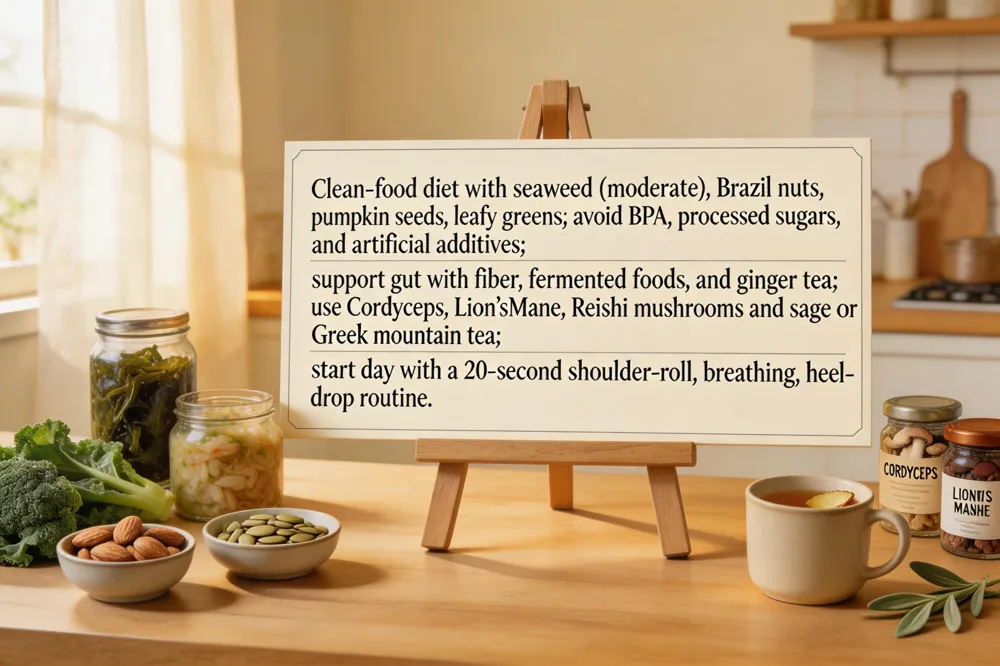
A clean‑food diet rich in fresh fruits, vegetables, legumes, nuts, whole grains, high‑quality protein and healthy fats supplies the micronutrients thyroid needs. Include seaweed (kelp) in moderation, selenium‑rich Brazil nuts, zinc‑rich pumpkin seeds and magnesium‑rich leafy greens to aid T4‑to‑T3 conversion. Cut processed foods, added sugars and artificial additives, and avoid BPA‑containing plastics by using glass or stainless‑steel containers. Support gut health with fiber‑rich foods, fermented probiotics, and occasional ginger or lemon‑balm tea to modulate inflammation. Manage stress, get adequate sleep, and stay active—yoga, meditation or gentle walking keep the HPA‑HPT axis balanced.
How to detox your thyroid naturally
A clean‑food diet rich in fresh fruits, vegetables, legumes, nuts, whole grains, high‑quality protein and healthy fats supplies the micronutrients thyroid needs. Include seaweed (kelp) in moderation, selenium‑rich Brazil nuts, zinc‑rich pumpkin seeds and magnesium‑rich leafy greens to aid T4‑to‑T3 conversion. Cut processed foods, added sugars and artificial additives, and avoid BPA‑containing plastics by using glass or stainless‑steel containers. Support gut health with fiber‑rich foods, fermented probiotics, and occasional ginger or lemon‑balm tea to modulate inflammation. Manage stress, get adequate sleep, and stay active—yoga, meditation or gentle walking keep the HPA‑HPT axis balanced.
Best mushroom for thyroid health Cordyceps is most directly linked to thyroid support, showing lowered TSH and reduced autoantibodies in Hashimoto’s and Graves’ studies. Lion’s Mane adds anti‑inflammatory and neuroprotective benefits that help counter stress‑related hormone swings, while Reishi offers immunomodulatory and calming effects useful for autoimmune thyroid conditions. A daily high‑quality Cordyceps supplement—alone or combined with Lion’s Mane and Reishi—provides a comprehensive natural strategy.
Which tea is best for thyroid health Sage tea (Salvia officinalis) is frequently cited as the most supportive, with regular consumption lowering thyroid‑disease risk. Greek mountain tea (Sideritis) helps with memory fog and mood, chamomile eases digestive discomfort, and St. John’s wort may improve mood but requires caution due to drug interactions. Choose teas that match your symptoms and discuss with a healthcare provider, especially if you take levothyroxine.
What is the 20‑second thyroid morning protocol? A quick routine includes slow shoulder rolls, deep nasal breathing, and gentle heel drops. These movements relax muscles, reduce morning cortisol spikes, and improve circulation, supporting thyroid function for the day ahead.
Women’s Thyroid Health: Hormonal Balance and Stress
Thyroid‑Related Anxiety
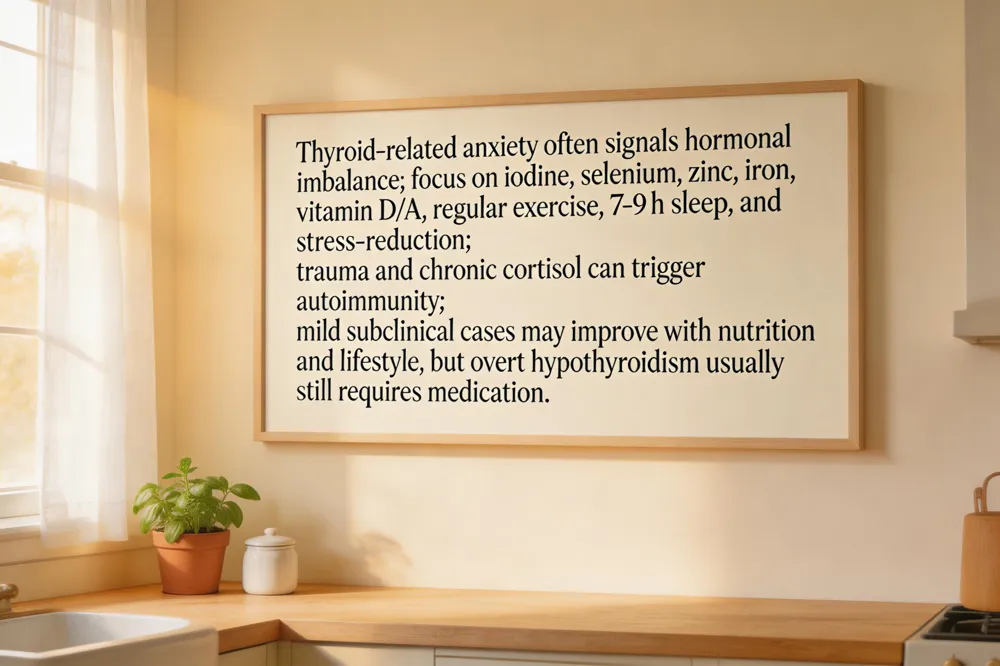
Both hyper‑ and hypothyroidism can provoke anxiety. Excess T4/T3 in hyperthyroidism accelerates metabolism, causing nervousness, rapid heart rate and panic‑like symptoms. Even low‑functioning thyroids disrupt neurotransmitters, leading to anxiety alongside depression. Because mood shifts often accompany weight changes, temperature sensitivity, menstrual irregularities or fatigue, a thyroid panel should be checked when new anxiety appears. Proper medical treatment typically eases these emotional symptoms.
Controlling Thyroid Health in Women
A nutrient‑dense diet is foundational: iodine from seaweed or dairy, selenium from Brazil nuts, zinc, iron, vitamin D and A support hormone synthesis and immune balance. Pair this with regular exercise, 7‑9 hours sleep, and stress‑reduction practices (yoga, meditation) that stabilize cortisol. Avoid excessive iodine, processed foods, and endocrine‑disruptors. Routine thyroid testing with a qualified clinician allows timely adjustments.
Stress and Hyperthyroidism
Chronic emotional stress elevates cortisol, disrupting the HPT axis and sometimes precipitating excess T4, especially in Graves’ disease. Women are especially vulnerable to stress‑triggered hyperthyroid flares. Integrative strategies—mindfulness, adequate sleep, balanced nutrition, and adaptogenic herbs such as ashwagandha, rhodiola, or holy basil—help lower cortisol and support adrenal health, complementing conventional antithyroid therapy.
Emotional Trauma as a Trigger
Trauma keeps the HPA axis over‑active, increasing cortisol and inflammatory cytokines that can trigger or worsen autoimmune thyroid disease. While not the sole cause, trauma amplifies genetic and environmental risks. Counseling, stress‑rebuilding techniques, and mind‑body practices can mitigate this impact.
Can Hypothyroidism Be Reversed Without Medication?
Overt hypothyroidism usually requires levothyroxine. However, subclinical or mild cases may improve when underlying contributors—iodine deficiency, medication effects, or a temporary autoimmune flare—are addressed through nutrition, stress reduction, selenium, zinc, and vitamin D. Regular monitoring is essential; if hormone levels fall, medication remains necessary. A holistic, lifestyle‑focused approach can reduce medication dependence for many women.
Personal Journey and Practical Protocols for Thyroid Wellness
 How I healed my hypothyroidism
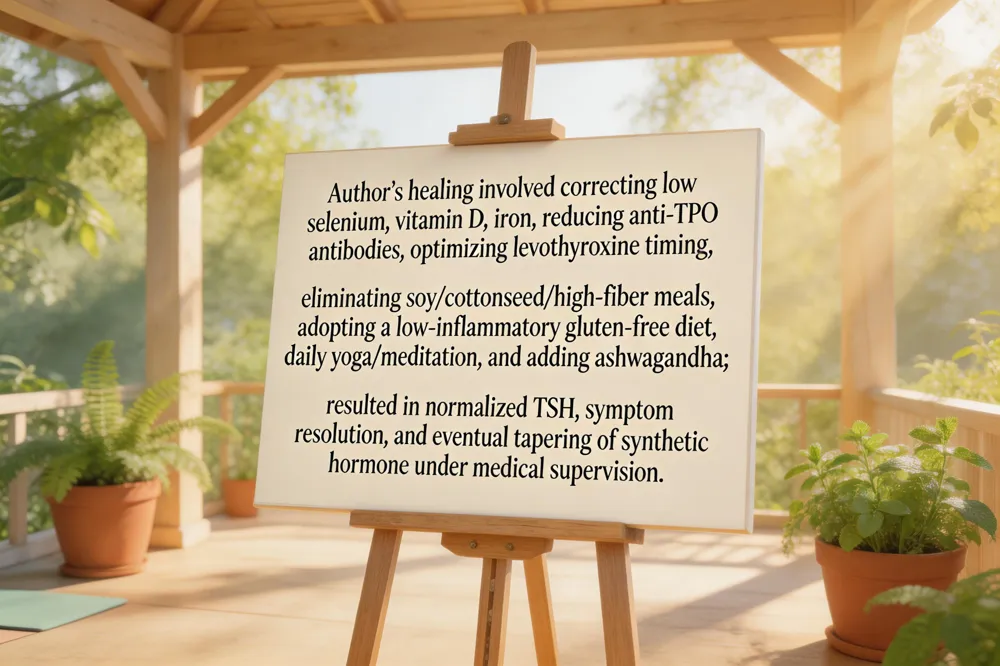
I began with a functional lab panel that revealed low selenium, vitamin D, and iron, plus elevated anti‑TPO antibodies. Targeted supplementation restored these micronutrients, while I switched my levothyroxine to an empty‑stomach schedule and removed soy, cottonseed, and high‑fiber meals that hinder absorption. A low‑inflammatory, gluten‑free diet rich in vegetables, healthy fats, and fermented foods supported gut health and reduced autoimmune activity. Daily stress‑relief practices—yoga, meditation, 7‑9 hours of sleep—lowered cortisol, which helped improve T4‑to‑T3 conversion. Within six months my symptoms resolved, TSH normalized, and under physician supervision I tapered off the synthetic hormone, maintaining balance through lifestyle and nutrition.
Best herb for thyroid support
Ashwagandha (Withania somnifera) stands out as the most supportive adaptogen. Clinical trials show it can lower TSH, increase free T4/T3, and reduce cortisol, thereby easing fatigue, weight gain, and cold intolerance. For autoimmune thyroiditis, pairing Ashwagandha with anti‑inflammatory herbs such as ginger or turmeric may further protect thyroid tissue. Herbs should complement, not replace, prescribed medication, and dosing must be individualized with professional guidance.
How to cure hypothyroidism permanently
True permanent cure is rare; hypothyroidism often requires lifelong management. Levothyroxine provides reliable hormone replacement, while a holistic plan—adequate iodine, selenium, vitamin D, stress‑reduction, and targeted herbs—can lower inflammation and medication needs. Regular monitoring of TSH, free‑T4, and antibodies, combined with dietary adjustments and adaptogenic support, offers sustainable symptom relief and optimal thyroid health.
Integrating Adaptogens into a Holistic Thyroid Care Plan
Chronic stress, poor diet, and hormonal imbalance often converge to worsen thyroid function, especially in women. Research consistently shows that elevated cortisol from a hyper‑active HPA axis can suppress TSH, block T4‑to‑T3 conversion, and amplify autoimmune activity. A nutrient‑dense diet rich in iodine, selenium, zinc, magnesium, and vitamin D provides the essential cofactors for hormone synthesis and conversion, while anti‑inflammatory foods (berries, leafy greens, omega‑3‑rich fish) help protect thyroid tissue from oxidative damage.
Adaptogenic herbs such as ashwagandha, rhodiola, holy basil, and schisandra have been demonstrated in clinical and animal studies to lower cortisol, modulate the HPA axis, and modestly improve T3/T4 levels. Herbs like black cumin (Nigella sativa) and ginger also offer antioxidant support and may reduce thyroid antibodies in Hashimoto’s thyroiditis.
Because herb‑drug interactions, dosage nuances, and individual health status vary, a qualified healthcare professional should supervise any supplement regimen. Personalized protocols—combining stress‑reduction techniques (mindfulness, yoga, adequate sleep), targeted nutrition, and evidence‑based adaptogen dosing—yield the safest and most effective outcomes for thyroid health.