A New Chapter: Understanding Menopause and Stress
Menopause is a natural biological transition marked by a decline in estrogen and progesterone production. Approximately 47 million women worldwide reach menopause each year, and an AARP survey found that 75% of women ages 40–89 say menopause symptoms interfere with their lives (AARP Research, fielded 2018; published 2025).
Common symptoms—such as hot flashes, night sweats, mood swings, fatigue, sleep disturbances, and brain fog—stem from the body adjusting to lower hormone levels. Complementary and Alternative Medicine for Menopause notes that more than 85% of women experience problematic symptoms during this transition.
The hormonal flux of perimenopause acts as a chronic stressor on the central nervous system and adrenal glands, making cortisol harder to regulate and stress feel more intense. Adaptogens, a class of herbal medicines that interact with the hypothalamic-pituitary-adrenal (HPA) axis, offer a supportive tool for restoring balance naturally. At harmony.care, we incorporate these evidence-informed botanicals into personalized wellness plans to help women navigate this transition with greater ease.
What Are Adaptogens and How Do They Work?
Adaptogens are a class of natural substances—herbs, roots, and mushrooms—that help the body adapt to stress and restore balance. Common examples include ashwagandha, rhodiola, maca root, holy basil, and reishi mushroom. They are not drugs; in the United States they are classified as dietary supplements and are not subject to FDA approval for safety or efficacy.
These plants work primarily by interacting with the hypothalamic-pituitary-adrenal (HPA) axis, the neuroendocrine system that controls the body's stress response. By helping to regulate cortisol levels, adaptogens can reduce the impact of physical, emotional, and hormonal stress. Rather than stimulating or suppressing a single pathway, they support the body's return to a stable state, known as homeostasis.
Three Classification Criteria
For a plant to be classified as an adaptogen, it must meet three criteria: It must be non-toxic at normal doses, help the body cope with a broad range of physical, chemical, or biological stressors, and have a normalizing effect—calming an overactive system or gently stimulating an underactive one. These principles, drawn from traditional medicine, are increasingly supported by Western research.
Adaptogens have been used for centuries in Ayurveda and Traditional Chinese Medicine. Today, a growing body of research, including studies from institutions like the University of California, Los Angeles, is examining their role in managing stress, fatigue, and hormonal shifts during the menopause transition.
When considering adaptogens, safety is a top priority. Because supplements are not tightly regulated, it is important to choose products from reputable brands that undergo third-party testing. Consulting a healthcare provider before adding adaptogens to a routine helps ensure they are appropriate for your individual health needs and current medications.
Ashwagandha: A Powerhouse for Stress and Hormonal Balance
 Ashwagandha (Withania somnifera) is one of the most studied adaptogens for stress resilience and hormonal balance during menopause. It works by modulating the hypothalamic-pituitary-adrenal (HPA) axis, the body's central stress response system, and by mimicking the calming neurotransmitter GABA.
This dual action helps lower elevated cortisol levels, reduce anxiety, and improve sleep quality. Additionally, ashwagandha exhibits mild estrogenic activity that may help reduce the frequency of hot flashes. For women experiencing a drop in libido, clinical trials suggest that taking ashwagandha alongside another adaptogen, Shatavari, may help improve sexual function and overall quality of life.
The standard dosage is 300 mg to 600 mg of a standardized root extract such as KSM-66, taken daily in the evening or one to two hours before bed. Because ashwagandha can stimulate thyroid hormone production, it is contraindicated in hyperthyroidism and should be used with caution in autoimmune conditions or by those on thyroid medication.
Quality matters greatly with ashwagandha supplements. ConsumerLab.com found that only 56% of products tested contained the proper amount of active ingredients. harmony.care takes a patient-centered approach by guiding women toward high-quality, third-party tested adaptogens as part of a personalized functional medicine plan.
Rhodiola Rosea: Combatting Fatigue and Brain Fog
Rhodiola rosea, often called golden root, offers targeted support for two of the most disruptive menopause symptoms: persistent fatigue and brain fog. While the drop in estrogen acts as a chronic stressor on the nervous system, Rhodiola works on a cellular level to restore energy and mental clarity.
The herb enhances the availability of serotonin, dopamine, and norepinephrine in the brain while also improving cellular energy (ATP) production. This dual action helps combat the physical and mental burnout that surveys show is the most commonly reported perimenopause symptom among women over 35.
Rhodiola also acts as a selective estrogen reuptake modulator (SERM), helping the estrogen your body still produces work more effectively. For women in perimenopause with fluctuating hormones, this mechanism can stabilize mood by keeping receptors sensitive without overstimulation, as explained by researcher Dr. Stacy Sims.
The standard dosage is 100 mg to 300 mg of a standardized extract containing 3% rosavins and 1% salidroside daily. Due to its stimulating effect, it is best taken with breakfast or lunch to avoid disrupting sleep.
Safety is a priority with this adaptogen. Rhodiola is contraindicated for individuals with bipolar disorder, as it may trigger manic episodes. It can also interact with SSRIs or other antidepressants, carrying a risk of serotonin syndrome. As with any herbal supplement, it is essential to check with a healthcare provider before adding Rhodiola to your routine.
Maca Root and Holy Basil: Endocrine and Emotional Allies
 While adaptogens like ashwagandha and rhodiola address the stress response directly, others target specific aspects of hormonal balance and emotional well-being. Two of the most effective for menopausal women are Maca Root (Lepidium meyenii) and Holy Basil (Ocimum sanctum, also known as Tulsi). Together, they offer complementary support for endocrine function and mood stability, providing a natural, evidence-based approach to common menopause symptoms.
Maca Root: An Endocrine Adaptogen for Libido and Vitality
Maca root is classified as an endocrine adaptogen, meaning it supports the pituitary gland and hypothalamus — the brain's master controllers — to optimize the body's own hormone production. This makes it particularly valuable for improving libido and combating vaginal dryness, two of the most frequently reported yet under-discussed menopause symptoms. A randomized, double-blind, placebo-controlled study found that maca significantly improved sexual function and reduced anxiety and depression in postmenopausal women, without affecting their estrogen levels.
The standard dosage is 1,500 to 3,000 mg of gelatinized maca powder daily, taken in the morning or early afternoon due to its gentle energy-boosting effects. Because maca may interact with hormonal pathways, women with active estrogen-receptor-positive breast, uterine, or ovarian cancer should consult their oncologist before use.
Holy Basil: Calming the Stress Response and Supporting Metabolism
Holy Basil works primarily by lowering elevated cortisol levels, acting as a mild anti-inflammatory, and stabilizing blood sugar. These actions are especially beneficial during perimenopause, when the drop in estrogen can amplify the body's stress response and lead to emotional volatility and stress-related weight gain. A 2017 clinical review confirmed that holy basil appears to be an effective adaptogen for managing psychological stress, metabolic syndrome, and blood sugar regulation.
It is available as a 300 to 600 mg standardized extract daily or as 1 to 2 cups of Tulsi tea, which can be taken at any time. Holy Basil may slow blood clotting, so it should be stopped at least two weeks before any scheduled surgery. Additionally, women actively trying to conceive should be aware that high doses may have a mild antifertility effect, making it less suitable during that specific phase of life.
Maca Root. Endocrine adaptogen supporting the pituitary and hypothalamus. Improves libido, vaginal dryness, and mood. Dosage: 1,500–3,000 mg gelatinized powder daily, morning or early afternoon. Safety: avoid in estrogen-receptor-positive cancers without oncology approval.
Holy Basil (Tulsi). Lowers cortisol, acts as an anti-inflammatory, stabilizes blood sugar, and supports emotional resilience. Dosage: 300–600 mg extract or 1–2 cups tea daily. Safety: stop two weeks before surgery; avoid high doses if trying to conceive.
For those integrating adaptogens into a broader wellness strategy, harmony.care's Integrative Care Protocols for Reducing Menopausal Hot Flashes offer personalized guidance on combining these botanicals with lifestyle changes for sustained relief.
Black Cohosh, Reishi, and Schisandra: Targeting Hot Flashes and Sleep
Black Cohosh, Reishi, and Schisandra: Targeting Hot Flashes and Sleep
For many women, the most disruptive menopause symptoms are hot flashes and poor sleep. While adaptogens like ashwagandha address the stress response broadly, others such as black cohosh, reishi mushroom, and schisandra focus more directly on temperature regulation, sleep quality, and cognitive clarity.
Black Cohosh. Acts as a central nervous system modulator, interacting with serotonin, dopamine, and opiate receptors to help regulate the body's thermostat. The standard dosage is 20–40 mg of a standardized extract twice daily. Importantly, black cohosh does not significantly alter systemic estrogen levels. Women with pre-existing liver disease or those consuming high amounts of alcohol should avoid it due to rare reports of liver toxicity.
Reishi Mushroom. Known as a calming adaptogen with immune-modulating and sleep-promoting properties. It helps regulate the HPA axis and reduce cortisol. Some studies have reported that reishi exhibits estrogen-like activity, suggesting it may support hormonal balance without direct hormone replacement. This makes it a valuable option for supporting restful sleep during menopause.
Schisandra. A stimulating adaptogen (also known as Magnolia berry) that enhances cognition, concentration, and endurance. It can be an effective substitute for caffeine, helping to avoid the 'tired but wired' feeling. The smallest effective dose is 500 mg to 2 g of extract daily. Schisandra has been shown in clinical studies to improve cognitive function, attention, and accuracy in stressed adults, and it may also help reduce hot flashes.
At harmony.care, practitioners work with patients to identify which of these targeted botanicals align best with their specific symptom profile. By personalizing these tools, providers help women navigate the emotional and physical demands of the menopause transition with greater ease, ensuring safe and effective integration into a broader care plan.
Integrating Adaptogens with Lifestyle and Diet
Adaptogens are most effective when seen as one component of a broader strategy. A functional medicine approach looks at the whole person, aiming to identify root causes of symptoms rather than just masking them. This perspective is central to the care model at harmony.care, which pairs adaptogen recommendations with personalized lifestyle and diet plans.
Core Lifestyle Interventions
Stress Management. Chronic stress elevates cortisol, which can worsen weight gain, anxiety, and sleep disruption during menopause. Practices like mindfulness, yoga, and paced respiration help dampen the stress response, allowing adaptogens to work more effectively.
Sleep Hygiene. Restoring circadian rhythm is a priority. A consistent sleep schedule, a cool dark room, and limiting caffeine after noon support the body's natural repair processes. Adaptogens like ashwagandha taken in the evening can complement these habits.
Exercise. A combination of cardio and strength training helps maintain bone density, manage weight, and improve mood. The functional medicine view recommends morning cardio on an empty stomach to support metabolic health, while evening activities should focus on relaxation.
Dietary Foundations
Nutrition plays a foundational role. The Mediterranean diet is widely recommended for its anti-inflammatory and heart-healthy properties. Incorporating cruciferous vegetables like broccoli and cabbage aids liver detoxification, which is vital for processing spent hormones.
Phytoestrogens from soy and flaxseed can offer mild estrogenic effects that may help stabilize hormone fluctuations. Omega-3 fatty acids from fish support mood and reduce the frequency of hot flashes. harmony.care providers often begin with a 'detox diet' to help eliminate endocrine disruptors before introducing specific supplements.
Foundational Supplements and Gut Health
Before layering in adaptogens, a functional approach addresses core nutritional gaps. Vitamin D (taken with food), magnesium (for sleep and muscle relaxation), and B vitamins are frequently recommended to replenish common depletions. Restoring the gut microbiome through a diet rich in prebiotic and probiotic foods—fresh fruits, vegetables, and fermented items—is prioritized, as a healthy gut is essential for absorbing nutrients and supporting immune function.
At harmony.care, patients receive a personalized plan that weaves together these elements—targeted nutrition, foundational supplements, lifestyle habits, and adaptogens—to address questions like which herbs may help with menopause belly fat or how to age well without hormone therapy. The result is a sustainable, whole-person strategy for navigating menopause with resilience.
Safety, Quality, and How to Choose Adaptogens
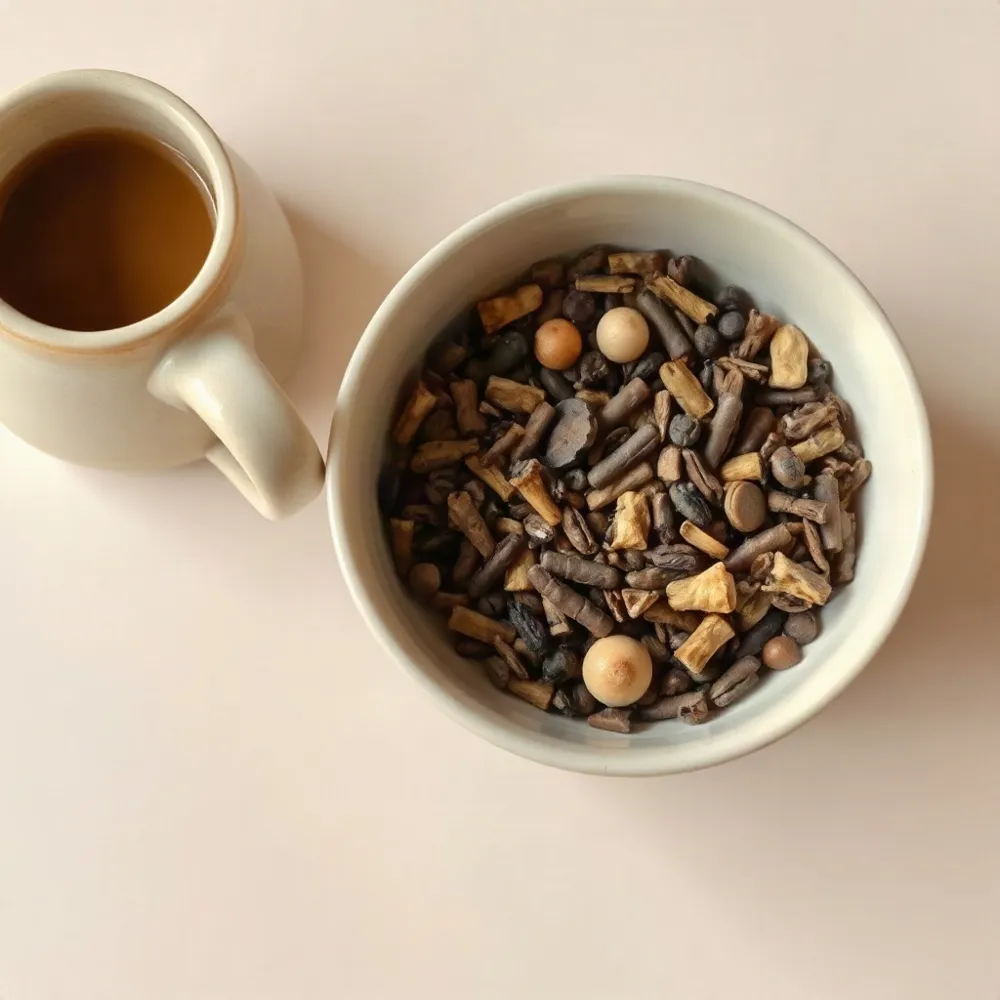 The adaptogen market is largely unregulated by the FDA, meaning product potency and ingredient quality vary widely by brand. One review by ConsumerLab.com found that only 56% of ashwagandha supplements tested contained the proper amount of active ingredients. Choosing a product that carries a seal from a third-party testing organization such as USP, NSF, or ConsumerLabs offers a layer of quality assurance.
When incorporating adaptogens, follow a “start low, go slow” approach. Begin with one adaptogen at its lowest effective dose to observe how your body responds. Healthcare providers often recommend cycling adaptogens (for example, taking them for six to eight weeks followed by a one-week break) to help prevent your system from building a tolerance.
Consulting a healthcare provider before starting any new supplement is important, particularly if you take prescription medications or manage a chronic condition. Certain adaptogens have known interactions: ashwagandha can affect thyroid hormone production and is generally not advised for those with hyperthyroidism or on thyroid medication, while Rhodiola rosea may interact with SSRIs or other antidepressants, raising the risk of serotonin syndrome.
A Holistic Path Through Menopause
Adaptogens are valuable tools, but they work best as part of a broader, patient-centered strategy that honors the whole person. They support the body's natural ability to adapt to stress and restore balance—they are not a replacement for medical care or healthy lifestyle habits.
A holistic approach combines targeted adaptogen use with foundational pillars: a nutrient-dense diet, regular movement, quality sleep, stress management practices, and, when appropriate, guidance from a qualified naturopath or functional medicine practitioner. This framework empowers you to take an active role in your health journey, addressing symptoms at their root rather than masking them.
Menopause is a natural transition—not a condition to be treated. With the right support, it can be navigated with grace and resilience. By integrating adaptogens mindfully and working with a knowledgeable practitioner, you can build a personalized plan that supports your body through this change and into vibrant health beyond.