Understanding DHEA and Its Place in Men’s Health
DHEA is a steroid hormone made mostly by the adrenal glands, with smaller contributions from the testes and brain. Levels rise in early adulthood and then fall steadily—by the time a man reaches his 60s, circulating DHEA may be only 10‑20 % of its youthful peak. Because DHEA serves as a biochemical precursor, the body can convert it into testosterone and estrogen, which influence energy, mood, bone density and sexual function. Synthetic DHEA is sold over the counter in tablets, capsules, powders, creams and gels, typically in 25‑50 mg doses. Before starting, men should assess baseline hormone levels, verify product purity, consider contraindications (e.g., prostate cancer, liver disease), and discuss potential drug interactions with a qualified healthcare professional.
Timing Dosing: Why Night‑time May Be Ideal
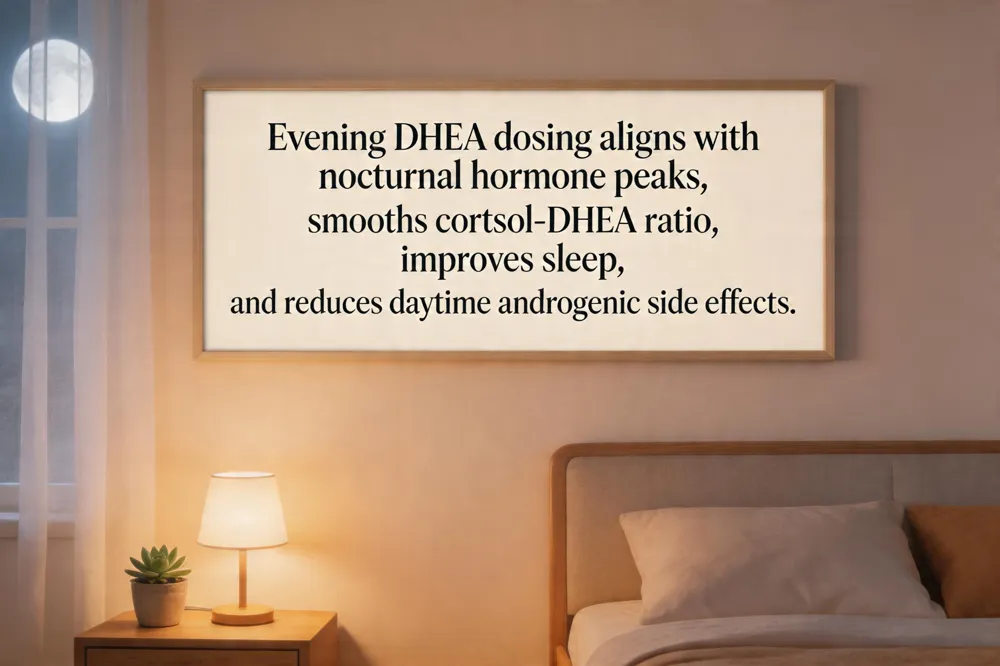 DHEA follows a natural diurnal pattern that peaks in the early morning and falls throughout the day, mirroring cortisol’s rhythm. Taking the supplement in the evening can help smooth the cortisol‑DHEA ratio during the night, reducing stress‑related cortisol spikes that interfere with sleep and allowing melatonin to act more effectively. An evening dose taken with a light meal improves gastrointestinal absorption without the breakfast‑related stomach upset that some people experience. For women who use the FDA‑approved prescription vaginal insert (Intrarosa), the regimen is a 6.5 mg insert placed at bedtime each night, delivering DHEA directly to the genital tissues while supporting overnight hormonal recovery. Typical oral dosing for adults ranges from 25 mg to 50 mg per day; clinicians often recommend the dose be taken before sleep to align with the body’s nocturnal hormone surge and to minimize daytime androgenic side effects such as acne. Higher doses (>75 mg) are reserved for short‑term, medically supervised use because they increase the risk of estrogen‑ or testosterone‑related adverse events. Always discuss timing and dose with a qualified healthcare professional, especially if you have hormone‑sensitive conditions or are on other medications.
Potential Advantages of DHEA for Men
 Hormonal balance restoration
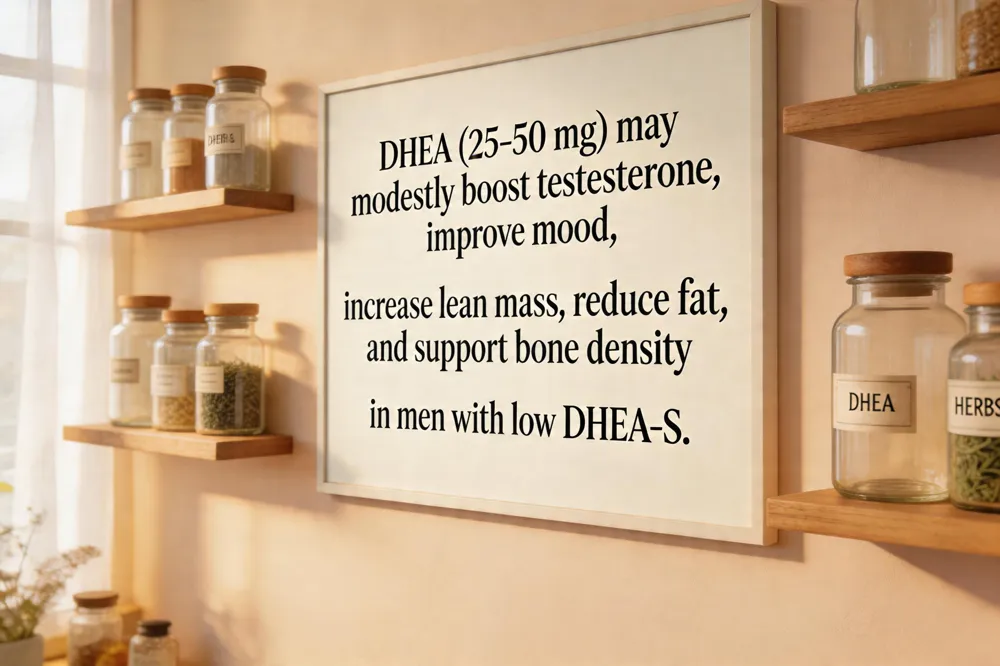
DHEA is a natural adrenal hormone that declines by up to 80 % after the 20s. Supplementing 25–50 mg daily can modestly raise circulating DHEA‑S, providing more substrate for the body to synthesize testosterone and estrogen. For men with documented low DHEA‑S, this may help re‑establish a healthier hormonal milieu, supporting energy, libido, and overall vitality.
Mood and depressive symptom improvement
Low DHEA levels have been linked to depressive symptoms. Small, low‑quality trials report that men with low baseline DHEA experience modest mood lifts and reduced depressive scores when taking [30–50 mg of DHEA for 8 weeks. While not a first‑line therapy, DHEA can be a complementary option when mood changes accompany adrenal decline.
Lean body mass and body‑fat modulation
A meta‑analysis of adult studies noted a slight increase in lean body mass and a reduction in fat mass with daily DHEA (≤50 mg). The evidence does not consistently translate into greater muscle strength, suggesting that any body‑composition benefit is modest and likely most noticeable when combined with resistance training and proper nutrition.
Bone health and muscle strength insights
In older men, 12‑month DHEA supplementation (25–50 mg) has shown small gains in bone mineral density at the lumbar spine and hip, offering a potential adjunct to calcium and vitamin D for osteoporosis prevention. However, most trials report no meaningful improvement in muscle strength, indicating that DHEA alone is insufficient for performance enhancement.
Key Q&A
- What are the advantages of taking DHEA? DHEA may help restore age‑related hormonal decline, modestly improve mood, support bone density, and aid modest body‑composition changes, though benefits are modest and should be pursued under medical supervision.
- DHEA supplement benefits – Quality DHEA can improve depressive symptoms, alleviate age‑related skin thinning, and, in specific cases, boost libido and bone health, but evidence for significant muscle gains or weight loss remains limited.
Bottom line: For men with low DHEA levels and mild symptoms, a cautious, short‑term trial (≤50 mg/day, up to 2 years) under clinician guidance may provide modest advantages, while monitoring for side effects such as acne, mood shifts, or hormone‑sensitive cancer risk.
Female‑Specific Considerations and Safety
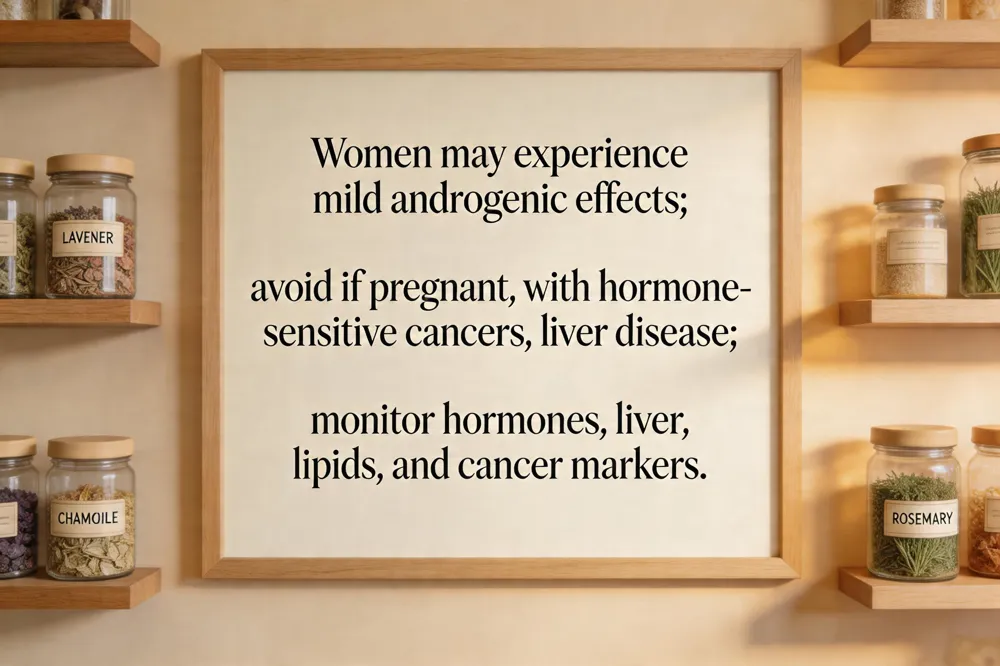 When women consider DHEA, the most common androgenic side effects are mild and reversible: oily skin, acne, hair thinning, and unwanted facial or body hair (hirsutism). Some women also report menstrual irregularities, mood swings, or occasional headaches. Less frequent but more serious concerns include changes in liver enzymes, lowered HDL cholesterol, and a potential rise in hormone‑sensitive cancers such as breast or ovarian cancer. Because DHEA is a precursor to estrogen and testosterone, it should be avoided by anyone who is pregnant, breastfeeding, has a history of estrogen‑dependent cancers, liver disease, or uncontrolled diabetes. Women taking medications that affect hormone pathways—including antipsychotics, SSRIs, hormone therapies, or blood thinners—should consult a qualified practitioner before starting DHEA. Monitoring should include baseline and follow‑up hormone panels (DHEA‑S, testosterone, estradiol), liver function tests, lipid profiles, and, when appropriate, cancer screenings. In women with low DHEA‑S, modest supplementation (25–50 mg daily) may improve ovarian reserve markers, mild depressive symptoms, skin hydration, and vaginal dryness, but benefits are limited and must be weighed against the risks. Regular follow‑up every 3–6 weeks helps ensure safety and adjust dosing as needed.
Mood, Depression, and the Neurosteroid Action of DHEA
 DHEA functions as a true neurosteroid. In the brain it can bind to GABA‑A‑like receptors and modulate calcium channels, influencing the synthesis of serotonin, dopamine and beta‑endorphins while helping to lower cortisol levels. These biochemical shifts translate into a modest, yet measurable, improvement in mood and a sense of well‑being for many users.
Clinical evidence – Systematic reviews and small randomized trials have shown that men and women with low baseline DHEA levels experience a modest reduction in depressive scores when taking 25‑50 mg of DHEA daily for 8‑12 weeks. The benefit is most pronounced when DHEA is added to standard antidepressant therapy, and the overall quality of evidence is low, so DHEA is not a first‑line treatment.
Patient‑centred take‑away – When DHEA restores a more youthful hormonal balance, individuals often report feeling more energetic, less irritable, and more optimistic. These subjective changes stem from the combined hormonal (testosterone/estrogen precursor) and neurochemical (serotonin‑dopamine‑cortisol) actions of the molecule. Because responses vary, supplementation should be personalized, monitored with baseline DHEA‑S testing, and overseen by a qualified clinician.
Q: Is DHEA effective for treating depression? Clinical trials suggest a modest antidepressant effect, especially in people with low DHEA levels, but the evidence is limited and DHEA is not a primary therapy.
Q: Why does DHEA make me feel so good? It raises sex‑hormone precursors, boosts serotonin and dopamine, lowers cortisol, and enhances beta‑endorphins—together creating improved energy, mood, and overall well‑being. Individualized dosing and medical supervision are essential.
Sexual Health, Ovarian Reserve, and Hormone Markers
 Dehydroepiandrosterone (DHEA) is an adrenal‑derived prohormone that falls sharply after the 20s, leaving many adults with lower raw for sex‑hormone synthesis. Because DHEA is a precursor to estrogen and testosterone, it has attracted interest for supporting sexual health and ovarian function.
Libido and erectile function – In women, small trials have reported modest improvements in desire, arousal, lubrication, and orgasm, though results are mixed and the benefit is usually seen only when baseline DHEA is low. Men may experience a slight rise in testosterone and a corresponding uptick in libido, yet robust gains in erectile performance have not been consistently demonstrated.
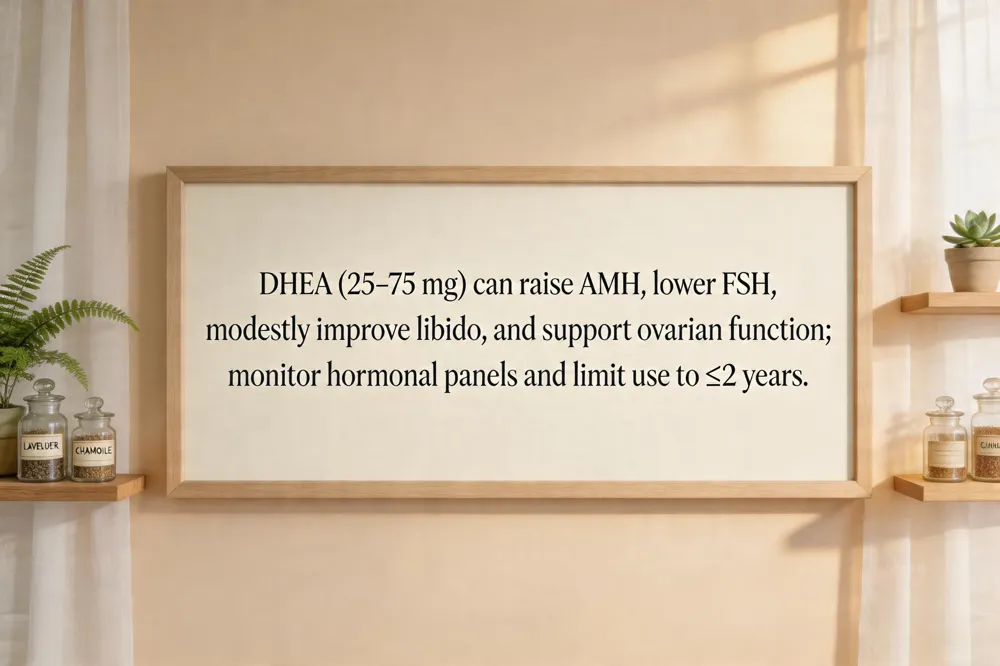
AMH and FSH modulation – Research in women with diminished ovarian reserve (often those under 38 y undergoing IVF) shows that daily DHEA (25‑75 mg) can raise serum anti‑Müllerian hormone (AMH) and lower follicle‑stimulating hormone (FSH), suggesting a more favorable ovarian environment. These hormonal shifts are thought to reflect enhanced follicular recruitment, though the magnitude of change varies between studies.
Post‑menopausal evidence – Prescription vaginal DHEA inserts can improve vaginal atrophy and reduce intercourse pain in post‑menopausal women, while Limited studies suggest oral or topical DHEA can improve skin hydration, increase collagen, and slow skin thinning. DHEA does not reliably alleviate hot flashes or other classic menopausal symptoms.
Fertility relevance – For women with low AMH or high FSH, clinicians sometimes prescribe DHEA as an adjunct to assisted‑reproduction protocols after confirming low baseline DHEA‑S. Monitoring of AMH, FSH, estradiol, and PSA (in men) is recommended to gauge response and avoid overt hormonal stimulation.
Answers to common questions
- Can DHEA increase AMH? Yes. Clinical studies in women under 38 y have shown a statistically significant rise in AMH after 3‑6 months of DHEA, indicating a potential boost in ovarian reserve.
- Can DHEA help with high FSH? Evidence suggests DHEA can lower serum FSH while raising estradiol and AMH, which may improve ovulatory function in women with elevated FSH.
Overall, DHEA is generally safe for up to two years at ≤50 mg daily; common mild side effects include acne, upset stomach, and mood changes, but it should be avoided in pregnancy, liver disease, hormone‑sensitive cancers, or when taking interacting medications. A personalized, lab‑guided approach—checking DHEA‑S, AMH, and FSH before and during supplementation—offers the most evidence‑based pathway to optimizing sexual health and ovarian vitality.
Complementary Nutrition: Vitamins While Using GLP‑1 Therapies
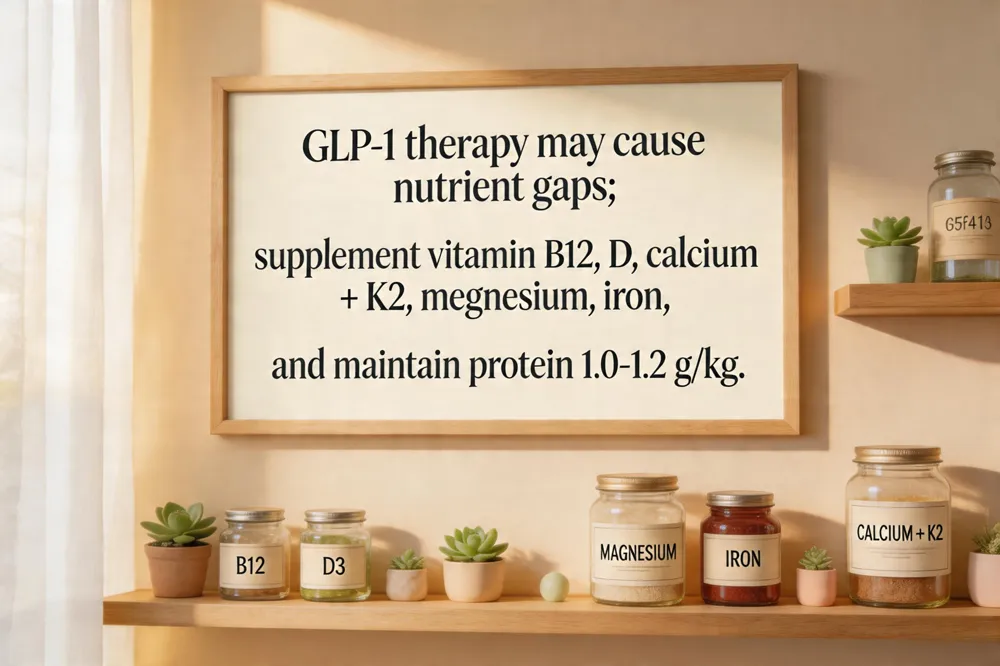 GLP‑1 agonists such as Zepbound often reduce appetite, which can lead to nutrient gaps. Key micronutrients that tend to slip include vitamin B12, vitamin D, calcium, magnesium, and iron—each essential for energy, bone health, and red‑blood‑cell production. To protect bone and sustain vitality, consider a high‑quality multivitamin that covers these nutrients, or add targeted supplements: vitamin D3 (1000‑2000 IU daily), B12 sublingual (500‑1000 µg), calcium + vitamin K2 (500 mg calcium, 100 µg K2), and magnesium glycinate (200‑300 mg). Iron supplementation (iron‑glycinate 10‑15 mg) may be needed if labs show low ferritin. Protein intake should remain adequate to preserve lean mass; aim for 1.0‑1.2 g per kilogram of body weight each day, sourced from lean meats, dairy, legumes, or protein powders. Always discuss any supplementation plan with a qualified clinician to tailor doses, monitor labs, and avoid interactions with other medications.
Practical Guidance for Men’s DHEA Use
 Baseline testing and monitoring
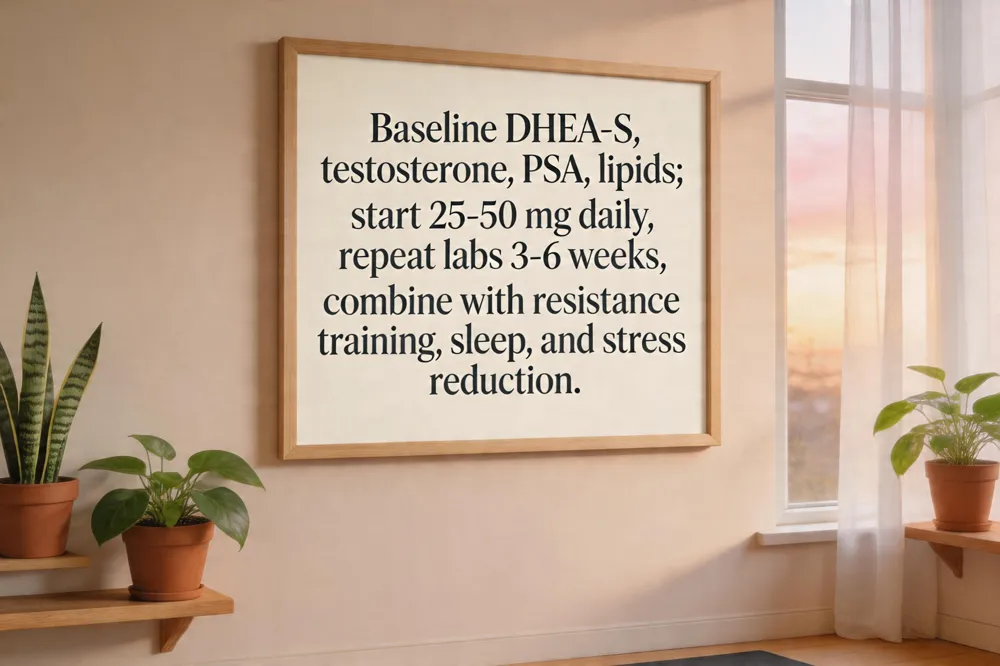
Before starting DHEA, have a clinician measure serum DHEA‑S, testosterone, PSA (for men), and lipid panels. Repeat testing 3–6 weeks after initiation helps confirm that levels are moving into a youthful range (e.g., 100–500 µg/dL for men aged 30‑50) and detects early side‑effects such as acne or changes in cholesterol.
Baseline testing and monitoring
Before starting DHEA, have a clinician measure serum DHEA‑S, testosterone, PSA (for men), and lipid panels. Repeat testing 3–6 weeks after initiation helps confirm that levels are moving into a youthful range (e.g., 100–500 µg/dL for men aged 30‑50) and detects early side‑effects such as acne or changes in cholesterol.
Integrating DHEA with exercise and sleep Take the supplement in the morning to match the hormone’s natural diurnal peak. Pair a modest daily dose (25‑50 mg) with regular resistance training and 7‑9 hours of quality sleep; both exercise and sleep naturally boost endogenous DHEA production and may enhance any modest gains in lean mass reported in meta‑analyses.
Lifestyle factors that support natural DHEA Prioritize stress‑reduction techniques (mindfulness, breathing exercises), a diet rich in omega‑3s, zinc, magnesium, and vitamin D, and adequate protein. Adaptogenic herbs such as ashwagandha have been shown to raise DHEA‑S by ~18 % in men, offering a non‑pharmacologic boost.
When to seek professional supervision Stop self‑medicating if you have prostate or hormone‑sensitive cancer, liver disease, or are on anticoagulants, SSRIs, or CYP3A4 substrates. A healthcare provider should guide any dose >50 mg, long‑term use >2 years, or if you experience persistent acne, mood swings, or changes in libido.
Answer to woman’s dosage question A typical starting dose for most women is 25 mg of DHEA taken orally each day. Clinicians may increase to 50 mg if symptoms persist and blood tests show low levels, and some protocols allow up to 75 mg for short‑term use under close supervision. The FDA‑approved prescription form, Intrarosa, is a 6.5 mg vaginal insert for menopausal vaginal atrophy, not a daily oral supplement. Women with hormone‑sensitive conditions, a history of certain cancers, or those on hormone‑acting medications should avoid DHEA unless a provider advises otherwise. Always have a qualified healthcare professional evaluate your individual needs and monitor any changes before starting or adjusting DHEA.
Integrating DHEA into a Holistic Men’s Vitality Plan
A personalized DHEA protocol begins with a baseline lab panel (DHEA‑S, testosterone, PSA, lipid profile) to confirm a true deficiency and rule out contraindications such as prostate cancer or liver disease. Most clinicians start with 25‑50 mg taken each morning, matching the hormone’s natural diurnal rise, and adjust based on repeat testing after 4‑6 weeks. The supplement works best when paired with restorative sleep, adequate protein and healthy fats, and regular resistance or high‑intensity training, which together support endogenous hormone production and lean‑mass maintenance. Ongoing monitoring—every 3‑6 months—helps catch side effects (acne, mood changes, altered cholesterol) and ensures safety. Always involve a qualified healthcare professional to interpret labs, manage drug interactions, and tailor the regimen to your individual health goals.