Understanding PCOS and the Integrative Approach
Polycystic ovary syndrome (PCOS) is the most common endocrine disorder among women of reproductive age, yet it remains remarkably underdiagnosed. Current estimates indicate that PCOS affects up to 12% of women, with many experts believing the true numbers are higher due to missed or delayed diagnoses. The condition is not just a reproductive issue, it carries lifelong implications for metabolic and cardiovascular health, making early identification and comprehensive management essential.
The Insulin Resistance Connection
Insulin resistance is a central driver of PCOS symptoms, affecting between 50% and 75% of women with the condition. In this state, the body's cells do not respond effectively to insulin, which acts like a "key" to let glucose into cells. As a result, glucose builds up in the bloodstream and fat cells, prompting the pancreas to produce even more insulin. This excess insulin, or hyperinsulinemia, triggers the ovaries to produce more testosterone and other androgens, disrupting the delicate balance of reproductive hormones.
The consequences of this hormonal disruption ripple through the body, leading to irregular or absent menstrual periods, weight gain and difficulty losing weight—especially around the belly—acne, thinning scalp hair, and excess facial or body hair (hirsutism). Over the long term, unmanaged insulin resistance raises the risk of type 2 diabetes, dyslipidemia, hypertension, and cardiovascular disease. These systemic effects underscore why PCOS must be approached as a whole-body metabolic condition, not simply a reproductive problem.
The Integrative Philosophy: Treating Root Causes
Conventional treatments for PCOS often focus on masking symptoms using hormonal birth control to regulate cycles or metformin to improve insulin sensitivity. While these can be helpful, they frequently mask symptoms without addressing the underlying metabolic and lifestyle factors that fuel the condition. An integrative approach takes a different view: it seeks to identify and correct the root causes of insulin resistance, chronic inflammation, and hormonal imbalance through foundational lifestyle changes and targeted natural therapies.
The core philosophy is to support the body's own regulatory systems. This is achieved through a personalized plan built on four pillars:
-
Diet: Choosing foods that stabilize blood sugar and reduce inflammation, such as a low-glycemic, anti-inflammatory diet rich in fiber, healthy fats, and lean protein.
-
Exercise: Engaging in regular physical activity—including aerobic exercise, strength training, and mind-body practices like yoga—to improve insulin sensitivity, reduce stress, and support healthy weight management.
-
Herbal and Nutritional Support: Using evidence-based supplements and botanicals—such as inositol, berberine, and cinnamon—to directly address insulin resistance, hormone balance, and inflammation.
-
Lifestyle Modifications: Prioritizing adequate sleep, effective stress management, and reducing exposure to endocrine-disrupting chemicals, all of which play a critical role in regulating hormones.
This integrative philosophy does not reject conventional medicine, but seeks to complement it where appropriate. By treating the whole person and addressing the mechanisms that drive PCOS, women can often achieve lasting improvements in their symptoms, metabolic health, and quality of life—moving from simply managing a chronic condition to truly restoring balance.
| Integrative Pillar | Primary Goals for PCOS | Examples of Interventions |
|---|---|---|
| Diet | Stabilize blood sugar, reduce inflammation | Low-glycemic foods, high fiber, omega-3s, anti-inflammatory choices |
| Exercise | Improve insulin sensitivity, manage weight | Aerobic activity, strength training, yoga, stress-reducing movement |
| Herbal Support | Reduce insulin resistance, balance hormones | Inositol, berberine, cinnamon, vitex, chromium |
| Lifestyle | Lower cortisol, improve sleep, reduce toxin exposure | Stress management, 7–8 hours sleep, avoiding BPA/phthalates |
Core Lifestyle Foundations: Weight Loss and Symptom Relief
 To answer "How can PCOS symptoms be managed?", a combination of lifestyle and targeted therapies works best. Reaching and maintaining a healthy weight is a primary concern. Even a 5% loss of initial body weight can significantly improve metabolic and hormonal balance. This alone helps reduce insulin resistance, irregular periods, and high androgen levels. Alongside weight management, a personalized plan may include medications to regulate cycles or address fertility, but lifestyle remains the cornerstone of long-term care.
How can PCOS symptoms be managed?
The foundation of managing PCOS is a healthy diet and regular physical activity. Reaching a healthy weight, even modestly, improves insulin resistance and menstruation. Structured exercise—at least 150 minutes of moderate activity weekly—helps lower insulin and androgen levels, improving ovulation and quality of life. For faster management, focus on these core changes. Losing just 5% of body weight can quickly improve symptoms like irregular periods and insulin resistance, acting as the "fastest" way to see results while reducing long-term health risks.
What is the fastest way to manage PCOS?
The fastest path to management involves immediate lifestyle adjustments. Adopting a Mediterranean-style diet rich in non-starchy vegetables, lean protein, and healthy fats while avoiding inflammatory foods like fried items and refined sugars is highly effective. Combined with consistent exercise to improve insulin sensitivity, this approach can rapidly lower insulin and androgen levels, promoting more regular menstrual cycles. While medications like metformin can provide faster symptom relief, lifestyle modifications are the quickest and most sustainable core strategy. | Lifestyle Intervention | How It Helps PCOS | Quick Action Step | |---|---|---| | Weight Loss (5%) | Improves insulin resistance & menstruation | Aim for a gradual 5% loss of initial body weight| | Balanced Diet (Mediterranean) | Stabilizes blood sugar, reduces inflammation | Fill half your plate with non-starchy vegetables at each meal| | Regular Exercise | Lowers insulin & androgen levels, improves ovulation | Aim for 30 minutes of moderate activity most days|
Nutritional Strategies: The PCOS Plate
What is the best diet for PCOS weight loss?
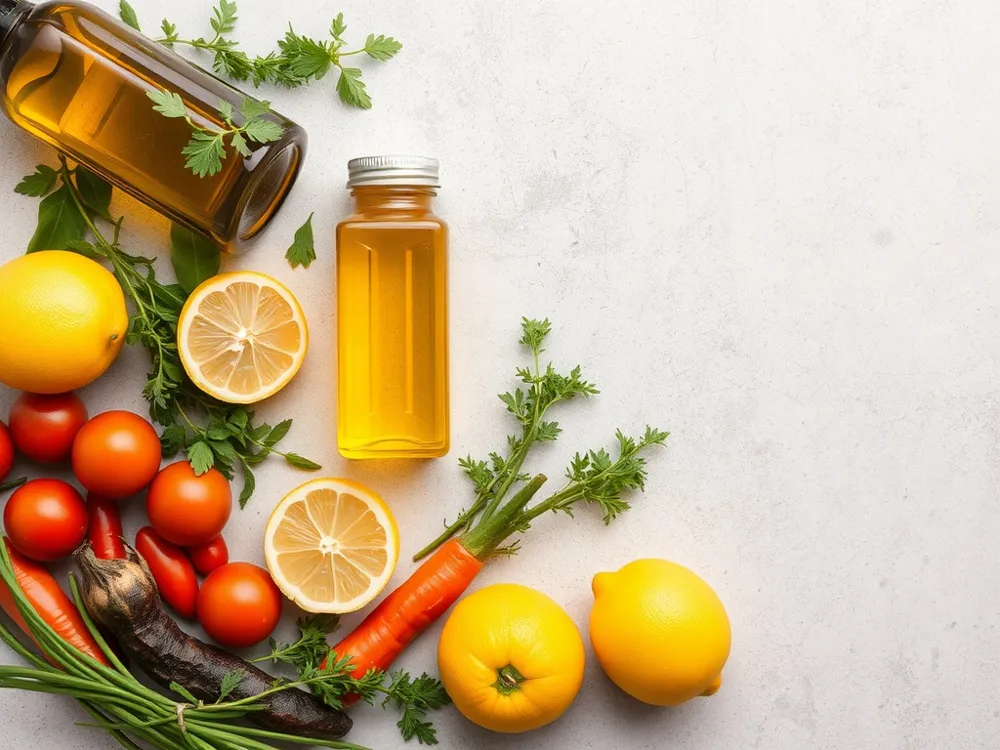
The Mediterranean diet is the most commonly recommended and sustainable eating pattern for women with PCOS looking to lose weight. This approach directly targets insulin resistance and chronic inflammation, which are core drivers of PCOS. It emphasizes whole, anti-inflammatory foods like omega-3-rich fish (salmon, sardines), olive oil, legumes, and non-starchy vegetables.
The Mediterranean diet is not a restrictive fad diet; it is a lifestyle that includes whole grains, lean proteins, and healthy fats. By stabilizing blood sugar and improving insulin sensitivity, it supports gradual and lasting weight loss. Starting with small swaps—like replacing white rice with quinoa or using olive oil instead of butter—can make this approach easy to adopt.
Which foods to avoid with PCOS?
Avoiding foods that spike blood sugar and promote inflammation is critical for managing PCOS. Key foods to limit include:
- **Fried foods | reasons to avoid |----------------------|------------------| | Fried foods | promote inflammation and worsen insulin resistance | | Processed snacks | high in sugar and simple carbohydrates, causing blood sugar spikes | | Sugary beverages | spike insulin levels | | Refined carbohydrates | white bread, pasta, white rice quickly raise blood sugar | | Red meat | saturated fats increase inflammation | | Alcohol | can disrupt blood sugar regulation and affect liver function |
Focusing on whole, unprocessed foods helps reduce symptoms and support better hormonal balance.
What foods are recommended on a PCOS diet?
A PCOS-friendly plate is rich in non-starchy vegetables, lean proteins, and healthy fats. The Mediterranean diet is a strong choice because it includes all these elements.
| Recommended foods | examples | why they help |
|---|---|---|
| Non-starchy vegetables | spinach, broccoli, peppers | high fiber, low calorie |
| Omega-3 rich fish | salmon, sardines | reduce inflammation |
| Healthy fats | olive oil, avocado, nuts | improve insulin sensitivity |
| Lean proteins | chicken, beans, legumes | promote satiety and blood sugar stability |
| Whole grains | quinoa, oats, brown rice | low glycemic index, high fiber |
These foods help reduce inflammation, stabilize blood sugar, and support a healthy weight, which can improve many PCOS symptoms.
Exercise That Works: Cardio, Strength, and Mind-Body Moves

What are the best exercises for PCOS?
Movement is a cornerstone of PCOS management. The most effective routine combines strength training with cardiovascular activity. Strength training on large muscle groups boosts your metabolism, while steady cardio—like brisk walking, cycling, or dancing—increases endorphins to improve mood and reduce stress. Yoga and hiking are also excellent low-impact options that support hormone regulation. The key is consistency, not intensity. Choose movements that feel good for your body and start slowly. A personalized routine that includes these elements can help balance hormones, lower testosterone, and ease many PCOS-related challenges.
What types of cardio exercise are best for PCOS?
Moderate-intensity cardio is your best friend. Activities like brisk walking, running, cycling, and swimming are highly recommended. They improve insulin sensitivity, which is central to managing PCOS and reducing the risk of type 2 diabetes. Even short sessions, such as a 10-minute walk, provide real benefits. Aim for at least 30 minutes of cardio daily to help with weight management, anxiety, and regulating menstrual cycles. The best approach is to choose a cardio activity you enjoy and can sustain.
What exercises are best for weight loss with PCOS?
For weight loss, combine moderate-intensity aerobic activities with strength training. Resistance exercises, like weightlifting or bodyweight moves such as squats and lunges, help build lean muscle. This boosts your resting metabolism and supports long-term weight management. High-intensity interval training (HIIT) can be beneficial in moderation, but avoid overdoing it, as it may elevate cortisol and worsen hormonal imbalances. A balanced routine performed 4–5 times per week, paired with a nutrient-dense diet, yields the best results for sustainable weight loss and symptom improvement.
What exercises should be avoided with PCOS?
Be cautious with high-intensity interval training (HIIT) and prolonged, intense cardio sessions. These can spike cortisol levels, which may worsen hormonal imbalances. Overly strenuous workouts can also exacerbate fatigue and insulin resistance. Instead, focus on low-impact, cortisol-friendly activities like strength training, yoga, or Pilates. These support hormonal balance and metabolic health without placing excessive stress on your body.
Which exercises can help regulate periods in PCOS?
Aerobic exercises like brisk walking, jogging, cycling, and swimming are excellent for regulating periods. They improve insulin sensitivity and reduce androgen levels. Resistance training, including weight lifting or bodyweight exercises, builds muscle mass and further aids hormone balance. A combination of both is considered most effective. Aim for at least 150 minutes of moderate exercise per week to support ovulation and cycle regularity. Always consult a healthcare provider before starting a new routine.
What are some effective PCOS exercises to do at home?
Effective at-home exercises include yoga to reduce stress and improve flexibility, and brisk walking or dancing to boost cardiovascular health. Bodyweight strength training targeting large muscle groups, like squats and lunges, can increase metabolism. Low- to moderate-intensity activities such as online workout videos, hiking, or even household chores like vacuuming also count as beneficial movement. The key is to choose exercises that feel good to you, start slowly, and aim for consistency to help regulate hormones and ease symptoms.
Synergy in Action: Combining Diet and Exercise for Best Results
How should diet and exercise be combined for PCOS management?
For PCOS management, diet and exercise work best together. This combination directly targets the insulin resistance that affects 50% to 75% of people with PCOS. A Mediterranean-style diet, rich in omega-3 fish, olive oil, legumes, and non-starchy vegetables, helps reduce inflammation. Avoiding fried foods, refined sugars, and red meat is also key.
Exercise improves insulin sensitivity and supports healthy weight maintenance. Aim for at least 150 minutes of moderate aerobic activity weekly, plus two strength-training sessions. Even a 5% weight loss can significantly improve metabolic and hormonal balance.
These lifestyle approaches are synergistic. Diet stabilizes blood sugar, while exercise helps your cells use insulin more effectively. Together, they lower the risk of diabetes, cardiovascular disease, and other PCOS complications. Consistency is crucial, as each reinforces the other for long-term hormonal balance and metabolic health.
Herbal Allies and Targeted Supplements: Evidence-Based Support
What does research say about using herbs to treat PCOS?
Research confirms that herbal remedies offer a promising, cost-effective approach for managing PCOS. A 2025 umbrella review in Frontiers in Nutrition found that specific dietary supplements, when used as add-on therapy, can significantly improve metabolic and hormonal outcomes. Berberine, a compound from plants like goldenseal and Oregon grape, has been shown to be as effective as metformin for improving insulin resistance, while also increasing pregnancy rates and lowering inflammation. Cinnamon demonstrates consistent benefits for reducing fasting blood sugar and improving insulin sensitivity. These herbs address the root metabolic drivers of PCOS, not just the symptoms.
Which herbal teas can help balance hormones in PCOS?
Spearmint tea stands out for its ability to lower free testosterone levels, making it a practical choice for reducing hirsutism and acne. Some clinical trials show significant improvements after consuming two cups daily for one month. Green tea is another powerful option, improving insulin sensitivity and supporting estrogen metabolism. Fennel tea, often combined with dry cupping, has been found as effective as metformin for reducing menstrual cycle length and BMI in some studies. For a more comprehensive approach, blends combining spearmint, nettle, and lemongrass offer convenient hormonal support.
What vitamins are best for improving fertility with PCOS?
For improving fertility, inositol is the most evidence-backed supplement. The combination of myo-inositol and D-chiro-inositol in a 40:1 ratio restores ovulation, improves egg quality, and increases pregnancy rates. Vitamin D is equally critical, as up to 85% of women with PCOS are deficient; supplementation supports follicle maturation and improves menstrual regularity. Omega-3 fatty acids, particularly EPA and DHA from fish oil (1,000–2,000 mg daily), reduce androgen levels and chronic inflammation, further enhancing fertility outcomes. N-acetylcysteine (NAC) at 1,200–1,800 mg daily also shows strong results, with meta-analyses finding three times more pregnancies and live births compared to placebo.
How can PCOS acne be treated naturally?
Zinc supplementation (30 mg daily) directly addresses acne by blocking the conversion of testosterone to DHT, a key driver of breakouts. Inositol helps lower overall androgen levels, reducing the hormonal trigger for acne. Cutting dairy from the diet can also be transformative for some women, as dairy proteins may stimulate insulin-like growth factor and worsen breakouts. Berberine and chromium picolinate improve insulin sensitivity, which lowers the systemic inflammation that contributes to acne. A consistent skincare routine with gentle, non-comedogenic products supports these internal approaches.
What natural remedies help with PCOS pain?
Pelvic pain and cramping associated with PCOS often stem from chronic inflammation and hormonal imbalances. Magnesium (250 mg daily) is a safe, effective remedy for reducing cramping and improving sleep quality. Evening primrose oil, rich in gamma-linolenic acid, can relieve cyclic breast tenderness and pelvic pain. Anti-inflammatory foods—especially those rich in omega-3s like salmon, walnuts, and flaxseeds—help lower the background inflammation that amplifies pain. Berberine and inositol further reduce pain indirectly by stabilizing insulin and lowering androgens that contribute to painful cysts.
What natural remedies can help with PCOS weight gain?
Berberine is a standout natural remedy for weight management in PCOS. A three-month study showed it reduced fasting glucose and insulin as effectively as metformin, while also lowering triglycerides and liver fat. Inositol helps regulate blood sugar and reduce cravings by improving insulin receptor function. Chromium picolinate (200–1,000 mcg daily) improves BMI and fasting insulin, supporting gradual, sustainable weight loss. Probiotics and synbiotics can reduce inflammation and improve gut health, which is often disrupted in PCOS and contributes to weight gain. Pairing these supplements with a diet rich in fiber, lean protein, and healthy fats amplifies their effects.
What natural remedies help with PCOS facial hair?
While no natural remedy fully eliminates facial hair, several can slow its growth. Spearmint tea, consumed twice daily, has shown clinical ability to lower free testosterone and reduce hirsutism scores. Saw palmetto is a plant-based androgen blocker that reduces DHT activity at the hair follicle. Inositol helps balance the overall hormonal environment, potentially reducing the stimulus for hair growth over time. A targeted combination of these approaches—spearmint tea, saw palmetto supplements, and consistent inositol use—may offer visible results within three to six months. For immediate management, combining these strategies with professional methods like electrolysis or laser hair removal provides the most effective outcome.
What natural remedies help with PCOS mood swings?
Mood swings in PCOS are closely tied to blood sugar instability and chronic stress. Inositol is the most researched supplement for mood stabilization in PCOS, as it improves insulin resistance and has shown benefits comparable to SSRIs in some studies for anxiety and depression. Magnesium (250–400 mg daily) helps calm the nervous system and improve sleep quality, directly reducing irritability. Chromium picolinate supports stable blood sugar, preventing the energy crashes that trigger mood swings. Adaptogenic herbs like rhodiola rosea and ashwagandha may also help the body manage cortisol levels, but their evidence is less robust than inositol. Combining these supplements with regular exercise—particularly yoga or brisk walking—provides powerful mood support.
| Topic | Key Natural Remedy | Specific Evidence | Notes for Use |
|---|---|---|---|
| Insulin Resistance & Weight | Berberine | As effective as metformin; improves triglycerides and liver fat (2025 review) | 500 mg, three times daily |
| Hormone Balance & Acne | Inositol (Myo + DCI 40:1 ratio) | Restores ovulation, lowers androgens (seven meta-analyses) | Standard 4 g daily for fertility |
| Hirsutism & Hair Growth | Spearmint Tea | Lowers free testosterone in clinical trials | Two cups daily |
| Fertility Support | Vitamin D + Inositol | Increases ovulation and pregnancy rates (11-trial meta-analysis) | 2,000+ IU daily; test levels |
| Mood Swings & Stress | Inositol + Magnesium | Improves anxiety and PMS symptoms (RCT data) | Inositol 4 g; Magnesium 250–400 mg |
| Inflammation & Pain | Omega-3 (Fish Oil) | Reduces androgens and inflammatory markers | 1,000–2,000 mg EPA/DHA daily |
| Acne & Skin | Zinc Picolinate | Blocks DHT conversion; reduces breakouts | 30 mg daily |
The Functional Medicine Lens: Root-Cause Care for PCOS
A functional medicine approach to PCOS transforms PCOS care by shifting the focus from managing symptoms to uncovering and addressing underlying drivers. Instead of defaulting to birth control pills or metformin, this approach asks: what is fueling the hormonal imbalance in your unique body?
How can a functional medicine approach to PCOS help manage PCOS?
A functional medicine approach to PCOS helps manage PCOS by looking beyond the diagnosis to identify root causes like insulin resistance and PCOS, chronic inflammation, gut dysbiosis, and reducing environmental toxins for PCOS. Through comprehensive testing—including fasting insulin, hormone panels, and gut health assessments—practitioners create a personalized roadmap.
A core of this approach is PCOS diet recommendations that stabilizes blood sugar and reduces inflammation, paired with targeted supplements such as inositol supplements for PCOS or berberine for PCOS symptoms to improve insulin sensitivity. Best exercises for PCOS, Stress management techniques for PCOS, and the role of sleep in PCOS care are woven in to support hormone balance and ovulation.
By addressing these foundational elements, a functional medicine approach to PCOS empowers many women to restore regular cycles, improve PCOS and fertility treatment, and reduce symptom burden, often with less reliance on conventional medications.
Beyond Diet and Exercise: Sleep, Stress, and Mind-Body Tools
Key Facts on PCOS and Sleep Disturbances
| Factor | Effect on PCOS | Recommendation |
|---|---|---|
| Sleep quality | Sleep problems are twice as common in women with PCOS; poor sleep worsens insulin resistance | Aim for 8–10 hours per night; establish a regular bedtime routine |
| Stress response | Chronic sympathetic "fight or flight" state heightens insulin resistance and exacerbates hormone imbalance | Use stress management techniques (journaling, mindfulness, nature walks) |
| Autonomic function | Increased sympathetic nervous system activity is common in PCOS | Relaxation and breathing exercises can improve heart rate variability |
Why Sleep and Stress Management Matter for PCOS
Sleep disturbances are twice as common in women with PCOS compared to the general population. Poor sleep quality activates the sympathetic nervous system and worsens insulin resistance directly. Similarly, chronic stress elevates cortisol, which can increase carbohydrate cravings and further disrupt hormone balance. Addressing these factors is not optional—it is a core part of integrative PCOS care that directly improves insulin sensitivity and symptom control.
Yoga and Meditation as Clinical Adjuncts
Mind-body practices offer measurable benefits. A 12-week comprehensive yoga program in adolescent females with PCOS was substantially superior to conventional physical activity for improving glucose, improving glucose, insulin, lipid levels, and reducing serum androgens. Yoga therapy also significantly reduces perceived stress, state anxiety, and improves sleep. For adults, regular mindful yoga practice improves serum androgen levels and helps manage depression and anxiety—even without weight loss. Acupuncture, while lacking robust evidence for ovulation induction, has shown small-study signals of increased ovulation and decreased sympathetic tone, making it a low-risk adjunctive therapy.
Considering Environmental Toxins and Gut Health
The functional medicine approach to PCOS also considers environmental endocrine disruptors (BPA, phthalates, pesticides) that can worsen hormone imbalance. Simple steps include choosing organic produce, avoiding plastics, and using non-toxic personal care products. Gut health is equally important: probiotics and synbiotics help regulate inflammation and may support hormonal balance. Supporting daily Bristol 4 bowel movements ensures proper hormone elimination, and addressing constipation or elevated beta-glucuronidase with targeted supplements (e.g., calcium-d-glucarate) can improve estrogen metabolism. Together, these strategies complete the picture beyond diet and exercise, addressing root causes for lasting symptom relief.
Your Integrative Action Plan: Small Steps, Big Impact
How can I build a sustainable PCOS plan that fits my life?
An integrative plan for PCOS brings together diet, movement, and herbal support into one cohesive approach. The goal is not perfection but consistency. Start by focusing on one or two small changes—such as adding a serving of vegetables to each meal or taking a 10-minute daily walk—and gradually expand from there. A balanced, low-glycemic diet rich in whole foods, paired with regular exercise and targeted supplements, forms the foundation. Even modest weight loss of 5% of body weight can significantly improve insulin resistance and hormonal balance.
Why is individualized care so important for PCOS?
There is no single "best" diet or exercise plan for PCOS. Because symptoms and underlying drivers vary from person to person, a personalized approach is essential. Some women thrive on a Mediterranean-style diet, while others benefit from higher protein, while others respond better to a low-carbohydrate or anti-inflammatory eating pattern. Similarly, exercise routines should be tailored to individual energy levels and stress profiles. Rest and recovery are just as important as activity, especially for women with elevated cortisol. Working with a healthcare team—including a doctor, dietitian, or naturopath—helps create a plan that respects your unique health profile and goals.
How can I stay empowered on my PCOS journey?
PCOS is a lifelong condition, but it can be managed effectively with a holistic approach. The most powerful tool is your ability to make consistent, small choices that support your body. Track your symptoms and habits to identify personal triggers. Celebrate progress, not perfection. Remember that you are the expert on your own body. With the right combination of nourishing food, enjoyable movement, targeted herbal support, and stress management, you can reduce symptoms, improve fertility outcomes, and lower your risk of long-term complications. You are not alone—and small steps truly add up to big impact over time.
Your Integrative Action Plan: Small Steps, Big Impact
A functional medicine approach to PCOS treats the body as an interconnected system. Instead of masking symptoms, this strategy targets root causes like insulin resistance, chronic inflammation, and hormonal imbalances through personalized lifestyle modifications, targeted supplements, and herbal remedies.
Start Where You Are: One Change at a Time
The most effective plan is one you can sustain. Dr. Carly Kelley from Duke Health emphasizes that "lifestyle modifications are the main approach and a core component of treatment... and go a long way." Begin with one or two small, consistent changes. This might be adding a serving of non-starchy vegetables to dinner, a daily 10-minute walk, or swapping sugary drinks for water. Consistency builds momentum and is more powerful than perfection.
For diet, focus on a balanced, low-glycemic, anti-inflammatory approach. Prioritize fiber-rich vegetables and whole grains, lean protein, and healthy fats like olive oil and omega-3 rich fish. Limit processed foods, refined sugars, and saturated fats.
Complement your nutrition with regular exercise — 150 minutes of moderate aerobic activity weekly plus two strength training sessions. Finding activities you enjoy, such as brisk walking, swimming, yoga, or weight lifting, helps build a lasting routine.
Herbal and nutritional supplements can bridge gaps. Berberine, inositol, and chromium support insulin sensitivity. Vitex (chaste berry) may help regulate menstrual cycles, while NAC and omega-3s reduce inflammation. Always discuss supplements with your healthcare team to tailor choices and avoid interactions.
The Journey, Not the Destination
PCOS management is a personalized journey. What works for one person may differ for another, and needs can change over time. There is no single "cure," but consistent, integrative efforts can profoundly reduce symptoms, improve fertility, and lower long-term health risks like type 2 diabetes and cardiovascular disease.
| Lifestyle Pillar | Key Actions | Common Tools & Supplements |
|---|---|---|
| Diet | Low-glycemic, anti-inflammatory foods; fiber-rich vegetables & whole grains | Inositol, Chromium, Omega-3s |
| Exercise | 150 min/week moderate cardio + 2x/week strength training | Yoga, brisk walking, HIIT (caution with caution) |
| Herbal Support | Compounds that lower insulin resistance, reduce androgens | Berberine, Vitex (chaste berry), NAC, Cinnamon |
| Foundational Habits | 7-8 hours sleep, stress management, hydration | Magnesium, Vitamin D, adaptogenic herbs |