Why Insulin Sensitivity Matters in PCOS
Insulin resistance in PCOS describes the reduced ability of cells to respond to insulin, forcing the pancreas to produce excess insulin (hyperinsulinemia). This metabolic disturbance fuels ovarian androgen production, lowers sex‑hormone‑binding globulin, and disrupts the hypothalamic‑pituitary‑ovarian axis, often resulting in irregular cycles, anovulation, and diminished fertility. Lifestyle measures—weight‑loss of 5‑10 % body weight, low‑glycemic high‑fiber diets, regular aerobic/strength exercise, adequate sleep, and stress‑reduction—directly improve insulin signaling and can restore ovulatory function. Complementary herbal agents such as cinnamon, berberine, curcumin, myo‑inositol/D‑chiro‑inositol, and sage have demonstrated modest reductions in fasting glucose, insulin, and HOMA‑IR in clinical trials, especially when combined with lifestyle changes. Together, these strategies target the core metabolic driver of PCOS, supporting hormonal balance and reproductive health.
Understanding Insulin Resistance in PCOS
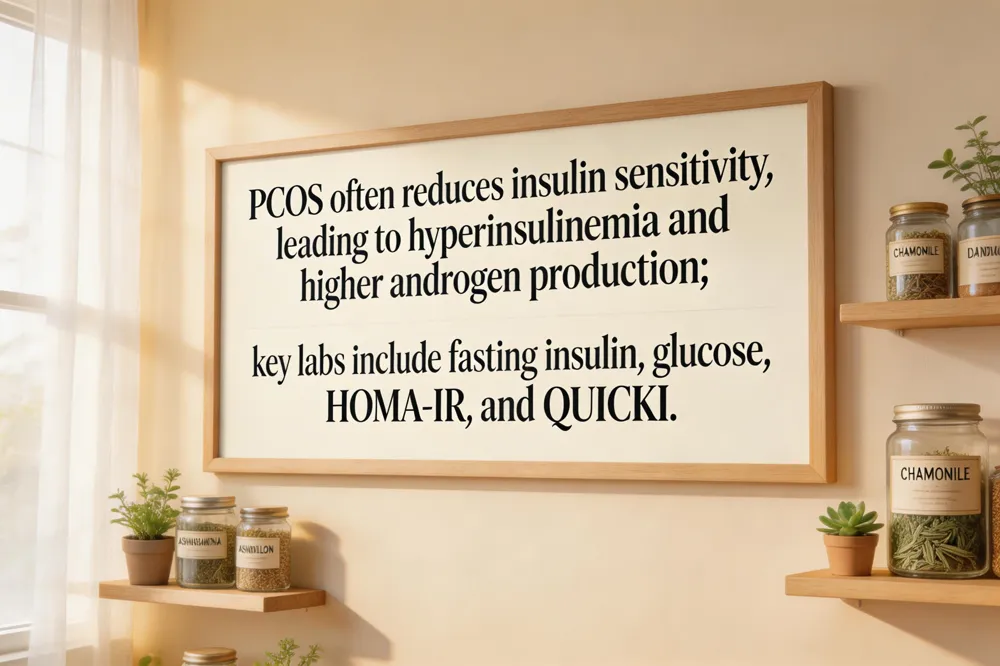 Insulin resistance is a defining metabolic feature in 30‑70 % of women with polycystic ovary syndrome (PCOS). Even when body weight is normal, ovarian cells respond less efficiently to insulin, a condition that drives hyperinsulinemia and fuels excess androgen production. The biochemical cascade begins with impaired insulin‑stimulated glucose uptake and GLUT‑4 translocation, leading to higher circulating insulin that stimulates theca cells to make testosterone. Elevated androgens, in turn, exacerbate insulin resistance, creating a vicious cycle that can culminate in type 2 diabetes, dyslipidemia, and cardiovascular risk.
Key laboratory markers used to quantify this resistance include fasting insulin (µU/mL), fasting glucose (mg/dL), and derived indices such as HOMA‑IR = (fasting insulin × fasting glucose)/22.5, and QUICKI = 1/[log(fasting insulin) + log(fasting glucose)]. Higher HOMA‑IR and lower QUICKI values indicate poorer insulin sensitivity. These measures are routinely tracked in PCOS management to gauge metabolic health and response to interventions.
Does PCOS decrease insulin sensitivity? Yes. PCOS is commonly associated with reduced insulin sensitivity, known as insulin resistance. Women with PCOS often produce normal or even elevated levels of insulin, but their cells respond less effectively, which can lead to higher blood glucose and an increased risk of type 2 diabetes. This resistance is observed even in lean women and is amplified by excess weight, hyperandrogenism, and inflammatory factors. Lifestyle changes such as weight loss, regular exercise, and a balanced diet can improve insulin sensitivity in PCOS.
Core Lifestyle Foundations for Enhancing Insulin Sensitivity
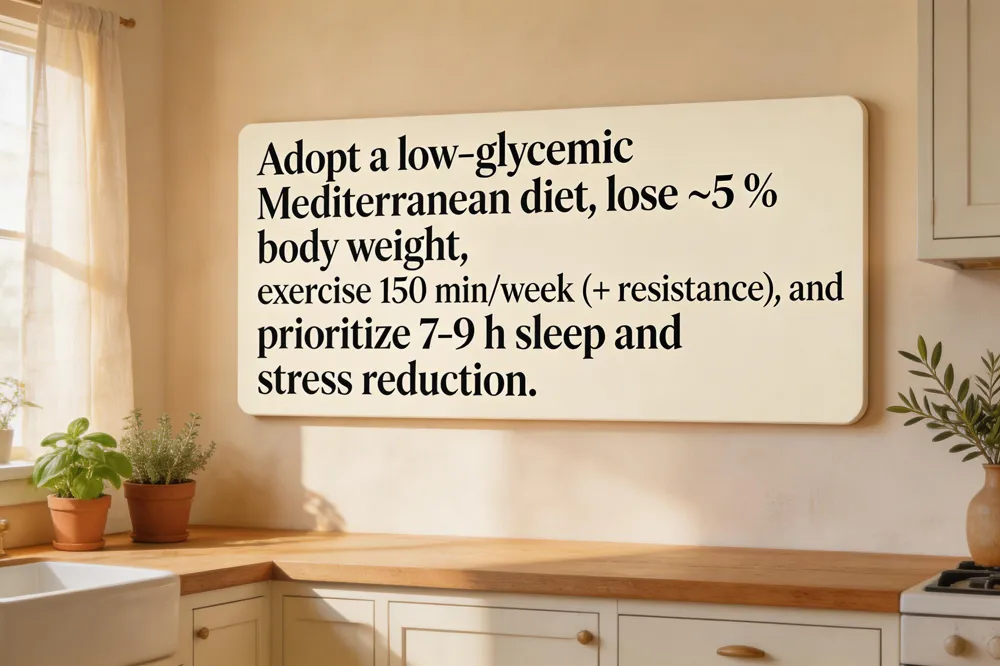 A low‑glycemic, Mediterranean‑style eating pattern—rich in vegetables, whole‑grain legumes, nuts, olive oil, fatty fish, and modest fruit—stabilizes blood glucose and reduces inflammation. Targeting a modest 5 % body‑weight loss (through calorie‑controlled meals and regular movement) often restores more regular ovulation by lowering insulin and androgen levels.
Exercise: Aim for at least 150 minutes of moderate aerobic activity (brisk walking, cycling, swimming) per week, complemented by 2–3 days of resistance training to preserve lean muscle and improve glucose uptake.
Sleep & Stress: Prioritize 7–9 hours of quality sleep and incorporate stress‑reduction techniques (yoga, mindfulness meditation, deep‑breathing) to lower cortisol, a known antagonist of insulin signaling.
How to manage PCOS and achieve pregnancy: Combine the lifestyle core with evidence‑based supplements (inositol, magnesium, vitamin D) and, if needed, clinician‑guided ovulation agents (clomifene, letrozole, metformin. Monitor hormone panels and glucose markers while tapering teratogenic drugs before conception.
PCOS treatment options for unmarried individuals at home: Focus on the diet‑exercise‑sleep triad, add adaptogenic herbs (ashwagandha, maca) under professional guidance, and use low‑risk supplements to balance hormones without partner‑dependent interventions.
PCOS treatment diet: Embrace whole, minimally processed foods; avoid refined sugars, white flour, and trans‑fat‑laden snacks. Fiber‑dense grains, lean proteins, and healthy fats support insulin sensitivity and weight control.
PCOS food list to avoid: Eliminate fried foods, sugary drinks, processed snacks, white breads/pasta, excessive alcohol, and high‑saturated‑fat meats, which provoke insulin spikes and hormonal disruption.
Herbal Agents that Directly Target Insulin Resistance
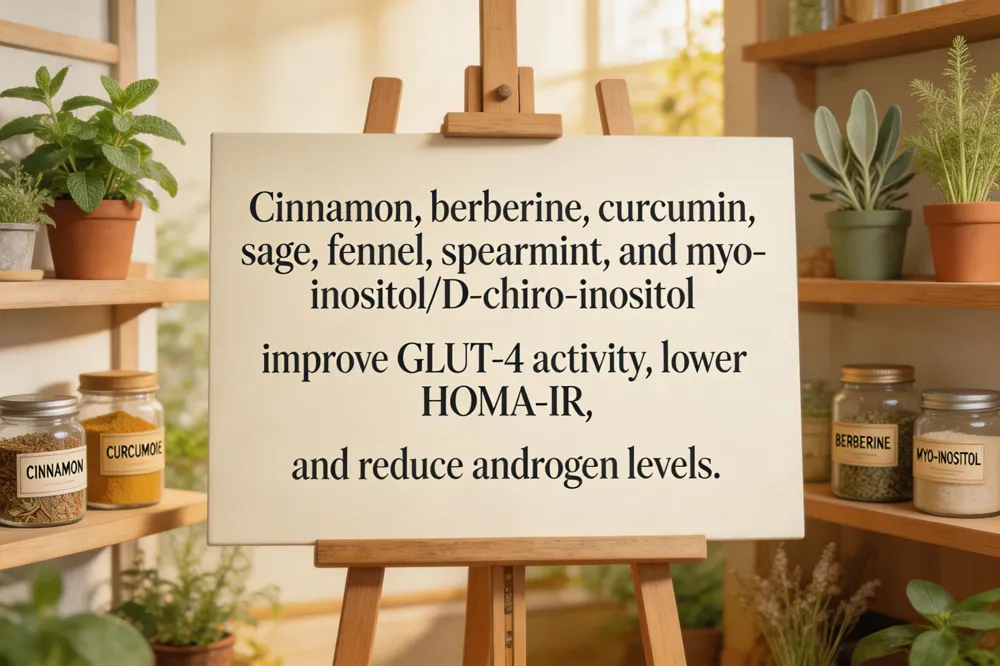 Insulin resistance in PCOS can be softened with a blend of lifestyle habits and botanical allies. Cinnamon (cinnamaldehyde) improves insulin‑receptor autophosphorylation and boosts GLUT‑4 expression, lowering fasting glucose and HOMA‑IR in several RCTs. Berberine activates AMP‑activated protein kinase (AMPK), mimicking metformin’s effects on glucose uptake and androgen reduction. Curcumin’s anti‑inflammatory action up‑regulates GLUT‑4 and diminishes TNF‑α, modestly improving insulin sensitivity. Sage extract, fennel tea, and multi‑herb blends (spearmint, ginger, citrus) have shown modest drops in fasting insulin and BMI, suggesting synergistic metabolic benefits. My‑inositol/D‑chiro‑inositol (≈40:1 ratio) act as insulin‑second‑messengers, consistently decreasing fasting insulin, HOMA‑IR, and restoring ovulatory cycles.
How to cure insulin resistance in PCOS naturally? Begin with gradual weight loss via a low‑glycemic, high‑fiber diet and regular aerobic‑plus‑strength exercise. Add evidence‑based supplements such as myo‑inositol/D‑chiro‑inositol, chromium, cinnamon, berberine, and vitamin D. Prioritize sleep, stress‑reduction (yoga, mindfulness), and limit endocrine disruptors.
Which herbs are beneficial? Cinnamon, berberine, curcumin, sage, fennel, and standardized multi‑herb blends have demonstrated insulin‑sensitizing effects in women with PCOS.
What beverages can help reverse PCOS? Unsweetened green tea (catechins), spearmint tea (anti‑androgenic), and warm cinnamon tea support glucose regulation; stay hydrated with water and low‑sugar smoothies.
Can I take ashwagandha? Yes—its adaptogenic properties can lower cortisol and modestly improve hormonal balance, but discuss dosage (300‑600 mg standardized extract) and possible interactions with your provider.
Supplemental Nutrients Complementing Herbal Protocols
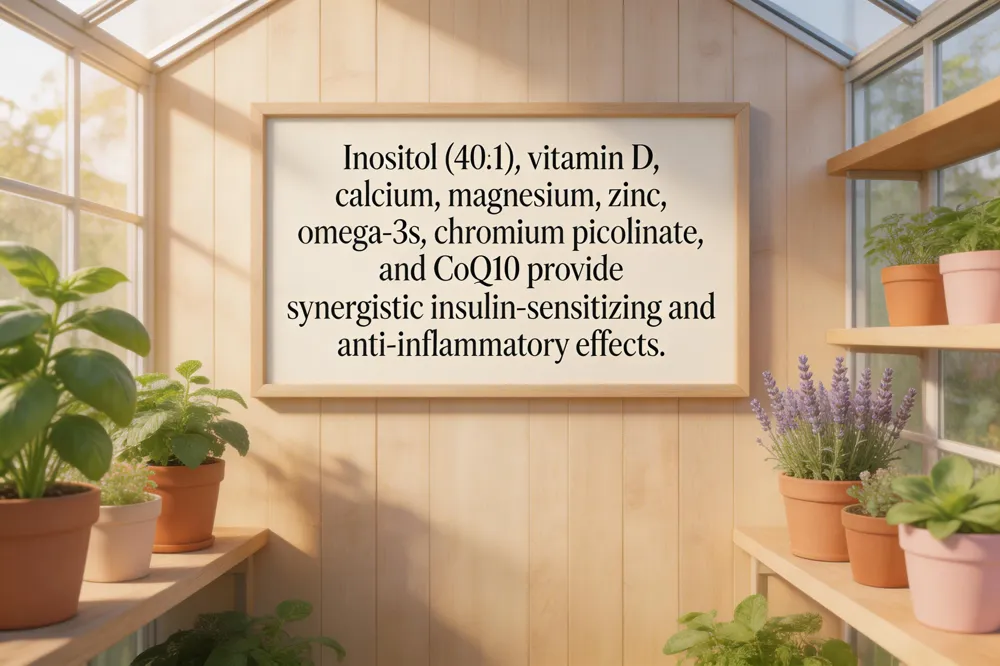 Inositol (myo‑inositol + D‑chiro‑inositol) is a cornerstone of functional PCOS care. A 40:1 ratio (typically 2 g myo‑inositol and 50 mg D‑chiro‑inositol twice daily), restores insulin signaling by acting as a second messenger for the insulin receptor, lowering fasting insulin, HOMA‑IR and helping regular ovulation. Vitamin D and calcium work synergistically; correcting vitamin D deficiency (2,000–4,000 IU daily) improves insulin sensitivity and reduces inflammation, while calcium supports bone health and may modestly blunt post‑prandial glucose spikes. Magnesium (300–400 mg elemental daily), zinc (20–30 mg), and omega‑3 fatty acids (1–2 g EPA/DHA) each target different pathways—magnesium and zinc are cofactors for glucose‑metabolizing enzymes, and omega‑3s dampen chronic inflammation that fuels insulin resistance. Chromium picolinate (200–1,000 µg) enhances insulin receptor activity and can modestly improve fasting glucose and BMI, whereas Coenzyme Q10 (100–200 mg) reduces oxidative stress, further supporting insulin‑mediated glucose uptake. Together, these nutrients complement herbal agents such as cinnamon, berberine, and curcumin, creating a multi‑targeted, evidence‑based protocol that addresses insulin resistance, hormonal imbalance, and metabolic health in women with PCOS.
Targeted Approaches for Common PCOS Symptoms
 How I cured my PCOS acne naturally – I began by correcting insulin resistance with myo‑inositol (2 g twice daily) and chelated zinc (30 mg), both shown to lower androgen‑driven sebum production. A low‑glycemic anti‑inflammatory diet rich in omega‑3s, lean protein, and fiber kept blood‑sugar stable, while berberine (500 mg twice daily) and a probiotic blend further reduced systemic inflammation. Topical care included an apple‑cider‑vinegar toner and a turmeric‑yogurt‑honey mask twice a week. Regular moderate‑intensity exercise and weekly facial‑acupuncture improved circulation and stress levels, clearing my breakouts.
Remedies for PCOS facial hair – Reducing androgens and insulin is key. Drinking two cups of spearmint tea daily lowers free testosterone, and replacing refined carbs with low‑GI whole grains plus soluble fiber stabilises glucose and curbs androgen synthesis. Consistent aerobic and resistance training, 7–9 hours of sleep, and stress‑reduction (meditation or yoga enhance insulin sensitivity. A modest 5‑10 % weight loss often thins existing hair, and topical eflornithine or laser can be added for stubborn strands.
Natural remedies for PCOS pain – Anti‑inflammatory herbs such as turmeric (curcumin 500‑1000 mg daily) and ginger ease pelvic cramps, while cinnamon improves insulin sensitivity. Berberine or myo‑inositol further lower androgen‑related ovarian tenderness. Probiotic or probiotic curb gut inflammation oxide reducingands andimpactimmune‑exercise foods magnesium‑rich leafy greens and regular low‑impact exercise, yoga support uterine muscle relaxation.
Natural remedies for PCOS weight gain – Enhancing insulin signaling with berberine, chromium picolinate (200‑1000 µg daily), and myo‑inositol (2 g daily) promotes modest weight loss. Anti‑inflammatory foods—cinnamon, turmeric, high‑fiber grains, omega‑3 fish, and magnesium‑rich nuts—stabilise glucose and curb cravings. Adaptogens like ashwagandha, maca, and holy basil, together with daily probiotics, mitigate cortisol spikes and improve gut health. Pairing these nutraceuticals with a balanced diet, regular exercise, adequate sleep, and mindfulness yields the most sustainable weight‑control results.
Practical Guidance on Herbal Use, Safety, and Interactions
 Herbal therapy can be a useful adjunct for insulin‑resistance in PCOS, but clinicians should apply standardized dosing and safety monitoring. Cinnamon (Cinnamomum verum) is typically used at 300–1500 mg of standardized extract daily (≈½–1 tsp of powder); true Ceylon cinnamon is preferred because Cassia species contain up to 5 % coumarin, which may cause liver toxicity at high doses. Berberine is commonly prescribed at 500 mg two to three times daily (total 1–1.5 g), while curcumin (standardized to 95 % curcuminoids) is given 500 mg three times daily. Other agents such as sage (200–300 mg), ginger (1 g), and spearmint blends follow similar 8‑week regimens. Drug‑herb interactions are notable: berberine and cinnamon can potentiate metformin‑related hypoglycaemia; berberine inhibits CYP3A4 and may raise anticoagulant levels; high‑dose cinnamon may affect thyroid hormone conversion, so patients on levothyroxine need monitoring. Baseline and periodic labs should include fasting insulin, fasting glucose, HOMA‑IR, liver enzymes (ALT/AST), and blood pressure, especially when using licorice or high‑coumarin cinnamon. The systematic review of herbal PCOS treatments concluded that herbs like cinnamon, spearmint, licorice, and fenugreek show promise for improving insulin sensitivity and menstrual regularity, yet the evidence remains low‑certainty and larger trials are needed to confirm efficacy and safety.
Finding Professional Support and Resources
 PDF guides and downloadable resources are available from the Endocrine Society and ACOG, covering lifestyle, nutrition, insulin‑sensitizing strategies, and medication options. Our practice also provides a free, customized PCOS treatment PDF on its website for a personalized wellness plan.
Specialized massage and acupuncture for PCOS are offered at integrative clinics such as Healing River Massage or Women’s Health Acupuncture in Portland, which use pelvic‑focused myofascial release, Dynamic Fascial Response, and abdominal techniques to improve circulation and endocrine balance.
Herbal tea blends for hormonal balance should combine spearmint or licorice root (to lower androgens) with raspberry leaf, hibiscus, lemon balm, dandelion, ginger, and cinnamon for menstrual regularity, anti‑inflammatory support, and stress reduction. Brew 1 tsp of the blend in 8 oz water at 200‑212 °F for 5 minutes daily, and consult a healthcare provider before starting any new herbal regimen.
Putting It All Together: Sample 12‑Week Herbal Protocol
 PCOS treatment options for unmarried individuals at home
Adopt a low‑glycemic, high‑fiber diet rich in leafy greens, lean protein, nuts, and omega‑3‑rich fish. Add evidence‑based supplements: myo‑inositol 2 g + D‑chiro‑inositol 50 mg daily, chromium 200 µg, vitamin D 2 000 IU, magnesium 300 mg and adaptogens such as ashwagandha 300 mg. Aim for 150 min of moderate aerobic activity plus two strength sessions weekly, prioritize 7‑9 h sleep, and practice daily mindfulness or yoga.
PCOS food list to avoid
Eliminate refined carbs (white bread, rice, pastries), sugary drinks, fried foods, trans‑fat‑laden snacks, excessive red meat, and processed meats. Limit alcohol and high‑sugar desserts to reduce insulin spikes and inflammation.
What beverages can help reverse PCOS?
Drink plain water, unsweetened green tea (2 cups/day), spearmint tea (1‑2 cups/day) for anti‑androgen effects, and low‑sugar smoothies with berries and spinach. Decaf coffee is acceptable in moderation.
Which herb treats PCOS?
Cinnamon (300‑500 mg × 3 d) improves fasting glucose and HOMA‑IR; chasteberry (Vitex agnus‑castus) normalizes menstrual cycles; spearmint tea reduces testosterone; fenugreek seed powder (5 g d) supports insulin sensitivity.
How do Japanese treat PCOS?
Unkeito (UKT) is a traditional formula used to regularize cycles and support FSH responsiveness.
What is the fastest way to get rid of PCOS?
Focus on rapid insulin‑sensitizing actions: 5 % weight loss via diet‑exercise, high‑dose cinnamon, berberine 500 mg B 2 d, and inositol. Combine with sleep hygiene and stress reduction for swift symptom improvement.
How to cure PCOS permanently
While not curable, long‑term control comes from sustained lifestyle changes, targeted herbal protocols, and periodic monitoring of fasting insulin, glucose, and HOMA‑IR. Adjust dosages based on lab trends and symptom diaries, consulting a qualified practitioner for individualized care.
A Balanced, Evidence‑Based Path Forward
Optimizing insulin sensitivity in PCOS begins with a three‑pronged lifestyle: a low‑glycemic, high‑fiber diet rich in whole grains, legumes, vegetables and lean protein; regular moderate‑intensity aerobic activity (150 min/week) plus strength or yoga to boost muscle glucose uptake; and evidence‑based herbal adjuncts such as cinnamon (300‑1500 mg daily), berberine (500 mg 2–3×/day), myo‑inositol/D‑chiro‑inositol (2 g + 200 mg daily) and curcumin (500 mg 3×/day). Women should track fasting glucose, insulin, HOMA‑IR and menstrual patterns every 4–6 weeks, adjusting doses under a clinician familiar with endocrine and integrative medicine. Personalized monitoring empowers women to restore hormonal balance, improve ovulation and enhance fertility while maintaining overall wellness. Prioritizing 7–9 hours of sleep and stress‑relief techniques such as mindfulness, deep breathing, or gentle yoga also strengthen insulin response while supporting hormonal harmony balance.