Why Women’s Stress and Sleep Matter
Nearly half of U.S. women report rising stress levels, and 35‑45 % experience insomnia or fragmented sleep. Hormonal shifts—menstrual cycles, pregnancy, perimenopause, and menopause—disrupt the circadian rhythm, intensifying night‑time awakenings, hot flashes, and restless‑leg symptoms. Chronic stress drives cortisol spikes that impair deep (slow‑wave) sleep, weaken immunity, raise blood pressure, and increase anxiety and depression risk. Because women’s stress‑related sleep problems often stem from a unique interplay of hormones, caregiving duties, and life‑stage transitions, a one‑size‑fits‑all approach falls short. Integrative, gender‑specific strategies—mind‑body therapies (yoga, mindfulness, expressive arts), targeted nutrition (magnesium, B‑vitamins, omega‑3s), adaptogenic herbs, and personalized lifestyle counseling—address root causes while supporting safety and accessibility. Tailoring these evidence‑based interventions to each woman’s hormonal profile and stress triggers offers a holistic pathway to restorative sleep and overall wellness.
Sleep Science in Women: Key Findings and Misconceptions
 Sleep studies on women
Research shows women experience shorter total sleep, longer latency, and more slow‑wave sleep than men. Hormonal swings during the menstrual cycle, pregnancy, and menopause increase insomnia, restless‑legs, and night‑time awakenings. Women are also more prone to circadian‑rhythm disorders, shift‑work sleep problems, and under‑diagnosed obstructive sleep apnea. These disturbances raise risks of cardiovascular disease, metabolic disorders, chronic pain, depression, and anxiety. Targeted screening and integrative therapies—mind‑body practices, CBT‑I, and lifestyle counseling—are essential.
Women need 10 hours of sleep
Ten hours is not a universal prescription. The National Sleep Foundation recommends 7–9 hours for most adult women. Hormonal fluctuations may make some women feel they need extra rest, but quality and continuity matter more than sheer quantity. Listening to personal energy levels and aiming for consistent, restorative sleep within the 7–9 hours window is evidence‑based.
Is it true that women need 9‑10 hours of sleep?
While 9–10 hours can help during high‑stress periods, pregnancy, or menopause, it is not a fixed rule. Most women thrive on 7–9 hours; excess sleep may signal underlying issues. Tailor duration to individual needs rather than a rigid schedule.
Why do females need more sleep than males?
Fluctuating estrogen and progesterone continuously modulate circadian rhythms and sleep architecture, often causing longer sleep onset, fragmented sleep, and reduced deep‑sleep proportion. Combined with higher rates of anxiety, depression, and hormonal‑related symptoms (hot flashes, night sweats), women may require additional restorative time to maintain optimal health.
Stress and Its Ripple Effects on Women’s Health
 Stress and its ripple effects on women’s health
Sleep deprivation effects on women Chronic sleep loss disproportionately harms women, raising the risk of hypertension, heart disease, and type 2 diabetes more than in men because hormonal fluctuations amplify blood‑pressure and glucose dysregulation. Poor sleep disrupts appetite‑regulating hormones, promoting weight gain, and elevates inflammatory markers linked to arthritis and other chronic conditions. Women who miss sleep are more prone to anxiety, irritability, and depression, while cognitive function, memory, and immune defenses suffer, increasing susceptibility to infections and overall reduced well‑being.
Importance of stress management preserves mental and physical health. Chronic stress fuels hypertension, weakened immunity, and serious illnesses such as heart disease and diabetes. Reducing stress improves sleep quality, focus, productivity, and emotional regulation, supporting healthier relationships. Daily practices—deep‑breathing, gratitude journaling, regular movement, and nutrient‑dense eating—align with integrative, naturopathic principles, prevent burnout, and empower women to thrive in work, family, and personal wellness goals.
10 advantages of stress management
- Restful sleep restores energy.
- Lower anxiety and depression protect mental health.
- Sharper concentration boosts productivity.
- Improved mood enhances emotional resilience.
- Reduced blood pressure supports cardiovascular health.
- Decreased muscle tension eases headaches.
- Strengthened immune system reduces illness.
- Balanced hormones aid weight regulation.
- Enhanced self‑esteem fosters confidence.
- Overall physical well‑being is maintained, allowing women to stay healthier and more resilient.
Mind‑Body Therapies and Evidence‑Based Practices
 Yoga, mindfulness, music and dance therapy – Mind‑body practices such as yoga, mindfulness meditation, music therapy, and dance therapy have been shown to lower perceived stress and improve sleep latency by 15‑30 minutes in women. Expressive and meditative modalities (mindfulness, music, dance, Reiki) produce larger reductions in depressive and anxiety scores than purely movement‑based interventions.
Meditation and MBSR – Mindfulness‑Based Stress Reduction (MBSR) and regular meditation increase melatonin secretion, reduce cortisol, and shorten nighttime awakenings. Meta‑analyses report a pooled standardized mean difference of –0.91 for sleep quality and –0.79 for depressive symptoms in perimenopausal and postmenopausal women.
Acupuncture and massage – Acupuncture supports conventional stress treatment and improves insomnia, while massage therapy reduces anxiety and enhances sleep quality by activating the parasympathetic nervous system.
Cognitive‑behavioral therapy for insomnia (CBT‑I) – Cognitive‑behavioral therapy for insomnia (CBT‑I) – CBT‑I is the first‑line, non‑pharmacologic treatment for chronic insomnia, restructuring maladaptive thoughts and sleep habits, and yields durable improvements in 70‑80 % of women.
New study on women's sleep – Women experience shorter total sleep, longer latency, and more slow‑wave sleep than men, with hormonal cycles driving fluctuations. They are twice as likely to develop insomnia and up to 50 % more prone to restless‑leg syndrome, highlighting the need for tailored, integrative approaches.
Treatment for stress and anxiety – Combine evidence‑based CBT with mind‑body therapies, adequate sleep, balanced nutrition, and social support. Naturopathic practitioners can personalize interventions to hormonal and nutritional needs.
What are some stress‑management techniques – Regular gentle exercise (walking, yoga), mindfulness meditation, deep‑breathing, gratitude journaling, and limiting caffeine/alcohol improve resilience and sleep.
Types of stress management – Physiological (breathing, yoga, exercise), cognitive (mindfulness, reframing), social (support networks, boundaries), and lifestyle/integrative (nutrition, adaptogens, acupuncture, sleep hygiene) together sustain long‑term well‑being for women.
Targeted Supplements and Integrative Therapeutics
 Women seeking natural, evidence‑based support for sleep, adrenal health, and gut function can turn to Integrative Therapeutics’ clinician‑formulated lines.
ProThrivers™ Wellness Sleep combines 10 mg melatonin with magnesium bisglycinate, L‑theanine, and magnolia bark extract (2 % honokiol, 1 % magnolol) in a vegan, gluten‑free capsule. One capsule taken 30–60 minutes before bedtime promotes relaxation, stabilizes cortisol, and encourages deeper, uninterrupted rest while minimizing morning grogginess. The formulation is safe for most adults but is not recommended for pregnant, nursing, or attempting‑to‑conceive women, nor for those on medications that interact with melatonin or magnesium (e.g., anticoagulants, antihypertensives).
Adrenal complex blends provide a holistic approach to cortisol balance. Core ingredients include bovine adrenal glandulars, vitamin C, B‑vitamins (B5, B6), N‑acetyl‑tyrosine, and PABA, often paired with adaptogens such as ashwagandha, rhodiola, or licorice root. These blends support adrenal hormone synthesis, reduce oxidative stress, and improve mood and focus. Dosing typically ranges from one to two capsules daily, taken with food; contraindications include hormone‑sensitive conditions, uncontrolled hypertension, and pregnancy.
Gut health line targets digestion, microbiome balance, barrier integrity, and motility. Enzyme formulas (Panplex 2‑Phase, Similase®), probiotics (Pro‑Biome 50 Billion, Probiotic Pearls™), and barrier protectors (Zinc Carnosine, Glutamine Forte) work together to reduce bloating, support nutrient absorption, and maintain intestinal mucosal health. These products are generally well‑tolerated, but individuals with severe allergies, renal disease, or those on immunosuppressive therapy should consult a practitioner before use.
Across all lines, Integrative Therapeutics emphasizes safety, personalized dosing, and the avoidance of common allergens, aligning with a patient‑centered, naturopathic model of women’s wellness.
Practical Sleep Hygiene Rules and Night‑time Grounding
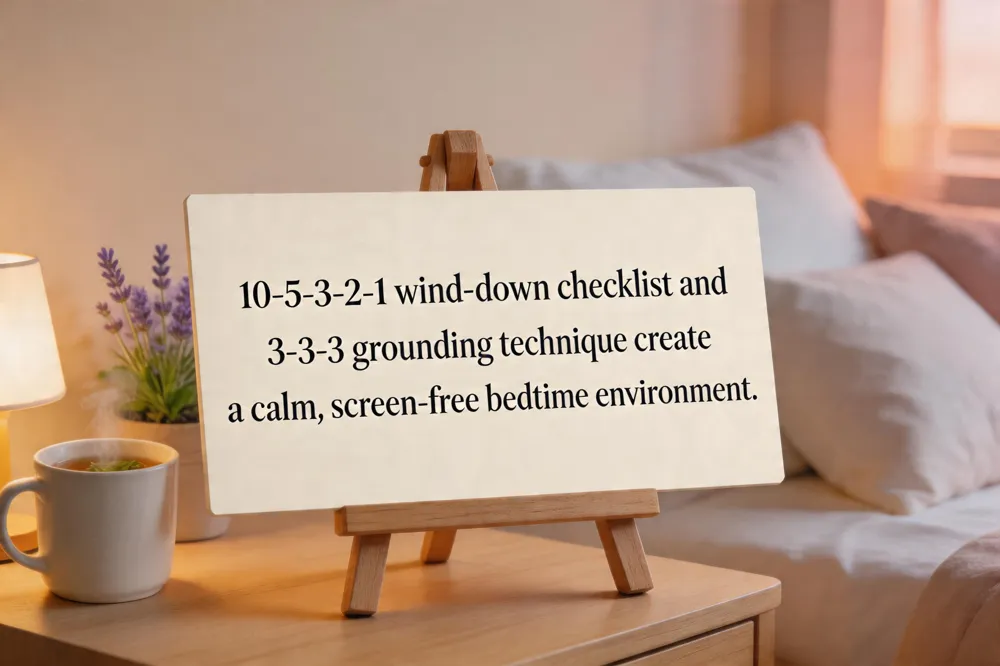 A consistent bedtime routine that blends evidence‑based lifestyle tweaks with gentle mind‑body practices can dramatically improve women’s sleep quality.
10‑5‑3‑2‑1 wind‑down checklist – Start by eliminating caffeine at least ten hours before bedtime, then stop alcohol three hours before sleep to avoid rebound awakenings. Cease work‑related tasks two hours before bed, giving your mind time to shift from focus to relaxation. Turn off all screens—phones, tablets, computers, and TVs—one hour before lights‑out to reduce blue‑light exposure that interferes with melatonin production. Finally, create a dark, cool (65‑68 °F) bedroom devoted only to sleep, reinforcing the body’s natural cue that it’s time to rest.
3‑3‑3 grounding technique – When anxiety spikes at night, pause and name three things you can see, three sounds you can hear, and three physical sensations you can feel (e.g., the pressure of the pillow or the texture of the sheets). This simple grounding interrupts racing thoughts, lowers the fight‑or‑flight response, and helps you drift into sleep.
Screen reduction, caffeine timing, bedtime routine – Limit screen exposure 30‑60 minutes before bed, keep caffeine to the morning, and consider a calming pre‑sleep ritual such as gentle yoga, progressive muscle relaxation, or a short meditation. Mind‑body therapies like mindfulness‑based stress reduction have been shown to lower cortisol and improve melatonin secretion in women.
Environmental tips for a sleep‑friendly bedroom – Keep the room cool, dark, and quiet; use blackout curtains or a sleep mask, and consider a white‑noise device if ambient sounds are disruptive. Adding a diffuser with lavender essential oil can further promote relaxation.
Targeted support – Supplementing with melatonin (10 mg), magnesium bisglycinate (55 mg), and L‑theanine (50 mg) – as in the ProThrivers™ Wellness Sleep formula – can enhance the natural sleep drive, especially when combined with the above hygiene practices. Together, these strategies create a personalized, holistic pathway to restorative sleep for women.
Special Considerations: Diabetes, Hormones, and Expert Guidance
 Sleep is a powerful regulator of blood‑sugar control. When women experience chronic sleep loss, cortisol rises, insulin sensitivity falls, and glucose excursions become more frequent, which over weeks can push A1C higher. Restorative, 7‑9 hours of sleep each night therefore supports a healthier A1C and reduces inflammation that aggravates diabetes.
For diabetic patients, melatonin is the safest over‑the‑counter aid because it does not alter glucose levels and helps reset the circadian clock. If insomnia persists, low‑dose prescription options such as trazodone or short‑acting benzodiazepines (e.g., temazepam) should be used only under a physician’s supervision to avoid drug‑interaction risks. Antihistamines (diphenhydramine, doxylamine) can be tried briefly, but they may cause anticholinergic side‑effects that interfere with glucose monitoring. In cases of restless‑legs or neuropathic pain, gabapentin or pregabalin may improve sleep while addressing nerve symptoms, again with careful dosing.
Dr. Mark Hyman emphasizes foundational sleep hygiene—consistent bedtime, caffeine‑free after noon, limited alcohol, and morning sunlight exposure. He matches supplements to the problem: 0.5‑1 mg melatonin for difficulty falling asleep, 250‑500 mg GABA + 100‑200 mg L‑theanine for racing thoughts, and 400‑500 mg magnesium glycinate for nighttime awakenings. He advises a two‑week trial with symptom tracking, adjusting dose or stopping if grogginess occurs.
Integrating these evidence‑based strategies with medical oversight, regular aerobic exercise, balanced nutrition rich in magnesium and B‑vitamins, and stress‑reduction practices such as mindfulness or yoga creates a personalized plan that supports both glucose regulation and restorative sleep for women.
Putting It All Together: A Holistic Plan for Women
 Women’s sleep is uniquely shaped by hormonal cycles, life‑stage transitions, and social roles, resulting in poorer sleep quality even when total sleep time is comparable to men. Estrogen and progesterone fluctuations during the menstrual cycle, pregnancy, and menopause disturb the circadian clock, leading to insomnia, night sweats, and fragmented sleep. Conditions such as restless‑legs syndrome and atypical presentations of obstructive sleep apnea are more common in women and are often misread as anxiety or depression. To address these challenges, an integrative plan should weave together four core pillars:
- Sleep hygiene – maintain a consistent bedtime, keep the bedroom cool, dark, and screen‑free, and limit caffeine/alcohol in the evening.
- Stress‑reduction – practice mindfulness‑based stress reduction, deep‑breathing, yoga, or tai chi to activate the parasympathetic system and lower cortisol.
- Nutrition – prioritize a whole‑food, plant‑rich diet with ample magnesium, B‑vitamins, omega‑3s, and adaptogenic herbs (e.g., ashwagandha) to support the nervous system and hormone balance.
- Targeted supplements – consider evidence‑based nutraceuticals such as melatonin (10 mg), magnesium bisglycinate (55 mg), L‑theanine (50 mg), and magnolia bark extract, as found in products like ProThrivers™ Wellness Sleep, after consulting a qualified practitioner.
Personalized assessment follows the naturopathic therapeutic order: first remove obstacles (e.g., caffeine, blue‑light exposure), then support natural healing with diet, movement, and mind‑body practices, and finally add safe, evidence‑backed supplements if needed. Professional guidance from integrative clinicians, naturopathic doctors, or sleep specialists ensures that interventions are tailored to each woman’s hormonal status, lifestyle, and health goals, fostering sustainable, restorative sleep and overall well‑being.
Empowering Women Through Integrated Stress and Sleep Care
Key takeaways from evidence and practice – Robust meta‑analyses show mind‑body therapies (yoga, mindfulness, music, dance, Qigong, Reiki) improve sleep quality (SMD ≈ ‑0.91) and cut depressive (‑0.79) and anxiety symptoms (‑1.13) in perimenopausal and postmenopausal women. Expressive and meditative modalities tend to be most effective for mood, while longer programs (≥12 weeks) boost anxiety relief. Complementary options such as acupuncture, massage, and adaptogenic herbs (ashwagandha, rhodiola) further lower cortisol and support restorative sleep. Call to action for personalized integrative evaluation – Women experiencing chronic stress‑related insomnia, mood swings, or hormonal disruptions should seek an integrative assessment that blends naturopathic counseling, targeted labs, and evidence‑based modalities (CBT‑I, MBSR, yoga, nutrition, and safe supplementation like magnesium‑bisglycinate or melatonin). Encouragement to adopt daily holistic habits – Establish a consistent sleep‑wake schedule, limit evening screens, practice 10‑minute mindfulness or diaphragmatic breathing, move gently (tai chi, yoga) for 30 minutes, and nourish the nervous system with magnesium‑rich foods, omega‑3s, and adaptogen teas. Small, consistent steps create a resilient mind‑body foundation for lasting sleep health.