Introduction
Your thyroid creates two hormones, T4 and the active T3, which drive metabolism, temperature, mood and heart rate. Conventional labs often look only at TSH, but TSH can stay normal while peripheral conversion of T4‑T3 is impaired, especially under stress, inflammation or nutrient deficiency. Functional medicine therefore expands the picture to include free T4, free T3, reverse T3 and thyroid antibodies, allowing clinicians to spot hidden blockages. Three pillars support a personalized plan: first, adequate micronutrients—iodine, selenium, zinc, iron, vitamin D and B‑vitamins—are essential for hormone synthesis and deiodinase activity. Second, gut health matters; dysbiosis and leaky gut reduce absorption of those nutrients and can trigger autoimmune activity. Third, chronic stress and exposure to endocrine‑disrupting chemicals (BPA, phthalates, heavy metals) suppress conversion and raise reverse T3. Addressing these factors together helps restore thyroid output and symptom relief.
Understanding Thyroid Hormone Basics and Functional Lab Panels
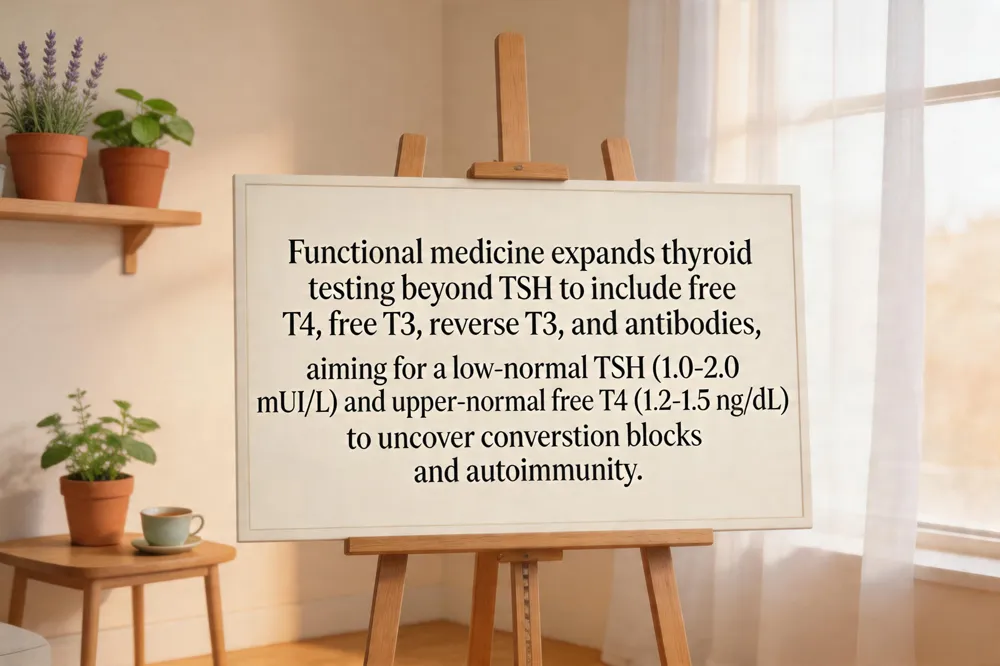 The thyroid makes T4, a pro‑hormone, and T3, the active form that drives metabolism, heart rate, temperature, and brain function. In functional medicine clinicians order a full panel—TSH, free T4, free T3, reverse T3 and thyroid antibodies (TPO, Tg, TSI)—to see not only production but also peripheral conversion and autoimmunity. Conventional labs often report only TSH and total hormones; functional panels reveal low free T3, high reverse T3 or rising antibodies that explain persistent fatigue despite “normal” TSH.
Optimal TSH levels in functional medicine – Practitioners aim for a low‑normal TSH of 1.0‑2.0 mIU/L (sometimes 0.5‑2.0 mIU/L). Values above 2.0 mIU/L suggest conversion problems or emerging autoimmunity; below 1.0 mIU/L may indicate excess hormone or overtreatment.
Optimal Free T4 levels in functional medicine – The target is the upper‑normal range, roughly 1.2‑1.5 ng/dL (12‑20 pmol/L). Below 1.0 ng/dL can cause sluggish metabolism; above 1.7 ng/dL may produce hyper‑thyroid symptoms.
Functional medicine thyroid levels – A comprehensive panel uses tighter optimal ranges (TSH 1.0‑2.0 mIU/L, free T3 2.5‑4.5 pg/mL, free T4 0.8‑1.2 ng/dL) and assesses reverse T3 and antibodies to uncover hidden conversion blocks or autoimmune activity.
Nutrient Foundations for Thyroid Health
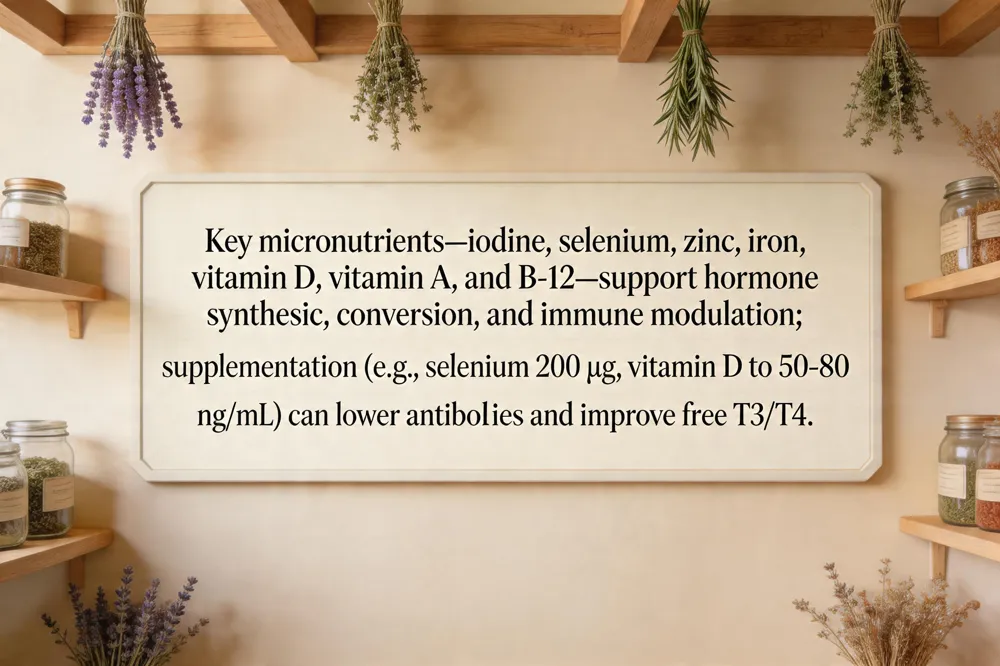 The thyroid relies on micronutrients for hormone synthesis and activation. Iodine supplies T4; selenium and zinc enable conversion to T3; iron supports peroxidase; vitamin D modulates immunity and reduces anti‑TPO antibodies; vitamin A and B‑vitamins aid conversion.
Natural thyroid support for Hashimoto’s A diet with supplements can calm autoimmunity. Selenium 200 µg/day and vitamin D3 to reach 50‑80 ng/mL are evidence‑based for lowering antibodies and improving conversion. Myoinositol 2 g with selenium or ashwagandha can stabilize TSH and raise free T3/T4. Zinc and antioxidant foods (Brazil nuts, berries, green tea) protect the gland. Gut health, stress reduction, and 7‑9 h sleep complete the plan.
Supplements to improve thyroid function Nutrients include iodine (150 µg RDA), selenium (100‑200 µg), zinc (15‑30 mg), iron (check ferritin), vitamin D (2000‑4000 IU), vitamin A (800‑3000 µg) and B‑12 (methylcobalamin). Doses should follow guidelines and be personalized after lab results.
Food to balance thyroid hormones Eat iodine‑rich seaweed, dairy, iodized salt; selenium‑dense Brazil nuts, fish, eggs; zinc/iron foods like shellfish, pumpkin seeds, beans; vitamin D from fatty fish or sunlight; vitamin A from carrots and sweet potatoes. Cook cruciferous vegetables, limit raw soy, and keep a fiber‑rich, anti‑inflammatory diet to support gut‑thyroid health. Stress reduction consistently, and adequate sleep complete the plan.
Gut‑Thyroid Axis and the Role of Dysbiosis
 Impact of gut health on nutrient absorption and autoimmunity
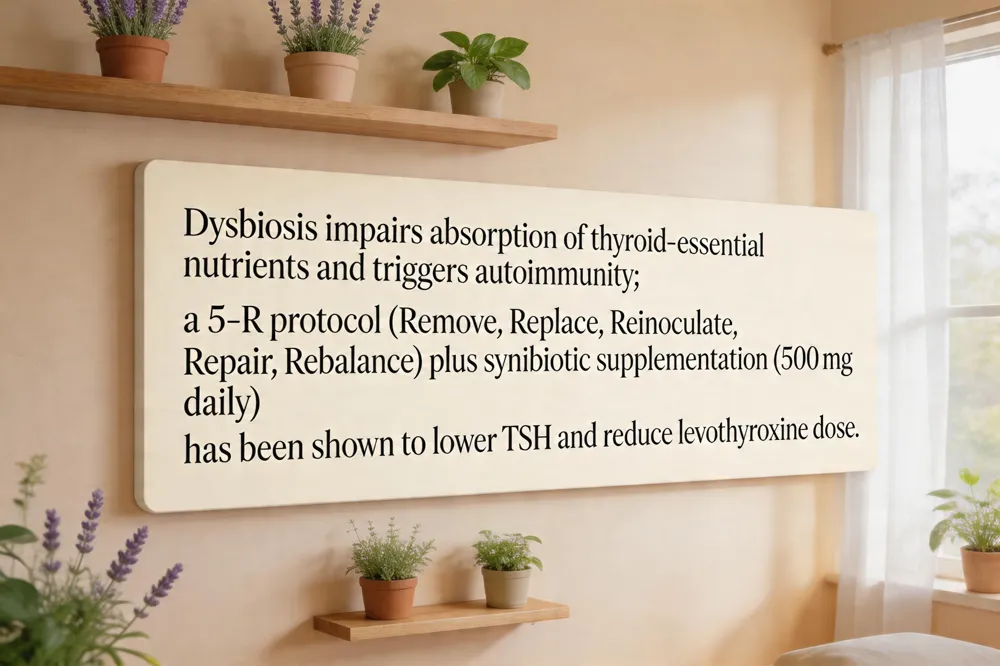
The gut‑thyroid axis is a cornerstone of functional medicine. Dysbiosis impairs absorption of iodine, selenium, zinc, iron, and vitamin D—micronutrients essential for T4 synthesis and its conversion to T3. Leaky gut allows antigens to trigger immune activation, raising anti‑TPO/Tg antibodies and perpetuating autoimmune thyroiditis such as Hashimoto’s.
Synbiotic trial evidence (2020 clinical trial)
A randomized 2020 trial (n = 60) gave hypothyroid patients 500 mg/day of a synbiotic for eight weeks. Results showed a statistically significant drop in TSH, a reduced levothyroxine dose, and lower fatigue severity versus placebo, illustrating how restoring a balanced microbiome can improve thyroid function.
5‑R gut protocol and microbiome restoration
Functional practitioners apply the 5‑R protocol: Remove irritants (gluten, excess soy, processed foods), Replace digestive enzymes and HCl, Reinoculate with probiotic strains (Lactobacillus rhamnosus, Bifidobacterium longum), Repair mucosal integrity (L‑glutamine, zinc‑carnosine), and Rebalance lifestyle (stress‑reduction, sleep, toxin avoidance).
Functional medicine hypothyroid protocol
A comprehensive lab panel (TSH, free T3/T4, antibodies, cortisol, vitamin D, ferritin, selenium, iodine, gut‑microbiome) guides targeted nutrition, gut‑healing, adaptogenic herbs, and lifestyle changes. Follow‑up labs every 8‑12 weeks fine‑tune treatment toward optimal thyroid balance.
How to increase thyroid hormone naturally
Ensure adequate iodine (seaweed, iodized salt, eggs), selenium and zinc (Brazil nuts, oysters, lean meats), vitamin D, B12, and omega‑3s. Embrace an anti‑inflammatory whole‑food diet, limit raw goitrogens, soy, and refined carbs, reduce endocrine‑disruptor exposure, manage stress, and separate levothyroxine from high‑fiber/mineral foods.
How to detox your thyroid naturally
Minimize plastics, choose fresh foods, and use glass containers. Fill meals with selenium‑rich Brazil nuts, zinc‑rich pumpkin seeds, and modest iodine from seaweed. Support a healthy microbiome with fermented foods and fiber, add anti‑inflammatory herbs (ginger, turmeric), and practice regular sleep, exercise, and stress‑reduction techniques.
Stress, Hormones, and the HPT Axis
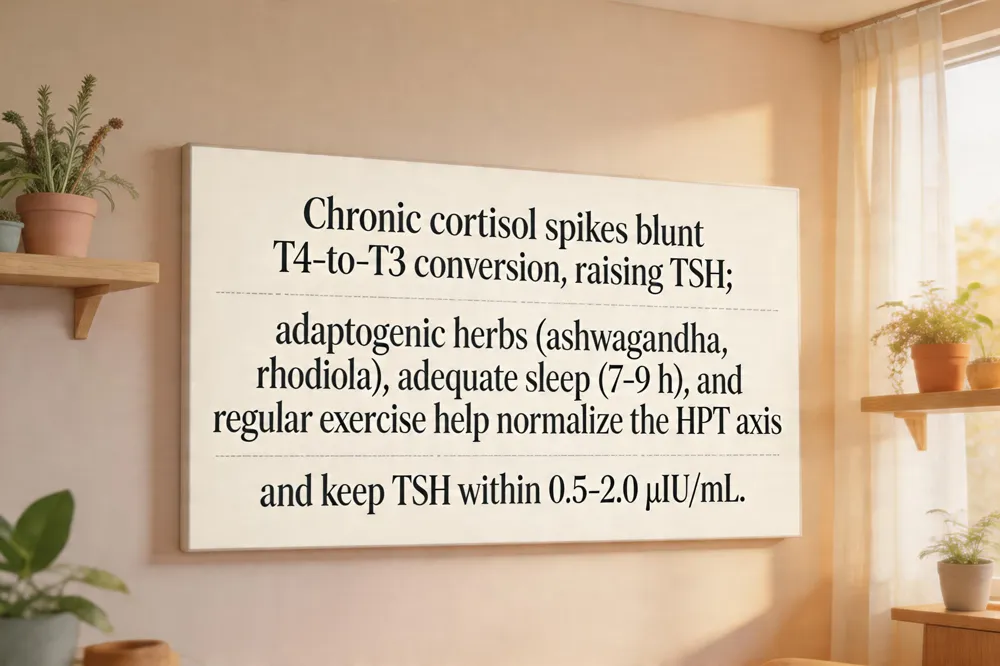 Cortisol spikes from chronic stress blunt the conversion of T4 to the active hormone T3, often raising TSH as the body tries to compensate. Adaptogenic herbs such as ashwagandha, rhodiola, and lemon balm can help modulate the hypothalamic‑pituitary‑adrenal axis, lowering cortisol and supporting smoother T4‑to‑T3 conversion. Good sleep hygiene—aiming for 7‑9 hours of restorative rest—and regular moderate exercise (150 minutes of aerobic activity plus strength work each week) further balance cortisol, improve peripheral conversion, and keep TSH within the optimal 0.5‑2.0 µIU/mL range.
How to lower TSH levels safely Address underlying gaps (iodine, selenium, zinc, vitamin D, B‑12) with a nutrient‑dense, anti‑inflammatory diet, add targeted supplements (selenium 200 µg, zinc 30 mg), and practice stress‑reduction (yoga, meditation). Monitor labs every 6‑12 weeks and adjust levothyroxine only under professional guidance.
How to control thyroid in females Prioritize whole‑food nutrition, regular aerobic/strength exercise, and stress‑management techniques. Track symptoms and labs regularly; combine conventional medication with functional strategies when needed.
How to decrease thyroid hormone naturally Adopt a modest‑iodine diet, include cooked goitrogenic vegetables, lower stress, ensure adequate sleep, support gut health with fermented foods, and consider calming herbs like lemon balm after consulting a clinician.
Autoimmune Thyroid Disease: Hashimoto’s and Management
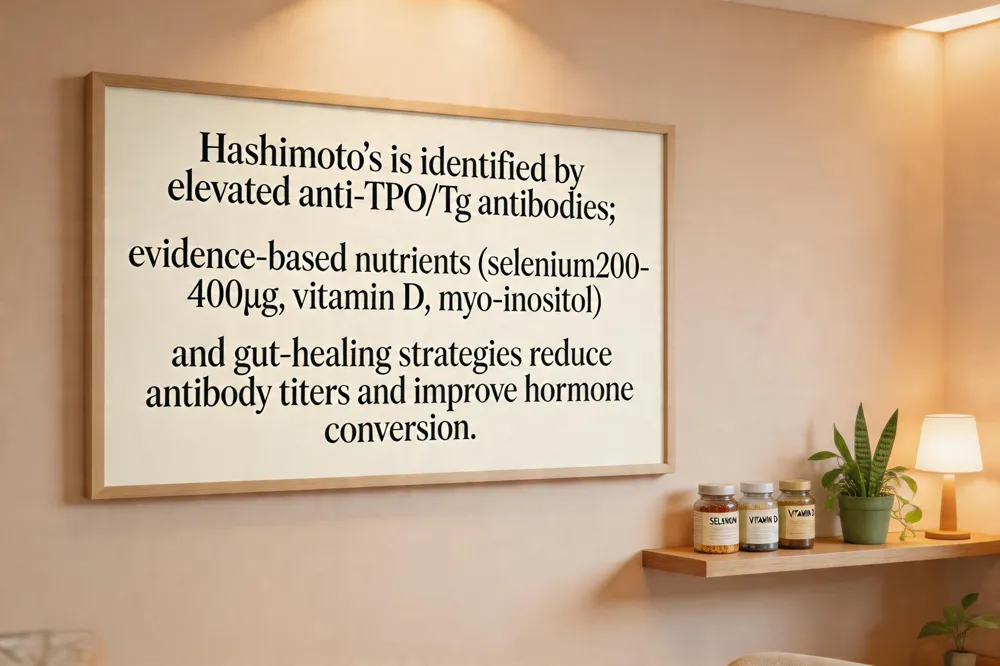 Hashimoto’s thyroiditis affects roughly 7.5‑11.4 % of the global population and is diagnosed by elevated anti‑TPO or anti‑TG antibodies. Routine testing for these antibodies helps identify sub‑clinical disease before symptoms become severe. Evidence‑based nutrients that support thyroid health include selenium (200‑400 µg/day) which reduces TPO‑Ab titers and aids T4→T3 conversion, vitamin D (aiming for 25‑OH levels 30 ng/mL) to modulate immune activity, and myo‑inositol (400‑800 mg twice daily) which improves insulin signaling and may lower antibody levels. Lifestyle factors that influence autoimmunity are stress, sleep, gut health, and toxin exposure. Chronic stress raises cortisol, impairing deiodinase activity; mindfulness, yoga, and adequate 7‑9 hours of sleep are essential. A gut‑thyroid axis is supported by a high‑fiber, fermented‑food diet and synbiotic supplementation (500 mg/day for eight weeks) that has been shown to lower TSH and levothyroxine dosage. Reducing exposure to endocrine‑disrupting chemicals (BPA, phthalates, heavy metals) through filtered water, glass storage, and organic foods further protects the gland.
What are hypothyroid legs? They are swelling, heaviness, muscle weakness, cramping, or numbness in the lower extremities caused by slowed metabolism and fluid imbalance from low T3/T4. Management includes optimal hormone replacement, low‑sodium nutrient‑dense diet, hydration, and gentle exercise to improve circulation.
How do I get my thyroid to produce more hormones? Ensure adequate iodine (150 µg/day), selenium, zinc, iron, vitamin A, and vitamin D; eat anti‑inflammatory whole foods; limit processed sugars and goitrogenic excess; manage stress; improve sleep; and minimize toxin exposure.
How I healed my hypothyroidism After comprehensive functional‑medicine testing revealed high anti‑TPO antibodies, chronic stress, and BPA exposure, I eliminated processed foods, plastics, and added stress‑dense foods rich in selenium, zinc, and iodine. Supplementation with liquid iodine, myo‑inositol, and adaptogenic herbs, combined with yoga, mindfulness, and nightly magnesium baths, lowered my TSH and restored free‑T3 within six months, allowing a reduced levothyroxine dose.
Targeted Therapeutic Strategies and Medication Optimization
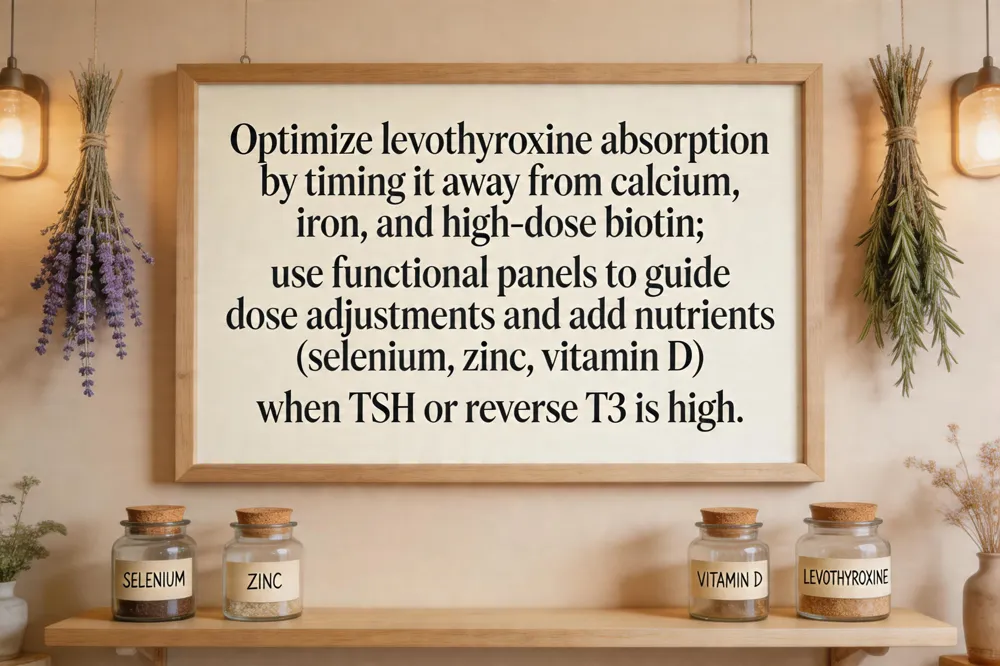 Levothyroxine absorption is blocked by calcium, iron, high‑dose biotin and some foods. Take the pill on an empty stomach and wait four hours before calcium‑rich meals, iron supplements, or soy. A 2020 randomized trial of 60 hypothyroid patients on levothyroxine showed that eight weeks of 500 mg synbiotic (pre‑ and probiotics) lowered TSH, reduced the levothyroxine dose and lessened fatigue versus placebo. Clinicians use the IFM Matrix and panels (TSH, free T4, free T3, reverse T3, antibodies) to identify conversion issues and aim for a TSH of 0.5–2.5 mIU/L. When labs show high TSH or reverse T3, the levothyroxine dose is tapered while adding selenium, zinc and vitamin D.
Thyroid foods to avoid – limit soy, raw cruciferous veg, kelp supplements and gluten as they impair synthesis or absorption. Can thyroid problems cause high hematocrit? Yes, hyperthyroidism can raise red‑cell counts; severe hypothyroidism may cause anemia. How to increase T3 and T4 naturally – ensure iodine, selenium, zinc, iron, vitamin D, B‑12, reduce stress, avoid endocrine disruptors and consider adaptogenic herbs like ashwagandha under guidance.
Special Considerations for Women
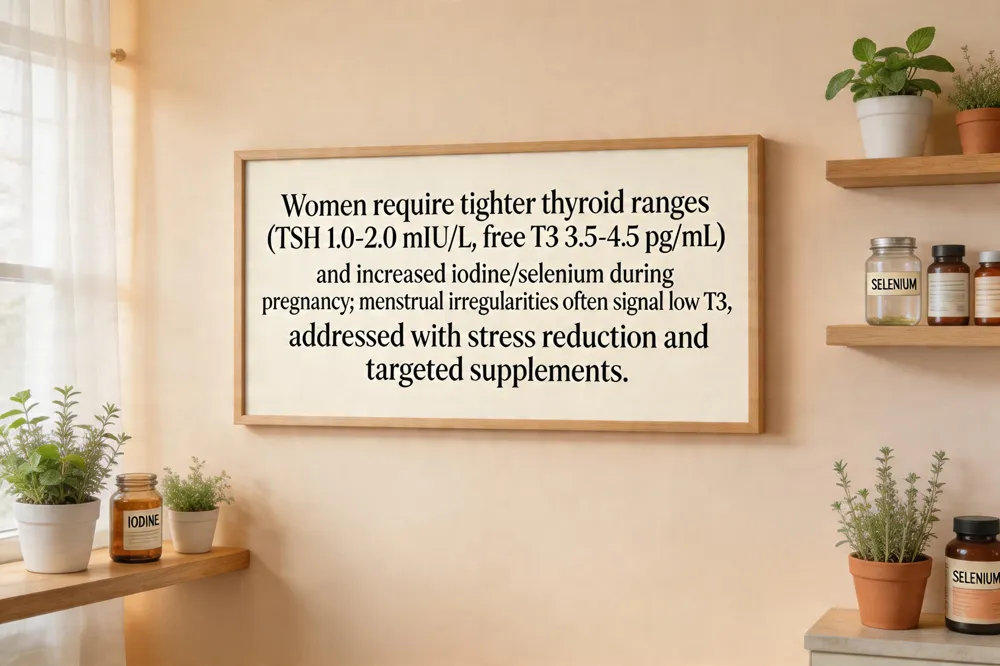 Women are disproportionately affected by thyroid disorders—about 8‑10 times more likely than men to develop hypothyroidism, and hormonal shifts during the menstrual cycle, pregnancy, and menopause can further destabilize thyroid balance. Functional‑medicine protocols use tighter hormone windows for women: TSH ≈ 1.0‑2.0 mIU/L, free T4 ≈ 1.0‑1.5 ng/dL, free T3 ≈ 3.5‑4.5 pg/mL, and reverse T3 < 15 ng/dL. Antibody testing (TPO, Tg) is routine because autoimmune thyroiditis is common in females. Pregnancy raises iodine and selenium needs and alters deiodinase activity, so clinicians aim for TSH < 2.5 mIU/L and ensure adequate micronutrients. Menstrual irregularities may signal low T3; diet, stress‑reduction, and targeted supplements (selenium 200 µg, zinc 15 mg) can improve conversion.
Optimal thyroid levels for females in functional medicine
In functional‑medicine practice the goal is to keep TSH in a tighter “optimal” window of roughly 1.0‑2.0 mIU/L for most women, rather than the broader conventional range of up to 4.0 mIU/L. Free T4 should sit near 1.0‑1.5 ng/dL and free T3 at 3.5‑4.5 pg/mL. Reverse T3 is kept low (under 15 ng/dL) because elevated levels can block receptors. Antibody panels are checked, as many women have underlying autoimmunity. When these targets are met and symptoms improve, women report greater energy, mood stability, and metabolic balance.
Can hypothyroidism be reversed without medication?
Mild or subclinical hypothyroidism may improve when underlying causes—such as iodine deficiency or inflammation—are addressed, but most overt cases do not reverse without hormone replacement. Nutrient‑rich diet, adequate selenium and B12, stress reduction, and regular exercise support thyroid function and alleviate symptoms, yet they rarely replace levothyroxine. Regular monitoring determines if hormone levels normalize; persistent elevation of TSH with low T4/T3 usually warrants medication. In short, supportive measures improve well‑being, but lasting reversal of hypothyroidism typically requires medication.
Monitoring Progress and Adjusting the Protocol
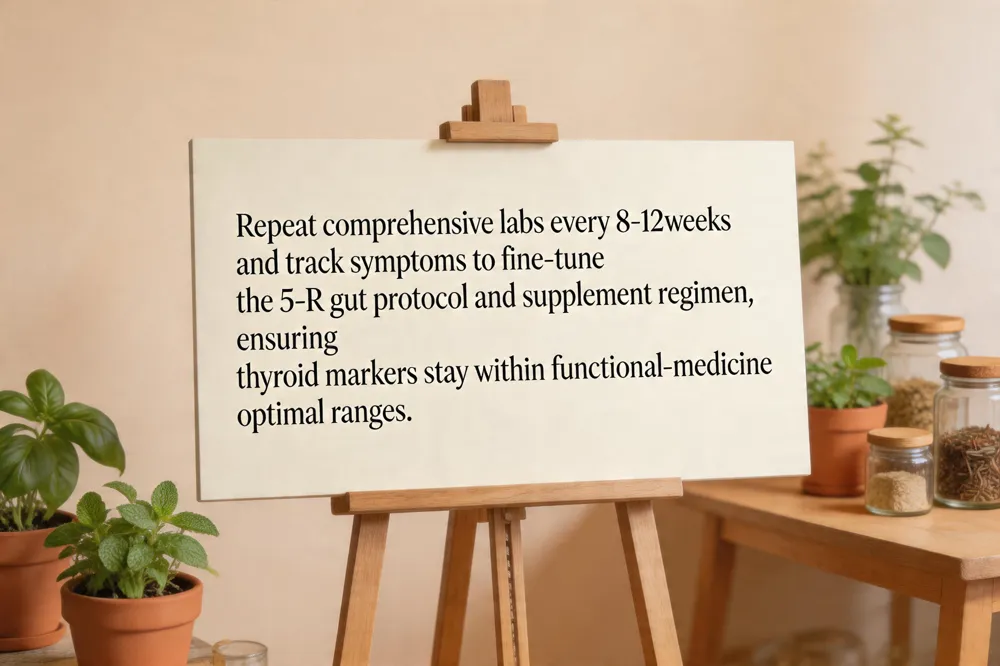 Regular lab retesting is the backbone of a functional‑medicine thyroid plan. Most clinicians repeat a comprehensive panel—including TSH, free T3, free T4, reverse T3, thyroid antibodies, cortisol, vitamin D, ferritin, selenium, iodine, and a gut‑microbiome screen—every 8‑12 weeks after any change in medication, supplement, or diet. This interval catches trends before symptoms flare and guides dose adjustments.
Symptom‑tracking tools such as daily energy logs, mood questionnaires, and wearable sleep‑rate trackers help translate lab numbers into real‑world experience. Patients are encouraged to note fatigue intensity, temperature sensitivity, menstrual patterns, and bowel habits, which often shift before hormone values do.
When labs or symptoms indicate sub‑optimal conversion, the adaptive 5‑R gut protocol is fine‑tuned: Remove offending foods (gluten, soy, excess cruciferous veg), Replace deficient nutrients (selenium 200 µg, zinc 15‑30 mg, iodine 150 µg), Reinoculate with a targeted synbiotic (500 mg/day) to reduce TSH, Repair gut lining with L‑glutamine and collagen peptides, and Rebalance stressors through mindfulness, adequate sleep (7‑9 h), and adaptogens like ashwagandha. By iterating labs, symptoms, and the 5‑R steps, the protocol remains personalized and dynamic, keeping thyroid function within the functional‑medicine optimal range.
Conclusion
Functional‑medicine care for thyroid health rests on four pillars: nutrition, gut‑immune balance, toxin reduction, and stress‑management. By correcting iodine, selenium, zinc and iron status, supporting a diverse microbiome, limiting endocrine‑disrupting chemicals, and using mindfulness or adaptogenic herbs, patients can improve hormone synthesis, conversion and cellular sensitivity. Personalized laboratory panels that include TSH, free T3, free T4, reverse T3, and thyroid antibodies reveal hidden conversion defects and autoimmune activity, allowing clinicians to adjust supplements, diet and medication in real time. Ongoing monitoring every six to twelve weeks ensures that interventions remain effective and that any new imbalances are addressed promptly. Harmony Care invites women who experience fatigue, weight changes, mood shifts or other thyroid‑related concerns to schedule a comprehensive, integrative evaluation. Our team combines evidence‑based functional tools with compassionate, individualized care to restore hormonal balance and promote lasting wellness.