Why an Integrative Approach Matters
Phytoestrogens such as soy isoflavones, red clover, and flaxseed lignans bind weakly to estrogen receptors, modestly easing hot‑flash frequency, night‑sweats, and supporting bone density and lipid profiles. When these herbs are paired with lifestyle measures—regular aerobic and weight‑bearing exercise, a Mediterranean‑style diet rich in calcium, vitamin D, and whole‑grain fiber, adequate sleep hygiene, and stress‑reduction practices like yoga or mindfulness—the combined effect exceeds the sum of each part. Clinical meta‑analyses report 30‑50 % reductions in vasomotor symptoms with 50‑100 mg daily isoflavones and 30 g ground flaxseed, while integrative programs that add exercise and stress management show greater overall quality‑of‑life improvements than supplements alone. This evidence supports a personalized, hormone‑free strategy that addresses both hormonal and non‑hormonal contributors to menopausal discomfort.
Herbal Phytoestrogen Supplements and Their Clinical Impact
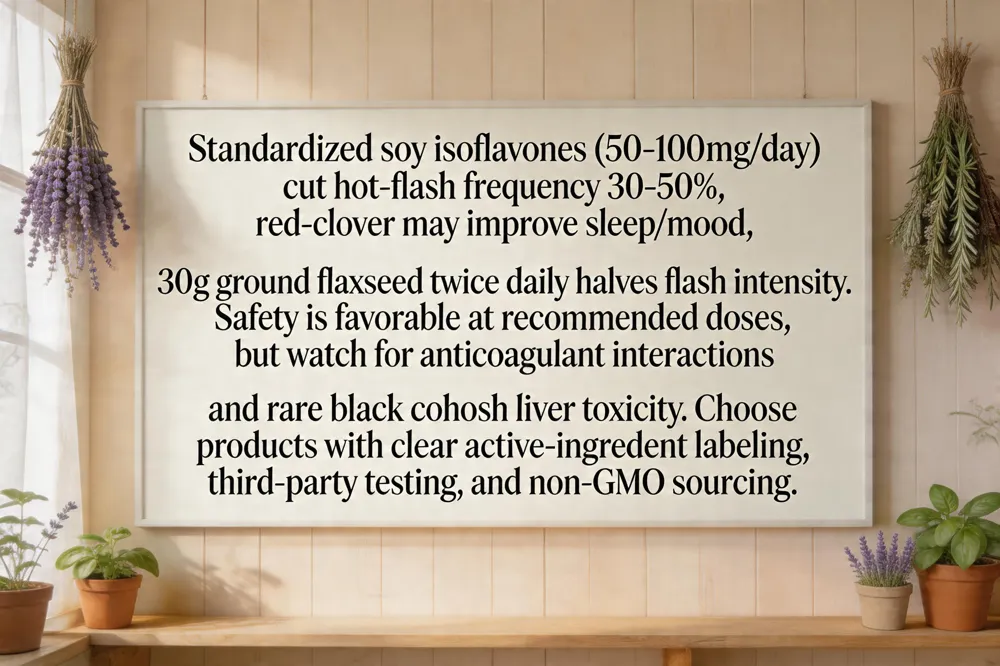 Phytoestrogen supplements contain plant‑derived compounds—most commonly soy isoflavones (50‑100 mg/day) reduce hot‑flash frequency by 30‑50 % in many women, red‑clover may improve sleep and mood, and 30 g of ground flaxseed twice daily can halve flash intensity. However, meta‑analyses also report high heterogeneity and many trials with limited power, so individual response varies. Safety is generally favorable when used at recommended doses, but interactions with anticoagulants and hormone‑sensitive conditions have been reported; black cohosh carries rare liver‑toxicity warnings. When choosing a product, look for standardized extracts, clear labeling of active phytoestrogen content, third‑party testing, and non‑GMO sourcing. Integrating these supplements with a Mediterranean‑style diet rich in whole‑food phytoestrogens, regular aerobic and weight‑bearing exercise, adequate calcium/vitamin D intake, and stress‑reduction practices (yoga and mindfulness) offers the most reliable, holistic relief for menopausal symptoms.
Lifestyle Strategies to Amplify Phytoestrogen Benefits
 Perimenopause management
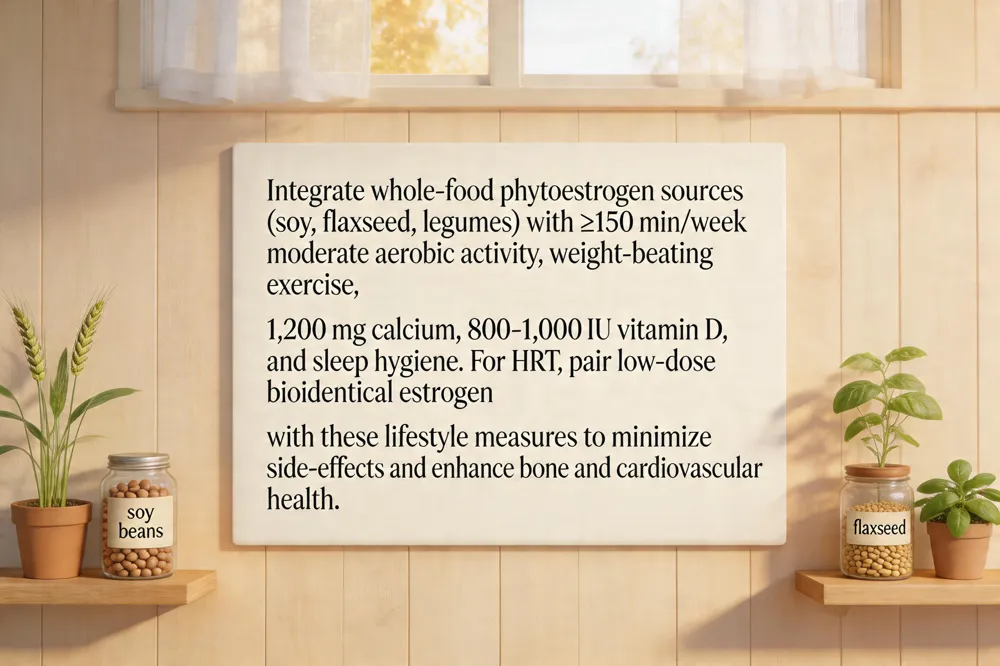
Combine a whole‑food, phytoestrogen‑rich diet (soy, flaxseed, legumes) with 150 min/week of moderate aerobic activity and weight‑bearing exercise to protect bone density and moderate mood swings. Adequate calcium (≈1,200 mg) and vitamin D (800‑1,000 IU) support skeletal health, while regular sleep hygiene (cool bedroom, consistent bedtime) eases hot flashes.
Integrative medicine HRT
When hormone therapy is needed, integrative clinicians pair low‑dose bioidentical estrogen with lifestyle measures—exercise, stress‑reduction, and nutrient optimization—to minimize side‑effects and enhance cardiovascular and bone outcomes.
7 natural menopause treatments that really work
Evidence‑based options include: (1) phytoestrogen foods, (2) aerobic + resistance exercise, (3) mindfulness or yoga, (4) black cohosh or red clover under professional guidance, (5) adequate sleep hygiene, (6) omega‑3‑rich diet, and (7) hydration with trigger avoidance (caffeine, alcohol, spicy foods).
Natural remedies for menopause night sweats
Use black cohosh, soy isoflavones, or ground flaxseed; keep the sleeping environment cool, wear breathable layers, and practice evening yoga or deep‑breathing to lower cortisol.
Natural remedies for menopause mood swings
Regular brisk walking, CBT, or mindfulness‑based stress reduction, omega‑3/fish intake, magnesium, and adaptogens such as ashwagandha or maca can stabilize mood and improve emotional well‑being.
Targeted Supplements for Metabolic Health and Belly‑Fat Management
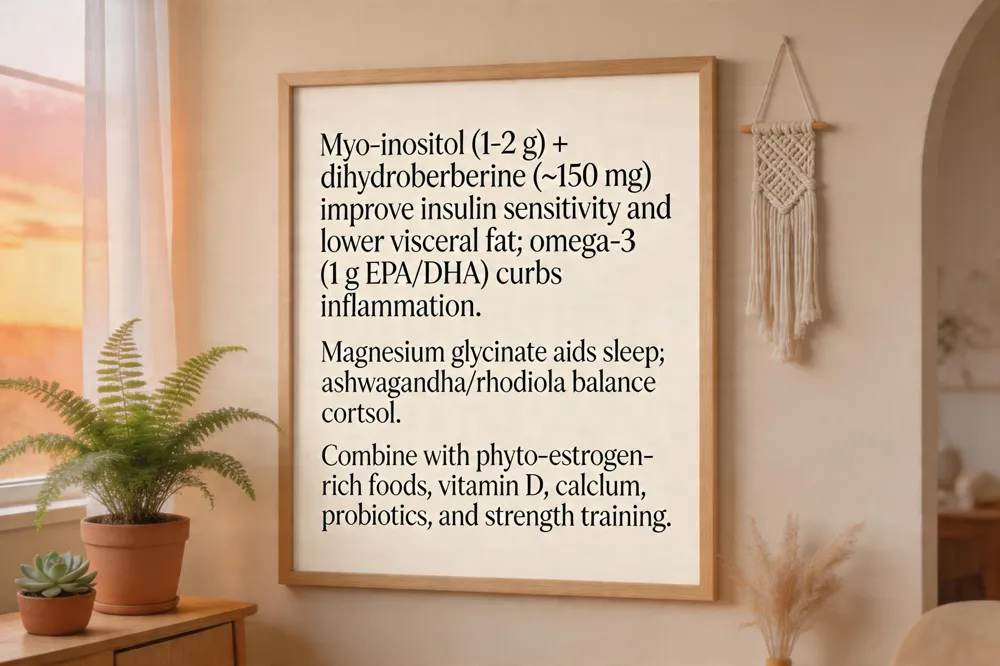 A patient‑centered, evidence‑based plan for perimenopause and menopause‑related weight changes starts with nutrients that improve insulin sensitivity and calm inflammation. Myo‑inositol (1‑2 g daily) together with dihydroberberine (≈150 mg) has been shown to lower visceral fat and stabilize blood glucose, while omega‑3 fatty acids (e.g., 1 g of EPA/DHA from fish oil or algae) reduce inflammatory pathways that encourage abdominal storage. Magnesium glycinate supports sleep and stress reduction, both crucial for a healthy metabolism. Adaptogenic herbs such as ashwagandha or rhodiola balance cortisol, helping to preserve muscle mass and curb mid‑section gain.
Natural remedies for menopause‑related weight gain also include a plant‑rich diet rich in phyto‑estrogens (soy, tofu, flaxseed, lentils) that modestly support estrogen activity, along with vitamin D and calcium and a high‑quality probiotic to promote a balanced gut microbiome. Strength‑training and mindful movement preserve lean tissue, boosting resting metabolism.
To increase estrogen naturally after menopause, incorporate soy isoflavones, red clover, and flaxseed lignans while ensuring adequate boron, B‑complex, vitamin D, and vitamin E. Lifestyle pillars—weight‑bearing exercise, stress‑reduction practices (yoga, meditation, and consistent sleep—further support hormone balance. All supplements should be discussed with a healthcare provider to confirm safety, especially for women with hormone‑sensitive conditions or on anticoagulants.
Mind‑Body Practices and Nutrient Support for Mood, Anxiety, and Fatigue
 Women navigating menopause often experience anxiety, mood swings, and persistent fatigue. Evidence‑based mind‑body tools—yoga, mindfulness meditation—lower cortisol, improve thermoregulation, and have been linked to a 20‑30 % reduction in perceived menopausal symptoms. Regular practice (30 minutes most days) also enhances sleep quality, a cornerstone for emotional stability.
Adaptogenic herbs such as ashwagandha, maca, and black cohosh may modulate stress pathways and support adrenal balance; they should be taken under professional guidance, especially when anticoagulants or hormone‑sensitive conditions are present.
Key vitamins for energy include B‑complex (B6, B12, folate) for cellular metabolism, vitamin D for mood and musculoskeletal health, and antioxidant vitamins E and C to protect against oxidative stress that can exacerbate fatigue. Magnesium works synergistically to promote muscle relaxation and restorative sleep.
Sleep hygiene—consistent bedtime, a cool dark bedroom, limited caffeine/alcohol after noon, and a brief evening wind‑down—further reduces night‑time vasomotor spikes and supports overall vitality.
Natural remedies for menopause anxiety: CBT, yoga, and probiotic‑supported gut‑brain health, combined with calming botanicals (black cohosh, St. John’s wort, ginseng) when medically appropriate.
Natural remedies for mood swings: Aerobic exercise, mindfulness‑based stress reduction, probiotic strains, adaptogens (ashwagandha, maca), omega‑3 fatty acids, magnesium, and a whole‑food diet.
Vitamins for menopause fatigue: B‑complex, vitamin D, vitamins E and C, and magnesium, paired with balanced nutrition and regular movement.
Vitamins to support estrogen pathways: B‑vitamins, vitamin D, vitamin E, and vitamin C contribute to hormone synthesis and antioxidant protection, forming part of a comprehensive, personalized wellness plan.
Practical Protocols, Nutritional Plans and Emerging Therapies
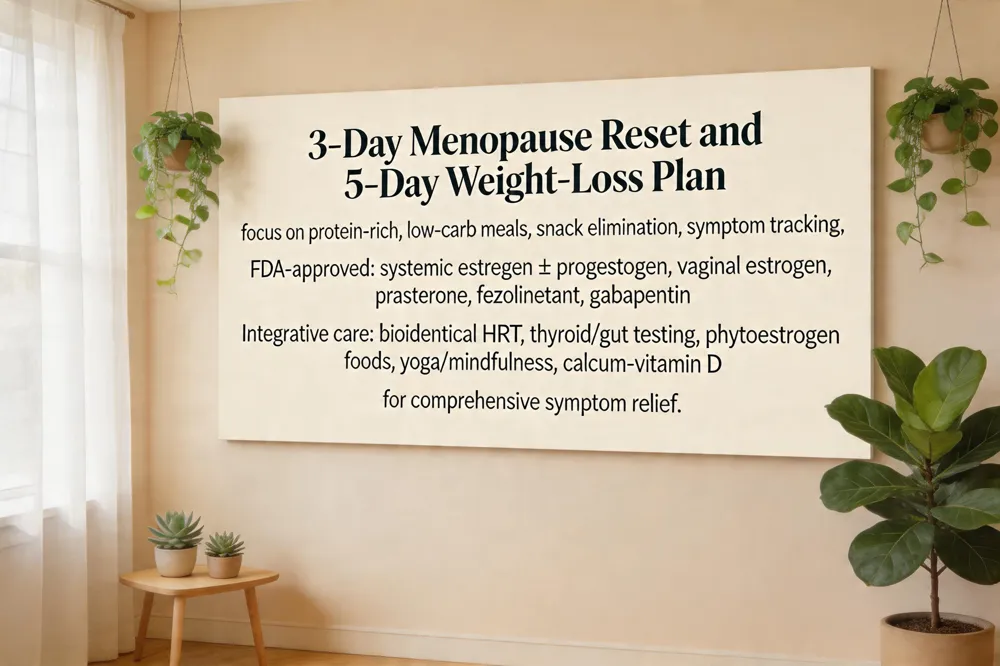 A 3‑Day Menopause Reset focuses on blood‑sugar stability by swapping processed carbs for protein‑rich meals and nutrient‑dense vegetables, eliminating between‑meal snacks, and eating three balanced meals daily. Within three days many women notice steadier energy, reduced cravings and modest weight loss. The 5‑Day Menopause Weight‑Loss Plan builds on this foundation with whole‑food, hormone‑balancing meals: a protein‑shake breakfast/lunch, low‑carb high‑protein dinners such as grilled salmon or vegetable‑packed lasagna, and daily tracking of weight and symptoms to fine‑tune portions. FDA‑approved menopause treatments now include systemic estrogen ± progestogen (pills, patches, gels), low‑dose vaginal estrogen or prasterone, and non‑hormonal options like the NK1‑receptor antagonist fezolinetant (Veozah) and gabapentin for hot flashes. Integrative medicine combines bioidentical HRT with personalized lifestyle—thyroid and gut testing, phytoestrogen‑rich foods (soy, flaxseed, red clover), regular aerobic and resistance exercise, yoga or mindfulness, and adequate calcium‑vitamin D—to relieve vasomotor symptoms, protect bone density and support overall wellness. This patient‑centered, evidence‑based approach tailors therapy to each woman’s health profile and preferences.
Putting It All Together for Sustainable Menopause Relief
Creating a sustainable menopause plan starts with a personalized blend of phytoestrogen‑rich foods, supplements, and lifestyle habits that fit each woman’s hormonal profile and health history. Choose soy isoflavones, red clover, or flaxseed lignans at 50‑100 mg isoflavones daily and pair them with a Mediterranean diet, 150 minutes of moderate aerobic activity, weight‑bearing exercise, and daily stress‑reduction practices such as yoga. Record hot‑flash frequency, sleep quality, bone‑health markers, and any side effects in a diary or app. Review results every 4‑6 weeks with an integrative practitioner who can adjust dosages, screen for drug interactions, and monitor liver and cardiovascular safety, creating a dynamic, evidence‑based roadmap to long‑term relief.