Introduction
Menopause marks the permanent end of menstrual cycles, usually occurring between ages 45 and 55, and brings a range of symptoms such as hot flashes, night sweats, mood swings, sleep disturbances, vaginal dryness, and bone‑density loss. Because each woman’s hormonal trajectory, health history, and lifestyle are unique, a one‑size‑fits‑all treatment plan often falls short. Integrative care blends evidence‑based natural strategies—like phytoestrogen‑rich foods, mind‑body practices, safe herbal extracts, acupuncture, and personalized nutrition—with conventional medicine, allowing women to address vasomotor symptoms, emotional wellbeing, and long‑term health in a coordinated way. This article is organized into three parts: (1) a concise overview of menopause physiology and common complaints; (2) an examination of integrative modalities and the science behind them; and (3) practical tips for building a personalized, safe, and sustainable symptom‑management plan. By the end, you will feel empowered to choose options that align with your values and health goals.
Phytoestrogen‑Rich Foods and Herbal Allies for Hot Flashes
 Soy isoflavones and red clover are the most studied phytoestrogen sources for vasomotor relief. A 2016 meta‑analysis of 62 studies showed modest reductions in hot‑flash frequency and vaginal dryness with soy supplements, while red clover extracts have decreased flash frequency in women with severe symptoms. Both foods contain isoflavones that bind weakly to estrogen receptors, providing a gentle estrogenic signal that can stabilize the hypothalamic temperature‑regulation center.
Black cohosh and flaxseed complement soy and red clover. Black cohosh (e.g., Remifemin) has demonstrated modest flash reductions, though liver safety must be monitored. Flaxseed supplies lignans that convert to enterolignans with weak estrogenic activity; trials are mixed, but short‑term use is generally well tolerated.
Mechanistically, these botanicals act through mild estrogen receptor agonism, modulation of serotonin pathways, and anti‑inflammatory effects, which together dampen the sympathetic surge that triggers flashes.
Natural remedies for menopause hot flashes – Focus on trigger avoidance (caffeine, alcohol, spicy foods), cooling habits, paced breathing, and phytoestrogen‑rich herbs (black cohosh, red clover, soy, flaxseed). Acupuncture and hypnosis add modest benefit. Discuss plans with a qualified practitioner.
Supplements for menopause symptoms – Black cohosh shows the strongest evidence for flash reduction; flaxseed and red clover provide modest support. Calcium (≈1,200 mg/day) and vitamin D (≈600‑800 IU/day) protect bone health. Always verify supplement quality and consult a healthcare professional before starting.
Mind‑Body Practices to Calm the Menopausal Mind
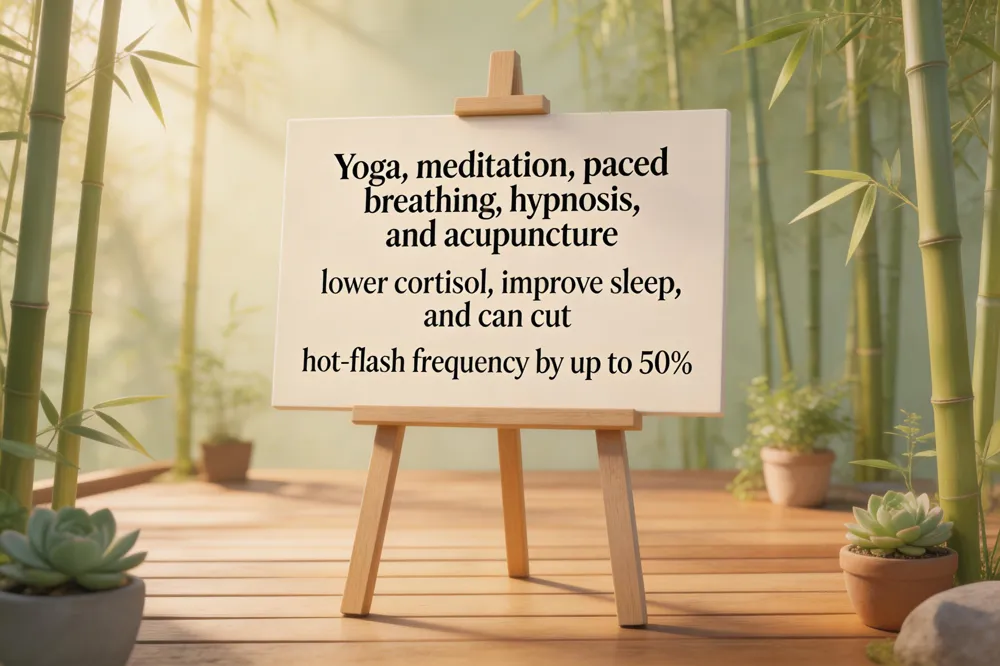 Yoga, meditation and paced breathing (≈6 breaths/min) gently shift the autonomic balance, lowering cortisol and improving sleep—key for hot‑flash and anxiety control. Clinical hypnosis and guided imagery, when delivered by trained therapists, have shown ≥50% reductions in flash frequency and mood‑related distress, offering a drug‑free option for many women. Acupuncture, applied to thermoregulatory points, modestly reduces vasomotor severity and enhances sleep quality, likely by modulating neuro‑vascular pathways.
Natural remedies for menopause anxiety – Herbs such as black cohosh, red clover, evening primrose oil, and adaptogen ashwagandha may support estrogen balance and lower cortisol; probiotic blends targeting the gut‑brain axis also help. Discuss any supplement with a clinician.
Natural remedies for menopause fatigue – Regular low‑impact exercise (yoga, walking), omega‑3‑rich foods, adequate hydration, and deep‑breathing improve circulation and sleep. Herbs like black cohosh or red clover provide modest energy support.
Functional‑medicine hot‑flash approach – Lab‑guided identification of hormonal, thyroid, adrenal, or gut dysbiosis guides a phytoestrogen‑rich anti‑inflammatory diet, magnesium, vitamin D, and adaptogens to restore thermoregulation.
Remedies for menopause symptoms – Combine low‑dose HRT (or non‑hormonal SSRIs/gabapentin) with lifestyle tweaks (cool layers, trigger avoidance), phytoestrogen foods, weight‑bearing exercise, and complementary therapies (Acupuncture, herbal formulas, mindfulness‑based counseling) for personalized relief.
Weight Management and Metabolic Support
 Integrative weight‑management for menopause begins with a phytoestrogen‑rich calorie‑balanced diet. Whole‑food soy, tofu, flaxseed, lentils and legumes supply isoflavones and lignans that modestly ease vasomotor symptoms and support metabolic health, while adequate calcium (1,200‑1,500 mg) and vitamin D (400‑800 IU) protect bone density. Exercise should blend moderate aerobic activity (30 min most days) with resistance training 2‑3 times weekly to preserve lean muscle, improve insulin sensitivity, and curb central fat gain. Mind‑body practices such as yoga or tai‑chi add stress‑reduction benefits that further aid weight control. Herbal options that have shown modest effects on abdominal fat include black cohosh, red clover, sage and fenugreek, all of which contain phytoestrogens or compounds that may improve insulin sensitivity and appetite regulation. Because evidence for direct weight‑loss is limited, these herbs are best used under professional guidance and combined with nutrition and exercise. A sustainable plan also involves sleep hygiene, stress‑management coaching, and regular monitoring of hormone and metabolic markers to personalize interventions. Personalized coaching helps translate these evidence‑based strategies into daily habits.
Lifestyle Pillars and Hormone Balance Without HRT
 Nutrition, sleep, and stress management
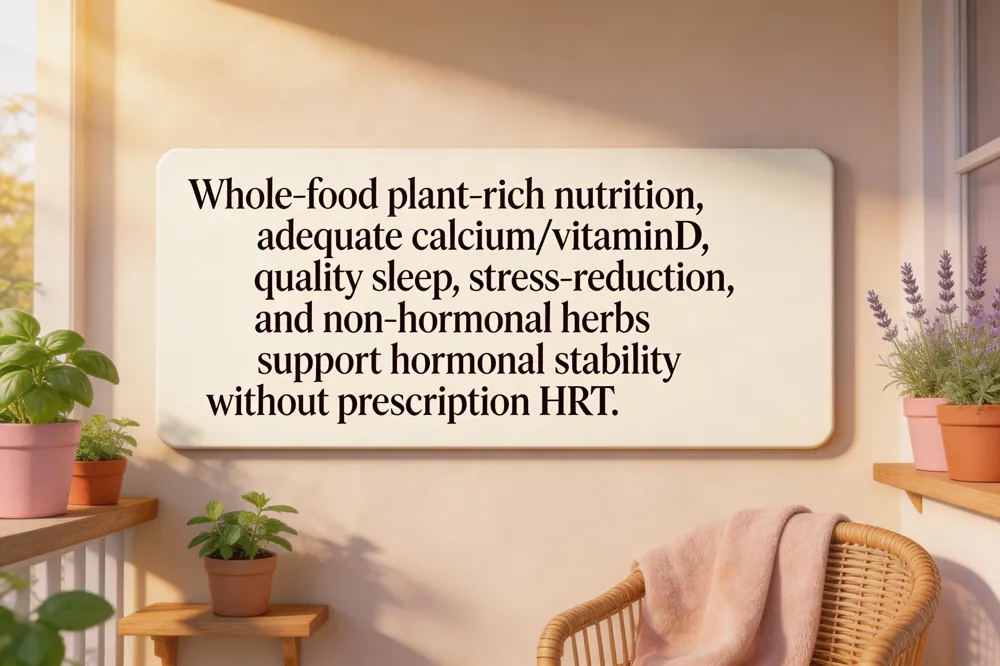
A whole‑food, plant‑rich diet that supplies calcium, vitamin D, omega‑3s and phytoestrogens (soy, flaxseed, legumes) supports bone health and can modestly ease hot flashes. Aim for protein at each meal, limit refined sugars and stay hydrated. Quality sleep (7‑9 hours) and a cool bedtime environment reduce night sweats, while daily stress‑reduction practices such as mindful breathing, yoga or meditation lower cortisol, which otherwise disrupts estrogen and progesterone balance.
Nutrition, sleep, and stress management
A whole‑food, plant‑rich diet that supplies calcium, vitamin D, omega‑3s and phytoestrogens (soy, flaxseed, legumes) supports bone health and can modestly ease hot flashes. Aim for protein at each meal, limit refined sugars and stay hydrated. Quality sleep (7‑9 hours) and a cool bedtime environment reduce night sweats, while daily stress‑reduction practices such as mindful breathing, yoga or meditation lower cortisol, which otherwise disrupts estrogen and progesterone balance.
Non‑hormonal hormone‑balancing strategies Evidence‑backed herbs—black cohosh, red clover, maca, ashwagandha, chasteberry—may be used under professional guidance to gently support estrogenic activity and mood. Regular aerobic and resistance exercise helps maintain healthy body weight, improves insulin sensitivity and stabilizes hormonal rhythms. Probiotic‑rich foods aid gut conversion of inactive hormones to active forms.
Why menopause cannot be stopped Menopause is a natural, age‑related ovarian shutdown that no medication can halt. Genetics set the timing, though healthy lifestyle choices can modestly delay onset and lessen symptom severity. Hormone‑replacement therapy relieves symptoms but does not postpone the transition.
Finding Functional‑Medicine Menopause Care Near You
 Functional medicine menopause near me – Seek clinics focused on women’s hormone health with virtual and in‑person options. In Pennsylvania, Functional Medicine Solutions’ Root & Rise Hormone Clinic offers personalized testing, bioidentical HRT and flexible membership for Philadelphia, Pittsburgh, Harrisburg. In Birmingham, Birmingham Integrative Health and Vitalogy Wellness provide hormone‑balancing protocols, IV nutrients, acupuncture and labs.
Functional medicine women’s health near me – In Birmingham, Dr. Melanie Miller (Birmingham Integrative Health) and Dr. Farah T. Sultan (Vitalogy Wellness) offer nutrition, lifestyle coaching and bio‑identical hormone replacement. Nearby practices such as Sparrow Health & Performance and The Ryan Clinic also prioritize holistic care.
Functional medicine hormone specialist near me – Use the IFM “Find a Practitioner” directory with your ZIP code. Concierge clinics like My Pure MD (Houston) or Kale Functional Medicine offer hormone panels, bioidentical‑hormone regimens and tele‑health follow‑up.
IFM Menopause Decision Tree – This algorithm evaluates symptom severity, cardiovascular and bone risk, age and comorbidities to guide low‑dose transdermal estradiol, micronized progesterone or non‑hormonal options, integrating lifestyle and nutraceuticals.
Latest menopause treatments – Low‑dose transdermal estrogen patches, vaginal estrogen and the NK‑3 antagonist Fezolinetant (Veozah) are evidence‑based. Non‑hormonal agents include SSRIs/SNRIs, gabapentin and clonidine. Complementary practices—phytoestrogen‑rich foods, yoga, acupuncture and tailored botanical formulas—can amplify relief.
Evidence‑Based Complementary Modalities
 Acupuncture and its efficacy: Some trials report ~30 % fewer hot flashes and better sleep, others show no benefit; safe when performed by practitioners.
Clinical hypnosis and guided imagery: Hypnosis can cut hot‑flash frequency by ≥50 % and improve mood; guided imagery is low‑risk.
Alternative therapies overview: Phytoestrogen foods (soy, flaxseed, red clover) aid vasomotor symptoms but lack strong evidence. Black cohosh and evening‑primrose oil are popular yet may cause liver issues. Mind‑body practices (yoga, mindfulness, tai‑chi) improve health and may lessen flashes. Bioidentical hormones are not proven superior to therapy.
Answers: – Alternative therapies for menopause: Evidence varies; seek advice. – Menopause PDF SlideShare: SlideShare offers PDFs summarizing menopause phases, symptoms, and strategies. – NCCIH menopause: NCCIH notes supplement efficacy, promise for yoga and hypnosis, no clear acupuncture benefit. – OTC treatment for menopause symptoms: OTC lubricants, moisturizers, and modest‑dose supplements can help but are less effective than prescription therapy. – Natural menopause supplements: Black cohosh, red clover, and evening‑primrose have mixed data and possible interactions; consult a clinician before use.
Integrative Care Summary and Take‑aways
 Key Integrative Strategies Reviewed
- Nutrition: anti‑inflammatory Mediterranean‑style diet rich in calcium‑dense foods, phytoestrogens (soy, flaxseed, red clover), omega‑3 fatty acids, vitamin D and magnesium.
- Movement: regular moderate aerobic exercise, resistance training and mind‑body practices (yoga, tai chi, Pilates) that improve mood, sleep, and vasomotor symptoms.
- Mind‑Body Therapies: clinical hypnosis, mindfulness‑based stress reduction and paced breathing have demonstrated 50‑80% reductions in hot‑flash frequency.
- Herbal & Phytoestrogen Supplements: black cohosh, red clover, and soy isoflavones offer modest relief for hot flashes and vaginal dryness, with safety monitoring for liver function and hormone‑sensitive conditions.
- Acupuncture: weekly sessions can lower hot‑flash severity and improve sleep quality when performed by trained practitioners.
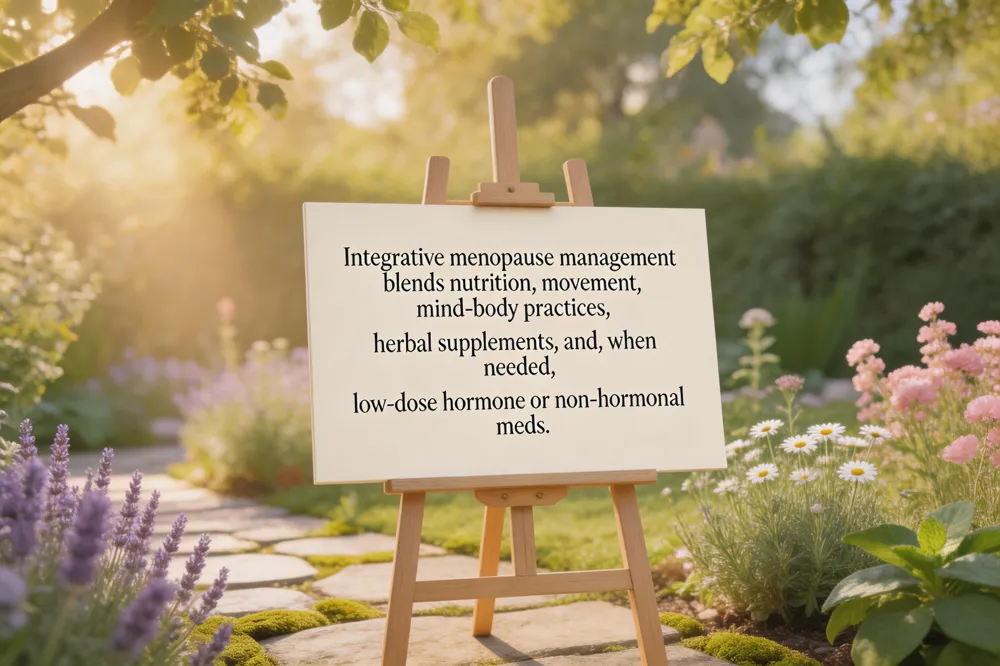
Personalized Care Pathways A patient‑centered plan starts with lifestyle optimization, then adds evidence‑based natural products, and escalates to low‑dose hormone therapy or non‑hormonal prescription options (SSRIs, gabapentin, fezolinetant) if symptoms remain bothersome. Regular symptom tracking and shared decision‑making ensure the regimen matches each woman’s health history, preferences, and risk profile.
Next Steps for Readers
- Keep a symptom diary to identify triggers and response to interventions.
- Consult a qualified integrative practitioner to co‑create a tailored plan.
- Prioritize nutrition, exercise, stress‑reduction, and sleep before adding supplements or medication.
- Re‑evaluate every 3‑6 months and adjust therapy as needed.
Treatment options for menopausal symptoms A tiered approach begins with diet, exercise, and mind‑body techniques; if needed, low‑dose estrogen (or vaginal estrogen), bioidentical hormones, or non‑hormonal agents (SSRIs, gabapentin, fezolinetant are added, always individualized and monitored.
Menopause integrative medicine Integrative care blends conventional treatment with evidence‑based lifestyle, nutrition, mind‑body practices, acupuncture, and herbal formulas to support hormonal balance, bone health, and overall well‑being.
Conclusion
Nine evidence‑based integrative strategies can help women navigate menopause without relying solely on hormones. Phytoestrogen‑rich foods such as soy, flaxseed, and red clover may modestly lessen hot flashes and vaginal dryness. Black cohosh extracts have shown vasomotor relief, while acupuncture and clinical hypnosis can reduce flash frequency and improve sleep. Yoga, tai chi, or meditation lower stress, improve mood, and guided breathing or paced breathing offers relief during a hot‑flash episode. Herbal blends, including evening primrose oil or sage, may support skin and vaginal health. Each option carries distinct benefit‑risk profiles; long‑term soy supplementation can thicken the uterine lining, black cohosh may rarely affect liver function, and acupuncture requires sterile technique. Because hormone status, medical history, and lifestyle differ, personalized plans are essential. Women should discuss any supplement, mind‑body practice, or acupuncture with qualified clinician to ensure safety and optimal results.