Setting the Stage: Micronutrients and the Thyroid
Thyroid hormones begin as the amino‑acid tyrosine, which is iodinated by thyroid peroxidase (TPO) to form T4 (thyroxine) and a smaller amount of T3 (triiodothyronine). T4 is the storage hormone; deiodinase enzymes—requiring selenium—activate it by removing an iodine atom, producing the metabolically active T3 that drives basal metabolism, mood, and menstrual regularity. Zinc plays several complementary roles: it is a structural co‑factor for the T3 receptor, supports TPO activity, and helps synthesize hypothalamic TRH, which drives TSH release. Women are especially vulnerable because menstrual blood loss, pregnancy, and higher rates of autoimmune thyroiditis increase demand for both trace minerals. Moreover, many women follow plant‑heavy or low‑protein diets that limit zinc absorption, while soil‑dependent selenium intake can be variable. Ensuring adequate selenium (≈55 µg/day) and zinc (≈8 mg/day) through foods—Brazil nuts, seafood, oysters, pumpkin seeds—or personalized supplementation can help maintain optimal hormone conversion and protect the thyroid from oxidative stress.
Dosage, Safety, and Blood‑Level Targets
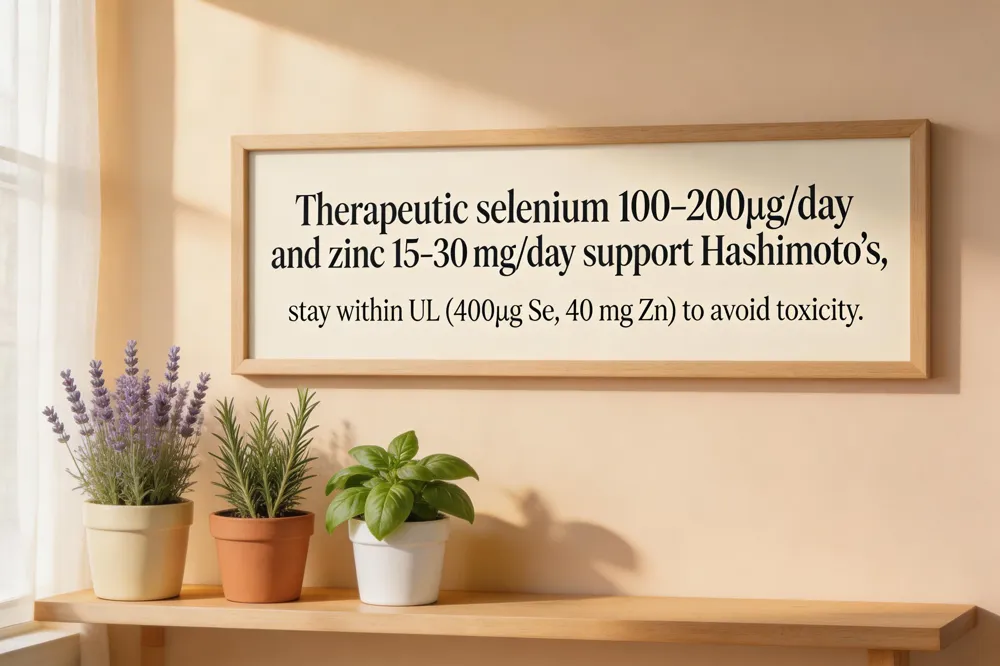 For Hashimoto’s thyroiditis, clinical trials support a therapeutic selenium dose of 100‑200 µg / day, preferably as organic selenomethionine or selenium‑enriched yeast. Six months of supplementation modestly lowers anti‑TPO antibody titers by 30‑50 % when baseline selenium is low; doses >200 µg add little benefit and raise toxicity risk. Women with hypothyroidism are advised to aim for 15‑30 mg elemental zinc daily (e.g., zinc picolinate or glycinate), exceeding the basic RDA of 8 mg to support T4‑to‑T3 conversion and TSH synthesis. The tolerable upper intake levels are 400 µg for selenium and 40 mg for zinc; excess intake can cause selenosis (hair loss, gastrointestinal upset) or copper depletion, which may worsen thyroid autoimmunity. Normal thyroid laboratory ranges for adult females are TSH 0.4‑4.0 mU/L and free‑T4 0.8‑1.8 ng/dL, with slight shifts during pregnancy or aging. Individual dosing should be guided by serum selenium and zinc testing to stay within safe, effective windows.
Timing, Absorption, and Medication Interactions
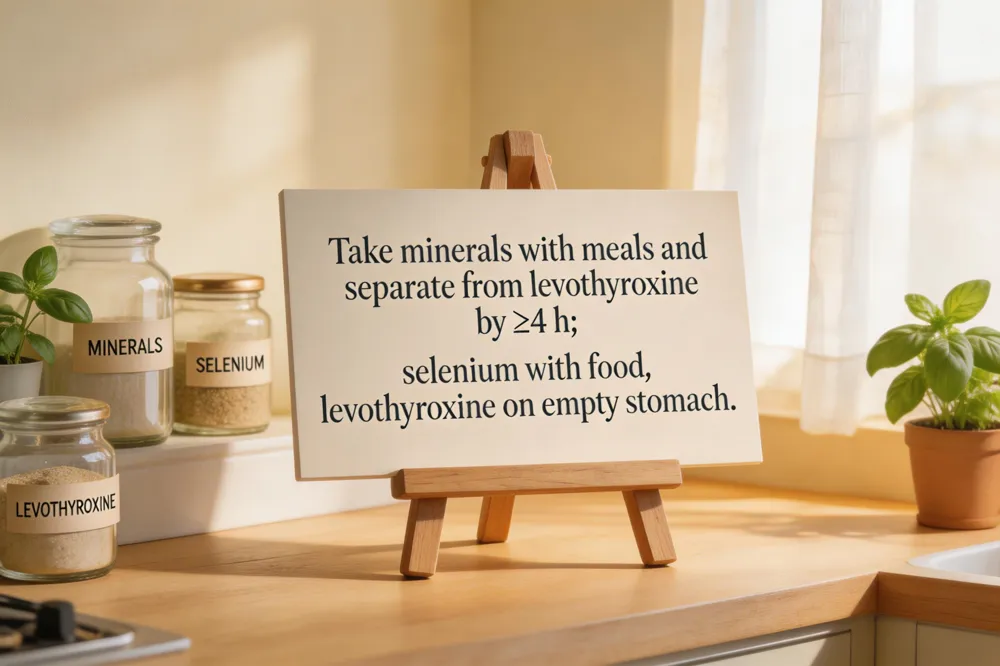 Can I take magnesium, zinc, and selenium together? Yes—if each stays within the recommended daily allowance. Human studies show no harmful interaction at typical doses, and taking them with a meal helps absorption. Keep any high‑dose mineral at least four hours apart from levothyroxine to avoid binding the hormone in the gut.
When should selenium be taken for thyroid health? Selenium works best when taken with a regular meal (breakfast, lunch, or dinner) to improve uptake and reduce stomach irritation. Consistency over 3–6 months matters more than the exact hour of day.
Can zinc be taken with thyroid medication? Zinc does not directly interfere with levothyroxine, but minerals can bind the pill. Separate zinc (or any multivitamin) from levothyroxine by at least four hours for optimal absorption.
Can levothyroxine be taken together with selenium? Yes, but take levothyroxine on an empty stomach and wait 30–60 minutes before selenium or any other supplement. Selenium 100–200 µg/day is safe alongside hormone replacement.
Should zinc and selenium be taken together for thyroid health? Some trials in overweight/obese hypothyroid women showed modest rises in free T3 and lower TSH with combined supplementation, though results are mixed. Testing for deficiencies and consulting a clinician is the safest personalized approach.
Which vitamins should be avoided with hypothyroidism? Calcium, iron, and multivitamin minerals should not be taken simultaneously with levothyroxine, as they can bind the hormone and reduce absorption. Grapefruit juice also interferes with thyroid‑hormone metabolism.
Is magnesium and zinc good for thyroid health? Both support hormone synthesis and conversion. Adequate magnesium can help lower elevated TSH, and zinc is essential for T4‑to‑T3 conversion and receptor activity. Choose well‑absorbed forms such as magnesium citrate/glycinate and zinc picolinate.
Food, Superfoods, Goitrogens, and Nutrient Basics
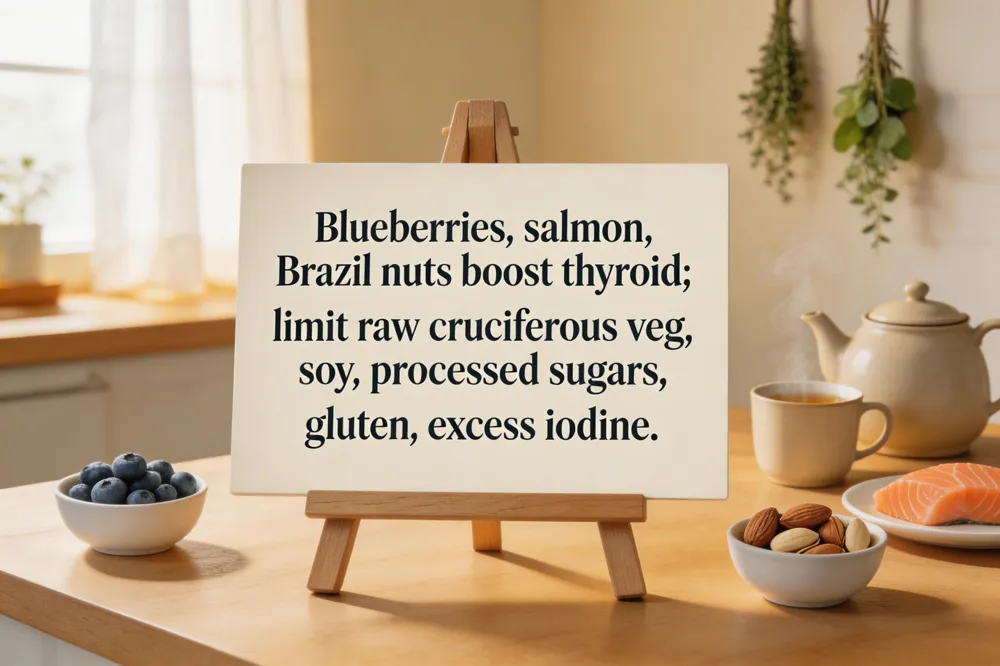 Three thyroid‑supportive superfoods are especially valuable for women: blueberries rich in antioxidants that shield the gland, salmon providing vitamin D and omega‑3s for hormone balance, and Brazil nuts offering a natural boost of selenium, a key co‑factor for deiodinases that convert T4 to active T3.
Five foods to limit or avoid include raw cruciferous vegetables (broccoli, cauliflower, cabbage, kale) that contain goitrogenic thiocyanates, soy products high in isoflavones, highly processed sugary items, gluten‑containing grains for those with autoimmune Hashimoto’s, and excess iodine‑rich seaweed when iodine status is already sufficient.
Goitrogens interfere with thyroid function by competing with iodine uptake and inhibiting thyroid peroxidase, potentially reducing T4/T3 synthesis and, in excess, contributing to goiter or hypothyroidism.
Overall nutrition matters: adequate iodine, selenium, zinc, iron, vitamin A, vitamin D, and B‑vitamins support hormone synthesis, conversion, and antioxidant defense.
Glycine, a precursor to glutathione, helps protect thyroid cells from oxidative stress and supports methylation pathways essential for hormone activation.
Signs, Symptoms, and Early Warning Indicators
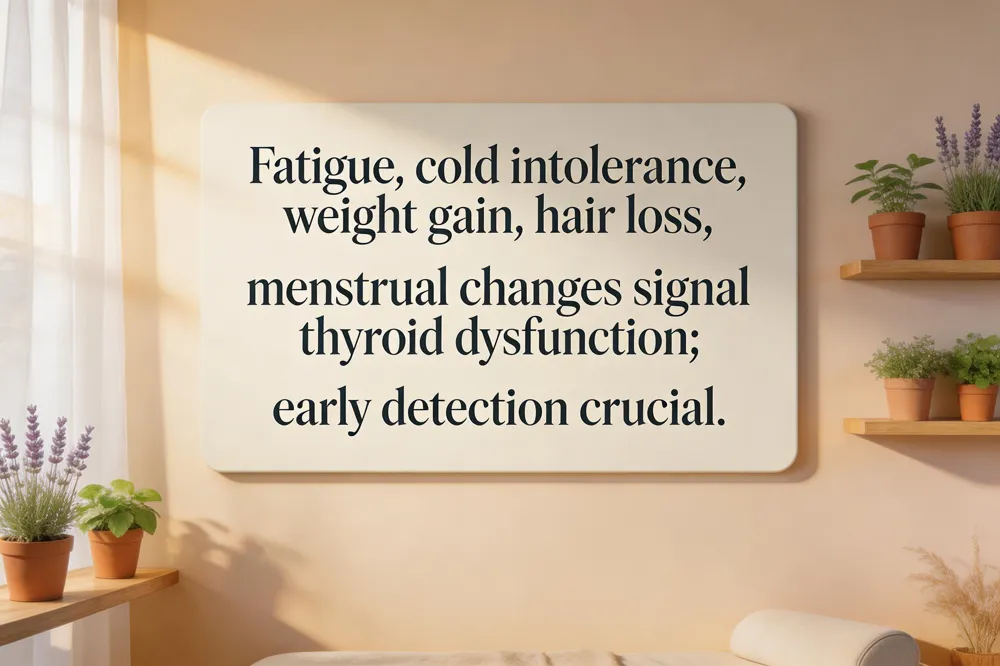 Six classic signs of selenium deficiency are infertility, muscle weakness, low‑thyroid‑like symptoms (fatigue, cold intolerance, weight gain), mental fog, hair loss, and frequent infections – all reported in clinical reviews of women’s health. Common thyroid‑related complaints in females include persistent fatigue, cold sensitivity, weight gain, constipation, dry skin, brittle nails, thinning hair, brain fog, depression, menstrual irregularities, and a slower heart rate. Early warning cues that merit attention are unexplained fatigue, cold intolerance, constipation, dry skin or hair, subtle weight shifts, mood swings, menstrual changes, and a barely perceptible metabolic slowdown. In total, nineteen signs of thyroid dysfunction in women span fatigue, weight gain, cold intolerance, dry skin, hair loss or thinning, brittle nails, constipation, depression, brain fog, slowed heart rate, facial puffiness, peripheral edema, menstrual irregularities, reduced libido, muscle aches, joint pain, cholesterol rise, and a palpable goiter. Untreated symptoms are dangerous: hypothyroidism can cause infertility, pregnancy complications, and cardiovascular disease, while hyperthyroidism raises the risk of osteoporosis, arrhythmias, and fetal harm. Selenium supplementation (100–200 µg/day) has been shown to cut anti‑TPO antibody levels by 30‑50 % in Hashimoto’s patients, helping to temper autoimmune activity even if hormone levels change slowly.
Supplement Choices, Clinical Benefits, and Management Strategies
 The most bio‑available zinc for thyroid support is chelated zinc picolinate or zinc glycinate (15‑30 mg elemental daily), paired with a modest copper supplement to prevent deficiency. For Hashimoto’s, the same chelated zinc dose (20‑30 mg) aids T4‑to‑T3 conversion and immune regulation. Organic selenomethionine (100‑200 µg/day) is the preferred selenium form because it efficiently fuels deiodinases and glutathione peroxidase. Combined products such as Dr. Mercola Zinc Plus Selenium (30 mg zinc glycinate, 200 µg selenomethionine, copper) or Nation Health MD Thyro Support (15 mg zinc, 200 µg selenium, iodine) offer balanced ratios. Clinical trials in overweight hypothyroid women show zinc ↑free ↑T3, ↓TSH and higher metabolic rate; selenium ↓ anti‑TPO antibodies and protects thyroid cells. Low selenium impairs deiodinases, reducing T4→T3 conversion and increasing oxidative damage. Zinc deficiency blunts deiodinase activity, T4 conversion and TSH secretion, and can exacerbate both hypo‑ and hyper‑thyroid autoimmunity. Managing women’s thyroid health combines adequate iodine, selenium, zinc, iron, vitamin D and A, regular exercise, stress reduction, and personalized supplementation under professional guidance, while levothyroxine should be taken on an empty stomach, separate from protein‑rich meals or amino‑acid supplements. Regular exercise, stress reduction, and balanced diet support thyroid health.
Putting It All Together for Women’s Thyroid Wellness
Women’s thyroid health thrives when micronutrients, diet, and care are aligned. Tailored supplementation of zinc (8 mg day) and selenium (200 µg day) can correct subtle deficiencies that often coexist with hypothyroidism; a double‑blind trial in overweight women showed free‑T3 rises with zinc alone or together with selenium, while selenium alone lowered total T3 and T4. Choose organic forms—selenium yeast or selenomethionine and zinc‑gluconate—to maximize absorption, and keep doses within the tolerable upper limits (400 µg Se, 40 mg Zn). Pair supplements with a balanced diet rich in Brazil nuts, seafood, oysters, pumpkin seeds, whole grains, and leafy vegetables, and support antioxidant protection with vitamin E and vitamin D. Regular monitoring of serum zinc, selenium, thyroid panels, and symptom scores, guided by a clinician, ensures safe, personalized adjustments and optimal hormonal harmony for every woman.