Why Natural First‑Aid Matters
Minor burns are best managed with a holistic, patient‑centered approach that blends first‑aid basics and evidence‑based natural agents. Immediate cooling with cool (not icy) water for 10‑20 minutes limits tissue damage and eases pain, a step that benefits all patients, especially women whose skin may be more sensitive during hormonal fluctuations. After cooling, pure aloe vera gel—rich in anti‑inflammatory polysaccharides—soothes the burn and supports re‑epithelialization, while medical‑grade honey provides a sterile, antimicrobial dressing that reduces infection risk. Avoid ice, butter, and scented products that can trap heat or introduce bacteria. Cover the area with a loose, non‑adhesive bandage, stay hydrated, and use OTC ibuprofen or acetaminophen as needed. This integrative routine respects the body’s natural healing processes, aligns with women’s wellness goals, and offers a safe, personalized pathway to recovery.
Immediate First‑Aid: Cooling, Cleaning, and the 3 C’s
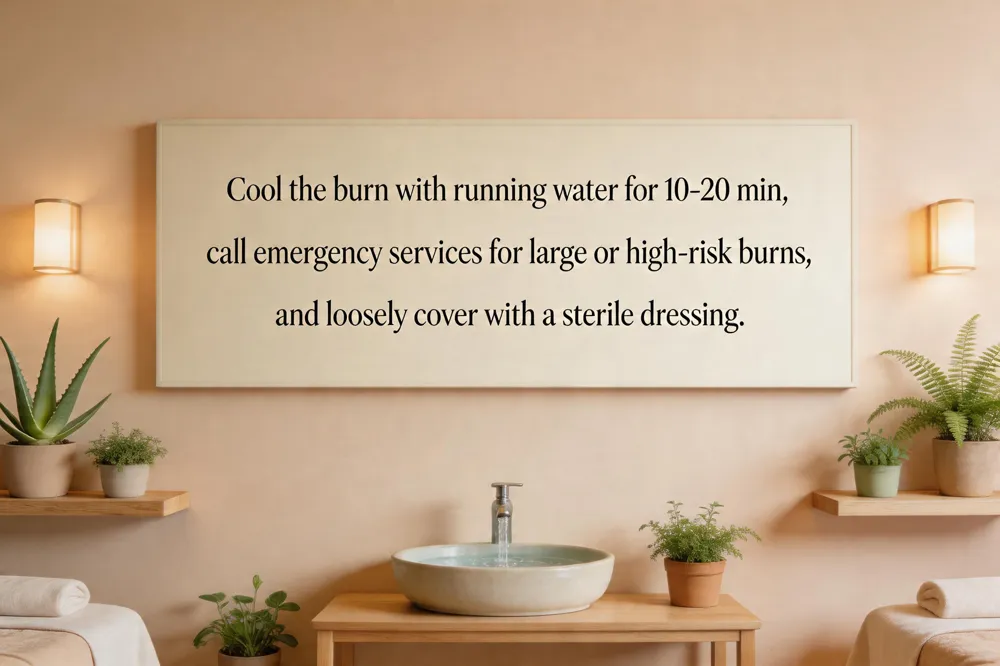 When a minor burn occurs, act fast but gently. Run cool water (never icy) over the area for 10–20 minutes to stop the heat cascade and lessen pain. After cooling, pat the skin dry with a clean cloth and apply a thin layer of pure aloe vera gel or medical‑grade honey—both keep the wound moist, reduce inflammation, and offer antimicrobial protection. If those aren’t on hand, a light coating of fragrance‑free petroleum jelly can serve as a barrier. Cover the burn loosely with a sterile, non‑adhesive dressing or clean gauze to protect against infection while allowing breathability.
The 3 C’s
- Cool – as described above.
- Call – dial emergency services if the burn is larger than the hand, involves the face, neck, genitals, a major joint, or shows signs of deep tissue injury.
- Cover – use a sterile, loose dressing; avoid ice, butter, toothpaste, or adhesive bandages directly on the wound.
For burns from hot metal, boiling water, or a hot pan, follow the same cooling, gentle cleansing, and covering steps, remove any tight jewelry, elevate the area, and take an OTC pain reliever (ibuprofen or acetaminophen) as needed. Seek professional care if blisters burst, swelling worsens, or infection signs appear.
Natural Topical Agents: Aloe, Honey, and Traditional Blends
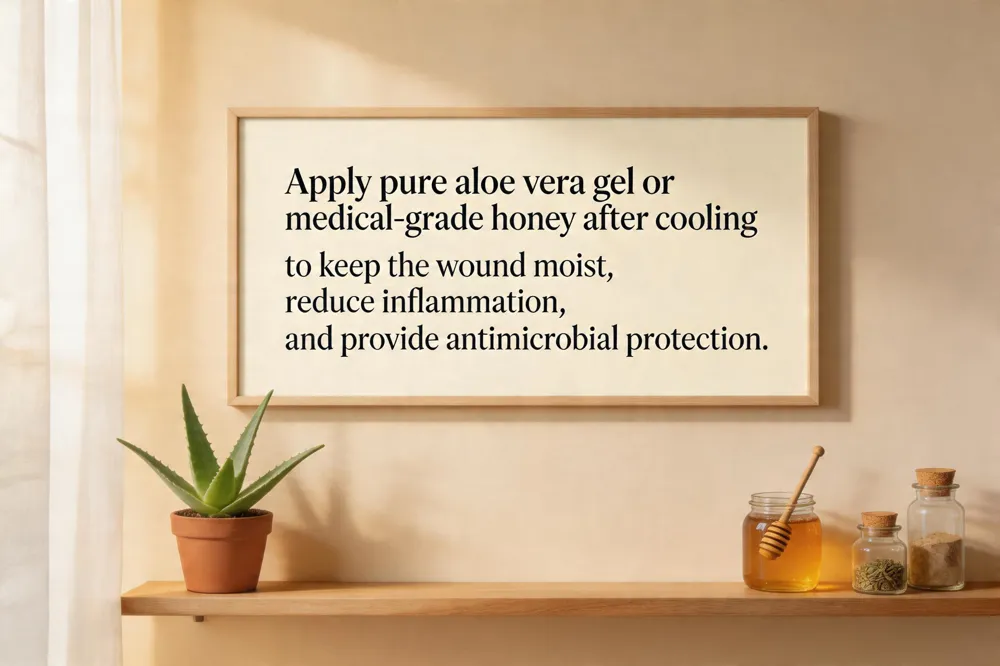 First‑degree burns and small sunburns heal fastest when the skin is cooled under cool (not ice‑cold) running water for 5‑20 minutes, then gently patted dry. Pure aloe vera gel—ideally 100 % from the leaf or a fragrance‑free commercial product—provides anti‑inflammatory polysaccharides that soothe pain and speed re‑epithelialization. Medical‑grade honey (Manuka, Manuka‑type, or sterilized honey) creates a moist, antimicrobial dressing; a thin layer applied after cooling reduces infection risk and can shorten healing time. For added barrier protection, a light coat of coconut oil, calendula ointment, or other plant oils (e.g., olive‑based blends) keeps the wound from drying without trapping heat. A well‑known homemade remedy mixes equal parts medical‑grade honey and melted beeswax, adding a few drops of diluted lavender essential oil for analgesic effect; this DIY ointment is ideal for first‑degree and tiny second‑degree burns. The Amish traditionally use a similar “Amish Burn Ointment” that combines honey, lanolin, beeswax, glycerin, and calendula or lavender oils, forming a breathable, antimicrobial barrier. Over‑the‑counter pain relievers such as ibuprofen or acetaminophen help control discomfort, while sterile non‑adhesive dressings protect the area. Seek professional care if the burn exceeds the size of a hand, involves the face, joints, or genitals, or shows signs of infection.
Blister Care and Sensitive Areas: Fingers, Hands, and Infants
 First‑degree burns on the fingers should be cooled immediately under cool (not ice‑cold) running water for 10‑15 minutes. Pat the skin dry and apply a thin layer of pure aloe vera gel, medical‑grade honey, or a dab of coconut oil to soothe pain and keep the area moist. If a blister forms, leave it intact; it acts as a natural barrier against infection. Should the blister break on its own, gently clean the site with mild soap and water, apply a thin antibiotic ointment, and re‑cover with a sterile, non‑stick dressing. Hand burns from cooking are managed the same way—cool, cleanse, and protect with a loose gauze bandage while avoiding tight jewelry. For infants, cool the burn with lukewarm water for about 10 minutes, then use a pediatric‑approved soothing agent such as aloe vera or a thin layer of petroleum jelly. Cover loosely, keep clothing loose, and monitor for redness, swelling, or fever. Over‑the‑counter ibuprofen or acetaminophen can relieve discomfort, and a current tetanus booster is advisable. Seek medical care if the burn spreads, blisters rupture, or any signs of infection appear.
Pain Relief and Accelerated Healing
 For minor burns, start by running cool (not icy) water over the area for 5‑15 minutes to stop the heat cascade. Pat dry and apply a thin layer of pure aloe vera gel or medical‑grade honey; both provide anti‑inflammatory and antimicrobial benefits. Over‑the‑counter analgesics such as ibuprofen or acetaminophen can be taken as directed to ease pain and reduce swelling, especially at night when edema peaks. Keep the burn loosely covered with a sterile, non‑adhesive dressing to protect it and maintain a moist environment that limits scar formation. Elevate the limb and remove tight jewelry to further cut overnight swelling. Support healing from within with anti‑inflammatory nutrients—vitamin C, zinc, and omega‑3 fatty acids—and stay well‑hydrated. Protect new skin from UV exposure with SPF 30+ sunscreen or clothing. Do not pop blisters, use ice, butter, or toothpaste. Seek medical care if the burn exceeds the size of a hand, shows infection signs, or involves the face, hands, feet, genitals, or a joint.
General Minor Burn Management and When to Seek Care
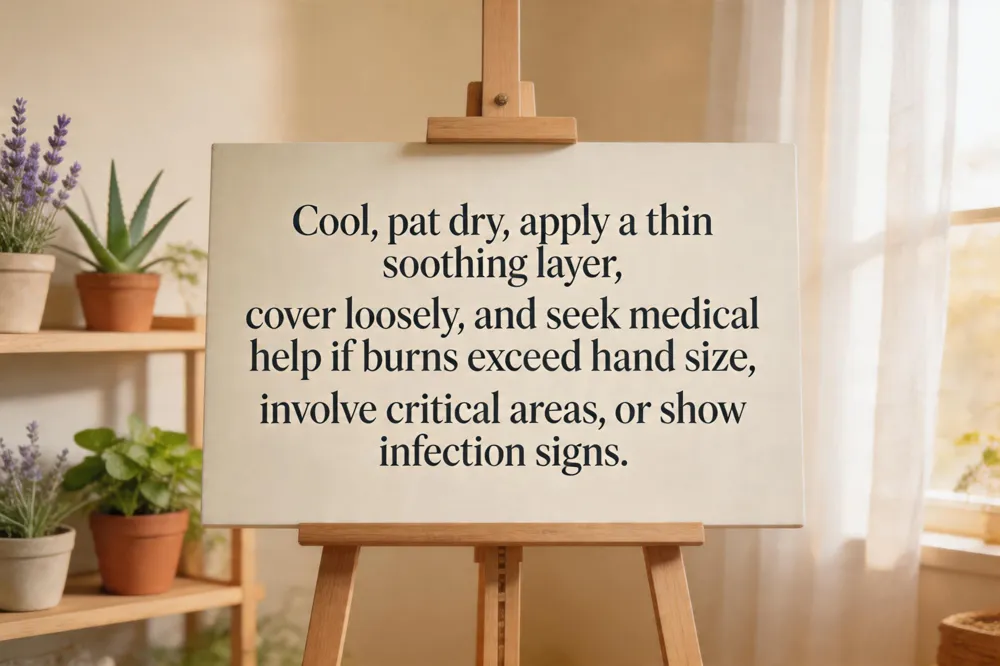 First‑aid for a minor burn follows the Cool‑Call‑Cover principle. Run cool (not icy) water over the area for 10‑15 minutes, or use a clean, cool, damp cloth if water isn’t available. Gently pat the skin dry and apply a thin layer of a soothing, natural agent—pure aloe vera gel is preferred; medical‑grade honey works well when the skin is intact, or a fragrance‑free petroleum jelly can keep the wound moist. Cover loosely with a sterile, non‑adhesive dressing to protect against friction and infection. Over‑the‑counter ibuprofen or acetaminophen eases pain.
Signs of infection include increasing redness, swelling, warmth, pus, or fever. If any appear, or if the burn exceeds 2 inches, involves the face, hands, feet, genitals, or joints, seek medical care promptly.
Tetanus protection is essential; ensure a booster within the past 10 years, especially for deeper or contaminated burns.
After healing, protect the new skin from sun exposure with SPF 30+ sunscreen or clothing to prevent hyperpigmentation.
Supporting Recovery: Nutrition, Hydration, and Lifestyle
 What to apply on burn skin immediately
Immediately cool the area under cool running water for 10‑15 minutes, pat dry gently, then spread a thin layer of pure aloe vera gel or medical‑grade honey to keep the wound moist and reduce inflammation. If unavailable, a light coat of petroleum jelly or a plant‑based ointment (e.g., coconut‑oil‑based) may be used. Avoid ice, butter, oils, toothpaste, or adhesive bandages. Cover loosely with a sterile non‑stick dressing.
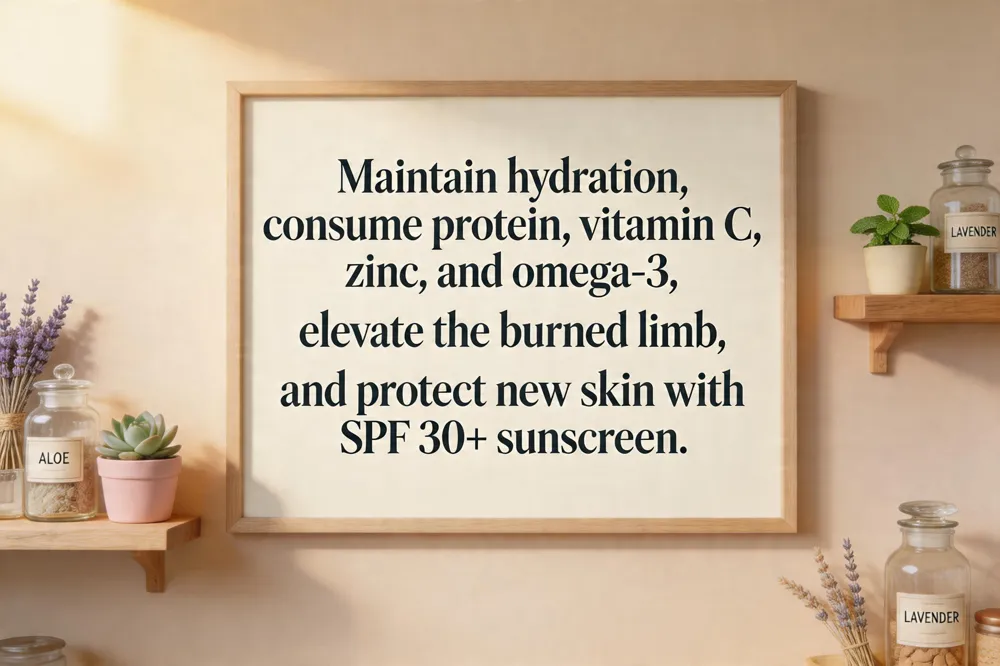
Adequate hydration
Drink plenty of water and electrolyte fluids to replace losses from skin injury and support cellular repair.
Protein, vitamin C, zinc, omega‑3 intake
Include lean protein, citrus fruits, nuts, seeds, and fatty fish to supply essential nutrients for collagen synthesis and anti‑inflammatory effects.
Elevating the burned limb
Raise the affected arm or leg for the first 24‑48 hours to decrease swelling and improve circulation.
Sun protection and avoiding harmful home remedies
Shield the healing skin with clothing or SPF 30+ sunscreen; do not use butter, toothpaste, raw honey, or direct ice, which can trap heat or introduce infection.
Putting It All Together for Faster, Safer Healing
Start by cooling the burn with cool (never ice‑cold) running water for 10‑20 minutes; this stops the heat cascade and eases pain. After the skin is cooled, apply a fragrance‑free aloe vera gel or a layer of medical‑grade honey to keep the area moist and provide anti‑inflammatory and antimicrobial benefits. Cover with a sterile dressing and use analgesics such as ibuprofen or acetaminophen as needed. Seek medical attention if the injury exceeds the size of the hand, involves the face, hands, feet, genitals, or a joint, if blisters break, or if signs of infection, increasing pain, redness, swelling, or fever appear. Support healing with hydration, a protein‑rich diet, vitamin C, zinc, and omega‑3 fatty acids, and protect the new skin from sun exposure using SPF 30+ sunscreen or clothing.