Why a Holistic Approach Matters
Polycystic Ovary Syndrome is driven by a complex mix of hormonal and metabolic disturbances. The core pathophysiology involves excess androgens, an over‑active LH surge, and chronic low‑grade inflammation that together disrupt regular ovulation. Insulin resistance is present in 50‑70 % of cases; high insulin levels stimulate ovarian androgen production, creating a feedback loop that worsens menstrual irregularities. An integrative, patient‑centered strategy seeks to break this cycle by targeting the root causes rather than just the symptoms. Goals include improving insulin sensitivity through low‑glycemic, high‑fiber nutrition, reducing systemic inflammation with anti‑inflammatory foods and adaptogenic herbs, and restoring hormonal balance via evidence‑based supplements such as myo‑inositol, vitamin D, and magnesium. Lifestyle pillars—gentle exercise, adequate sleep, stress‑reduction, and avoidance of endocrine disruptors—support the hypothalamic‑pituitary‑ovarian axis, fostering more predictable cycles and overall wellness.
Hormonal Foundations and Common Triggers
 Polycystic ovary syndrome (PCOS) is driven by three intertwined forces: insulin resistance, androgen excess, and chronic stress. When insulin levels spike—often after meals high in refined carbs or sugary drinks—the ovaries receive a signal to produce more testosterone, which fuels acne, hirsutism, and irregular ovulation. Stress and inadequate sleep raise cortisol, further derailing the hypothalamic‑pituitary‑ovarian axis and worsening menstrual irregularities.
How to fix PCOS hormonal imbalance naturally? A whole‑food, anti‑inflammatory diet rich in vegetables, low‑glycemic fruits, whole grains, legumes, nuts, and seeds stabilizes blood sugar and reduces inflammation. Pair carbohydrates with plant‑based protein (tofu, nuts, beans) and healthy fats (olive oil, fatty fish, avocado) to improve insulin sensitivity. Targeted supplements—myo‑inositol with d‑chiro‑inositol, magnesium, vitamin D + calcium, chromium, cinnamon, or berberine—further lower insulin and androgen production. Adaptogenic herbs such as ashwagandha, holy basil, and chasteberry, combined with regular moderate exercise, 8–10 hours of sleep, and stress‑reduction practices (yoga, meditation), support endocrine balance. Avoid caffeine excess, endocrine‑disruptors (BPA, phthalates), and consider occasional acupuncture to improve ovarian blood flow.
What can trigger a PCOS flare‑up? High‑glycemic meals, weight gain, chronic stress, poor sleep, and certain medications (e.g., high‑dose steroids) can push insulin and cortisol higher, reigniting androgen excess and menstrual chaos.
PCOS symptoms in an unmarried girl often appear as irregular or missed periods, heavy bleeding, acne, oily skin, hirsutism, thinning scalp hair, and dark velvety patches (acanthosis nigricans). Weight gain around the abdomen is common, reflecting underlying insulin resistance. Early lifestyle adjustments and professional guidance can mitigate these signs and protect long‑term health.
Nutritional Blueprint for Cycle Regulation
 A low‑glycemic, Mediterranean‑style anti‑inflammatory diet is a cornerstone for managing PCOS and stabilizing menstrual cycles. Focus on whole, high‑fiber foods—leafy greens, cruciferous vegetables, legumes, whole‑grain breads and pastas, and fresh fruit—while choosing healthy fats from olive oil, nuts, seeds, and omega‑3‑rich fish such as salmon or mackerel. Balance carbohydrate portions with plant‑based protein (beans, lentils, tofu, nuts) and keep meals spaced every 3–5 hours to avoid insulin spikes that drive androgen excess. Portion control and label reading help keep added sugars and refined carbs low.
PCOS diet PDF: The VA’s "Nutrition for Polycystic Ovary Syndrome" guide offers evidence‑based recommendations, sample meal plans, snack ideas, and supplement tips (inositol, berberine, zinc) to support metabolic health; it is downloadable from the U.S. Department of Veterans Affairs website.
PCOS treatment diet: A Mediterranean anti‑inflammatory pattern improves insulin resistance, reduces systemic inflammation, and aids weight loss, all of which promote regular ovulation.
How to cure PCOS symptoms: No permanent cure exists, but whole‑food nutrition, targeted supplements (inositol, chromium, cinnamon, vitamin D, magnesium, berberine), adaptogenic herbs, regular exercise, adequate sleep, stress‑reduction, and avoidance of endocrine disruptors can dramatically lessen symptoms.
How to reverse PCOS: Consistently applying the dietary framework above, combined with lifestyle changes and professional guidance, can restore ovulatory cycles and may lead to remission for many women.
Targeted Supplementation for Cycle Consistency
 A personalized supplement plan can bridge the gap between diet, lifestyle, and hormonal balance in PCOS, helping to regularize menstrual cycles.
Inositol (myo‑ and D‑chiro‑inositol) – The 40:1 combination of myo‑inositol to D‑chiro‑inositol improves insulin sensitivity, lowers fasting insulin, and reduces androgen levels, often restoring ovulation without the gastrointestinal side‑effects of metformin.
Vitamin D, magnesium, zinc – Vitamin D deficiency is common in PCOS; repletion (1,000‑2,000 IU/day) improves insulin resistance and ovulation. Magnesium‑rich foods or 300‑400 mg of bisglycinate support glucose metabolism and lessen menstrual cramping, while zinc (30‑40 mg) aids immune function and may curb excess hair loss.
Omega‑3 fatty acids, berberine, cinnamon – EPA/DHA (1,000‑2,000 mg/day) reduces inflammation and androgen production. Berberine (500‑1,000 mg/day) activates the PI3K/AKT pathway, lowering insulin and glucose comparable to metformin. Cinnamon (200‑300 mg extract or 0.5 tsp powder) enhances insulin sensitivity and can improve cycle length.
Supplements for PCOS hormone balance – Myo‑inositol, berberine, and zinc together target insulin, lipids, and androgen pathways, offering a safe, integrative alternative to hormonal drugs.
Natural remedies for PCOS weight gain – Combine a Mediterranean‑style, low‑glycemic diet with cinnamon or spearmint tea, magnesium, and regular aerobic‑strength exercise to improve insulin sensitivity and modestly reduce BMI.
Natural remedies for PCOS mood swings – Adaptogens (ashwagandha, rhodiola), magnesium, omega‑3, vitamin D, and a high‑fiber diet stabilize blood sugar and cortisol, soothing emotional volatility.
How to cure PCOS and get pregnant – Prioritize a low‑glycemic, anti‑inflammatory diet, 5‑10 % weight loss, inositol (40:1), vitamin D, magnesium, omega‑3, and stress‑reduction practices (yoga, meditation, acupuncture) to restore ovulation; when needed, functional‑medicine clinicians can add low‑dose ovulation agents alongside these natural strategies.
Herbal Medicine and Traditional Practices
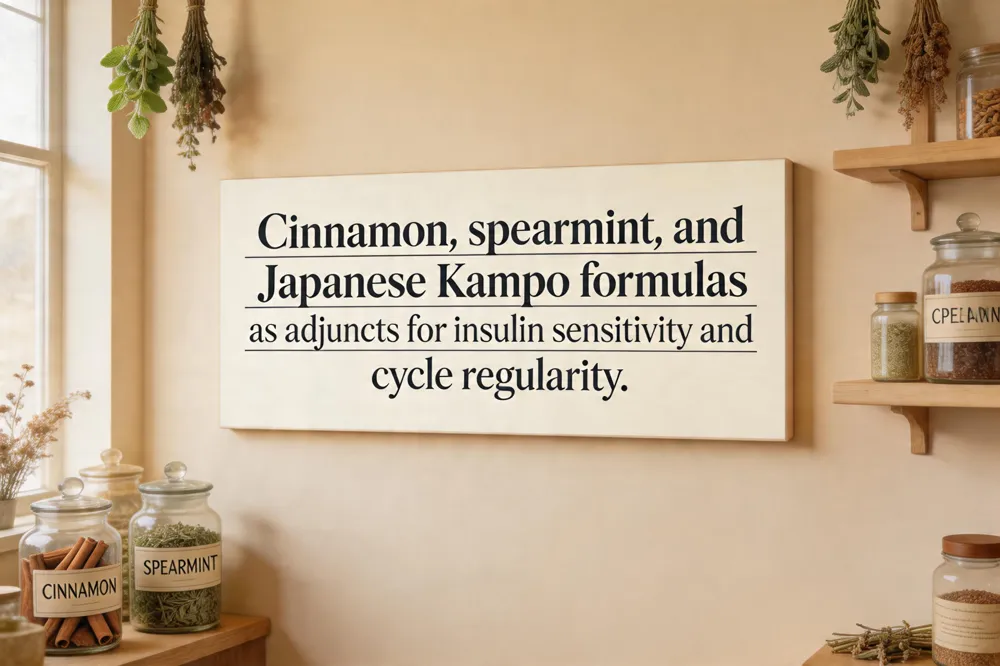 In recent systematic reviews, a variety of herbs—cinnamon, spearmint, licorice, fenugreek, green tea and others—have shown promise for PCOS. They may improve insulin sensitivity, lower circulating androgens, regularize menstrual cycles and lessen hirsutism, usually with minimal side‑effects. However, most studies are small, short‑term, and heterogeneous, so larger, well‑designed trials are needed to confirm optimal dosing and long‑term safety. Herbal therapies work best when paired with lifestyle changes and conventional medical care.
Japanese Kampo medicine offers another evidence‑based avenue. Formulas such as Unkeito (UKT) and Tokishakuyakusan (TSS) have demonstrated in animal models the ability to boost FSH‑receptor expression, increase BMP‑2/6, reduce BMP‑4 and inhibitin‑βA, and promote estradiol and progesterone production. These effects translate into healthier ovarian morphology and more regular cycles, complementing dietary counseling and hormonal therapy.
For unmarried women managing PCOS at home, a low‑glycemic, whole‑food diet with adequate protein and healthy fats, regular moderate exercise, and stress‑reduction practices (mindfulness, yoga, journaling) lay the foundation. Adding evidence‑based supplements such as myo‑inositol, cinnamon, and omega‑3 fatty acids can further stabilize hormones and support menstrual regularity, while consistent 7‑9 hour sleep reinforces overall endocrine balance.
Lifestyle Modifiers: Exercise, Weight, and Stress
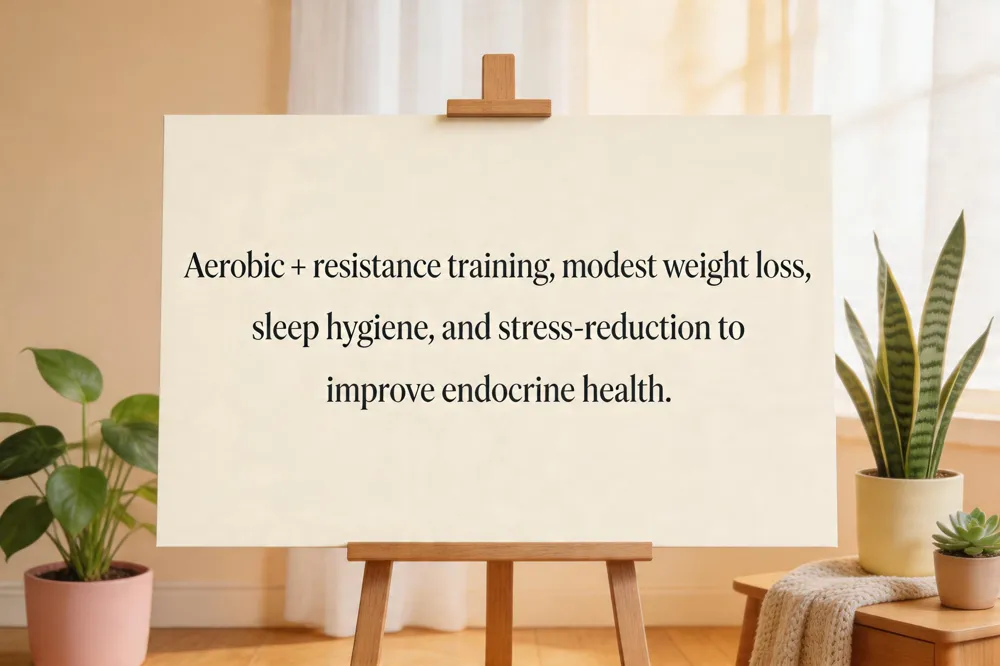 Regular aerobic activity—such as brisk walking, swimming, or cycling—combined with 2–3 weekly resistance‑training sessions improves insulin receptor activity and helps lower circulating androgens, a key driver of irregular cycles. Even modest weight loss of 5‑10 % of body weight can restore ovulatory function in many women with PCOS.
Prioritizing sleep hygiene (7‑9 hours/night, a consistent bedtime routine, and limiting evening stimulants) reduces cortisol spikes that otherwise aggravate insulin resistance and hormonal imbalance. Mind‑body practices like yoga, meditation, or deep‑breathing further lower stress hormones, supporting a stable hypothalamic‑pituitary‑ovarian axis.
How to regulate periods with PCOS naturally – Begin with a whole‑food, low‑glycemic diet rich in fiber, plant‑based protein, magnesium-dense foods, and omega‑3 fats. Add evidence‑based supplements such as myo‑inositol (400–2 g/day), vitamin D, magnesium, and zinc. Pair diet with regular aerobic/strength exercise, adequate sleep, and stress‑reduction techniques. Natural adjuncts like chasteberry (Vitex) or acupuncture can fine‑tune cycle timing under professional guidance.
How to regulate period with PCOS without birth control – Follow the same lifestyle framework, emphasizing low‑glycemic foods, consistent exercise, and targeted nutrients (myo‑inositol, vitamin D, omega‑3). When needed, a practitioner may introduce non‑hormonal agents such as metformin to further improve insulin sensitivity.
How to cure PCOS permanently – While PCOS is chronic, sustained remission is achievable through a comprehensive integrative plan: 5‑10 % weight loss, anti‑inflammatory diet, aerobic + resistance training, sleep and stress management, and targeted supplements (inositol, chromium, cinnamon, spearmint tea. Consistent application under a qualified naturopathic clinician can lead to lasting symptom resolution that feels like a permanent cure.
Fertility‑Focused Cycle Management
 Regulating periods to achieve pregnancy in PCOS starts with lifestyle foundations that improve insulin sensitivity and lower androgen excess. A low‑glycemic, high‑fiber diet rich in vegetables, legumes, nuts and healthy fats (olive oil, fatty fish stabilizes blood‑sugar spikes, while 150 minutes of moderate‑intensity aerobic activity per week (brisk walking, yoga, Pilates) supports modest weight loss (5‑10 % of body weight) and promotes ovulation.
If natural measures are insufficient, evidence‑based pharmacologic options include metformin (1500‑2550 mg/day) to reduce insulin and androgen levels, often combined with ovulation‑inducing agents such as clomiphene citrate or letrozole. Some clinicians also use the SPIOMET regimen (spironolactone + pioglitazone + metformin) to maintain regular cycles after a year of treatment.
Adjunctive supplements that have shown benefit for menstrual regularity are myo‑inositol (1000‑2000 mg/day) with D‑chiro‑inositol in a 40:1 ratio, vitamin D + calcium, magnesium‑rich foods or supplements, chromium picolinate, and cinnamon extract. These nutrients improve insulin signaling, reduce inflammation, and may lower testosterone.
Tracking fertility windows becomes reliable once ovulation returns. Use basal body temperature charts, cervical‑mucus observation, or ovulation‑predictor kits to identify the 24‑hour fertile period.
For an immediate bleed, a short course of oral progesterone or a combined oral‑contraceptive can induce a withdrawal bleed within a few days, while continuing the long‑term lifestyle and supplement plan to sustain regular cycles.
Holistic Care Resources and Tools
 PCOS can indeed be treated holistically. A functional‑medicine approach looks at the root contributors—especially insulin resistance, chronic inflammation, stress, and diet—rather than merely masking symptoms. By combining a low‑glycemic, high‑fiber, anti‑inflammatory whole‑food diet with targeted supplements such as myo‑inositol and D‑chiro‑inositol (often in a 40:1 ratio), magnesium, vitamin D, and chromium, women can improve insulin sensitivity and hormonal balance. Regular moderate‑intensity exercise, stress‑reduction practices (e.g., yoga, mindfulness, tai‑chi), and sleep hygiene further support the hypothalamic‑pituitary‑ovarian axis. Herbal adaptogens (Vitex agnus‑castus, cinnamon, licorice root and acupuncture have shown benefits for menstrual regularity by modulating LH, cortisol, and androgen levels.
What is the 21‑day PCOS detox? Amy’s 21‑day program offers an anti‑inflammatory, hormone‑balancing, gluten‑free meal plan with 85 recipes, meal‑prep guides, and daily self‑care practices such as meditation and journaling. It is designed to jump‑start insulin sensitivity and reduce inflammation, laying a foundation for longer‑term lifestyle changes.
Self‑monitoring and apps Tracking cycle length, ovulation signs, diet, sleep, and stress metrics in a menstrual‑tracking app helps women identify patterns, adjust interventions promptly, and share actionable data with clinicians.
Professional guidance Working with a qualified naturopathic physician, dietitian, or integrative health practitioner ensures personalized supplement dosing, safe herb use, and coordinated care with any conventional medications, optimizing safety and efficacy.
Future Outlook and Professional Collaboration
 While natural and integrative strategies are gaining traction for PCOS, several evidence gaps remain. Large, well‑designed trials are needed to confirm the long‑term safety of supplements such as inositol, Berberine, and adaptogenic herbs, and to clarify optimal dosing and treatment duration for menstrual regularity. Integrative care models that blend naturopathic nutrition, exercise, stress‑reduction, and conventional medicine (e.g., metformin or hormonal contraception when appropriate) show promise, yet standardized protocols and reimbursement pathways are still evolving. Continued research should prioritize personalized biomarkers—insulin resistance indices, androgen profiles, gut‑microbiome patterns—to match interventions to each woman’s unique physiology. Collaborative networks of endocrinologists, reproductive specialists, naturopaths, dietitians, and acupuncturists can streamline monitoring, share data, and ensure safety while empowering patients to make informed, holistic choices. As the evidence base expands, these multidisciplinary partnerships will be essential for delivering evidence‑based, patient‑centered care that restores menstrual regularity and overall health.
Putting It All Together for Menstrual Harmony
A personalized integrative plan for PCOS‑related menstrual irregularities blends evidence‑based nutrition, movement, and targeted supplements. Begin with a low‑glycemic, high‑fiber diet rich in vegetables, legumes, and omega‑3‑packed fish or flaxseed to improve insulin sensitivity and lower inflammation. Add inositol (myo‑inositol + D‑chiro‑inositol 40:1 ratio), a modest dose of chromium picolinate, and vitamin D if deficient; consider adaptogens such as Vitex agnus‑castus or cinnamon to support luteal phase length. Pair this with 150 minutes of moderate‑intensity aerobic activity (e.g., brisk walking, yoga) and a consistent sleep‑hygiene routine to keep cortisol in check. Monitor progress by tracking cycle length, weight, fasting insulin, and symptom journals every 4‑6 weeks. Share these data with a qualified practitioner—naturopath, endocrinologist, or integrative physician—who can adjust dosages, address endocrine disruptors, and incorporate adjuncts like acupuncture or probiotic therapy, ensuring safe, individualized care.