

Navigating the Crossroads of Natural Healing and Professional Medical Care
Understanding the Spectrum from Self-Care to Urgent Care
Your body often responds well to gentle, natural support. For mild, self-limiting conditions like a common cold, low-grade fever, or a minor scrape, home remedies can be effective first-line tools. Staying hydrated with herbal teas and broths, getting extra rest, and using saline rinses for nasal congestion can help your immune system work efficiently. Honey and lemon can soothe a sore throat, while ginger tea eases mild nausea. These approaches are safe for most healthy adults when symptoms are brief and mild.
However, the line between safe home care and the need for professional evaluation is drawn by red-flag symptoms. The CDC and major medical organizations identify specific signs that should prompt a call to your healthcare provider. A fever above 103°F (39.4°C) or one persisting for more than three days requires medical attention. Severe pain—especially chest, abdominal, or sudden intense headache—can indicate a life-threatening condition. Difficulty breathing, uncontrolled bleeding, or symptoms that interfere with daily activities for more than three days are clear signals to seek professional help.
Urgent care centers are an appropriate bridge for non-emergency but persistent concerns. They can diagnose infections with rapid tests, prescribe antibiotics for bacterial infections, and treat minor fractures, sprains, and moderate allergic reactions. Virtual urgent-care platforms also offer rapid triage, allowing you to discuss symptoms with a clinician who can guide you on whether home care is sufficient or an in-person visit is needed. For life-threatening emergencies—chest pain, stroke symptoms, major trauma—call 911 immediately.
The Role of Integrative Medicine in Bridging Home Remedies and Professional Help
Integrative medicine provides a valuable framework for combining natural approaches with conventional care. Rather than viewing home remedies and medical treatments as separate choices, an integrative practitioner helps you build a personalized plan that respects both. This whole-person approach considers your diet, stress levels, sleep patterns, and hormonal balance alongside acute symptoms.
For example, if you experience mild joint pain, an integrative provider might recommend evidence-based supplements like turmeric (curcumin) with black pepper for enhanced absorption, along with gentle stretching and cold packs. They will also assess whether your symptoms align with a condition that requires prescription anti-inflammatories or physical therapy. This tailored guidance ensures you don’t rely solely on home remedies when a more serious underlying issue—such as a herniated disc or autoimmune flare—needs specialized attention.
Integrative practices often offer same-day appointments for urgent yet non-life-threatening matters. They can perform point-of-care testing (rapid strep, CRP, vitamin D levels) to differentiate viral from bacterial infections and prescribe medications when needed. This model helps you avoid the emergency room while still receiving professional oversight. Many integrative centers also provide complementary therapies like acupuncture, herbal medicine, and mind-body techniques that support healing alongside conventional treatments.
Key Safety Considerations for Natural Remedies
While many natural remedies have scientific support, “natural” does not automatically mean safe. The U.S. FDA does not regulate dietary supplements and herbal products with the same rigor as pharmaceuticals. Product quality, purity, and dosage can vary significantly between brands. The Mayo Clinic emphasizes that terms like “natural” on labels are not legally defined and do not guarantee effectiveness or safety.
Several specific precautions are vital. If you are pregnant, breastfeeding, or trying to conceive, avoid unregulated herbal supplements and high doses of vitamins A and E, as they can harm fetal development. Children are more sensitive to adult-sized doses, and honey should never be given to infants under one year due to botulism risk. Individuals with chronic conditions—especially those on prescription medications, chemotherapy, or immunosuppressants—must consult a healthcare provider before adding any herbal or high-dose supplement. Common remedies like St. John’s wort can interfere with birth control and antidepressants, while turmeric and ginger may interact with blood thinners.
Always check for third-party testing certifications (USP, NSF International, Consumer Labs) to verify ingredient purity. Disclose all supplements and herbs to your doctor, even if they seem harmless. If a home remedy causes worsening symptoms, allergic reactions, or new side effects, stop use immediately and seek medical advice. Evidence-based natural strategies that are generally safe include regular physical activity, balanced nutrition, adequate sleep, mindfulness practices, and spending time outdoors—these support your body’s innate healing without risk.
| Condition | Home Remedy Option | When to Seek Professional Help |
|---|---|---|
| Common cold | Rest, hydration, honey, saline rinse, steam | Fever >103°F, symptoms >10 days, worsening, difficulty breathing |
| Mild pain or sprain | RICE (Rest, Ice, Compression, Elevation), arnica cream | Pain unrelieved after 48 hours, inability to bear weight, swelling |
| Nausea or upset stomach | Ginger tea, peppermint, bland foods | Persistent vomiting, dehydration signs, severe abdominal pain |
| Sinus congestion | Saline rinse, warm compresses, steam with eucalyptus | Facial swelling, fever >102°F, symptoms >10 days, vision changes |
| Insect bite or mild skin irritation | Calendula cream, hydrocortisone, cool compress | Spreading redness, warmth, pus, fever |
The Home First-Aid Arsenal: Natural Remedies That Work
What home remedy is good for healing?
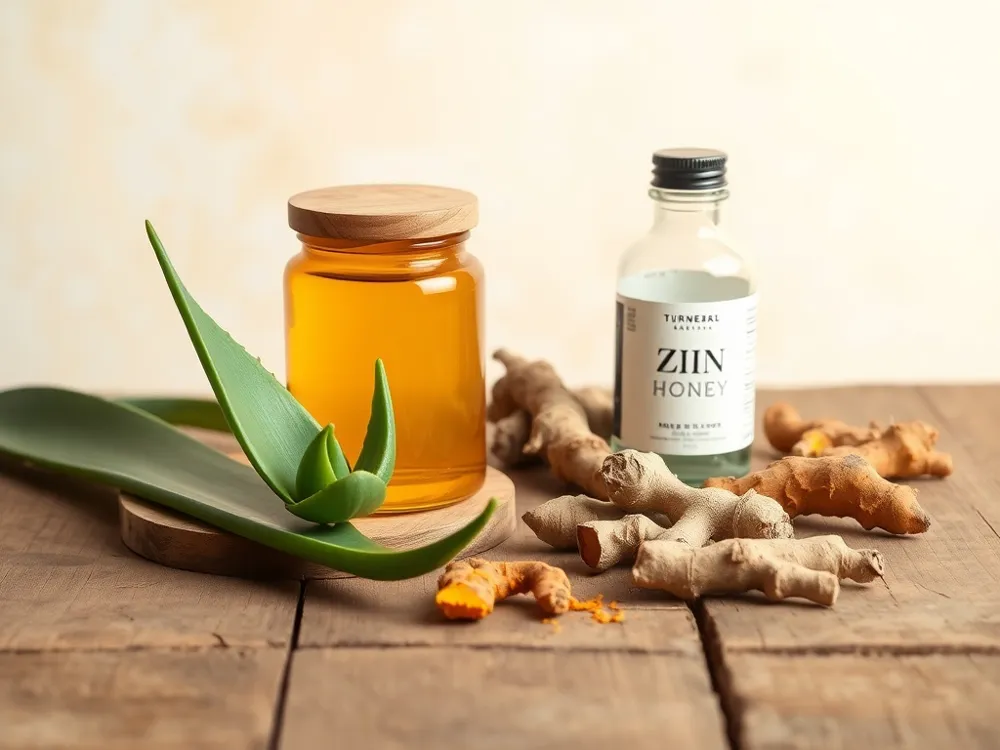
Honey stands out for minor wound care due to its natural antibacterial properties. Remember, honey should never be given to children under one year because of botulism risk. Aloe vera gel soothes burns and supports tissue repair, while turmeric—thanks to its curcumin content—can reduce inflammation when applied topically or consumed. Supporting your body with adequate protein, zinc, and vitamins A and C also accelerates the healing process, aligning with an integrative approach.
How to get rid of a virus fast naturally?
Prioritize rest and sleep to let your immune system work efficiently. Stay well-hydrated with water, broths, or herbal teas to counter dehydration from fever. Honey can calm coughs, and warm saltwater gargles ease sore throats. Light, nourishing foods like chicken soup provide hydration and nutrients while reducing inflammation. Sitting in a steamy bathroom loosens congestion and soothes airways. Staying home with a fever also reduces viral spread.
How to clear a cold fast naturally?
Focus on hydration with warm liquids like tea or broth to soothe your throat and loosen mucus. Gargling with salt water (½ teaspoon per cup) reduces sore throat swelling. Using a humidifier or steaming bowl adds moisture to dry nasal passages. Aim for eight to ten hours of sleep nightly to support immune function. Saline nasal sprays relieve congestion without medication, while zinc lozenges taken early may shorten cold duration.
What naturally kills the flu virus?
Zinc helps produce germ-fighting white blood cells and may slow viral replication. Vitamin C supports immune function and can shorten illness when taken regularly. Elderberry extract has been shown in studies to inhibit flu virus replication and reduce symptom severity. Raw honey soothes sore throats and possesses antimicrobial properties. Alongside these, staying hydrated and resting are essential for your body’s natural defenses to fight the infection.
Red Flags: Recognizing When Professional Help is Essential
 Recognizing when a symptom requires professional attention can prevent complications and improve outcomes. Below are key red-flag symptoms that warrant a call or visit to your healthcare provider.
Should I see a doctor for fatigue?
If you feel tired continuously for several weeks without relief, it is important to see your doctor. Fatigue can be an early sign of an underlying medical condition such as anemia, thyroid disorders, sleep apnea, or depression. Your doctor can help identify the cause and rule out chronic fatigue syndrome if symptoms persist for six months or longer. Pay attention to accompanying signs like pain, sleep disturbances, or mood changes, and discuss any mental health concerns that may be draining your energy.
Red-flag symptoms for pain
Pain that persists longer than one week, interferes with sleep or daily activities, or appears suddenly and severely—especially in the chest, abdomen, or head—requires prompt medical evaluation. Visible swelling, redness, heat, numbness, tingling, or weakness in the affected area, as well as fever or unexplained weight loss, are additional warning signs that should not be ignored.
Guidelines for fever and cold symptoms
Seek medical care if your fever reaches 103°F (39.4°C) or higher, or if a fever lasts more than three days. Cold symptoms that do not improve after ten days, or that worsen, indicate possible complications. A cough persisting for more than two to three weeks, shortness of breath, wheezing, chest pain, or signs of dehydration (such as dry mouth, dizziness, or reduced urination) also warrant professional assessment.
When to seek emergency care
Call 911 immediately for symptoms of heart attack (chest pain, shortness of breath, dizziness), stroke (sudden weakness, numbness on one side, difficulty speaking, confusion), difficulty breathing, heavy bleeding, severe burns, severe allergic reaction, sudden severe pain anywhere, vomiting or coughing up blood, or loss of consciousness. Head injuries accompanied by confusion, vomiting, or severe headache also require urgent evaluation.
The Integrative Urgent Care Model: A New Standard for Acute Care

What is Integrative Urgent Care?
Integrative Urgent Care brings together the convenience of walk-in clinics with the principles of functional and holistic medicine. Instead of only addressing symptoms, practitioners look at the whole person—diet, lifestyle, stress, and mental health—when treating acute issues like colds, flu, or minor injuries. This model ensures that short-term care also supports long-term wellness.
Features of Integrative Urgent Care Glendora
Led by Dr. Eric D. Brown, a board-certified emergency physician with a fellowship in integrative medicine from the University of Arizona, this Glendora clinic offers same-day appointments, on-site X-rays, and a transparent $99 provider fee for self-pay patients. Hours are Monday–Friday 8 AM–8 PM and weekends 9 AM–5 PM.
Blending Holistic Principles with Acute Medicine
Dr. Brown’s training in both emergency and integrative medicine allows the clinic to pair conventional treatments—like antibiotics for strep throat—with evidence-based lifestyle guidance, such as nutrition tips to boost immunity or stress-reduction techniques to speed recovery.
Conditions It Can Treat
Common ailments include colds, flu, sore throat, sinus infections, minor cuts and burns, sprains, and pediatric illnesses. The clinic also offers wellness services like B12 injections, helping patients move from acute care to proactive health.
Specialist or PCP? Understanding the Healthcare Hierarchy
Can internal medicine do urgent care?
Yes, internal medicine physicians (internists) are trained to handle a wide range of acute, non-life-threatening conditions—such as infections, minor injuries, and sudden illnesses. Many internal medicine practices offer same-day or walk-in appointments specifically for urgent health concerns, making them a convenient option for adults who need prompt attention without visiting an emergency room. However, for life-threatening emergencies, a hospital emergency department remains the appropriate choice.
Can a cardiologist be a primary care doctor?
A cardiologist can serve as a primary care doctor in certain situations, especially if they have training in primary care cardiology and manage both general health needs and specific cardiac conditions. This can be suitable for patients with chronic heart issues. However, most cardiologists focus exclusively on heart-related problems and do not provide comprehensive primary care, such as routine checkups or preventive services for other health concerns.
What type of doctor believes in natural remedies?
Naturopathic doctors (NDs or NMDs) are practitioners who emphasize natural remedies and the body’s inherent ability to heal itself. They are trained in complementary and alternative treatment modalities, taking a holistic 'body, mind, and spirit' approach. It is important to note that naturopaths are nonphysicians—they are not medical doctors (MDs or DOs) and receive less clinical training. Their focus on natural, personalized, and evidence-based approaches aligns well with integrative wellness goals.
Role of nurse practitioners in urgent care
Nurse practitioners (NPs) play a vital role in urgent care settings. They can diagnose and treat common illnesses, prescribe medications, order tests, and manage minor injuries. In many states, NPs practice independently or under collaborative agreements with physicians, offering faster access to care. For non-life-threatening but bothersome symptoms that are not self-resolving, an NP is an appropriate professional to see, bridging the gap between home remedies and a full doctor visit.
The Holistic Difference: Integrative Medicine and Your Health Journey
What Conditions Does Integrative Medicine Treat?
Integrative medicine addresses a wide spectrum of health concerns, including chronic pain, persistent fatigue, fibromyalgia, anxiety, depression, digestive issues, and hormonal imbalances such as menopause and thyroid disorders — conditions often resistant to conventional approaches alone. By combining the best of conventional treatments with evidence‑based complementary therapies like acupuncture, therapeutic massage, and mindfulness, it aims to reduce symptoms and enhance quality of life. This whole‑person method considers your unique physical, emotional, and lifestyle factors, creating a personalized path to wellness.
Allopathic vs. Holistic: Understanding the Difference
Allopathic medicine focuses on diagnosing and treating specific diseases with pharmaceuticals or surgery, excelling in acute emergencies and trauma. Holistic medicine, on the other hand, views you as a whole person — mind, body, and spirit — and seeks to uncover root causes through nutrition, stress management, and natural therapies. For non‑life‑threatening urgent needs, such as a cold, flu, or minor injury, integrative urgent care centers provide same‑day visits that blend conventional diagnostics with holistic support, offering a compassionate option that respects your healing journey while ensuring timely professional care.
The Final Word: Trust Your Instincts, Backed by Knowledge
The Final Word: Trust Your Instincts, Backed by Knowledge
Discerning when to rely on home care versus professional help is a skill that grows with awareness. For mild symptoms, gentle remedies like ginger tea or a warm compress can be your first line of support. However, if a symptom persists beyond a few days, worsens, or feels severe, your instinct to seek medical evaluation is your most reliable guide.
For chronic conditions such as arthritis, an integrative approach that combines evidence-based natural aids—like turmeric or capsaicin cream—with professional guidance can offer balanced relief. Your health strategy should feel personal and adaptable.
Ultimately, safety comes first. Always consult a healthcare provider before blending new remedies with medications, especially during pregnancy or if managing a chronic condition. Trust both your intuition and the expertise of qualified professionals to create a plan that honors your whole self.