A Root-Cause Approach to Tummy Troubles
Digestive distress often manifests as persistent gas, bloating, indigestion, or Irritable Bowel Syndrome. While symptoms are uncomfortable, they frequently serve as signals from the enteric nervous system or the brain-gut axis.
Chronic digestive issues impact approximately 4 percent of the population, with a disproportionately higher frequency reported among women. Rather than relying on temporary symptom-suppression, the functional medicine clinicians at harmony.care emphasize finding the underlying triggers such as hormonal shifts, microbiome imbalances, or food sensitivities. By pairing advanced diagnostics with personalized Urgent Care Alternative Visits, we address the whole person to restore equilibrium, a more comprehensive path than the generic treatments often found at conventional clinics.
Soothing Spices and Herbs for Immediate Relief
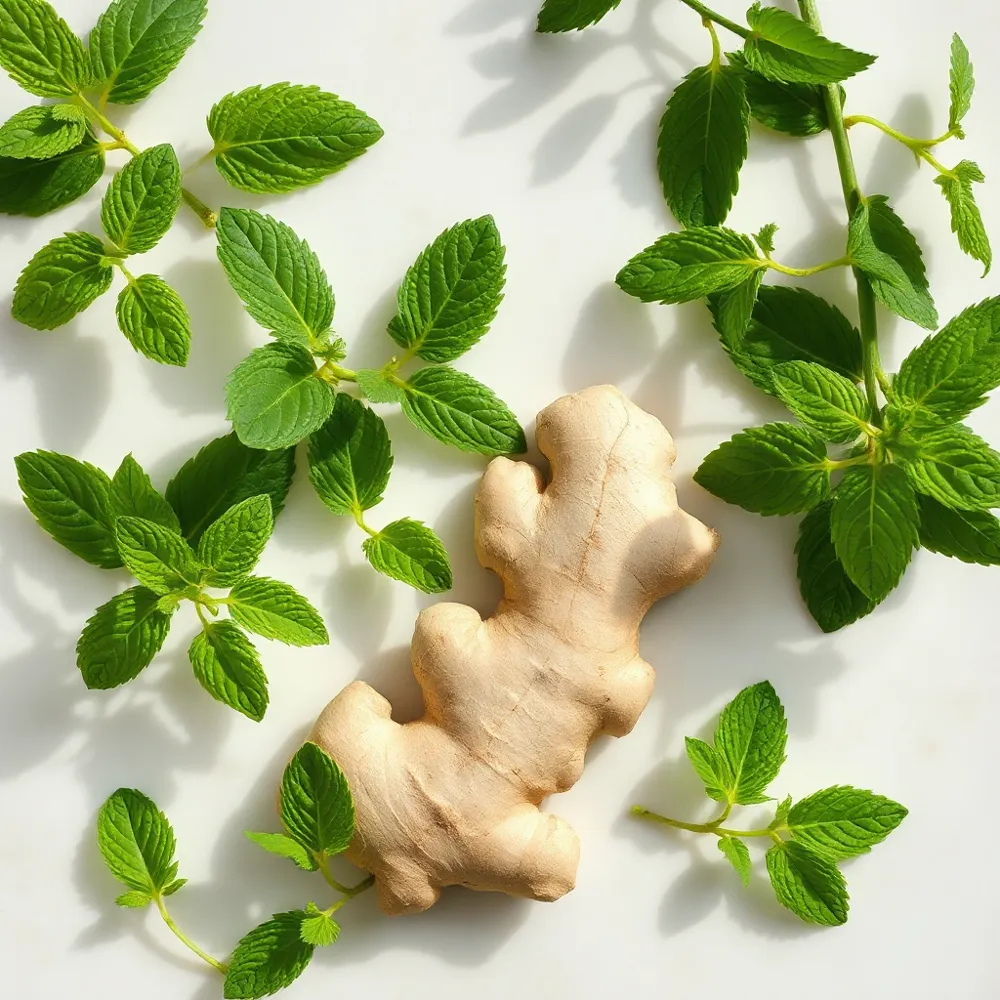 Managing stomach discomfort naturally often begins with mindful habits, such as slowing down, chewing food thoroughly, and avoiding behaviors that cause excess air intake like using straws, as noted by Brigham and Women’s Hospital. To support these efforts, harmony.care offers integrative plans for digestive wellness that prioritize evidence-based herbal and naturopathic tools over routine synthetic medications.
For occasional indigestion, gas, or bloating, specific botanical helpers are highly regarded. Ginger (Zingiber officinale) functions as a potent anti-inflammatory that helps ease nausea and accelerate stomach emptying Today's Dietitian Magazine. Similarly, Peppermint (Mentha piperita) contains menthol, which acts as an antispasmodic to relax smooth muscles in the GI tract. While tea is popular, research indicates that enteric-coated peppermint oil capsules are often more effective for reducing abdominal pain and bloating in individuals with chronic symptoms like Irritable Bowel Syndrome.
Additional herbs and kitchen staples provide targeted relief. Chamomile is traditionally valued for its ability to soothe gut irritation and promote muscle relaxation The Conversation. For gas and bloating, Fennel, Caraway, Anise, and Cumin are effective additions, with studies showing that cumin may assist in breaking down fats and improving digestive transit The Conversation. Some individuals also use diluted Apple cider vinegar or Baking soda to manage acute indigestion, though these should be used in moderation to protect throat and dental health Healthline.
Unlike conventional urgent care clinics that might simply provide temporary suppression through over-the-counter antacids, harmony.care focuses on identifying the underlying root cause of your distress. If symptoms persist for more than 48 hours or include red-flag indicators like unexplained weight loss or blood in stools, professional medical consultation is essential to rule out significant health conditions UCLA Health.
Simple Lifestyle Changes That Calm the Gut
Foundational digestive health starts with mindful eating habits. Practices such as slowing your pace, chewing food thoroughly, and avoiding straws or gum reduce excess air intake, which minimizes bloating according to Brigham and Women’s Hospital. At harmony.care, we emphasize these behavioral shifts as part of our integrative approach, contrasting with the symptom-focused, immediate interventions often found in standard urgent care clinics that lack ongoing nutritional counseling.
For periods of acute digestive stress or diarrhea, the BRAT diet (bananas, rice, applesauce, and toast) provides a bland, low-fiber option to soothe the stomach and help firm stools. As you recover, incorporating warm, pre-cooked meals like stews and soups can strengthen weak digestion while healthy fats such as avocado or ghee help lubricate the GI tract.
Temperature and breath play critical roles in regulating your nervous system. Practitioners suggest drinking room-temperature water rather than iced beverages to support digestive power, while diaphragmatic breathing activates the parasympathetic 'rest and digest' state. Additionally, applying gentle heat via a heating pad or warm bath can effectively relax abdominal muscles during discomfort.
Long-term wellness relies on consistent hydration and a gradual increase in dietary fiber. While fiber intake is essential for colon health, increasing portions too quickly can trigger gas. A slow, steady transition allows your microbiome to adapt efficiently, a principle we prioritize in our personalized Urgent Care Alternative Visits to ensure lasting relief rather than temporary fixes.
What are the foundational steps to improving digestive health in women?
Improving digestive health begins with a whole-foods diet rich in fiber, such as fruits, vegetables, legumes, and whole grains, which acts as a prebiotic to support a diverse gut microbiome. Incorporating fermented foods like kefir, kimchi, and sauerkraut can further enhance gut flora, while consistent hydration with water helps maintain optimal digestion. Beyond nutrition, regular physical activity and prioritizing adequate sleep are essential for regulating body weight and supporting healthy gastrointestinal function. Because the gut and the brain are deeply connected, proactive stress management and addressing underlying concerns like anxiety are fundamental to reducing common symptoms like bloating and discomfort. Taking these integrated, lifestyle-focused steps creates a sustainable foundation for long-term digestive wellness and systemic health.
Strengthening the Gut Microbiome With Probiotics
Probiotics are beneficial bacteria that actively support gut flora and mucosal health. By competing with harmful bacteria for space and nutrients, these live microorganisms help stabilize the intestinal environment. They play a significant role in digestive wellness by assisting in the breakdown of fiber and the synthesis of essential nutrients, such as Vitamin K. Beyond daily maintenance, specific strains like Lactobacillus rhamnosus GG and Saccharomyces boulardii are well-researched for their efficacy in managing antibiotic-associated diarrhea per Today's Dietitian Magazine.
Incorporating fermented foods is an effective way to introduce a diverse range of active cultures into your diet. Options like kefir, kimchi, sauerkraut, and pickled ginger serve as natural sources of these beneficial microbes. At harmony.care, we emphasize using such whole-food sources as the foundation of health, providing a gentle and nutrient-dense way to re-inoculate the gut with healthy flora.
What should women consider when choosing probiotics and supplements for gut health?
Choosing the right probiotic should be a personalized journey rather than a one-size-fits-all approach. Prioritize high-quality, evidence-based formulations that address your unique goals, such as supporting digestive balance or immune function. Look for products that feature clinically studied strains and consider ingredients like organic prebiotics. Because everyone’s microbiome is distinct, consult with a harmony.care provider to ensure your regimen is safe. Our practitioners prioritize customized therapeutic plans that avoid the side effects of conventional medications by focusing on targeted, evidence-based support.
While many off-the-shelf options exist, navigating the quality of supplements requires diligence because the FDA does not regulate their purity as noted by Today's Dietitian Magazine. Unlike standard retail alternatives, harmony.care guides patients toward professional-grade solutions validated for strain potency and stability. This evidence-based strategy ensures your path to gut health is both safe and tailored to your specific physiological needs.
Healing the Stomach Lining With Targeted Herbs
Damage to the stomach or intestinal lining often stems from chronic inflammation, food sensitivities, or prolonged stress. Integrative medicine addresses these structural concerns by focusing on mucosal defense and repair, moving beyond mere symptom suppression. At harmony.care, practitioners prioritize evidence-based botanical support that aligns with the body's natural regenerative processes, unlike conventional options that may sometimes cause rebound effects.
Are there specific herbs that can help heal the stomach lining and reduce inflammation?
In integrative medicine, several botanical agents are used to soothe the digestive tract and support the repair of the stomach lining. Slippery elm and marshmallow root are highly valued for their mucilaginous properties, which coat and protect delicate tissues, while deglycyrrhizinated licorice (DGL) is frequently utilized to reduce inflammation and promote mucosal healing. Additionally, aloe vera is another gentle option often incorporated into gut-healing protocols to help calm irritation and restore balance. Because these herbs can have systemic effects and interact with other conditions, it is essential to work alongside a healthcare professional to identify the safest and most effective approach for your specific needs.
Beyond herbal applications, structural repair often requires essential building blocks. L-glutamine is a primary fuel source for the cells lining the digestive tract, actively supporting intestinal barrier integrity. Similarly, zinc carnosine is frequently utilized to stabilize the lining and enhance resilience. Harmony Integrative Healthcare provides personalized protocols that incorporate these specific nutrients into a comprehensive functional medicine plan, ensuring that root causes of irritation are addressed alongside targeted repair.
Professional guidance ensures that these interventions do not interfere with medication absorption or exacerbate existing conditions like GERD. Consulting with a specialist is necessary, as therapeutic substances such as Slippery elm are best taken separately from prescription drugs to ensure proper efficacy and safety.
The Stress-Digestion Connection: Mind-Body Tools
The brain-gut axis and the enteric nervous system form a sophisticated communication network that directly links your emotional state to your digestive function. When you experience chronic stress, your body often shifts away from its rest and digest state, frequently triggering symptoms such as heartburn, bloating, and Irritable Bowel Syndrome. At harmony.care, we prioritize integrative therapies that help patients navigate these complex triggers, often recommending diaphragmatic breathing to stimulate the vagus nerve and restore physiological balance.
Beyond physical habits, evidence-based tools like gut-directed hypnotherapy and Cognitive Behavioral Therapy help patients identify thought patterns that exacerbate intestinal discomfort. Practicing mindfulness and self-compassion further supports the nervous system, allowing for a more harmonious approach to healing that conventional urgent care models often overlook. Rather than relying on simple suppression of symptoms, harmony.care encourages personalized strategies that address your specific physiological and emotional needs.
Why is it important to consult a professional before starting herbal remedies if you have a pre-existing medical condition?
Consulting a healthcare professional before adding herbal remedies to your routine is essential because these supplements are pharmacologically potent and can interact in complex ways with your existing health conditions and prescription medications. Even if an herb is natural, it may lead to dangerous drug-herb interactions, direct toxicities, or unintended side effects that could undermine your current treatment plan. Furthermore, some supplements carry risks of contamination or lack of standardized dosing, which can be particularly hazardous if your body is already managing a chronic challenge like liver or heart health. A professional can help you evaluate the safety and efficacy of these additions, ensuring they support rather than compromise your wellness journey. Always prioritize an open dialogue with your provider to verify that any new ingredient is both safe and appropriate for your unique biological needs.
Functional Medicine Tools to Identify Root Causes
 At harmony.care, we prioritize a root-cause approach to digestive wellness through the functional medicine 5R framework. This process begins by Removing inflammatory foods or pathogens and Replacing missed digestive enzymes or stomach acid. We then Re-inoculate the gut with probiotics, Repair the mucosal lining using targeted nutrients, and Rebalance lifestyle factors like sleep and stress management.
- Comprehensive Stool Analysis and SIBO breath tests to identify bacterial overgrowth or imbalances.
- Food sensitivity testing to pinpoint specific dietary triggers that drive chronic inflammation.
- Low-FODMAP diets used in a controlled, temporary manner to identify and eliminate fermentable carbohydrate triggers.
- Detailed food diaries to track how individual habits and ingredients relate to symptoms.
While harmony.care advocates for personalized nutrition, it is important to note that digestive distress can occasionally point to severe underlying pathology. Per Brigham and Women’s Hospital, you should seek professional medical care if symptoms like unexplained weight loss, persistent vomiting, diarrhea, or heartburn change in frequency or severity. Likewise, if your symptoms include blood in the stool or difficulty swallowing, reach out to a doctor immediately to rule out conditions such as inflammatory bowel disease or celiac disease, as suggested by American College of Gastroenterology guidelines.
Safety First: Navigating Herbal Remedies Responsibly
 While natural remedies offer effective support for digestive comfort, they are not inherently harmless. Botanical agents are complex substances that can interact with conventional medications, meaning patients should consult a qualified provider before starting new protocols. Unlike synthesized drugs, most herbal products lack federal oversight, making it essential to choose brands that undergo rigorous independent testing to mitigate risks like contamination or poor efficacy.
Specific herbs require tailored caution. For example, peppermint oil can worsen acid reflux in individuals with GERD by relaxing the lower esophageal sphincter. Similarly, licorice root may influence potassium levels or blood pressure, and ginger intake should generally remain under 4 grams daily to avoid heartburn. When using homeopathic remedies, which differ from herbal extracts in their preparation and concentration, it is important to wait for a physical response before repeating a dose.
At harmony.care, we prioritize personalized, evidence-based oversight to ensure safety when incorporating these tools. In contrast to generic online health store options, our Urgent Care Alternative Visits evaluate your existing medication list to prevent dangerous interactions. Always seek immediate medical attention if you experience red-flag symptoms such as unexplained weight loss, persistent vomiting, blood in stool, or difficulty swallowing, as these may signal underlying conditions that require conventional diagnostic testing.
Partnering With Your Body for Lasting Digestive Peace
Achieving lasting digestive wellness requires moving beyond temporary fixes toward a personalized, root-cause strategy. At harmony.care, we prioritize this integrative journey by combining evidence-based herbal support with the functional testing necessary to identify your unique triggers. Unlike conventional settings that often rely on isolated symptom management, our approach treats the whole person to help you reclaim your comfort.
True healing happens when you shift into a patient-centered partnership with your physiology. Because medicinal herbs and supplements can interact with medications or pre-existing conditions, as noted by Today's Dietitian Magazine, professional guidance remains essential for your safety. Empower yourself by working with a practitioner who honors your body's signals, allowing for informed, sustainable choices that restore your long-term vitality and peace.