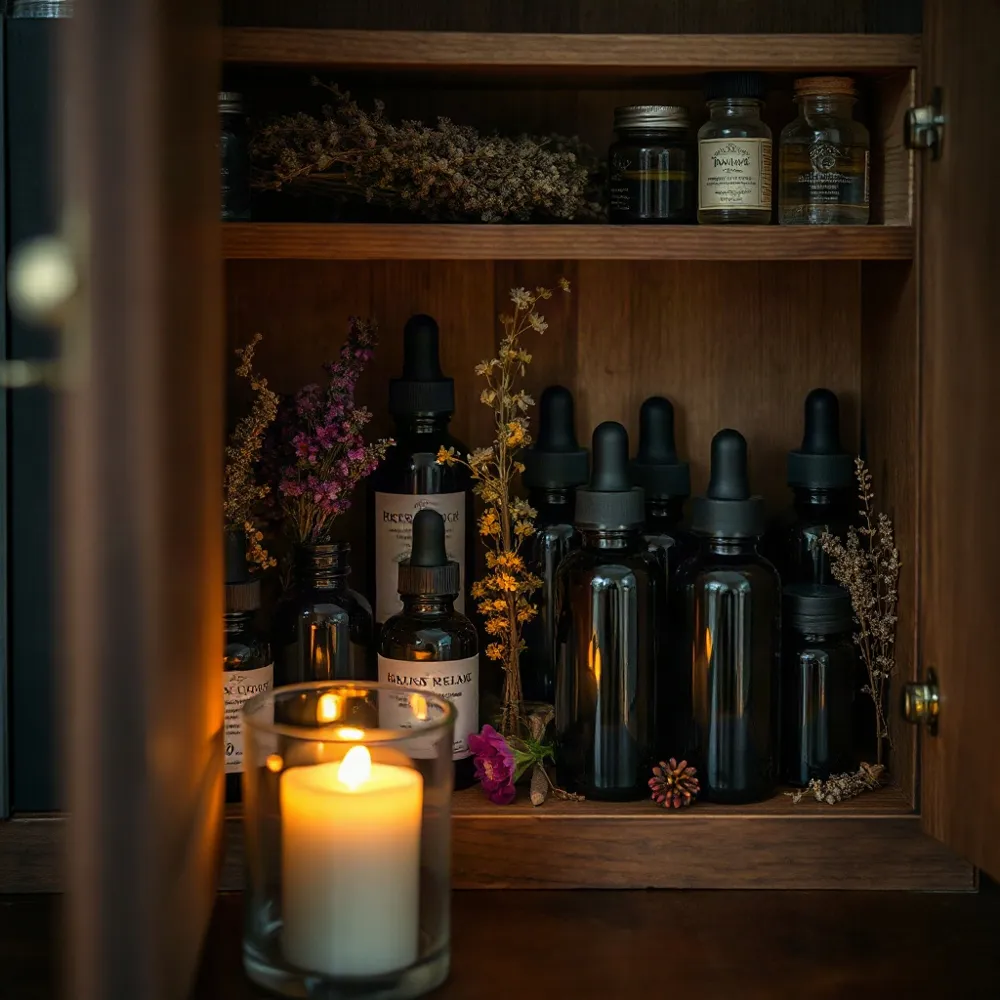
Why Home‑Based Natural Care Matters
Integrative wellness is a cornerstone of women’s health because it blends evidence‑based natural remedies with conventional care, allowing personalized strategies that address hormonal balance, stress, and immunity. Curcumin from turmeric, ginger, and eucalyptus oil have been shown in randomized trials to reduce inflammatory pain, nausea, and mild respiratory discomfort, offering safe alternatives to NSAIDs and prescription drugs. Regular use of magnesium‑rich foods, probiotic‑rich fermented foods, and vitamin C‑rich fruits supports muscle relaxation, gut health, and immune function, which can lower the frequency of migraine, cramps, and colds. By managing minor symptoms—such as a sore throat with honey, a sprain with a cold compress, or nausea with ginger tea—women can often avoid unnecessary urgent‑care visits, freeing clinic resources for true emergencies and reducing out‑of‑pocket costs. This proactive, home‑based approach empowers patients to take charge of their wellness while staying connected to professional care when needed.
Everyday Natural Remedies for Common Ailments
 When a minor symptom arises, a well‑chosen home remedy can often provide safe, evidence‑based relief without a prescription. For nausea, a simple ginger tea—fresh slices steeped in hot water for 5‑10 minutes—has demonstrated anti‑nausea effects in clinical trials and is gentle enough for most adults. A honey‑lemon drink (one tablespoon honey mixed with warm water and lemon) soothes sore throats and coughs, while the antimicrobial properties of honey help protect the irritated mucosa. For mild inflammation or joint discomfort, a turmeric‑golden milk (½ tsp curcumin‑rich turmeric blended with warm milk and a pinch of black pepper) mirrors the anti‑inflammatory benefits seen in randomized studies of curcumin. Nasal congestion improves quickly with a saline nasal rinse using a neti pot; the mechanical clearing of mucus is supported by randomized trials and reduces reliance on decongestants. Topical relief for muscle aches can be achieved with a warm compress or a few drops of peppermint or lavender essential oil diluted in a carrier oil, both of which have shown modest analgesic effects in double‑blind studies. Always verify personal allergies, avoid honey in infants under one year, and discuss any new regimen—especially during pregnancy, nursing, or when taking prescription medications—with a qualified healthcare professional.
Powerful Evidence‑Backed Remedy: Ginger
 What is the powerful home remedy?
Ginger (Zingiber officinale) is a scientifically backed home remedy that eases pain, nausea, and inflammation. Its active compounds—gingerols and shogaols—reduce prostaglandin production and calm the digestive tract, making ginger useful for menstrual cramps, morning‑sickness, and upset stomachs. A simple ginger tea—freshly grated root steeped in hot water—delivers these benefits quickly; the spice can also be added to meals, smoothies, or taken as a natural candy. Because it is gentle yet effective, ginger aligns well with a holistic, integrative approach to women’s health, supporting both physical comfort and overall vitality.
What is the powerful home remedy?
Ginger (Zingiber officinale) is a scientifically backed home remedy that eases pain, nausea, and inflammation. Its active compounds—gingerols and shogaols—reduce prostaglandin production and calm the digestive tract, making ginger useful for menstrual cramps, morning‑sickness, and upset stomachs. A simple ginger tea—freshly grated root steeped in hot water—delivers these benefits quickly; the spice can also be added to meals, smoothies, or taken as a natural candy. Because it is gentle yet effective, ginger aligns well with a holistic, integrative approach to women’s health, supporting both physical comfort and overall vitality.
Natural sickness relief Supporting the body’s own healing mechanisms with ginger involves staying hydrated, resting, and soothing the stomach. Sip ginger tea or chew ginger candy for nausea; combine with warm lemon‑honey tea for throat comfort. Steam inhalation (e.g., a hot shower) and saline nasal rinses help clear congestion, while honey‑sweetened cough relief offers modest anti‑inflammatory benefits without the side effects of many OTC drugs.
Natural remedies to help COVID‑19 symptoms While ginger cannot cure COVID‑19, it can ease mild symptoms and bolster immunity. Keep fluids abundant, rest, and soothe a sore throat with honey‑lemon tea or warm salt‑water gargles. Add a few drops of eucalyptus oil to steam for nasal relief, and consider probiotic‑rich foods to support the gut‑lung axis. Early supplementation with vitamin D, zinc, or echinacea may modestly shorten symptom duration. Combined with ginger’s anti‑nausea and anti‑inflammatory actions, these evidence‑based measures provide gentle, holistic support while the body recovers.
Holistic Health Domains and Insurance Realities
 When you think about true wellness, it helps to picture health as a four‑part puzzle. The physical side covers nutrition, sleep, movement and preventive care; the mental‑emotional side addresses thoughts, feelings and stress resilience; the social side looks at relationships and community support; and the spiritual side explores purpose and connection to something larger than oneself. A balanced approach that nurtures all four domains is especially powerful for women navigating hormone changes and everyday stress.
Alternative holistic health is a broad umbrella for therapies that treat the whole person—body, mind, spirit—rather than just isolated symptoms. Modalities such as acupuncture, Tai Chi, herbal medicine, Reiki, chiropractic care, and functional nutrition aim to restore natural balance and stimulate the body’s innate healing. Unlike conventional allopathic care, which often relies on drugs or surgery, these practices blend ancient wisdom with evidence‑based lifestyle counseling to create personalized wellness plans.
Insurance coverage for holistic practitioners varies. Many private plans will cover visits to licensed naturopathic or integrative doctors when they are in‑network, and over 20 states prohibit insurers from discriminating against them. Federal programs like Medicare and Medicaid generally do not cover these services, and unlicensed “holistic” providers are usually excluded. When coverage is available, insurers typically reimburse standard office visits and routine labs, while longer consultations, specialty tests and supplements may be billed to the patient or covered through HSAs/FSA. Always verify your plan’s specifics and the provider’s licensure before scheduling.
Creating a Practical Home Urgent‑Care Kit
 A well‑stocked home urgent‑care kit should focus on the basics that allow you to treat minor injuries and common ailments quickly, while keeping costs low and sustainability in mind.
Essential supplies for minor injuries – Include adhesive bandages, sterile gauze pads, antiseptic wipes, and antibiotic ointment, hydrocortisone cream, tweezers, small scissors, a digital thermometer, disposable gloves, and a flashlight with extra batteries. Over‑the‑counter pain relievers such as acetaminophen or ibuprofen, antihistamine tablets, and a few oral rehydration packets round out the core inventory (Sources: "Why Every Home Needs an Urgent Care Kit", "First Aid Tips: Treating At Home vs Visiting Urgent Care").
Cost‑effective kit options – A basic first‑aid kit can be assembled for under $20 by purchasing individual items from a pharmacy or dollar store. For families seeking broader coverage without prescription drugs, a "bug‑out" style kit (~$60) adds extra gauze, a burn‑care gel, and a small supply of oral antibiotics (only under physician guidance). These options avoid the expense and safety concerns of pre‑packed, prescription‑heavy kits while still meeting everyday needs.
Sustainable and travel‑friendly upgrades – Swap disposable ice packs for reusable gel packs, choose biodegradable bandages, and keep refillable antiseptic bottles. Store the kit in a waterproof, TSA‑compliant pouch for travel, and include a compact digital thermometer that syncs with a smartphone for easy monitoring. Regularly check expiration dates every six months and replace items as needed to maintain readiness (Source: "Why Every Home Needs an Urgent Care Kit").
Finding Holistic Urgent Care Near You
 When you need prompt, non‑emergency care that also respects your preference for natural, personalized health, start by searching for holistic urgent care together with your city or ZIP code. In the United States, many integrative clinics blend urgent‑care services with naturopathic, functional‑medicine, and wellness modalities. For example, Arizona’s Holistic Urgent Care offers walk‑ins, IV nutrient therapy, acupuncture, and ozone treatments, while Colorado’s Gunnison Main Street Clinic provides preventative care, acupuncture, and naturopathic medicine alongside urgent visits. These centers typically accept major insurance plans and also provide tele‑health appointments for quick, virtual assessment of mild illnesses, minor injuries, or medication refills.
[Telehealth and virtual urgent‑care options](./natural-urgent-care-options-for-minor-injuries-and-infections#beyond-the-clinic-telehealth-alternatives-and-when-to-seek-higherlevel-care) have expanded dramatically; platforms such as Teladoc, DoctorOnDemand, and local integrative practices allow you to consult a licensed clinician via video, receive a diagnosis, and obtain prescriptions without leaving home. This is especially useful for managing nausea with ginger tea, mild skin irritations with lavender oil, or low‑grade fevers with ibuprofen.
Comparing urgent care, retail clinics, and the emergency room helps you choose the right level of care. Retail clinics (often inside pharmacies) handle very limited conditions—simple vaccinations, strep throat, minor cuts—at a low upfront price. Urgent‑care centers have broader capabilities, including on‑site X‑rays, labs, and a wider staff of physicians, NPs, and PAs, making them suitable for sprains, minor fractures, or moderate infections. The emergency department remains the only venue for life‑threatening events such as severe chest pain, uncontrolled bleeding, or difficulty breathing. By locating a nearby holistic urgent‑care clinic and understanding these options, you can receive prompt, evidence‑based treatment that aligns with your wellness goals.
Integrating Natural Care Into Daily Life
A balanced approach to wellness blends evidence‑based home remedies with professional guidance. Simple, science‑backed options—such as ginger tea for nausea, turmeric or curcumin for joint inflammation, lavender oil for anxiety, and magnesium‑rich foods for muscle relaxation—can be used daily while tracking symptoms in a wellness journal. When a remedy eases discomfort, note the dose and timing; when pain, fever, or swelling persist beyond 48‑72 hours, or when red‑flag signs (severe chest pain, uncontrolled bleeding, high fever) appear, promptly contact an urgent‑care clinic or tele‑medicine provider. Many urgent‑care centers, including those in Dallas and Carmel, offer walk‑in or virtual visits that respect integrative preferences, allowing clinicians to adjust supplements, prescribe OTC analgesics, or order imaging if needed. Ongoing education—through reputable health websites, community workshops, or personalized plans from integrative practitioners—ensures each woman’s hormone profile, nutrition, and stress‑management strategies stay current, fostering a proactive, individualized path to lasting health.