Introduction: Setting the Context for Natural Testosterone Support
Testosterone levels begin to fall after puberty—about 1‑2 % each year in men and a more gradual decline after menopause in women—contributing to loss of muscle tone, reduced libido, mood changes, and increased body fat. In response, a booming market of over‑the‑counter "testosterone boosters" has emerged, many of which contain a cocktail of zinc, vitamin B‑complex, herbal extracts (fenugreek, Tribulus, saw palmetto) and other micronutrients. Yet systematic reviews show that only roughly one‑quarter of these ingredients have published data supporting a true rise in testosterone, while a substantial proportion lack any scientific evidence or even suggest a decrease. This gap highlights the need for an evidence‑based, integrative approach that blends lifestyle fundamentals—adequate sleep, resistance training, stress control, balanced nutrition—with carefully selected, clinically vetted supplements. Such a personalized strategy respects both the biology of hormone production and the safety concerns that arise when dosing exceeds recommended limits.
Understanding Saw Palmetto: Composition, Mechanism, and Safety
| Component | Typical Content | Primary Action |
|---|---|---|
| Fatty acids | Lauric, myristic, oleic | Anti‑inflammatory |
| Phytosterols | β‑sitosterol, stigmasterol | Hormone modulation |
| Flavonoids | Catechin, luteolin | Antioxidant |
| Enzyme target | 5‑α‑reductase inhibition | Reduces DHT formation |
| Common side‑effects | GI upset, dizziness, headache | Generally mild |
| Contra‑indications | Pregnancy, breastfeeding, anticoagulants, hormone‑sensitive meds | Consult clinician |
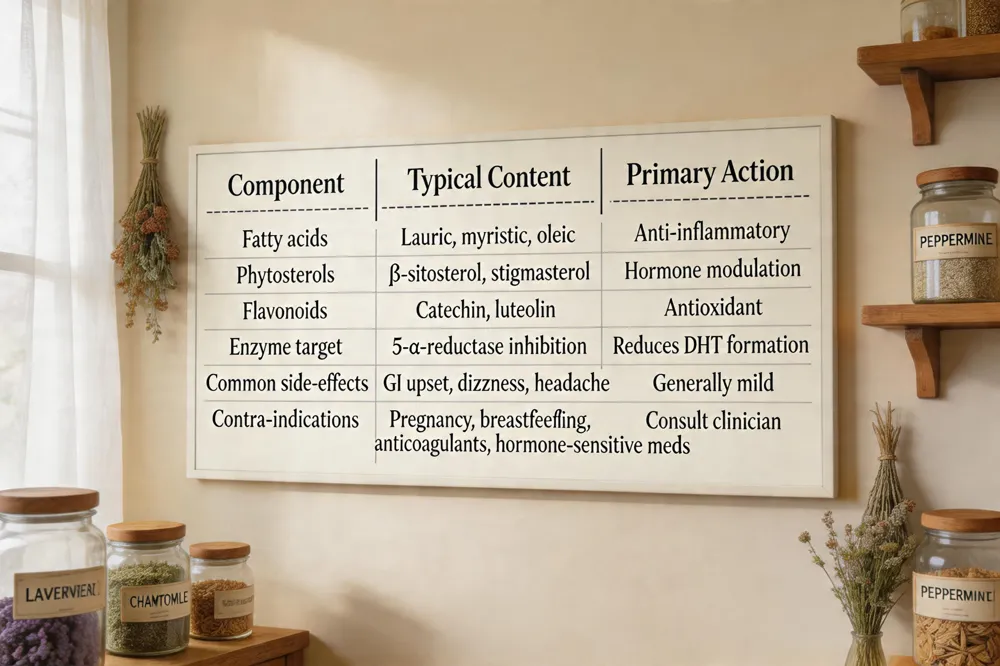 Saw palmetto is derived from the berries of the Serenoa repens palm, a shrub native to the southeastern United States. The extract contains a mixture of fatty acids, phytosterols, and flavonoids that give it anti‑inflammatory and hormone‑modulating properties. The most studied mechanism is inhibition of the enzyme 5‑α‑reductase, which slows the conversion of testosterone into dihydrotestosterone (DHT). By reducing DHT formation, saw palmetto may help maintain higher free‑testosterone levels and alleviate conditions linked to excess DHT, such as benign prostatic hyperplasia and hair loss, although clinical results are mixed.
Safety profile – Saw palmetto is generally well tolerated. When side effects appear they are usually mild and may include gastrointestinal upset (nausea, abdominal discomfort, diarrhea), occasional dizziness, or headache. The herb does not raise prostate‑specific antigen levels, but it can interact with medications that affect hormone pathways or blood clotting. Therefore, a clinician should be consulted before use, especially for individuals on anticoagulants, hormone‑sensitive drugs, or those who are pregnant or breastfeeding(https://www.nccih.nih.gov/health/saw-palmetto). Long‑term safety data are limited, so periodic reassessment with a qualified health‑care provider is advised.
FAQ
- Saw palmetto side effects: Saw palmetto is generally well tolerated; most people experience no problems. When side effects do occur they are usually mild and may include gastrointestinal upset, dizziness, or headache. Clinician consultation is recommended due to potential drug‑herb interactions and contraindications in pregnancy, breastfeeding, or hormone‑sensitive conditions.
- Is there a downside to taking saw palmetto?: While generally safe, some individuals may experience mild GI upset, dizziness, or headache, particularly at higher doses. Safety during pregnancy or breastfeeding is unclear, and the herb can interact with blood thinners and hormone‑affecting medications. Short‑term use appears safe, but long‑term effects remain uncertain, so periodic professional review is prudent.
Saw Palmetto for Women: Hormonal Balance and Menopausal Support
| Benefit | Mechanism | Typical Dose |
|---|---|---|
| Reduce oily skin & acne | Decreases DHT → less sebum | 160‑320 mg/day split BID |
| Mitigate hot‑flashes | Modulates androgen‑estrogen balance | 160‑320 mg/day |
| Improve vaginal moisture | Supports androgen‑driven tissue health | 160‑320 mg/day |
| PCOS symptom relief | Lowers androgen excess | 160‑320 mg/day |
| Safety notes | Mild GI upset, headache; avoid if pregnant/breastfeeding | Use under professional guidance |
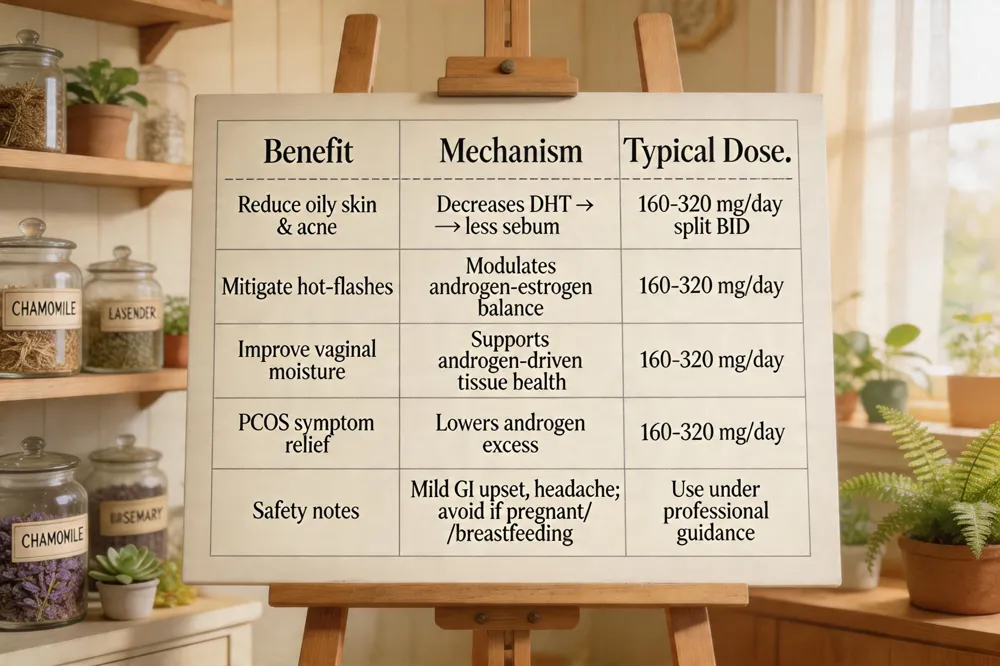 Saw palmetto (Serenoa repens) is a plant‑derived extract that many women turn to for natural hormone modulation during perimenopause and menopause. By inhibiting the enzyme 5‑α‑reductase, it can reduce the conversion of testosterone into the more potent dihydrotestosterone (DHT). This action helps temper excess androgen activity, which often shows up as oily skin, acne, or thinning hair in middle‑aged women. Some users also notice milder hot‑flashes, steadier mood, and better vaginal moisture, though clinical data are limited.
For those with polycystic ovary syndrome (PCOS) or other forms of androgen excess, saw palmetto may offer modest relief of hirsutism and skin break‑out. Typical dosing for women is 160–320 mg of a standardized extract per day, split into two doses and taken with food to reduce gastrointestinal upset. Because the supplement is not FDA‑approved for therapeutic claims, it should be used under the guidance of a qualified health professional, especially in pregnancy, nursing, or when taking blood thinners or hormonal contraceptives. Monitor for mild side effects such as headache, stomach upset, or dizziness, and discontinue if adverse reactions occur.
What does saw palmetto do to females? Saw palmetto is thought to help moderate excess androgen activity in women, which can lessen symptoms such as oily skin, acne, and thinning hair. By inhibiting the enzyme 5‑α‑reductase, it may reduce the conversion of testosterone to dihydrotestosterone, supporting a more balanced hormonal profile during perimenopause and menopause. Some women report milder hot‑flashes, reduced mood swings, and improved vaginal moisture when they use saw palmetto, though clinical evidence is limited. The herb is also explored as an adjunct for polycystic ovary syndrome (PCOS)‑related androgen excess, but dosing and safety data for females are not as robust as for men. As with any supplement, it’s best to consult a healthcare practitioner before adding saw palmetto, especially if you are pregnant, nursing, or taking hormonal medications.
Saw palmetto for women Saw palmetto (Serenoa repens) is a botanical extract commonly sold as capsules or tablets that contains phytosterols and fatty acids. For women, typical oral dosing is 160–320 mg per day, often divided into two doses, and many formulations combine it with biotin or other nutrients. It may help balance androgen levels, supporting hair and skin health, reducing excess facial hair, and alleviating post‑menopausal urinary or hormonal symptoms such as those seen in PCOS. Evidence is limited and most studies focus on men, so women should use it under the guidance of a qualified practitioner, especially if pregnant, nursing, or taking medications like blood thinners or hormonal contraceptives. As with any supplement, monitor for side effects such as stomach upset or headache and discontinue use if adverse reactions occur.
Targeted Benefits: Breast, Hair, and Skin Health
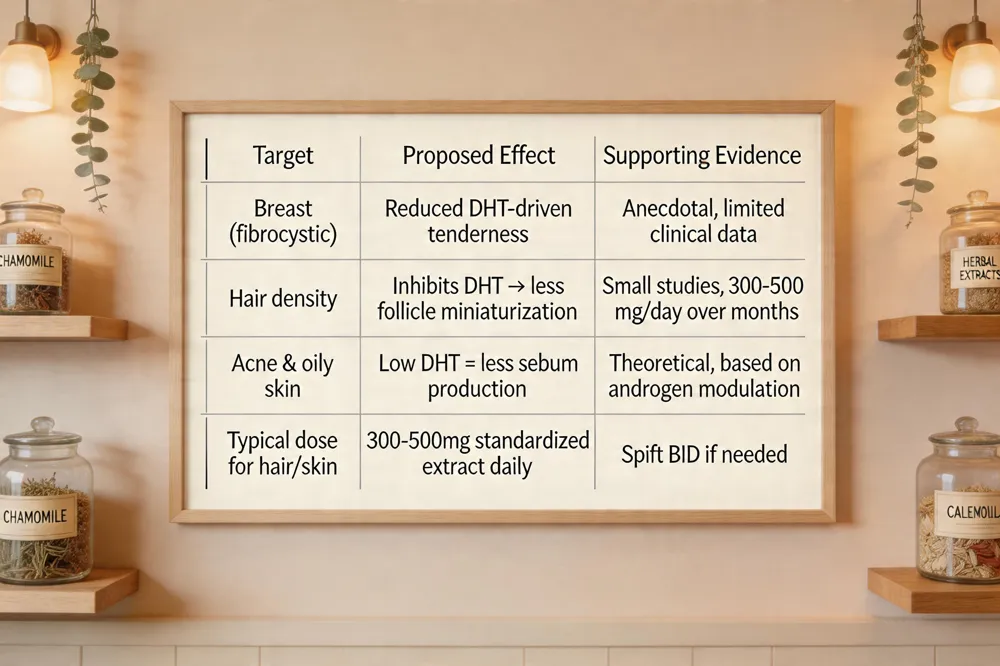
| Target | Proposed Effect | Supporting Evidence |
|---|---|---|
| Breast (fibrocystic) | Reduced DHT‑driven tenderness | Anecdotal, limited clinical data |
| Hair density | Inhibits DHT → less follicle miniaturization | Small studies, 300‑500 mg/day over months |
| Acne & oily skin | Low DHT = less sebum production | Theoretical, based on androgen modulation |
| Typical dose for hair/skin | 300‑500 mg standardized extract daily | Split BID if needed |
 Saw palmetto extract comes from Serenoa repens berries is gaining attention for its subtle androgen‑modulating effects that may benefit women’s breast, hair, and skin concerns.
Potential reduction of fibrocystic breast discomfort – The herb is thought to It may inhibit 5‑alpha‑reductase, reducing conversion of testosterone to DHT. By tempering DHT‑driven hormonal fluctuations, some women experience less cyclical breast tenderness and a softer breast tissue texture. Clinical data specific to breast tissue are limited, so the supplement should be viewed as an adjunct to broader lifestyle and hormonal‑balance strategies rather than a primary therapy.
Mechanism for hair density improvement – DHT is a key driver of follicle miniaturization in androgenic alopecia. Saw palmetto’s 5‑alpha‑reductase inhibition can reduce scalp DHT levels, creating a more favorable environment for hair growth. In practice, a daily dose of 300‑500 mg of a standardized extract has been reported to modestly increase hair density over several months in women with hormonal‑related thinning.
Impact on acne and oily skin via androgen modulation – Acne severity often correlates with excess DHT activity in sebaceous glands. By curbing DHT production, saw palmetto may help decrease sebum output and reduce inflammatory lesions, offering a gentle, plant‑based complement to skin‑care routines.
Q&A
- Saw palmetto benefits for women breast: Saw palmetto is thought to help lessen estrogen‑dominant breast tenderness and cyclical swelling by modestly inhibiting the conversion of testosterone to dihydrotestosterone, which can influence hormonal balance. Some women report a reduction in fibrocystic‑type lumpiness and discomfort when taking a Typical research dosing is 320 mg of standardized extract daily, though clinical studies specifically on breast tissue are scarce. The herb’s phytosterols and fatty acids may also support overall endocrine health, complementing a functional‑medicine approach to menstrual and perimenopausal symptoms. Because the evidence is limited, it should be used as an adjunct—not a primary treatment—for breast‑related concerns, and women should discuss it with a healthcare provider before starting. Potential side effects are generally mild (e.g., gastrointestinal upset), but caution is advised for those on hormone‑sensitive medications or with a history of breast disease.
- Saw palmetto benefits for hair: Saw palmetto is thought to help hair health by inhibiting the enzyme 5‑alpha‑reductase, which reduces the conversion of testosterone into dihydrotestosterone (DHT), a hormone that can shrink hair follicles and trigger thinning. Lowering DHT levels may promote a more favorable environment for follicle growth, leading to fuller‑looking hair and a decrease in daily shedding. In women experiencing androgenic alopecia or hormonal‑related thinning, regular supplementation—often in the 300‑500 mg daily range—has been reported to improve hair density over several months. Because it is a plant‑based, gentle option, saw palmetto can be combined with other integrative wellness strategies such as balanced nutrition, stress‑reduction practices, and topical botanicals for a holistic approach to hair restoration. While individual results vary and more robust clinical data are needed, many women find it a useful adjunct to their overall hair‑care regimen.
Combining Botanicals: Pumpkin Seed Oil and Saw Palmetto
| Component | Key Nutrients | Combined Action |
|---|---|---|
| Pumpkin seed oil | Phytosterols, linoleic & oleic acids | Provides cholesterol precursors for testosterone synthesis |
| Saw palmetto | Phytosterols, fatty acids | 5‑α‑reductase inhibition → less DHT |
| Synergy | Supports hormone balance, urinary health, hair growth | Modest improvements in urinary flow & PSA in trials |
| Typical regimen | 3 g pumpkin seed oil (≈3 softgels) + 300 mg saw palmetto daily | Split doses with food |
| Safety | Mild GI upset, headache; caution with anticoagulants & hormonal meds | No major drug‑herb interactions reported |
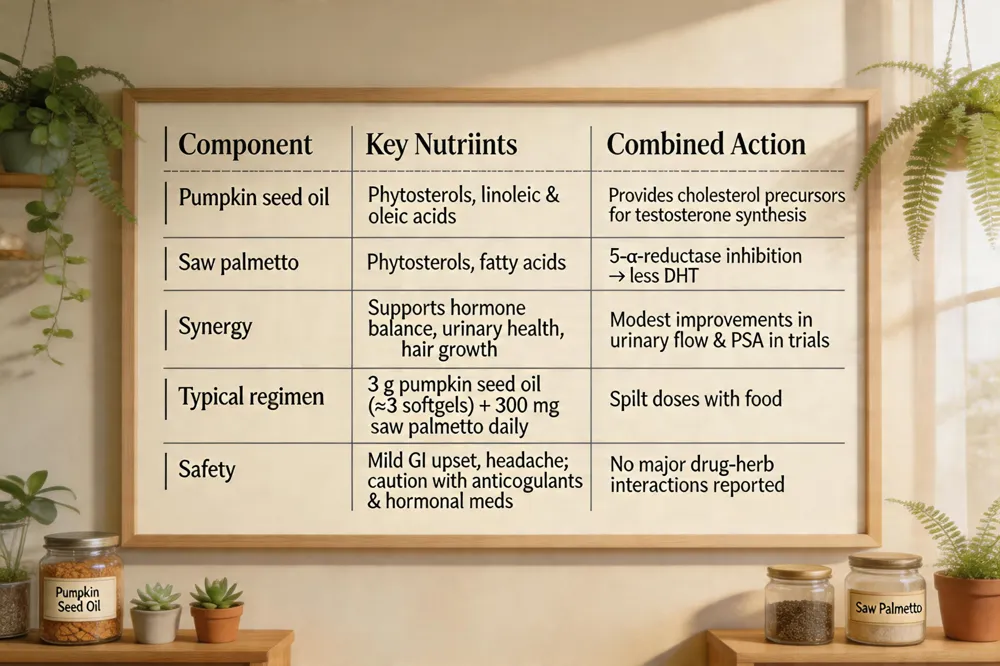 Pumpkin seed oil and Saw‑palmetto share a rich profile of phytosterols, essential fatty acids and antioxidant compounds that together can support hormone balance, urinary comfort and prostate health. The sterols in pumpkin seed oil help modulate cholesterol pathways used for steroid synthesis, while the fatty‑acid blend (especially linoleic and oleic acids) supplies the raw material for testosterone production. Saw‑palmetto’s best‑known action is inhibition of 5‑alpha‑reductase, which reduces conversion of testosterone to dihydrotestosterone (DHT) and may alleviate lower‑urinary‑tract symptoms and prostate enlargement. Clinical trials of combined supplementation have shown modest improvements in urinary flow and a slight reduction in testosterone-specific antigen without major adverse events. Safety considerations – Both botanicals are generally well‑tolerated; common side effects are mild gastrointestinal upset, headache or dizziness. Caution is advised for people on anticoagulants, hormonal therapies or who are pregnant or nursing, as interactions are possible. Can you take pumpkin seed and Saw‑palmetto together? Yes, pumpkin seed and Saw‑palmetto can be taken together. Both herbs are rich in phytosterols, essential fatty acids and antioxidants that help support healthy hormone balance, hair growth and, in men, prostate health. Clinical studies have shown that combining the two oils can improve urinary symptoms and lower testosterone-specific antigen without any significant safety concerns. No major drug‑herb interactions have been reported, but if you are on blood‑thinners, hormonal medications or have a thyroid condition, it’s wise to discuss the combination with your healthcare provider. A typical dose is three softgels a day (about 3 g of pumpkin seed oil and 300 mg of Saw‑palmetto extract), but individual needs may vary.
Daily Use: What to Expect and Monitoring
| Parameter | Recommended Monitoring | Frequency |
|---|---|---|
| Hormone levels (free testosterone, DHT) | Blood test | Baseline, then 8‑12 weeks |
| Side‑effects | GI symptoms, dizziness, bleeding | Ongoing, report any new issues |
| Clinical response | Hair density, skin texture, hot‑flashes | Subjective assessment monthly |
| Lab safety | CBC, liver enzymes, PSA (men) | Every 3‑6 months if on long‑term use |
| Dose | 160 mg BID or 320 mg once daily | With food to reduce GI upset |
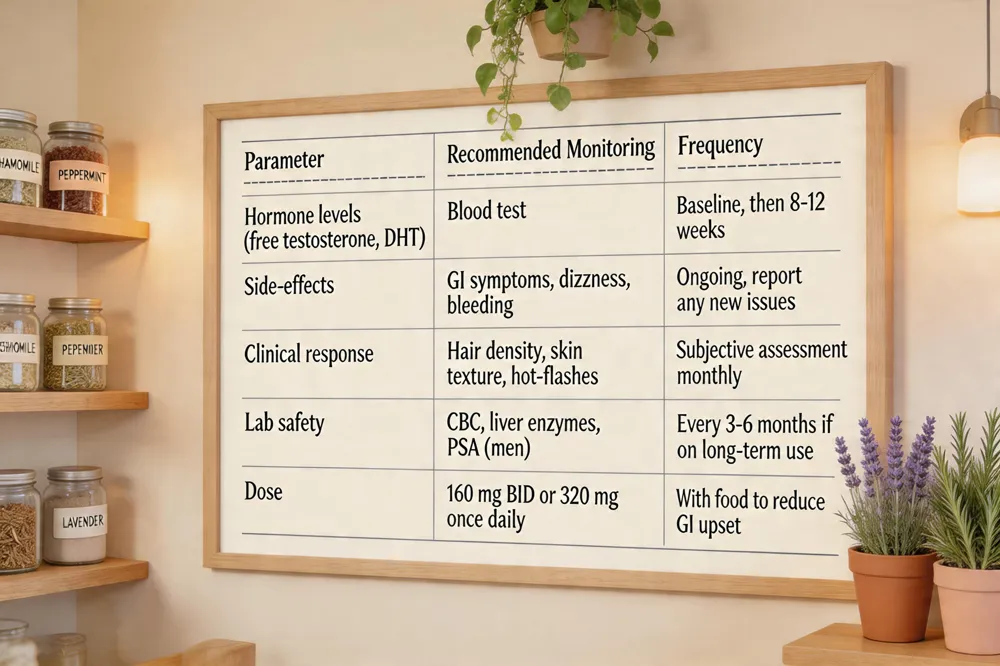 Standard daily dosing of saw palmetto for most adults is 160 mg taken twice a day (or a single 320 mg dose) with food to reduce gastrointestinal upset. Consistent timing—morning and evening—helps maintain steady blood levels. When used daily, many people notice modest improvements in hair density and reduced shedding, especially women with androgenic alopecia, and some report smoother skin and a slight easing of hormonal fluctuations such as mild menopausal hot‑flashes. These benefits are thought to stem from the herb’s mild inhibition of 5‑alpha‑reductase, which limits conversion of testosterone to DHT. Side‑effect monitoring should focus on digestive symptoms (nausea, diarrhea), occasional dizziness or headache, and any unusual bleeding, particularly if you are on anticoagulants. Interactions with hormone‑sensitive conditions, thyroid medications, or blood thinners warrant a clinician’s review before starting. In practice, most users tolerate saw palmetto well for up to three months; however, realistic expectations and regular check‑ins with a healthcare provider are essential to ensure safety and assess any subtle hormonal changes.
Natural Strategies to Boost Testosterone in Women
| Strategy | Key Elements | Expected Impact |
|---|---|---|
| Nutrition | Protein, healthy fats, zinc (oysters, pumpkin seeds), vitamin D | Supports adrenal/ovarian steroidogenesis |
| Exercise | Resistance training + HIIT | Acute testosterone spikes, lean mass maintenance |
| Sleep | 7‑9 h restorative sleep | Normalizes HPG axis |
| Stress management | Mindfulness, yoga, meditation | Lowers cortisol, reduces antagonism to testosterone |
| Herbal adjuncts | Maca, fenugreek, saw palmetto (5‑α‑reductase inhibitor) | Modest androgen balance support |
| Lifestyle cautions | Limit alcohol, processed sugar, high‑estrogen contraceptives | Prevents testosterone suppression |
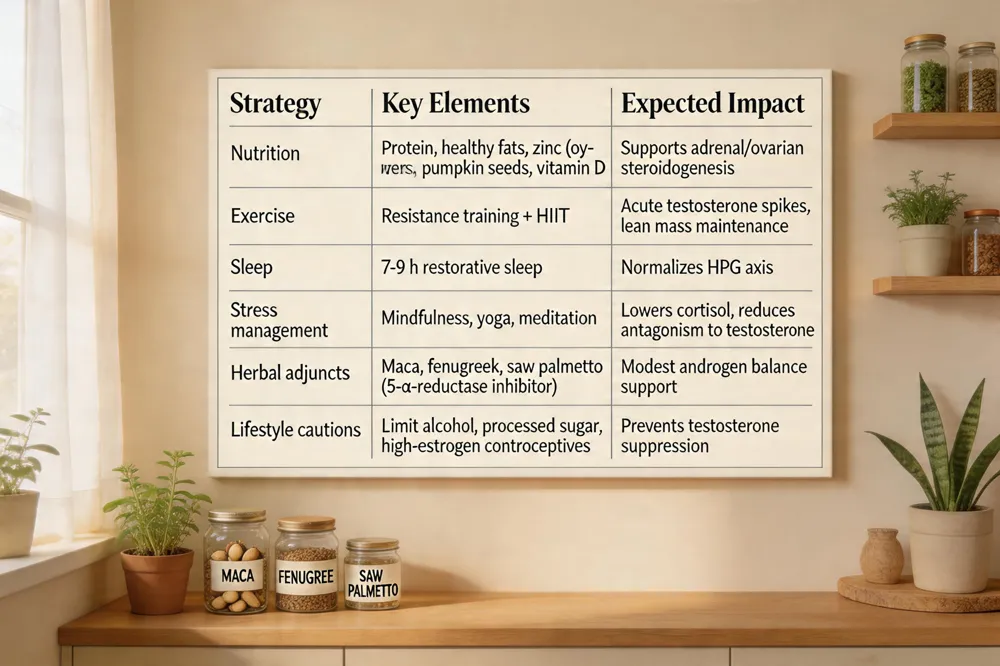 Women who want to support healthy testosterone levels can start with a nutrient‑dense diet that emphasizes high‑quality protein, healthy fats, and key micronutrients. Foods such as eggs, lean poultry, fatty fish, avocado, nuts, and olive oil provide the building blocks for hormone synthesis, while zinc‑rich sources (oysters, pumpkin seeds, beans) and vitamin D‑rich foods (fatty fish, fortified dairy, safe sunlight exposure) help maintain adrenal and ovarian function. Studies show that zinc deficiency is linked to lower testosterone and that adequate vitamin D can modestly raise levels in deficient individuals.
Physical activity is another cornerstone. Regular resistance training (e.g., weight‑lifting, body‑weight circuits) and high‑intensity interval training (HIIT) acutely raise testosterone and preserve lean muscle mass. Consistent 7‑9 hours of restorative sleep each night allows the hypothalamic‑pituitary‑gonadal axis to reset, and sleep loss can suppress testosterone by up to 15 %.
Stress‑reduction techniques such as mindfulness meditation, yoga, or gentle movement keep cortisol in check, preventing the hormone’s antagonistic effect on testosterone. Evidence‑based herbal adjuncts—like maca root, fenugreek extract, and, for qualified women, saw palmetto (which may inhibit 5‑alpha‑reductase)—can further support androgen balance when used under professional guidance. Limiting alcohol, processed sugars, and overly estrogenic contraceptives also helps maintain optimal testosterone production.
The Landscape of Over‑the‑Counter Testosterone Boosters
| Metric | Statistic |
|---|---|
| Total products analyzed | 50 |
| Distinct ingredients across products | 109 |
| Average ingredients per label | 8.3 |
| Ingredients with proven testosterone boost | 24.8 % |
| Ingredients linked to testosterone reduction | 10 % |
| Ingredients with no data | 61.5 % |
| Saw‑palmetto prevalence | 11 % of formulas |
| Regulatory note | Supplements not FDA‑approved for disease treatment; labeling claims limited |
| Safety concern | Some exceed UL for zinc, vitamin B3, magnesium → risk of anemia, copper depletion, GI upset |
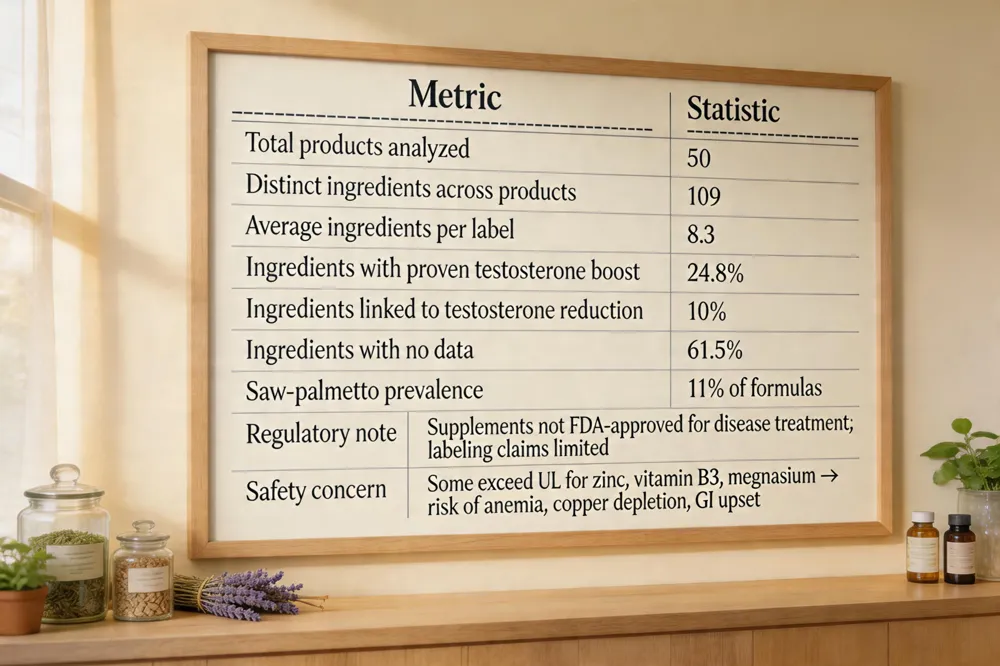 The market for over‑the‑counter “testosterone booster” supplements is crowded: a recent analysis identified 50 products, containing a total of 109 distinct ingredients with an average of 8.3 components per label. Zinc (found in 64 % of items), fenugreek, vitamin B6, Tribulus, and magnesium were the most common, while saw‑palmetto appeared in only 11 % of the formulas. Despite the loud marketing claims, only 24.8 % of the individual ingredients have published studies showing a significant rise in testosterone; 10 % are linked to reductions, and the majority (61.5 % have no data at all.
The FDA makes clear that dietary supplements are not approved to diagnose, treat, prevent or cure disease, and manufacturers may not legally state that a product “boosts testosterone.” This regulatory gap means safety and potency vary widely, and some products exceed the Upper Tolerable Intake Level for zinc, vitamin B3 or magnesium, raising the risk of anemia, copper depletion, or gastrointestinal upset. For anyone—including women who also rely on testosterone for bone health, libido and mood—consulting a medical professional before starting supplement is essential.
Key Nutrients and Herbs with Evidence: Zinc, Vitamin D, Ashwagandha, Fenugreek, Boron
| Nutrient/Herb | Typical Effective Dose | Main Benefit |
|---|---|---|
| Zinc | 20‑30 mg/day (max 40 mg UL) | Restores testosterone synthesis; excess may cause copper deficiency |
| Vitamin D3 | 2 000‑4 000 IU/day (target serum >30 ng/mL) | ↑ total testosterone ~20 % in deficient individuals |
| Ashwagandha (KSM‑66) | 600 mg/day | ↓ cortisol 15‑30 %; ↑ testosterone 10‑17 % |
| Fenugreek (saponin‑rich) | 500‑600 mg/day | May inhibit aromatase → ↑ free testosterone & libido |
| Boron | 6‑10 mg/day | ↑ free testosterone 20‑30 %; ↓ SHBG |
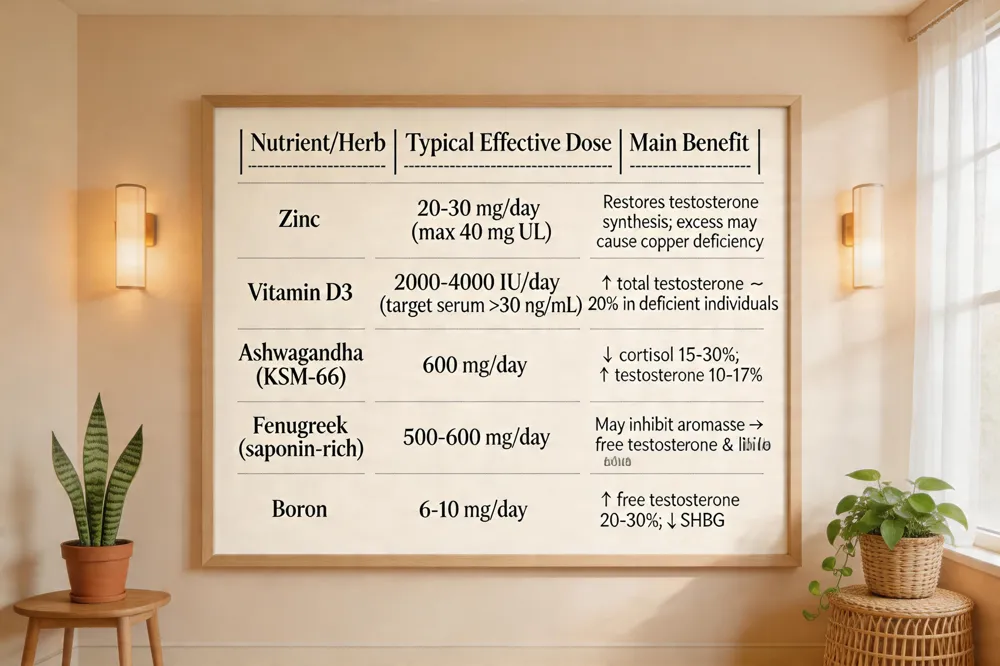 Zinc is essential for testosterone synthesis; deficiency is linked to low levels, and supplementation of 20‑30 mg daily can restore normal values, but doses above the 40 mg upper limit may interfere with copper, cause anemia, or suppress immunity. Vitamin D deficiency is common in adults; restoring serum 25‑OH‑D with 2 000‑4 000 IU daily has been shown to raise total testosterone by roughly 20 % in men and improve mood and bone health in women. Ashwagandha, an adaptogen, reduces cortisol by 15‑30 % and modestly lifts testosterone (10‑17 %) in stressed individuals, supporting vitality without harsh side effects. Fenugreek’s saponins may inhibit aromatase, modestly increasing free testosterone and enhancing libido, especially when taken at 500‑600 mg daily. Low‑dose boron (6‑10 mg) has demonstrated a 20‑30 % rise in free testosterone and a small SHBG reduction, offering a gentle hormonal boost when used responsibly.
Practical Guidance for Integrative Practitioners and Patients
| Clinical Step | Action |
|---|---|
| Baseline labs | Total & free testosterone, SHBG, LH, prolactin, vitamin D, zinc, magnesium, cortisol (AM before 10 am) |
| Follow‑up labs | Repeat after 8‑12 weeks of intervention |
| Supplement selection | Prioritize zinc 20‑30 mg, vitamin D3 2 000‑4 000 IU, magnesium 300‑400 mg, ashwandha 600 mg; |
| Safety monitoring | CBC, liver enzymes, PSA (men >45), review meds for anticoagulant/hormone interactions |
| Copper safeguard | Add ~300 µg copper if zinc >40 mg/day |
| Patient education | Signs of copper deficiency, GI upset, bleeding; advise on when to discontinue |
| Follow‑up frequency | Every 4‑6 weeks to assess symptoms, weight, sleep, stress |
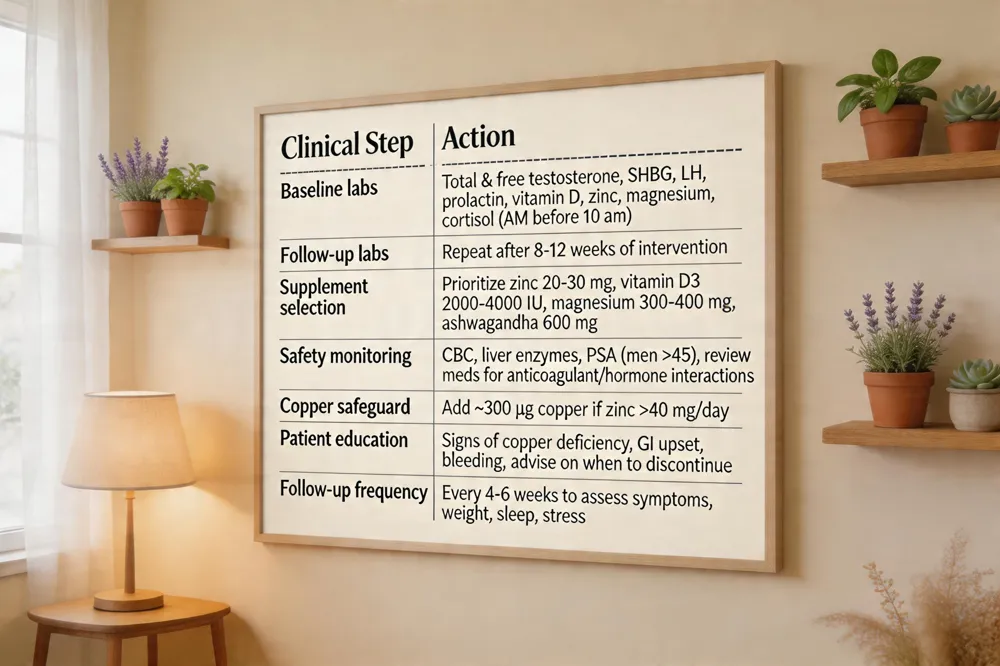 Baseline testing is foundation first step. Measure total and free testosterone, SHBG, LH, prolactin, vitamin D, zinc, magnesium, and cortisol in the early morning, ideally before 10 am, and repeat after 8–12 weeks of any intervention. Results help identify true deficiency versus age‑related decline and guide personalized supplement choices.
When selecting supplements, prioritize ingredients with robust data: zinc (20‑30 mg daily for deficient men), vitamin D3 (2 000–4 000 IU daily to reach serum >30 ng/mL), magnesium (300‑400 mg elemental), and ashwandha (600mg of a standardized extract such as KSM‑66). Avoid products that exceed the FDA Upper Tolerable Intake Level, especially for zinc, vitamin B3, or magnesium, and watch for excessive B‑vitamin doses (e.g., median B12 1 291 % of RDA).
Monitoring safety involves periodic labs (CBC, liver enzymes, PSA in men over 45) and reviewing medication lists for interactions with anticoagulants, CYP450 substrates, or hormone therapies. Educate patients on signs of copper deficiency (anemia, neutropenia) from high‑zinc regimens and advise a copper safeguard (≈300 µg) when zinc >40 mg. Regular follow‑up visits should assess symptom change, weight, sleep quality, and stress levels to ensure long‑term benefit without adverse effects.
Conclusion: A Balanced, Evidence‑Based Path Forward
A truly personalized approach to optimal hormone health blends three pillars: daily habits, nutrition, and thoughtfully selected botanicals. Regular resistance training, adequate sleep, stress‑reduction practices, and a diet rich in lean protein, healthy fats, zinc‑rich foods, and vitamin‑D sources create the physiological foundation for balanced testosterone and other sex hormones in women. When a botanical such as ashwagandha, fenugreek, or saw‑metto is added, dosing should reflect the individual’s age, health status, and any deficiencies, and it must stay well below FDA Upper Tolerable Intake Levels to avoid adverse effects like copper depletion or liver stress. Professional oversight—by a clinician, registered dietitian, or integrative‑medicine practitioner—ensures safety, monitors interactions, and tailors adjustments over time. Finally, research must expand beyond male‑centric studies to include women’s outcomes, exploring dose‑response curves, long‑term safety, and the interplay of lifestyle factors with botanical efficacy. This evidence‑driven, patient‑centered roadmap empowers women to achieve hormonal vitality safely and sustainably.