Opening the Path to Integrative Sleep and Stress Wellness
Mind‑body practices—yoga, tai chi, mindfulness meditation, deep‑breathing, and progressive muscle relaxation—calm the nervous system, lower cortisol, and activate the parasympathetic response, all of which pave the way for faster sleep onset and deeper rest. Women often experience heightened sleep disruption due to hormonal swings, menstrual cycles, and perimenopause; these fluctuations amplify autonomic arousal, making mind‑body tools especially effective for balancing stress and stabilizing melatonin rhythms. From a functional‑medicine view, integrating movement (gentle stretching or tai chi), breath work (4‑7‑8 or diaphragmatic breathing), mindfulness (body‑scan or gratitude practice), and nutrition (magnesium‑rich foods, low‑caffeine evenings) addresses the root causes of stress‑related insomnia rather than masking symptoms. Together, these pillars create a personalized, evidence‑based routine that supports hormonal balance, emotional resilience, and restorative sleep.
Stress‑Relief Strategies Tailored for Women
 Daily movement and endorphin release – A brisk 20‑minute walk, yoga, gardening, or light weight‑training boosts endorphins and lowers cortisol, as shown in multiple trials (Mayo Clinic, CDC). Aim for at least five days a week to keep the nervous system balanced.
Balanced nutrition and caffeine moderation – Fill the plate with fruits, vegetables, whole grains, and lean protein; these foods support neurotransmitter health and curb mood swings. Limit caffeine after noon and avoid alcohol close to bedtime, because both can heighten anxiety and disrupt melatonin release (Harvard Health, NIH).
Mindfulness, breathing, and gratitude practices – Simple 4‑7‑8 breathing diaphragmatic breathing or a 5‑minute body‑scan meditation activates the parasympathetic system, short sleep latency by up to 20 minutes (Jerath et al., 2019). Incorporate a nightly gratitude list to lower rumination and increase sleep efficiency (CDC, 2023).
Social connection and boundary setting – Regular contact with supportive friends or community groups buffers stress hormones, while assertive boundary‑setting prevents overload (Mayo Clinic, 2024).
Quick‑stress‑relief techniques – When tension spikes, try square breathing (inhale 4‑hold 4‑exhale 4‑hold 4), a brief stretch, or a 30‑second self‑massage of the neck and hands. A quick phone call to a loved one or a funny video can trigger laughter, instantly reducing physiological stress (Healthline, 2024).
Together, these strategies form a holistic routine that respects a woman’s unique rhythm, promotes hormonal balance, and nurtures lasting emotional resilience.
Daily movement and endorphin release – A brisk 20‑minute walk, yoga, gardening, or light weight‑training boosts endorphins and lowers cortisol, as shown in multiple trials (Mayo Clinic, CDC). Aim for at least five days a week to keep the nervous system balanced.
Balanced nutrition and caffeine moderation – Fill the plate with fruits, vegetables, whole grains, and lean protein; these foods support neurotransmitter health and curb mood swings. Limit caffeine after noon and avoid alcohol close to bedtime, because both can heighten anxiety and disrupt melatonin release (Harvard Health, NIH).
Mindfulness, breathing, and gratitude practices – Simple 4‑7‑8 breathing diaphragmatic breathing or a 5‑minute body‑scan meditation activates the parasympathetic system, short sleep latency by up to 20 minutes (Jerath et al., 2019). Incorporate a nightly gratitude list to lower rumination and increase sleep efficiency (CDC, 2023).
Social connection and boundary setting – Regular contact with supportive friends or community groups buffers stress hormones, while assertive boundary‑setting prevents overload (Mayo Clinic, 2024).
Quick‑stress‑relief techniques – When tension spikes, try square breathing (inhale 4‑hold 4‑exhale 4‑hold 4), a brief stretch, or a 30‑second self‑massage of the neck and hands. A quick phone call to a loved one or a funny video can trigger laughter, instantly reducing physiological stress (Healthline, 2024).
Together, these strategies form a holistic routine that respects a woman’s unique rhythm, promotes hormonal balance, and nurtures lasting emotional resilience.
Natural Remedies and Herbs for Deep, Restorative Sleep
 Warm drinks that boost tryptophan and flavonoids—such as warm milk, chamomile tea, or tart‑cherry juice—can modestly raise serotonin and melatonin, helping the brain transition to sleep. Regular moderate aerobic activity earlier in the day increases slow‑wave sleep, while vigorous exercise within two hours of bedtime can raise core temperature and impede sleep onset. A cool, dark bedroom (65‑72 °F) and limiting evening screen exposure preserve melatonin production. Aromatherapy with lavender oil, combined with relaxation techniques like progressive muscle relaxation (PMR) or guided imagery, activates the parasympathetic nervous system and reduces cortisol, shortening latency and deepening restorative stages. Herbal sedatives such as valerian root, hops, passionflower, and adaptogens like ashwagandha or California poppy calm GABA activity and ease racing thoughts, though they work best when taken 30 minutes before bed (Herbal and Natural Supplements, NIH). For women seeking an integrated supplement, ProThrivers™ Wellness Sleep blends 10 mg melatonin, magnesium bisglycinate, L‑theanine, and magnolia bark to promote calm without morning grogginess (Amazon listing). Low‑dose melatonin remains the strongest natural aid for sleep onset, especially in older adults, while magnesium supports uninterrupted maintenance. Pairing these remedies with consistent sleep hygiene—regular schedule, morning light, and a screen‑free wind‑down—offers a personalized, evidence‑based path to deeper, more restorative sleep.
Relaxation Techniques to Fall Asleep Quickly
 Most women find that a short, structured wind‑down routine can turn a restless night into a deep, restorative sleep. A 2‑minute “military method” starts with lying on your back, relaxing the facial muscles, then systematically releasing tension from the shoulders down to the toes while silently repeating a simple mantra such as “don’t think.” This rapid muscle‑relaxation and mental‑clearing sequence, originally designed for service members, can shut down the nervous system in as little as two minutes.
For a 5‑minute approach, create a calm environment (dim lights, cool room, no screens), then practice the 4‑7‑8 breath—inhale 4 seconds, hold 7, exhale 8—while progressively relaxing each muscle group from toes to head. Finish with a brief guided imagery of a peaceful lake or meadow to quiet lingering thoughts.
If you’re awake after 15–20 minutes, get out of bed, do a low‑stimulus activity (reading a book), and return only when drowsy. This prevents the brain from associating the mattress with alertness.
Progressive muscle relaxation (PMR) for 10–15 minutes before bedtime reduces sympathetic arousal and shortens sleep onset latency, as demonstrated in multiple trials. Diaphragmatic breathing and the 4‑7‑8 method activate the parasympathetic system, lower cortisol, and even boost melatonin secretion.
Guided imagery, body‑scan meditation, and yoga nidra (a guided lying‑down yoga) further calm the mind, lower stress hormones, and improve sleep efficiency. Consistently pairing any of these evidence‑based mind‑body practices with good sleep hygiene—regular bedtime, limited caffeine, and a brief worry journal—builds a resilient inner calm that helps women fall asleep quickly and stay asleep soundly.
Mindfulness, Meditation, and Sleep Quality
 Mindfulness meditation can be a powerful, drug‑free ally for women struggling with insomnia and fragmented sleep. Large randomized trials, including a JAMA Internal Medicine study of 49 middle‑aged adults, show that a structured mindfulness program reduces insomnia severity, fatigue and depressive symptoms more than standard sleep‑education classes. Systematic reviews and meta‑analyses of 15‑27 trials report improvements in Pittsburgh Sleep Quality Index scores by 2‑3 points and a 10‑30 % increase in sleep efficiency, with cortisol levels dropping 10‑20 % after consistent practice.
Guided meditation apps or PDFs (e.g., those from MindfulnessExercises.com or the Greater Good in Education portal) provide body‑scan scripts, breathing, and visualization cues that activate the relaxation response, lower heart‑rate variability, and promote melatonin secretion. A brief 20‑minute nightly routine—focusing on the breath, gently scanning the body, and visualizing a calm scene—can shorten sleep onset latency by 10‑15 minutes and reduce nighttime awakenings by up to 25 %.
While a 10‑minute meditation cannot replace the cellular restoration of deep (slow‑wave) sleep, it offers a quick mental reset that mitigates stress‑induced arousal and supports overall well‑being. Integrating mindfulness with good sleep hygiene (cool, dark bedroom, consistent bedtime, limited caffeine) aligns with functional‑medicine principles and can help women achieve more restorative, anxiety‑free nights.
Holistic Sleep Hygiene, Lifestyle, and Assessment Tools
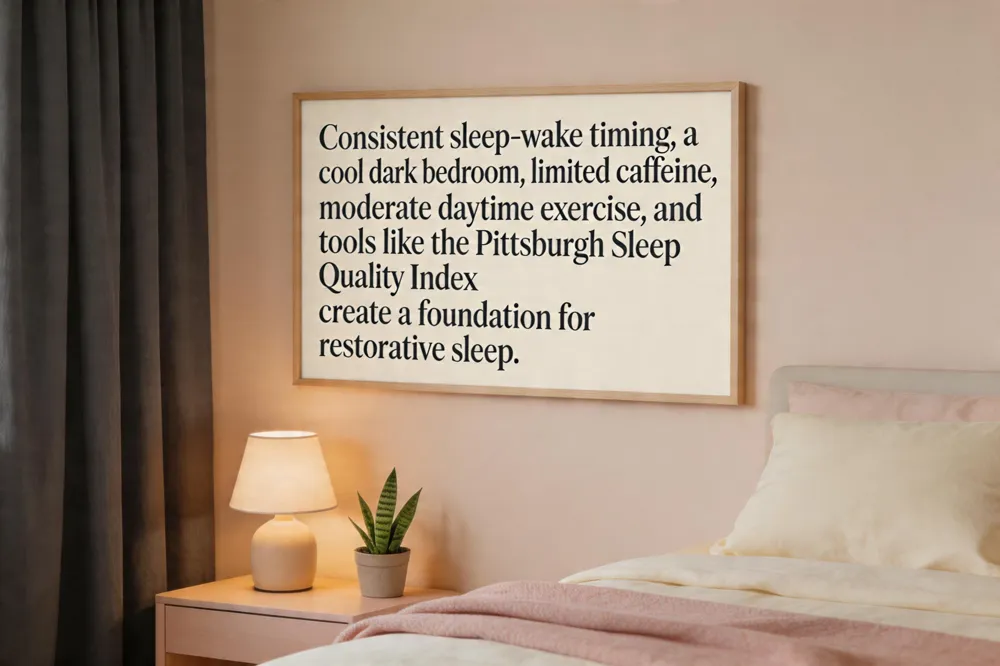 A consistent sleep‑wake schedule anchors the circadian rhythm; aim for 7‑9 hours and keep bedtime and wake‑time identical even on weekends. Optimize the bedroom: cool (65‑70 °F), dark, quiet, and reserved for sleep or intimacy only—remove screens and bright lights. Dim blue‑light exposure at least 30 minutes before bed, use amber filters if needed, and limit caffeine, nicotine, and heavy meals after 6 p.m. Schedule moderate aerobic activity earlier in the day; avoid vigorous exercise within two hours of bedtime to prevent elevated core temperature.
How to sleep better at night naturally – Follow the schedule above, create a calming pre‑sleep ritual (stretching, deep breathing, journaling), and consider a soothing drink such as warm milk or chamomile tea to support melatonin.
10 tips for better sleep – Consistent timing, dim lighting, screen‑free bedroom, relaxation techniques (4‑7‑8 breathing, progressive muscle relaxation), cool environment, limited caffeine/alcohol, brief daytime naps (≤20 min before 3 p.m.), and getting out of bed if asleep after 20 min.
Sleep pattern changes – Women often experience lighter, fragmented sleep with reduced slow‑wave stages as they age; mind‑body practices, balanced nutrition, and short‑term melatonin can help restore depth.
Pittsburgh Sleep Quality Index – A 19‑item self‑report yielding a 0‑21 score; >5 indicates poor sleep and guides personalized interventions.
Do I have a sleep disorder? – Persistent difficulty falling or staying asleep, daytime fatigue, loud snoring, or restless‑leg sensations warrant professional evaluation and possibly a sleep study.
List of all sleep disorders – Over 80 conditions grouped into insomnia, breathing disorders, hypersomnolence, circadian‑rhythm disorders, parasomnias, and movement disorders (e.g., apnea, narcolepsy, restless‑leg syndrome).
Medlineplus sleep disorders – Describes causes, symptoms, and treatment options emphasizing lifestyle changes, CBT‑I, and medical therapies when needed.
Insomnia sleep schedule – Fixed bedtime/wake‑time, 7‑9 hours in‑bed limit, avoid stimulants, cool dark room, pre‑sleep relaxation, and a “get‑up‑if‑awake‑after‑20‑min” rule.
What does Dr. Hyman recommend for sleep? – Consistent habits, morning light, caffeine cutoff by noon, low‑dose melatonin (0.5‑1 mg) for onset, GABA L‑theanine for anxiety, magnesium glycinate for nighttime awakenings, and tracking sleep metrics to assess efficacy.
Integrative Supplements, Functional Medicine, and Personalized Care
 Mind‑body and and functional‑medicine approaches can bridge the gap between lifestyle and targeted nutrition for women who struggle with sleep and stress. ProThrivers™ Wellness Sleep is a vegan, gluten‑free capsule that pairs 10 mg melatonin with 55 mg magnesium bisglycinate, 50 mg L‑theanine (Suntheanine®), and 100 mg magnolia bark extract to calm the nervous system without morning grogginess. ProThrivers™ Wellness Brain, also plant‑based, blends Theracurmin® curcumin, citicoline, lion’s‑mane mushroom, and acetyl L‑carnitine to support focus, memory, and mood. Both formulas are designed for the “thrivers”—women balancing high‑stress lives and hormonal fluctuations—while avoiding common allergens. Integrative sleep therapeutics such as Pro‑Som® replace melatonin with the same calming trio of magnesium, L‑theanine, and magnolia, offering a melatonin‑free option for those sensitive to hormonal cues. Dr. Hyman emphasizes that solid sleep hygiene—consistent bedtime, caffeine cutoff by noon, morning light exposure—should precede any supplement; he then recommends low‑dose melatonin (0.5‑1 mg), GABA + L‑theanine for racing thoughts, or magnesium glycinate for nighttime awakenings. Ten minutes of meditation can lower stress and improve sleep quality, but it cannot replace the cellular restoration of deep sleep; it is a valuable adjunct, not a substitute for four hours of sleep. Natural sleep aids for adults also include chamomile tea, warm milk, tart‑cherry juice, and regular moderate aerobic exercise timed away from bedtime, all of which support melatonin production and slow‑wave sleep. As women age, sleep becomes lighter and more fragmented; personalized integrative plans—combining consistent routines, targeted nutrients, and mind‑body practices—can restore restorative rest while respecting hormonal health.
Putting It All Together for Women’s Wellness
Daily mind‑body practices such as gentle yoga, tai chi, or a 10‑minute mindfulness meditation activate the parasympathetic nervous system, lower cortisol, and prepare the body for rest. Pair these sessions with core sleep‑hygiene habits—cool, dark bedroom, consistent bedtime, limited screen exposure—and a nutrient‑rich diet that includes magnesium‑rich foods, whole grains, and modest protein to support melatonin and GABA pathways. When supplementing, choose products with proven ingredients like magnesium bisglycinate, L‑theanine, or low‑dose melatonin, and use them only as directed. Finally, consult a functional‑medicine practitioner who can evaluate hormonal fluctuations, gut health, and individual stressors, tailoring a holistic plan that blends lifestyle, nutrition, and evidence‑based interventions for optimal women’s wellness. This integrated approach promotes sustained energy, balanced mood, and deeper, more restorative sleep throughout the night for overall well‑being and longevity.