Understanding Hormone Therapy Basics
Testosterone therapy is a prescribed medical treatment that restores low‑testosterone (hypogonadism) to the normal male range, aiming to relieve symptoms such as low libido, fatigue, loss of muscle mass, increased body fat, mood changes, and reduced bone density. The most common delivery methods include intramuscular or subcutaneous injections, daily transdermal gels and patches, sub‑cutaneous pellets inserted every few months, and, less frequently, oral capsules that bypass the liver. Men typically pursue therapy when they have confirmed low testosterone levels (⟨300 ng/dL on two morning tests) combined with clinically significant symptoms, or when a medical condition such as pituitary dysfunction or testicular disease impairs natural production. A patient‑centered approach emphasizes thorough evaluation, individualized dosing, and regular monitoring of hormone levels, blood counts, prostate health, and cardiovascular markers to maximize benefits while minimizing risks.
Physiology of Testosterone and Why Levels Decline
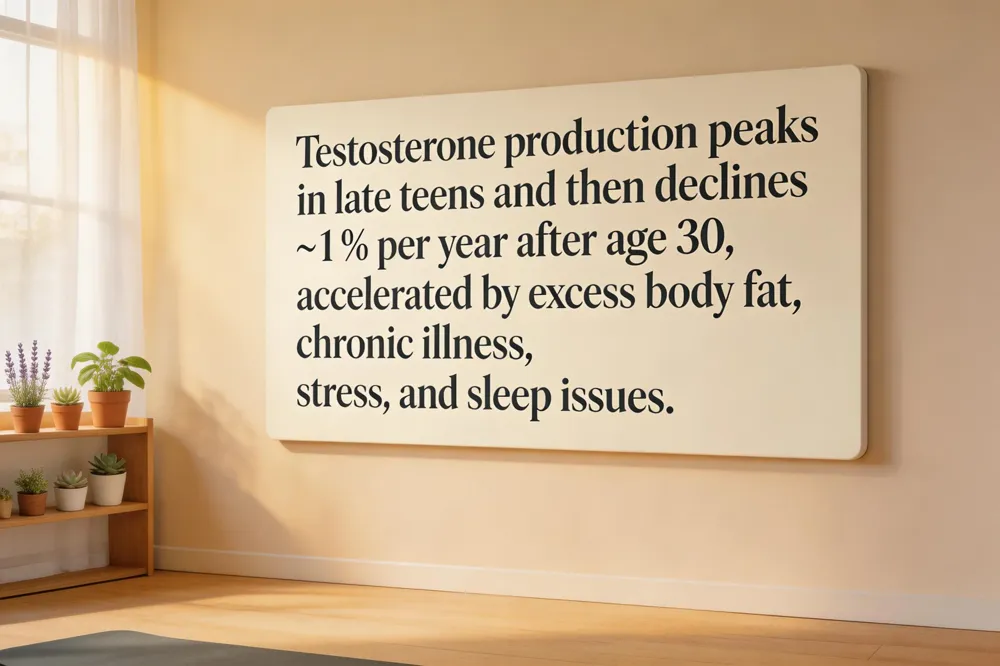 Testosterone is primarily produced by the Leydig cells within the testes, with smaller contributions from the adrenal cortex and, in women, the ovaries. After a peak in late adolescence, serum testosterone falls gradually—about 1 % per year beginning around age 30—reflecting the natural aging of the hypothalamic‑pituitary‑testicular axis. This slow decline can be amplified by modifiable factors. Excess body fat, especially abdominal obesity, raises aromatase activity, converting more testosterone into estrogen and suppressing gonadal output. Chronic illnesses such as type 2 diabetes, liver disease, or untreated sleep apnea disrupt hormonal signaling and often coexist with low testosterone. Persistent psychological stress elevates cortisol, which interferes with luteinizing hormone release and further blunts testicular production. Together, these lifestyle and health influences can accelerate the age‑related drop, leading to symptoms like fatigue, reduced libido, and loss of muscle mass. Addressing weight, optimizing sleep, managing stress, and treating underlying medical conditions are essential first‑line steps before considering any pharmacologic testosterone therapy.
Potential Benefits of Testosterone Therapy for Men and Women
 Testosterone replacement therapy (TRT) offers a range of advantages that extend beyond the traditional focus on men.
Improved libido and sexual function – In both sexes, physiologic testosterone doses can reignite sexual desire, increase spontaneous arousal, and enhance orgasm intensity. Women often report more satisfying intimate relationships, while men experience stronger erections and higher sex drive.
Increased lean muscle mass and bone density – Testosterone stimulates protein synthesis, leading to greater muscle strength and reduced sarcopenia. It also promotes osteoblast activity, helping to preserve or increase bone mineral density and lowering osteoporosis risk for both men and post‑menopausal women.
Mood, energy, and metabolic effects – Adequate testosterone levels can stabilize mood, diminishing irritability and depressive symptoms, and boost daily energy. Metabolically, TRT improves insulin sensitivity, supports healthier lipid profiles, and aids in fat redistribution, contributing to a more favorable body composition.
Emerging data on women’s health – Recent studies suggest that bioidentical testosterone, when carefully dosed, may protect brain health, reduce the incidence of invasive breast cancer in women with documented testosterone deficiency, and improve overall well‑being without upsetting estrogen balance.
Answer to the specific question – Testosterone replacement therapy benefits for women include restored sexual desire, mood stabilization, increased lean muscle and bone strength, metabolic improvements, and emerging protective effects against certain cancers, all achieved through individualized, monitored treatment plans that respect each woman’s hormonal uniqueness.
Risks, Side Effects, and Contraindications
 Testosterone therapy, whether used for gender‑affirming masculinization or for treating hypogonadism, carries several well‑documented risks that patients should weigh against the expected benefits.
Common adverse effects – Acne and oily skin are frequent early on, especially with gels or injections. Polycythemia, an excess of red blood cells, can thicken the blood and raise clot risk; regular hematocrit checks are essential. Hair changes include scalp thinning or male‑pattern baldness, which are often irreversible after discontinuation.
Cardiovascular and prostate considerations – Elevated LDL cholesterol, reduced HDL, and hypertension may develop, and testosterone can exacerbate sleep apnea. While large studies have not shown a clear increase in heart attacks or strokes, clinicians still monitor blood pressure, lipid panels, and cardiac health. Prostate monitoring is mandatory because testosterone can raise PSA levels and stimulate existing prostate cancer; routine PSA testing and digital exams are recommended.
Fertility impact and pregnancy precautions – Exogenous testosterone suppresses the hypothalamic‑pituitary‑testicular axis, leading to reduced sperm production and testicular atrophy. Men wishing to father children should discuss sperm banking or HCG therapy before starting. Transgender individuals with a uterus must continue contraception, as testosterone does not fully prevent pregnancy.
When therapy is not advised – Contraindications include untreated prostate or breast cancer, uncontrolled severe sleep apnea, active blood‑clotting disorders, uncontrolled heart failure, and recent myocardial infarction or stroke. Pregnancy, uncontrolled hypertension, and certain liver or kidney diseases also preclude safe use. A thorough health assessment, including labs, imaging, and behavioral health review, is essential before initiating any testosterone regimen.
Monitoring and Safety Protocols
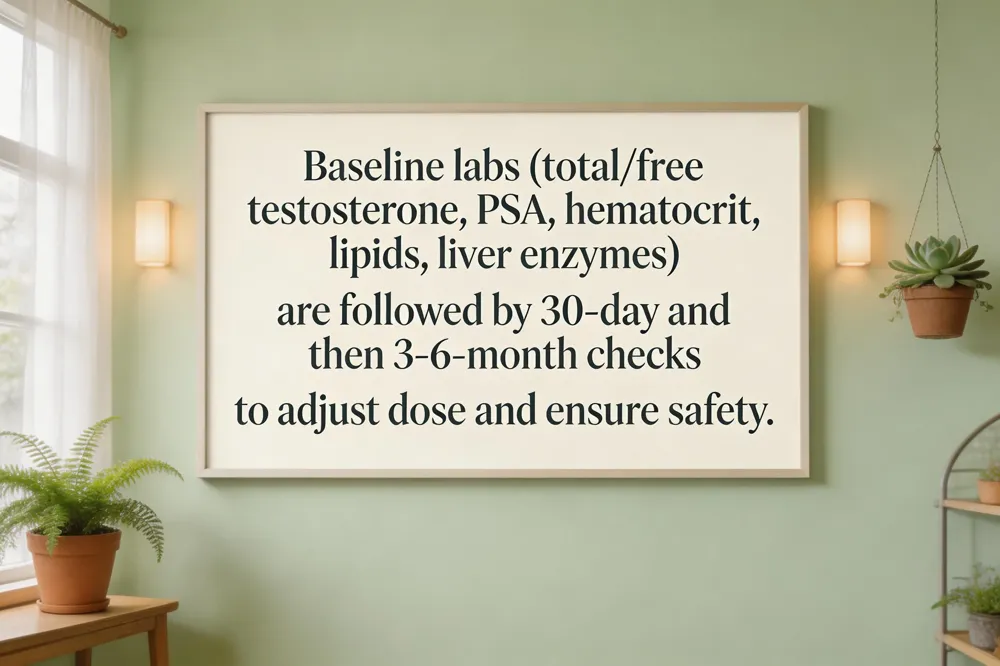 Before starting testosterone therapy, a comprehensive baseline panel is essential. Blood work should include a morning total (and, free) testosterone level, prostate‑specific antigen (PSA) to screen for prostate disease, hematocrit to detect polycythemia risk, a full lipid profile (LDL, HDL, triglycerides), and liver enzymes to ensure hepatic safety.
After the first dose, a 30‑day follow‑up visit confirms that testosterone has entered the desired male range (generally 300‑1,000 ng/dL) and checks for early side effects. Subsequent monitoring is typically performed every 3‑6 months, with labs repeated for testosterone, PSA, hematocrit, lipids, and liver function.
If labs fall outside target ranges—e.g., testosterone remains low, PSA rises >1 ng/mL, or hematocrit exceeds 54%—dose adjustments, formulation changes, or temporary discontinuation are considered. In cases of persistent adverse events or patient preference, a gradual taper and supervised cessation help the body resume natural hormone production while minimizing symptom rebound.
Natural Strategies to Support Testosterone Levels
 Maintaining healthy testosterone doesn’t always require a prescription; many men and women can boost the hormone with evidence‑based, lifestyle‑focused tactics.
Whole‑food, low‑glycemic diet – Fill the plate with lean proteins, omega‑3‑rich fish, nuts, avocado, and cruciferous vegetables such as broccoli and kale. These foods stabilize blood sugar, curb excess estrogen conversion, and provide the building blocks (cholesterol, zinc, vitamin D) needed for testosterone synthesis.
Resistance training, HIIT, and regular movement – Weight‑lifting 2‑3 times per week, combined with short bursts of high‑intensity interval training, stimulates acute testosterone spikes and supports lean muscle mass over the long term. Even daily walking or light activity keeps the endocrine system responsive.
Sleep hygiene and stress‑reduction techniques – Aim for 7‑9 hours of uninterrupted sleep; deep REM cycles are when the body makes most of its testosterone. Pair this with relaxation practices—meditation, yoga, or deep‑breathing—to lower cortisol, a hormone that directly suppresses testosterone production.
Key micronutrients and adaptogenic herbs – Ensure adequate vitamin D (sunlight or 2 000–4 000 IU daily), zinc (15‑30 mg), and magnesium (300‑400 mg). Adaptogens such as ashwagandha, rhodiola, or maca can blunt stress‑related cortisol spikes and have modestly been shown to raise testosterone levelstration
How to treat hormonal imbalance naturally – Start with a low‑glycemic, whole‑food diet rich in protein and cruciferous veggies to stabilize blood sugar and support estrogen metabolism. Add targeted nutrients (boron, vitamins B, D, E) and adopt regular aerobic plus resistance exercise. Prioritize 7‑9 hours of restorative sleep, stress‑reduction practices, and gut‑friendly fermented foods. Under professional guidance, consider botanicals such as chasteberry or black cohosh to fine‑tune hormonal harmony.
Natural testosterone for women – Women benefit from a nutrient‑dense diet that includes healthy fats (avocado, nuts, olive oil, fatty fish) and essential micronutrients (vitamin D, zinc, magnesium). Strength training, HIIT, and adequate sleep sustain optimal testosterone while reducing chronic stress supports adrenal health. Herbs like maca root, tribulus terrestris, or clinician‑approved DHEA may further enhance production—always consult a qualified practitioner before adding supplements.
Comprehensive Treatment of Hormonal Imbalance
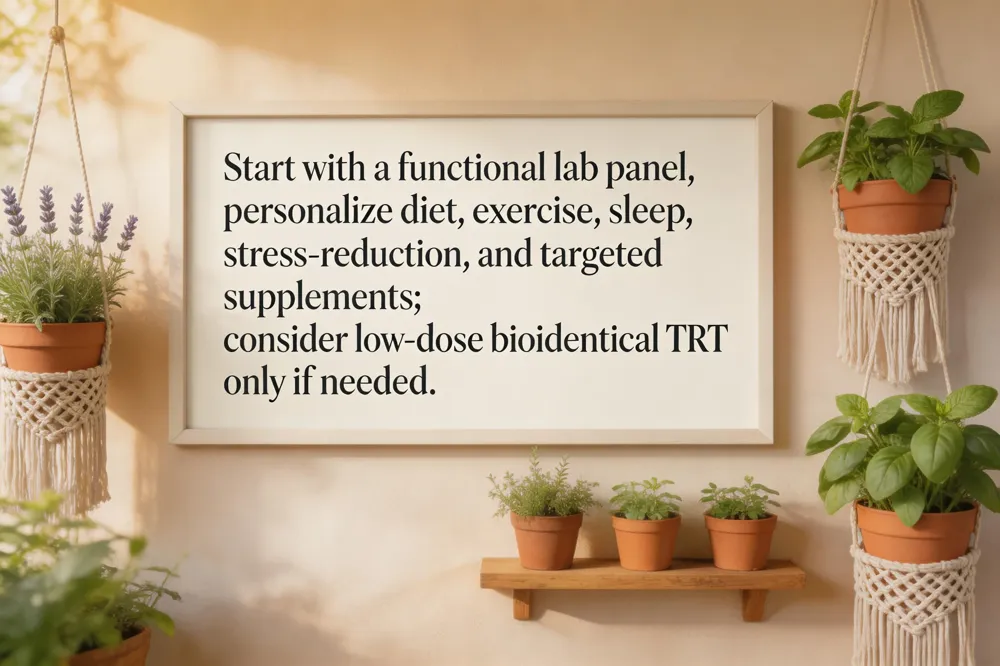 Treatment of hormonal imbalance begins with a thorough functional lab panel that screens total and free testosterone, estrogen, cortisol, thyroid hormones, blood glucose, lipid profile, and even gut‑microbiome markers. These results pinpoint the underlying drivers—whether stress‑related cortisol excess, thyroid dysregulation, insulin resistance, or inflammatory gut dysbiosis. Based on the data, a personalized lifestyle plan is crafted: regular resistance training and aerobic activity to boost endogenous testosterone; 7–9 hours of uninterrupted sleep; stress‑reduction techniques such as meditation, yoga, or acupuncture; and a nutrient‑dense, anti‑inflammatory diet rich in omega‑3 fatty acids, cruciferous vegetables, high‑quality protein, zinc, and vitamin D. Targeted supplements and botanicals—magnesium, vitamin D, adaptogens like ashwagandha, and phytoestrogens—are added to support endocrine balance, modulate cortisol, and enhance aromatase regulation. When these natural strategies do not achieve symptom relief or laboratory goals, low‑dose bioidentical hormone therapy (e.g., transdermal testosterone or compounded pellets) may be introduced under strict medical supervision, with ongoing monitoring of hormone levels, hematocrit, PSA, and bone density to ensure safety and optimal dosing. Continuous follow‑up allows adjustments as the body responds, fostering lasting hormonal harmony and overall wellness.
Managing Hormonal Imbalance at Home
 Hormonal imbalance treatment at home
Balancing hormones without prescription drugs is possible when you focus on lifestyle factors that support the endocrine system. Below are evidence‑based strategies that can be personalized to your needs.
1. Dietary focus on cruciferous vegetables, omega‑3s, and antioxidants
- Cruciferous vegetables (broccoli, kale, cauliflower, Brussels sprouts) contain glucosinolates that help the body convert excess estrogen into harmless metabolites, easing estrogen‑dominant symptoms.
- Omega‑3‑rich foods (fatty fish such as salmon, sardines, chia seeds, flaxseed) reduce inflammation and improve insulin sensitivity, both of which stabilize cortisol and testosterone levels.
- Antioxidant‑dense foods (berries, leafy greens, turmeric, green tea) protect the adrenal glands from oxidative stress, supporting a healthier cortisol rhythm.
2. Daily movement and stress‑reduction practices
- 30 minutes of moderate‑intensity aerobic activity (brisk walking, cycling, or dancing) most days a week improves muscle glucose uptake and promotes a modest rise in natural testosterone.
- Strength training 2–3 times weekly adds lean muscle mass, which in turn raises resting metabolic rate and supports hormone balance.
- Mind‑body techniques such as 10‑minute mindfulness meditation, deep‑breathing exercises, or gentle yoga help calm the hypothalamic‑pituitary‑adrenal (HPA) axis, lowering cortisol and mitigating mood swings.
3. Sleep optimization and caffeine/alcohol limits
- Aim for 7–9 hours of uninterrupted sleep each night. Use a dark, cool bedroom, limit screen exposure at least an hour before bed, and establish a consistent sleep‑wake schedule.
- Caffeine should be limited to the morning (no more than 200 mg before 2 p.m.) to avoid nighttime cortisol spikes.
- Alcohol intake should be moderate (≤2 drinks per day for men, ≤1 for women) because excess alcohol increases aromatase activity, raising estrogen levels and disrupting sleep architecture.
4. Adaptogenic herbs and multivitamin supplementation
- Ashwagandha (500 mg twice daily) and rhodiola (200 mg daily) have been shown in clinical trials to lower cortisol, improve perceived stress, and modestly increase testosterone in men with low‑normal levels.
- A high‑quality multivitamin containing zinc (15–30 mg), vitamin D (1,000–2,000 IU), magnesium (200–400 mg), and selenium can fill micronutrient gaps that often impair hormone synthesis.
- Always discuss herb and supplement use with a qualified healthcare provider, especially if you take prescription medications or have underlying health conditions.
Putting it all together Start with a balanced plate that features a cruciferous vegetable at every meal, add a source of omega‑3, and sprinkle antioxidant‑rich berries or a dash of turmeric. Pair meals with a daily walk and a short strength‑training session, then unwind each evening with a brief meditation before a consistent bedtime. Limit caffeine after lunch and keep alcohol to occasional, modest servings. Finally, under professional guidance, incorporate adaptogenic herbs and a multivitamin to address any nutritional shortfalls.
By layering these evidence‑based habits, many people experience reduced fatigue, steadier mood, improved sleep, and a gradual normalization of hormonal symptoms—all without the need for prescription medication. Monitor your progress with a symptom diary and schedule regular check‑ins with your clinician to fine‑tune the plan.
Signs Your Hormones May Be Out of Balance
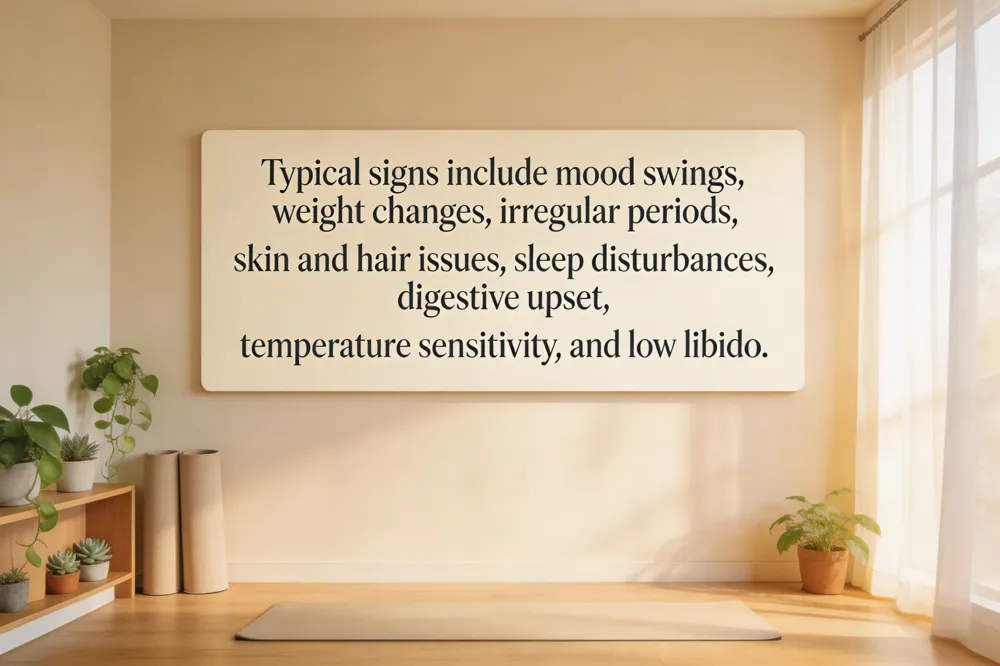 Hormonal imbalances often reveal themselves through a range of everyday symptoms. Mood swings and irritability are among the first clues, as fluctuating estrogen, progesterone, or testosterone can affect neurotransmitters and lead to sudden emotional shifts. Unexplained weight changes—either gaining or losing weight without a clear diet or activity cause—may signal a disrupted thyroid or insulin regulation. For those who menstruate, irregular periods and menstrual symptoms such as missed cycles, spotting, or unusually heavy bleeding are classic signs of hormonal discord. Skin, hair, and sleep disturbances also surface: acne, dry or oily skin, thinning hair, and nighttime issues like insomnia or night sweats often reflect imbalances in androgen or cortisol levels. Finally, digestive issues and temperature sensitivity—including bloating, constipation, diarrhea, or cold hands and feet—can be linked to thyroid or adrenal hormone fluctuations. In total, the eleven typical signs of hormonal disruption are mood swings, irritability, sudden weight shifts, irregular periods, skin changes, acne, hair loss, sleep problems, digestive upset, temperature changes, and low libido. Recognizing these patterns helps guide personalized, evidence‑based treatment and lifestyle adjustments.
Integrative Decision‑Making and Future Directions
 How to cure hormonal imbalance in females: Begin by identifying root causes—diet, gut health, stress, sleep, and environmental toxins—through functional‑medicine testing. Adopt a whole‑food, low‑glycemic diet rich in cruciferous vegetables, healthy fats, and protein; support gut health with fiber, fermented foods, and probiotics. Incorporate regular movement (strength training, walking, yoga), prioritize restorative sleep, and manage stress with mindfulness or meditation. Targeted supplements such as vitamin D, magnesium, omega‑3s, and adaptogenic herbs (ashwagandha](https://www.lifeextension.com/protocols/male-reproductive/male-hormone-restoration?srsltid=AfmBOoqM4t92jmSCxjtRCgrcQYIK-K07gjup8CYWY3duiYzeBIcVEC-1), rhodiola) can further balance adrenal, thyroid, and reproductive hormones when paired with these lifestyle changes.
Putting It All Together
Key takeaways on benefits, risks, and monitoring – Testosterone therapy can restore libido, improve mood, increase lean muscle mass, strengthen bone density, and improve anemia when low levels are confirmed. However, it may cause acne, polycythemia, sleep‑apnea worsening, lipid changes, and reduced fertility. Regular labs—morning testosterone, hematocrit, PSA, lipids, liver enzymes—are essential to stay within physiologic ranges and catch complications early.
Importance of lifestyle foundations – Before or alongside medication, address weight, sleep, stress, nutrition (adequate protein, healthy fats, zinc, vitamin D), and resistance training. These measures naturally support testosterone, improve cardiovascular health, and may lessen the required dose of exogenous hormone.
When to seek professional guidance – Consult an endocrinologist or qualified provider if you have symptoms of low testosterone, abnormal lab results, a history of heart disease, prostate issues, clotting disorders, or desire future fertility. Ongoing shared‑decision‑making ensures therapy remains personalized, safe, and aligned with your wellness goals.