Navigating the Change with Confidence and Grace
Menopause is a natural biological transition, not a disease to be
The Foundation: Lifestyle Medicine for Symptom Relief

Can Lifestyle Medicine Effectively Manage Menopause Symptoms?
Yes, lifestyle medicine offers a powerful, evidence-based foundation for managing menopause symptoms. This approach centers on core pillars: a nutrient-dense diet, regular physical activity, quality sleep, stress management, social connection, and avoiding risky substances like tobacco and excess alcohol.
Research consistently shows that these habits can significantly reduce vasomotor symptoms like hot flashes and night sweats. For instance, following a Mediterranean-style diet rich in whole foods and healthy fats has been linked to fewer and less intense hot flashes. Regular exercise, including aerobic and strength training, not only helps with weight management but also improves mood, sleep quality, and bone density—all crucial during the menopausal transition.
Mind-body practices like yoga, mindfulness meditation, and deep-breathing exercises are effective for managing stress, which can amplify symptoms like hot flashes and mood swings. Lifestyle changes are not a replacement for medical treatments like hormone therapy when needed, but they provide a crucial, holistic first step to ease symptoms, improve overall well-being, and lower long-term risks of heart disease and osteoporosis. Small, consistent changes can yield significant improvements in quality of life.
| Lifestyle Pillar | Key Actions | Reported Benefits |
|---|---|---|
| Nutrition | Mediterranean diet, whole foods, limit processed items, sugar, alcohol, and caffeine. | Reduces hot flashes (studies show up to 79% reduction), supports heart and bone health. |
| Physical Activity | 30 minutes of moderate exercise most days; includes weight-bearing and strength training. | Improves mood, sleep, bone density; reduces hot flashes and risk of weight gain. |
| Stress Management | Daily mindfulness, yoga, meditation, deep breathing, or cognitive behavioral therapy (CBT). | Reduces hot flash frequency and severity, alleviates anxiety and sleep disturbances. |
| Sleep Hygiene | Consistent schedule, cool, dark bedroom, relaxing bedtime routine, limit screen time. | Improves sleep quality and duration, which helps regulate cortisol and other metabolic hormones. |
| Substance Avoidance | Eliminate smoking; limit alcohol to one drink or less per day. | Can reduce hot flashes, improve overall health, and allow lifestyle interventions to work more effectively. |
Eating for Hormone Balance: The Real Foods That Help
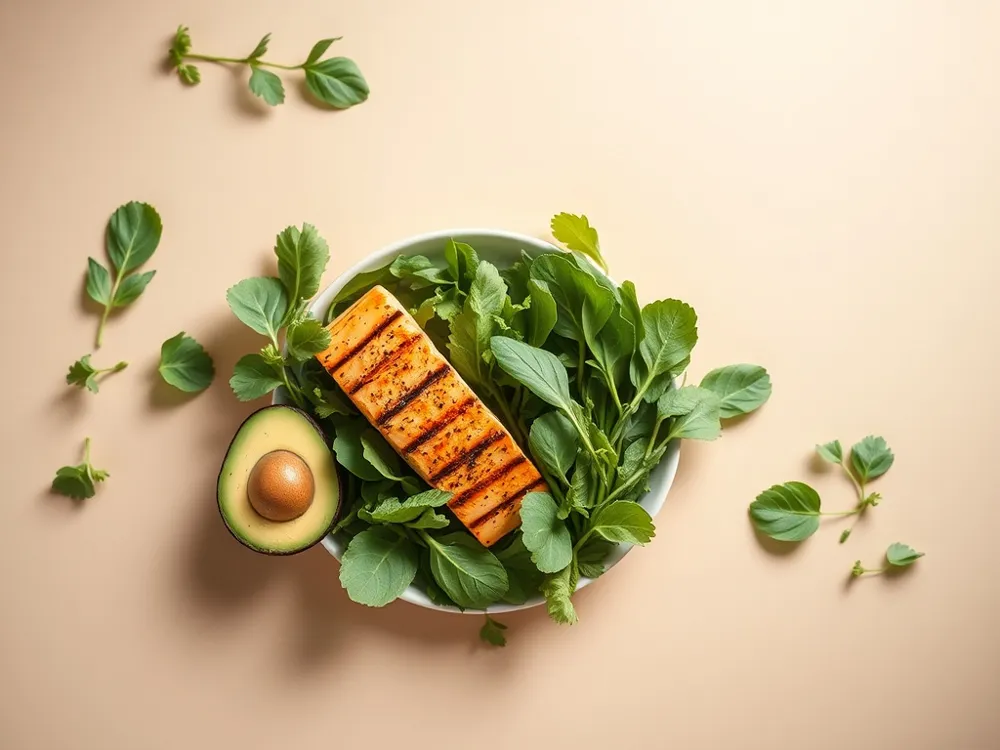
What foods help balance hormones in women?
The foundation of hormonal balance begins with what you put on your plate. Prioritize whole, unprocessed foods that work with your body, not against it.
- Leafy greens and cruciferous vegetables like kale, broccoli, and Brussels sprouts support liver detoxification, which is essential for breaking down and eliminating used hormones. These vegetables also promote a healthy gut microbiome, which helps regulate estrogen recycling through the 'estrobolome.'
- Healthy fats from avocados, olive oil, and nuts (especially walnuts and flaxseeds) provide the building blocks for hormone production. Omega-3 fatty acids from fatty fish like salmon and mackerel help reduce inflammation and support stable cortisol and sex hormone levels.
- Quality protein from eggs, lentils, and chicken helps stabilize blood sugar by slowing glucose absorption, preventing the insulin spikes that can disrupt other hormones. Aim for at least 25-30 grams of protein per meal.
- Phytoestrogen-rich foods like tofu, tempeh, soybeans, and flaxseeds contain plant compounds that can gently mimic or modulate estrogen's effects, helping to ease hot flashes, night sweats, and other symptoms without the risks associated with concentrated supplements.
- Fermented foods such as yogurt, kimchi, and sauerkraut support a diverse gut microbiome, which is crucial for metabolizing hormones and maintaining a healthy inflammatory response.
- Antioxidant-rich foods like blueberries, turmeric, and dark chocolate can lower stress-related cortisol levels, while nutrient-dense options such as Brazil nuts (rich in selenium), fatty fish (for vitamin D), and iodized salt support thyroid function.
Avoid or significantly limit added sugars, refined grains, trans fats, excessive alcohol, and caffeine, as these can disrupt blood sugar, increase inflammation, and worsen symptoms like hot flashes and mood swings.
Is there a hormone balancing diet plan I can follow?
Yes, a structured hormone-balancing diet plan can help restore equilibrium and support your body's natural processes. The best plan is personalized, but these principles serve as an effective starting point.
- Build meals around whole foods: Fill your plate with vegetables, lean proteins, healthy fats, and complex carbohydrates. Think of a Mediterranean-style diet rich in fruits, vegetables, whole grains, fish, and olive oil.
- Stabilize blood sugar: Eat every 2-3 hours to prevent dramatic spikes and drops in blood sugar. Each meal should combine fiber, protein, and healthy fat for sustained energy and hormonal steadiness.
- Support your gut: Incorporate probiotic-rich foods like yogurt and kimchi daily to maintain a healthy microbiome, which is central to effective hormone metabolism.
- Stay hydrated: Drink 8-12 glasses of filtered water daily. Proper hydration supports the pituitary and adrenal glands, which are key to hormone signaling.
- Pay attention to triggers: Keep a food and symptom diary for a few weeks to identify personal triggers—common culprits include spicy foods, caffeine, and alcohol.
Many functional medicine providers offer personalized plans based on lab results, addressing unique needs such as thyroid function, cortisol patterns, or specific nutrient deficiencies. Tailoring these principles to your individual health profile is a powerful step toward hormonal harmony.
Recommended Foods at a Glance
| Food Category | Examples | Primary Benefit |
|---|---|---|
| Cruciferous Vegetables | Broccoli, kale, Brussels sprouts, cabbage | Support liver detoxification and hormone clearance |
| Healthy Fats | Avocado, olive oil, walnuts, flaxseeds, fatty fish | Provide building blocks for hormone production and reduce inflammation |
| Lean Protein | Eggs, lentils, chicken, fish, tofu | Stabilize blood sugar and provide amino acids for peptide hormones |
| Phytoestrogen Foods | Soybeans, tofu, tempeh, flaxseeds | Gently modulate estrogen levels, easing hot flashes and night sweats |
| Fermented Foods | Yogurt, kimchi, sauerkraut, kefir | Support a healthy gut microbiome for optimal hormone metabolism |
| Antioxidant-Rich Foods | Blueberries, turmeric, dark chocolate, green tea | Help lower cortisol and combat oxidative stress |
| Foods to Limit/Avoid | Added sugars, refined grains, trans fats, alcohol, excess caffeine | Can disrupt blood sugar, increase inflammation, worsen symptoms |
Nature's Apothecary: Herbs and Supplements for Common Symptoms
What natural herbal remedies for menopause symptoms are effective for menopause symptoms?
Many herbs offer scientifically-supported relief for common menopause symptoms by leveraging bioactive compounds that interact with the body’s endocrine system. Phytoestrogen-rich herbs are a cornerstone: red clover, soy, and ginseng contain isoflavones and lignans that mimic estrogen, helping to reduce hot flashes, vaginal dryness, and improve mood. Non-phytoestrogen plants, such as black cohosh and kava, also show benefits. Black cohosh is believed to work via serotonergic pathways to alleviate hot flashes, while evening primrose oil, containing omega-3 fatty acids, can reduce hot flash intensity. However, these remedies are not regulated like pharmaceuticals. It is vital to consult a naturopathic doctor or healthcare provider, as dosage, purity, and interactions vary. To tailor a regimen, keep a symptom diary and work with a professional who can guide personalized choices.
What are the top natural remedies for menopause hot flashes?
Hot flashes are the most common and disruptive symptom, but several effective natural strategies exist. Diet plays a major role: a Mediterranean or low-fat vegan diet rich in whole soy foods (one-half cup of soybeans or one cup of soy milk daily) can reduce hot flash frequency and severity by up to 84%. Lifestyle modifications are equally important: identify and avoid triggers like caffeine, alcohol, and spicy foods; dress in layers; and practice deep breathing techniques. Exercise, even low-intensity walking, can ease severity. Mind-body practices such as paced breathing, hypnosis, and meditation have shown promise in reducing flare-ups by up to 80%. Supplements with the strongest evidence include soy isoflavones (50-100 mg daily), red clover isoflavones, and a combination of vitamin E (100 IU) with fish oil. Black cohosh (40-160 mg daily) and flaxseed (ground, one to two tablespoons) also provide relief for many women.
Which vitamins and supplements help balance hormones in females?
Several vitamins and supplements are foundational for supporting hormonal balance during menopause. Vitamin D (400-800 IU daily) is essential for estrogen regulation and bone health. B vitamins, especially B6, B12, and folate, support thyroid function, ease mood, and improve energy. Magnesium (200-400 mg glycinate) helps manage cortisol, improve sleep, and reduce muscle tension. Zinc (8-11 mg) supports thyroid and blood sugar control. Phytoestrogen supplements, from black cohosh, red clover, or maca root, can mimic estrogen to relieve symptoms. L-theanine promotes stress reduction and sleep quality. Vitamin C lowers cortisol and inflammation. Fiber from whole foods assists in removing excess estrogen. For bone health, calcium (1,200-1,500 mg), vitamin K2, and boron are important. Omega-3 fatty acids (EPA/DHA) support heart and brain health. Before starting any supplement, get a blood test to identify deficiencies, then work with a healthcare provider to ensure correct dosing.
What natural remedies help with menopause mood swings and anxiety?
Mood swings and anxiety are common during menopause, and natural approaches can be effective. Herbal supplements show benefit: St. John’s wort (300 mg, 0.3% hypericin, three times daily) has outperformed placebo for mild to moderate depression but interacts with many medications. Black cohosh and ginseng can stabilize mood. Kava offers anxiety relief but must be used sparingly due to liver concerns. Magnesium glycinate (200-400 mg before bed) and ashwagandha lower cortisol and improve sleep. Lifestyle is central: regular exercise releases endorphins, while mindfulness, meditation, and CBT for insomnia help mood. Diet impacts emotions—limit refined sugars and ultra-processed foods, which increase depression risk by 49%, and instead emphasize fruits, vegetables, and omega-3s. Sleep hygiene (consistent schedule, cool dark room) is critical. Social support and addressing hot flashes can further stabilize mood. Always consult a provider before starting new supplements, especially if on prescription medications, and consider a functional medicine specialist for personalized guidance.
How can I manage menopause-related fatigue naturally?
Menopause-related fatigue often stems from sleep disruption, hormonal shifts, and increased daily stressors. Start by prioritizing sleep hygiene: maintain a consistent bedtime, keep the bedroom cool (65°F), avoid screens one hour before bed, and use relaxation techniques. Consider magnesium (200-400 mg glycinate) before sleep to reduce anxiety and improve rest. Gentle exercise like walking or yoga releases endorphins and improves sleep quality without overtaxing the body. Nutrition is key—eat balanced meals rich in protein (25-30 grams per meal), complex carbohydrates, and healthy fats to stabilize blood sugar. Avoid late-day caffeine and spicy foods that trigger hot flashes. Hydration (8-12 glasses of water) supports cognitive function and reduces fatigue. Targeted supplements can address specific deficiencies: B vitamins for energy, vitamin D if levels are low, and adaptogens like rhodiola or ashwagandha for adrenal support. A functional medicine approach may identify underlying issues like thyroid imbalance, sleep apnea, or gut health problems that perpetuate fatigue, and CBT-I is an effective non-pharmacologic treatment for chronic insomnia.
| Symptom | Top Herbs | Key Supplements | Evidence Level | Notes |
|---|---|---|---|---|
| Hot Flashes | Black cohosh, red clover, soy isoflavones, flaxseed | Vitamin E, omega-3, curcumin | Strong for lifestyle; moderate for botanicals | Avoid triggers; plant-based diet highly effective |
| Mood Swings/Anxiety | St. John’s wort, ginseng, kava, black cohosh | Magnesium glycinate, ashwagandha, B6 | Moderate for herbs; interaction risk high | Combine with mindfulness and sleep optimization |
| Fatigue | Rhodiola, ashwagandha | B vitamins, vitamin D, iron | Emerging; strong for deficiency | Prioritize sleep hygiene; check thyroid function |
| Vaginal Dryness | Topical vitamin E, evening primrose oil | Omega-3, flaxseed oil | Moderate for topical; limited for oral | Use along with vaginal moisturizers |
| Bone Health | Red clover, soy | Calcium, vitamin D3, K2, magnesium, boron | Strong for nutrients; moderate for herbs | Combine with weight-bearing exercise |
| Sleep Disturbances | Valerian, passionflower, melatonin | Magnesium glycinate, 5-HTP | Moderate | CBT-I is first-line non-pharmacologic treatment |
| Adrenal Support | Rhodiola, eleuthero, licorice | Vitamin C, B5, magnesium | Emerging | Stress reduction is foundational |
| Heart Health | Hawthorn, dandelion, curcumin | Omega-3, CoQ10, vitamins C/E | Strong for diet; emerging for herbs | Manage cholesterol and blood pressure through lifestyle |
Naturopathic & Functional Medicine: A Whole-Body Blueprint
How can functional medicine help with menopause?
Functional medicine approaches menopause not as a single hormone deficiency to be fixed, but as a complex physiological shift affecting multiple body systems. Practitioners begin with a comprehensive evaluation, often using detailed hormone testing to understand estrogen, progesterone, testosterone, and adrenal patterns. Instead of a one-size-fits-all prescription, the goal is to identify root causes such as blood sugar imbalances, chronic stress, poor gut health, or nutrient deficiencies that can worsen symptoms.
The focus is on creating a personalized plan that supports the body’s natural ability to adapt. This includes dietary strategies emphasizing phytoestrogen-rich foods like flaxseeds and soy, along with targeted supplements like magnesium and vitamin D. Stress management and sleep optimization are prioritized because healthy adrenal function becomes critical when ovarian hormone production declines. By addressing the whole person—from metabolism and mood to bone density and cardiovascular risk—functional medicine aims to ease the transition and promote long-term wellness.
What do naturopaths typically recommend for menopause?
Naturopathic doctors take a whole-body approach, spending extensive time understanding each woman’s physical, emotional, and environmental background. Their recommendations start with foundational lifestyle changes: a diet rich in vegetables, fruits, and whole grains while eliminating processed foods, caffeine, alcohol, and spicy foods that can trigger hot flashes. Regular weight-bearing exercise and stress reduction techniques like yoga and meditation are central to managing symptoms and supporting bone health.
Herbal medicine is a cornerstone, with plants like red clover, black cohosh, and evening primrose oil used to ease hot flashes and vaginal dryness. For women who have difficulty with diet and lifestyle alone, naturopaths may recommend targeted nutritional supplements such as vitamin D, calcium, and omega-3 fatty acids. The emphasis is always on supporting the body’s innate healing capacity and addressing the transition with respect for the individual’s unique history and preferences.
Can functional medicine and HRT be combined for menopause?
Absolutely. Functional medicine and hormone replacement therapy (HRT) are not opposing approaches; they are often combined for a more effective and safer outcome. In this model, HRT is not a stand-alone treatment but one tool within a broader, personalized strategy. Functional medicine practitioners first assess a woman’s complete health picture—including hormone levels, genetics, and lifestyle factors—to determine if HRT is appropriate and, if so, which type and dosage will be most beneficial.
When HRT is used, functional medicine often favors bioidentical hormones like estradiol and micronized progesterone, which closely match the body’s own chemistry. This is paired with targeted nutritional support, supplements, and stress management to optimize how the body responds to therapy. The goal is not simply to suppress symptoms, but to restore overall physiological balance, minimize potential risks, and support long-term health outcomes such as bone density and cardiovascular health. Regular monitoring ensures the plan evolves with the woman’s changing needs, offering a truly integrated path to well-being.
Key Recommendations at a Glance
| Approach | Core Focus | Common Interventions | Why It Matters for Menopause |
|---|---|---|---|
| Functional Medicine | Root cause analysis, body systems integration | Comprehensive hormone testing, personalized nutrition, stress management, targeted supplements | Addresses underlying imbalances (e.g., blood sugar, adrenals) that amplify symptoms |
| Naturopathic Medicine | Whole-person care, natural therapies | Phytoestrogen-rich herbs (red clover, black cohosh), dietary changes, exercise, mind-body practices | Provides safe, evidence-based alternatives for symptom relief and bone health |
| Combined Functional Medicine & HRT | Personalized HRT within a holistic framework | Bioidentical hormones (estradiol, progesterone) plus lifestyle and supplement support | Optimizes HRT benefits while minimizing risks through careful individualization |
| Lifestyle Foundation | Daily habits for hormone balance | Anti-inflammatory diet, regular exercise, sleep hygiene, stress reduction | Supports all other interventions; foundational to managing weight, mood, and metabolism |
The 7 Most Effective Natural Treatments for Menopause
What are the 7 most effective natural treatments for menopause?
Many women find significant relief from menopause symptoms through natural, holistic approaches. The seven most effective strategies, supported by research and clinical practice, create a powerful toolkit for navigating this transition.
- A Nutrient-Dense Diet: Shifting to a whole-foods diet rich in phytoestrogens from soy, flaxseed, and legumes is a foundational step. The WAVS trial showed a low-fat vegan diet plus soybeans reduced moderate-to-severe hot flashes by 84%.
- Regular, Targeted Exercise: A routine combining aerobic activity, strength training, and flexibility work is crucial. Weight-bearing exercises, recommended by the Osteoporosis Foundation, help maintain bone density, while all exercise modalities improve mood and metabolic health.
- Stress Reduction Practices: Chronic stress elevates cortisol, worsening symptoms. Mindfulness, meditation, and deep-breathing exercises have been shown to improve quality of life and reduce vasomotor symptoms.
- Evidence-Based Herbal Supplements: Black cohosh and red clover are the most studied options. Black cohosh is often used for short-term hot flash relief, while red clover isoflavones can reduce hot flash frequency, especially for those with more than five per day.
- Acupuncture: This well-studied modality can reduce the frequency and severity of hot flashes and improve sleep quality, supported by multiple research reviews. Acupuncture for hot flash reduction is a key therapy.
- Focused Nutritional Supplements: Evening primrose oil and maca root have emerging evidence for supporting hormonal balance, with maca showing benefits for energy, mood, and libido.
- Cognitive Behavioral Therapy (CBT): CBT and hypnotherapy are powerful mind-body tools. Research indicates hypnotherapy can reduce hot flashes by up to 80%, while CBT addresses the sleep disruption and mood changes common during menopause.
What are the best holistic supplements for menopause?
Selecting supplements requires a targeted and cautious approach. While some popular remedies are well-known, focusing on those with the strongest evidence is most effective.
| Supplement | Targeted Symptom | Key Research & Notes |
|---|---|---|
| Black Cohosh | Hot flashes, night sweats | Short-term use (<6 months); works via serotonergic pathways. Liver function monitoring is advised. |
| Red Clover | Hot flashes, vaginal dryness | Most effective for women with >5 hot flashes daily; rich in isoflavones. |
| Magnesium Glycinate | Sleep, anxiety, muscle tension | 200-400 mg before bed may improve sleep quality and reduce anxiety. |
| Omega-3 Fatty Acids | Heart health, mood, hot flash intensity | Combined with Vitamin E, can significantly reduce hot flash intensity. |
| Vitamin D & Calcium | Bone health | Essential for preventing osteoporosis. Pair with Vitamin K2 for proper calcium metabolism. |
A holistic approach also supports overall wellness with nutrients like vitamin D, magnesium, and omega-3s. Always consult a healthcare provider before starting any supplement, as quality and dosage vary widely and some can interact with medications.
Can exercise routines like Pvolve help with menopause symptoms?
Yes, structured exercise routines are highly beneficial. Research from the University of Exeter shows that programs like Pvolve—a low-impact method partnered with Jennifer Aniston—can improve hip function, lower body strength, balance, mobility, and flexibility. These are all critical for managing menopause-related physical changes, such as muscle loss, joint pain, and an increased risk of falls.
Beyond specific programs, a well-rounded exercise plan is essential. A combination of walking, strength training, and practices like yoga has been proven to reduce psychological and physical menopause symptoms. The goal is consistency: aiming for 30 minutes of moderate activity most days, plus two to three strength sessions per week, helps balance hormones, manage weight, and improve sleep.
Beyond Hot Flashes: Weight, Mood, and Blood Sugar
Menopause involves more than hot flashes; it significantly impacts weight, mood, and blood sugar regulation. Understanding these connections empowers you to manage them effectively with natural, holistic strategies.
How can I manage menopause-related weight gain naturally?
Menopause-related weight gain is common due to declining estrogen and progesterone, which slow metabolism and promote fat storage, especially around the abdomen. To manage weight naturally, focus on sustainable lifestyle habits rather than quick fixes. Prioritize strength training to build muscle mass, which helps counteract the metabolic slowdown. Increase protein and fiber-rich vegetables in your diet to support satiety and stable energy. Reducing stress through practices like meditation is also crucial, as high cortisol levels can promote belly fat. Ensure adequate sleep, as poor sleep disrupts hunger-regulating hormones like ghrelin and leptin, which can exacerbate weight gain. Avoid crash diets, as they can worsen metabolic changes; instead, adopt consistent, balanced eating and exercise routines to support long-term health during this transition.
What is the relationship between low estrogen and blood sugar (A1C) levels?
Low estrogen during menopause reduces insulin sensitivity, making it harder for cells to absorb glucose from the bloodstream, which can cause blood sugar levels to rise. This decline in estrogen often leads to increased insulin resistance. Over time, blood glucose—and thus A1C—can climb, even in women who maintain their usual diet and exercise. This effect is compounded by menopausal weight gain, particularly around the abdomen, which further impairs glucose regulation and raises the risk of type 2 diabetes. Monitoring blood sugar more closely and adjusting diet, exercise, and possibly discussing hormone therapy with a healthcare provider can help manage these changes.
Is it possible to balance hormones in a week?
While you can take initial steps to support hormone balance within a week—such as improving sleep, reducing sugar, and starting gentle exercise—significant and lasting changes typically require more time. Hormonal imbalances often stem from underlying conditions or lifestyle factors that need consistent attention over several weeks. For sustainable results, a holistic routine addressing diet, stress, and sleep is essential rather than expecting a full reset in just seven days. Always consult a healthcare provider for personalized guidance.
| Symptom / Goal | Natural Management Strategy | Expected Timeframe for Noticeable Benefit |
|---|---|---|
| Weight gain | Strength training, increased protein & fiber, stress reduction, adequate sleep | 4–12 weeks |
| Blood sugar/A1C rise | Low-glycemic diet, regular aerobic exercise, consistent meal timing | 4–12 weeks |
| Initial hormone balance steps | Improved sleep, reduced sugar, gentle exercise, adaptogens (e.g., ashwagandha) | Initial steps in 1 week; full balance in 4–8+ weeks |
| Overall hormone support | Consistent holistic routine (diet, stress, sleep, exercise, supplements) | 8–12 weeks for noticeable change |
Your Personalized Care Plan: From Theory to Practice
How can I naturally balance hormones during menopause?
Balancing hormones naturally starts with a whole-person approach. Prioritize a nutrient-dense diet rich in vegetables, healthy fats, and fiber to support stable blood sugar and gut health. These are foundational for hormone production and metabolism.
Regular strength training and weight-bearing exercise help maintain muscle mass and bone density, which are crucial during this transition. Pair this with mind-body practices like yoga and meditation to manage cortisol, as chronic stress can disrupt the delicate balance of estrogen and progesterone.
Herbal remedies like black cohosh may offer relief for some symptoms, but evidence varies. Always consult a healthcare provider before starting any supplement, as quality and interactions are concerns. Key supplements such as vitamin D, magnesium, and omega-3s support adrenal function and reduce hot flashes.
A functional medicine practitioner can create a personalized plan, addressing root causes and safely incorporating targeted therapies for your unique needs.
| Approach | Key Actions | Primary Benefit |
|---|---|---|
| Diet | Whole foods, fiber, healthy fats | Supports blood sugar and hormone metabolism |
| Exercise | Strength training, weight-bearing, yoga | Maintains bone density, reduces cortisol |
| Supplements | Vitamin D, magnesium, omega-3s | Supports adrenal function, eases symptoms |
| Herbal Support | Black cohosh, red clover (with caution) | May reduce hot flashes, evidence is mixed |
| Stress Management | Meditation, mind-body practices | Lowers cortisol, improves hormonal balance |
Thriving Through Transition
Embrace a New Chapter
Menopause is not a decline but a natural life stage that, with the right integrative support, can be a time of renewed vitality and empowerment. The most effective approach is highly personalized, combining dietary adjustments, targeted supplements, stress management, and, when appropriate, hormone therapy under professional guidance.
A foundation of whole, unprocessed foods is crucial. Adding phytoestrogens like soy (tofu, tempeh), flaxseeds, and legumes can help balance hormones. A Mediterranean-style diet—rich in leafy greens, cruciferous vegetables, healthy fats (avocado, olive oil, nuts), and omega-3s from fish or walnuts—supports heart and bone health while reducing inflammation.
Targeted supplements bridge nutritional gaps. Magnesium glycinate (200–400 mg at night) aids sleep and relaxation. Vitamin D3 (1,000–2,000 IU) with Vitamin K2 supports bone density and heart health. Fish oil (omega-3s) reduces hot flash intensity and supports mood. For hot flashes specifically, curcumin (500 mg/day) and soy isoflavones (50–80 mg/day) show strong evidence.
Stress, Sleep & Movement
Chronic stress elevates cortisol, which disrupts hormone balance. Mindfulness, deep breathing, yoga, or tai chi practiced for at least 10 minutes daily can lower cortisol and reduce hot flashes. Cognitive behavioral therapy (CBT) is also effective for sleep and mood.
Sleep hygiene is foundational: keep the bedroom cool (65°F/18°C), use moisture-wicking bedding, and establish a consistent wind-down routine. Weight-bearing exercise (walking, dancing) three times weekly and strength training twice weekly preserve bone density and muscle mass, which directly supports metabolic health.
Herbal Support & Professional Guidance
Herbal remedies can be effective but require caution. Black cohosh (40–80 mg/day) may reduce hot flashes for short-term use (under 6 months). Red clover (80 mg/day) isoflavones can help, especially with severe flashes. St. John’s wort (300 mg three times daily) lifts mood but has serious drug interactions—always consult a professional. Valerian or passionflower can improve sleep.
A supportive healthcare team—including naturopathic or functional medicine practitioners—ensures that your unique needs are met, allowing you to navigate menopause with confidence and grace. They can assess hormone levels, gut health, and nutrient status to create a truly personalized plan.
Key Strategies at a Glance
| Strategy | Key Recommendations | Potential Benefits |
|---|---|---|
| Diet | Mediterranean; add soy, flax, legumes; reduce sugar & processed foods | Balances hormones, reduces hot flashes, supports bone & heart health |
| Supplements | Magnesium, Vitamin D3/K2, omega-3s, curcumin, soy isoflavones | Improves sleep, mood, bone density; reduces hot flashes & inflammation |
| Lifestyle | Mindfulness, CBT, weight-bearing & strength exercise, good sleep hygiene | Lowers cortisol, preserves bone & muscle, improves mood & sleep quality |
| Herbal Remedies | Black cohosh (short-term), red clover, valerian, St. John’s wort (with caution) | Reduce hot flashes, support mood & sleep |
| Professional Support | Naturopathic/functional medicine evaluation, hormone testing | Personalized care, safe integration of options including body-identical HRT |
Final Thought
With the right integrative support, menopause is not an ending but a natural stage of life that can be a time of renewed vitality and empowerment.