Embracing the Transition: A New Vision for Menopause Care
Redefining Menopause as a Natural Life Stage
The journey through menopause is not a disease to be cured. It marks a natural transition in a woman's life, signifying the end of her reproductive years. The medical definition—twelve consecutive months without a menstrual period—often occurs around age 51, with most women experiencing this transition between ages 45 and 55. A holistic view honors this phase, acknowledging its impact on physical health, emotional wellbeing, and personal identity, rather than viewing it as merely an estrogen deficiency.
Understanding the Scope of Menopausal Change
Symptoms during perimenopause and menopause are common and varied. Up to 80% of women experience symptoms such as hot flashes, night sweats, mood changes, and sleep disturbances. These symptoms can last, on average, about four years, but for some women, they may persist for up to 12 years. The effect on daily life can be significant, with many women reporting challenges with concentration, energy, and emotional balance during this transition.
The Integrative Care Philosophy in Practice
Integrative medicine offers a new way forward by blending the best of conventional and complementary approaches. This method treats the whole person—mind, body, and spirit—recognizing that all these aspects influence health. Instead of a one-size-fits-all solution, this philosophy supports personalized care that considers a woman's unique symptoms, health history, values, and lifestyle. The goal is comprehensive wellbeing, not just symptom suppression.
| Common Menopause Symptoms | Impact on Quality of Life | Integrative Management Focus |
|---|---|---|
| Hot flashes & night sweats | Disrupted sleep, daytime fatigue | Cooling strategies, diet, hypnotherapy |
| Mood swings & anxiety | Emotional distress, social impact | Mind-body practices, counseling, support |
| Sleep disturbances | Low energy, poor concentration | Sleep hygiene, relaxation, magnesium |
| Joint pain & stiffness | Reduced mobility, discomfort | Gentle exercise, massage, acupuncture |
| Vaginal dryness | Discomfort, intimacy challenges | Topical therapies, phytoestrogens, communication |
Laying the Foundation: Core Lifestyle Pillars for Symptom Relief
What are some natural lifestyle strategies to make menopause more comfortable?
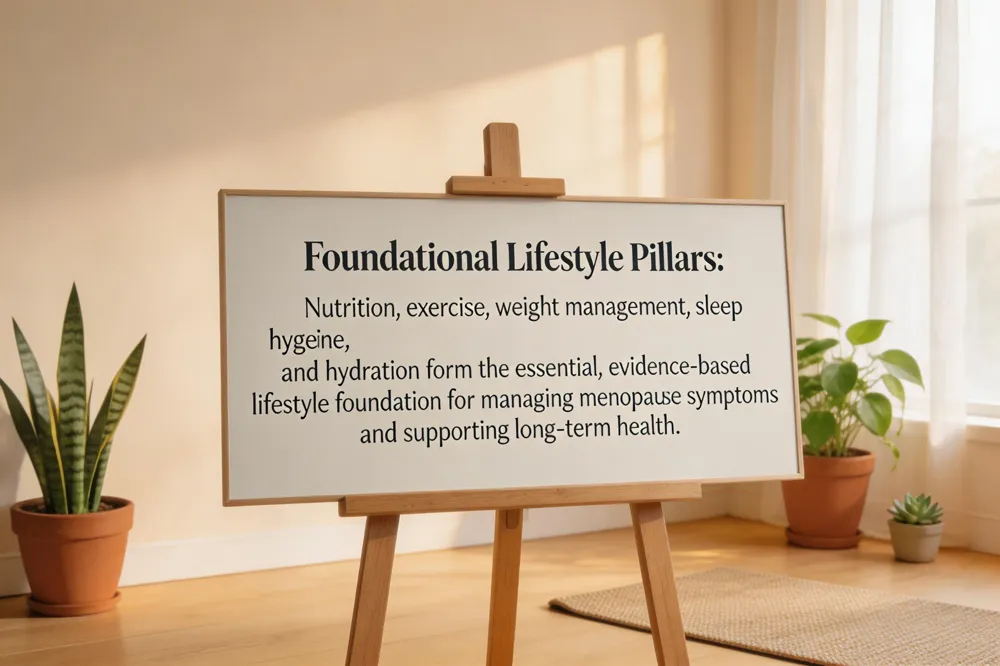
Effective natural strategies include a Mediterranean-style diet rich in vegetables, healthy fats, and phytoestrogens to help regulate symptoms, alongside specific targets for calcium and vitamin D. Regular physical activity, including 150 minutes of moderate aerobic exercise and strength training weekly, supports mood, sleep, and bone density. Environmental adjustments like keeping bedrooms cool and wearing layered clothing directly address hot flashes. Limiting alcohol and caffeine intake can reduce symptom frequency. Crucially, research shows that losing just 10% of body weight can significantly reduce or eliminate hot flashes and night sweats for many women.
The central role of nutrition
A balanced, anti-inflammatory diet is a cornerstone of managing menopause. The Mediterranean diet, emphasizing fruits, vegetables, whole grains, legumes, and healthy fats like olive oil, provides a strong nutritional foundation. Incorporating phytoestrogen-rich foods, such as soybeans, tofu, tempeh, and flaxseeds, may help ease vasomotor symptoms for some women by providing mild, plant-based estrogenic activity.
Equally important is identifying and limiting personal trigger foods. Common culprits that can worsen hot flashes and disrupt sleep include caffeine, alcohol, spicy foods, added sugars, and highly processed items. Keeping a food and symptom diary can help pinpoint individual sensitivities.
Specific dietary targets for long-term health
As estrogen levels decline, supporting bone and heart health becomes paramount. Aim for 1,200 to 1,500 milligrams of calcium daily from sources like leafy greens, fortified foods, and dairy. Pair this with 400 to 800 International Units of vitamin D to aid calcium absorption; sources include fatty fish, eggs, and sensible sun exposure.
Omega-3 fatty acids, found in fish like salmon and in walnuts and flaxseeds, support cardiovascular health and may help manage mood swings. Staying well-hydrated is also essential; drinking eight to twelve glasses of water daily can help alleviate dry skin and may reduce hot flash intensity.
The critical importance of regular physical activity
Consistent exercise offers multifaceted benefits. Current guidelines recommend at least 150 minutes of moderate aerobic activity, such as brisk walking or cycling, each week. This helps manage weight, boost mood, and support heart health.
Adding strength training two to three times weekly is crucial. It helps preserve lean muscle mass, which naturally declines with age, and is vital for maintaining metabolism, bone density, and functional strength. Weight-bearing exercises like walking, dancing, or tennis directly support bone health to counter the increased risk of osteoporosis.
How weight management impacts core symptoms
Weight gain is common during menopause, but even modest loss can yield significant symptom relief. Research involving over 17,000 women found that losing just 10% of one's body weight can dramatically reduce or even eliminate bothersome hot flashes and night sweats for many. This highlights how foundational lifestyle factors are for managing this transition.
Practical sleep optimization techniques
Sleep disturbances are a frequent challenge. Creating a cool sleep environment is highly effective; aim for a bedroom temperature around 65°F (18°C). Using moisture-wicking sleepwear and bedding can improve comfort during night sweats.
Establishing a consistent sleep schedule and a relaxing pre-bed routine signals your body that it's time to wind down. Limiting screen time, caffeine, and alcohol in the evening further supports sleep quality. Some women also find that a magnesium supplement (200–400 mg) before bed helps with muscle relaxation and sleep.
| Lifestyle Pillar | Primary Goal | Key Actionable Steps |
|---|---|---|
| Nutrition | Reduce symptoms & support bone/heart health | Follow Mediterranean diet; include soy/flax; limit caffeine/alcohol; meet calcium/vitamin D goals. |
| Physical Activity | Improve mood, sleep, bone density, & weight | 150 mins moderate aerobic weekly; strength train 2-3x weekly; include weight-bearing exercises. |
| Weight Management | Reduce vasomotor symptom severity | Aim for modest, sustained weight loss; a 10% reduction can significantly impact hot flashes. |
| Sleep Hygiene | Enhance sleep quality & reduce disruptions | Keep bedroom cool (65°F); use moisture-wicking bedding; maintain consistent sleep schedule. |
| Hydration | Support overall physiology & skin health | Drink 8-12 glasses of water daily; incorporate water-rich fruits and vegetables. |
Harnessing the Mind-Body Connection for Balance and Calm

Evidence for Mind-Body Practices
Research indicates that mind-body interventions can be powerful tools for managing menopause symptoms. Clinical studies show hypnotherapy can reduce hot flashes by up to 80% for some women. This non-invasive approach uses guided relaxation and focused attention to alter perception and the body's response to symptoms. Similarly, a consistent yoga practice not only helps ease symptoms but also improves muscular strength and balance, which is crucial for fall prevention as bone density naturally declines.
Stress Management as a Foundational Tool
Chronic stress can intensify menopause symptoms like hot flashes, sleep problems, and mood swings. Stress management techniques help regulate the nervous system, promoting a state of relaxation. Simple practices such as deep breathing, meditation, guided imagery, and progressive muscle relaxation can be incorporated into daily routines. These techniques lower physiological arousal and provide a sense of control, offering significant relief without medication.
The Role of Cognitive Behavioral Therapy (CBT)
Cognitive Behavioral Therapy (CBT) is a structured psychological intervention proven effective for menopausal women. CBT helps by changing unhelpful thought patterns, feelings, and behaviors related to symptoms. While it may not drastically reduce the frequency of hot flashes, it is highly effective in reducing how much these symptoms bother an individual. This can lead to meaningful improvements in emotional wellbeing, sleep quality, and overall ability to cope with the transition.
Gentle Movement for Relaxation and Sleep
Practices like yoga, tai chi, and qigong offer a dual benefit of gentle physical activity and mindful awareness. These disciplines have been shown to lower cortisol levels—the body's primary stress hormone—and promote a relaxation response. The meditative movements and focus on breath help calm the mind, which can significantly improve sleep quality, a common challenge during menopause. Improved sleep, in turn, supports better mood regulation and daytime energy.
Emotional Support and Community
Menopause is not just a physical transition; it carries significant emotional and psychosocial weight. Feelings of isolation, anxiety, and irritability are common. Seeking emotional support through therapy, joining a support group, or simply connecting with friends and family is an essential component of holistic care. Feeling understood and supported fosters resilience, reduces stress, and empowers women to navigate this life stage with greater confidence and grace.
A Comparative Overview of Mind-Body Approaches
| Practice | Primary Benefit for Menopause | Mechanism of Action | Typical Timeframe for Benefit |
|---|---|---|---|
| Hypnotherapy | Reduces hot flash frequency/severity | Alters perception and physiological response | May see relief within a few sessions |
| Yoga | Improves strength, balance, mood, sleep | Lowers cortisol, enhances mindfulness | Consistent practice over 8-12 weeks |
| Cognitive Behavioral Therapy | Reduces symptom 'bother' and improves coping | Changes thought and behavior patterns | Structured program over several weeks |
| Meditation & Deep Breathing | Manages stress and emotional reactivity | Activates parasympathetic nervous system | Immediate stress relief with practice |
| Tai Chi / Qigong | Promotes relaxation and improves sleep | Combines gentle movement with focused breath | Benefits accumulate with regular practice |
Navigating Herbal Supplements and Natural Remedies: Evidence and Safety
What herbal or plant-based remedies are commonly used for menopause symptoms?
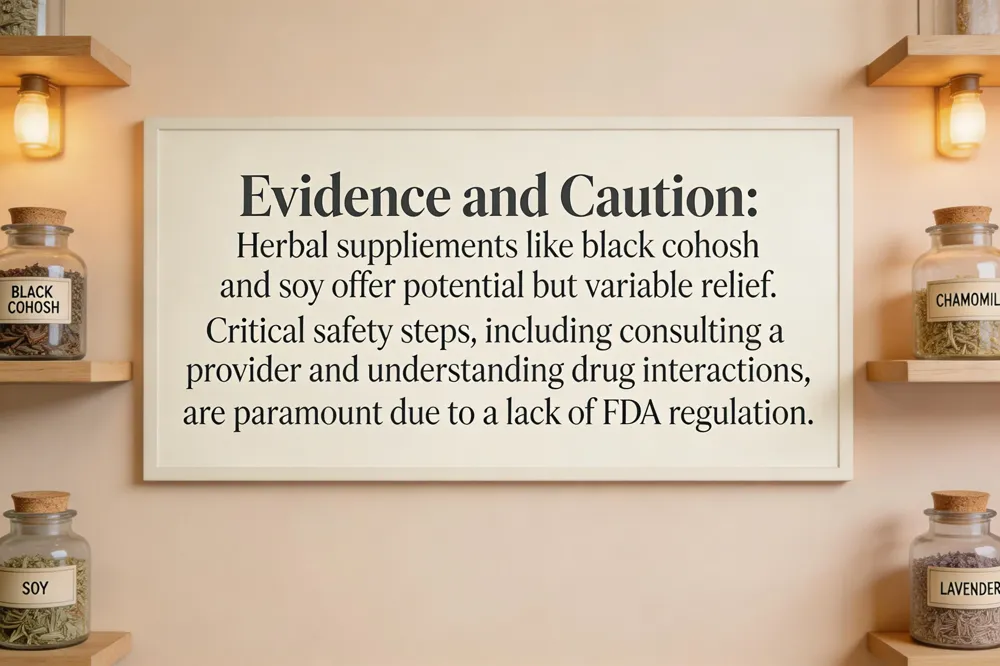
A wide range of herbal and plant-based remedies are marketed for menopause symptom relief. Among the most commonly used are black cohosh for hot flashes and night sweats, red clover and soy isoflavones for vasomotor symptoms, and evening primrose oil for breast tenderness. Other popular options include dong quai, ginseng, and St. John's wort, which is often used to support mood and sleep. These supplements are readily available over-the-counter and are frequently chosen by individuals seeking a 'natural' approach to managing their transition.
However, it is essential to understand that these products are not regulated by the U.S. Food and Drug Administration (FDA). This lack of oversight leads to significant variability in product quality, purity, and active ingredient concentration. Without standardization, the potency and safety of the supplement you purchase can be unpredictable.
Is there a 'strongest' natural estrogen, and what are natural estrogen supplements?
There is no single 'strongest' natural estrogen supplement. The plant-based compounds used for menopause support are called phytoestrogens. These are not estrogen itself but have a chemical structure that allows them to bind weakly to estrogen receptors in the body. Common sources include soy isoflavones (found in tofu, edamame), lignans in flaxseed, and isoflavones in red clover.
Their effect is considerably milder than the body's own estrogen or prescription hormone therapy. While some women may experience modest relief in hot flash frequency or severity from consuming phytoestrogen-rich foods, they are not a powerful or reliable substitute for comprehensive medical treatment. It is also important to distinguish between dietary phytoestrogens and prescription bioidentical hormones, which are plant-derived but designed to be chemically identical to human hormones and require medical supervision.
Are there effective over-the-counter or supplement-based treatments for menopause?
The effectiveness of over-the-counter supplements is highly variable and often not conclusively proven. Scientific reviews present a mixed picture. For example, some studies suggest soy isoflavones may modestly reduce hot flash frequency, while others show little benefit. Research on black cohosh is also inconsistent, with some studies indicating potential short-term relief and others finding no significant effect.
For many other supplements, such as evening primrose oil, dong quai, and kava, evidence of efficacy is lacking, and some carry notable safety risks. It is widely recognized that for moderate to severe symptoms like hot flashes, Menopause Hormone Therapy (MHT) remains the most effective, evidence-based treatment. Non-hormonal prescription medications also exist. Supplements may play a supportive role within a broader lifestyle plan for holistic menopause relief but are rarely a standalone solution.
Critical Review of the Evidence and Safety Landscape
Before incorporating any herbal remedy, a critical understanding of the evidence and safety profile is paramount.
| Supplement | Common Use | Evidence Status | Key Safety Considerations |
|---|---|---|---|
| Black Cohosh | Hot flashes, night sweats | Mixed; some short-term benefit possible | Potential liver concerns; use caution, especially with pre-existing liver conditions. |
| Soy Isoflavones | Hot flashes, vaginal dryness | May offer modest relief for some | Caution advised for those with hormone-sensitive conditions (e.g., history of breast cancer). |
| Red Clover | Hot flashes | Inconsistent study results | Can interact with blood-thinning medications like warfarin. |
| St. John's Wort | Mood, sleep | Some evidence for menopausal mood support | Dangerous interactions with many drugs, including antidepressants, birth control, and blood thinners. |
| Evening Primrose Oil | Breast tenderness | Limited evidence for efficacy | May interact with blood-thinning medications and seizure drugs. |
The most critical safety step is to consult your healthcare provider before starting any new supplement. This ensures a review of your personal health history, current medications, and specific risk factors to avoid harmful interactions and tailor a safe, integrative approach.
Covered Topics Overview
| Topic Area | Key Points Discussed |
|---|---|
| Common Herbal Remedies | Black cohosh, red clover, soy, evening primrose oil, St. John's wort. |
| Evidence Review | Mixed or weak proof for many; soy may offer modest relief. |
| Safety Considerations | Liver concerns, dangerous drug interactions, caution for hormone-sensitive conditions. |
| Regulatory Status | Herbal products are not FDA-regulated, leading to quality variability. |
| Essential Action | Consult a healthcare provider before starting any supplement regimen. |
The Functional Medicine Difference: Personalized, Root-Cause Care
What is the role of functional medicine in managing menopause?
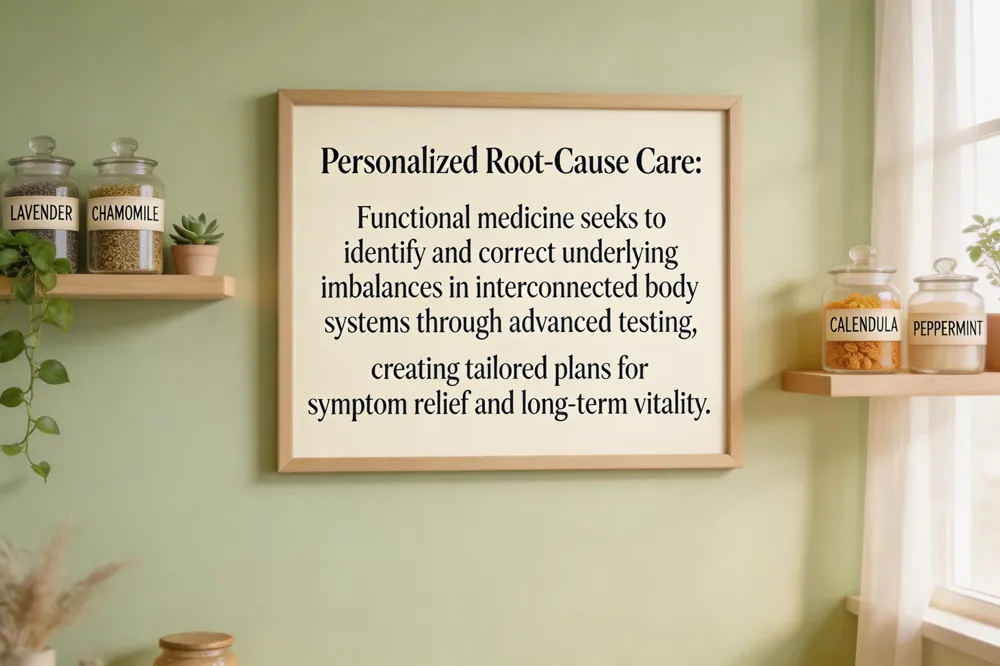
Functional medicine offers a distinct, personalized framework for navigating menopause symptoms. It moves beyond simply treating symptoms like hot flashes or sleep disturbances. Instead, it seeks to uncover and address the root causes of imbalance within the body’s interconnected systems. This approach recognizes that hormonal shifts affect everything from metabolism and gut health to immune function and mental well-being.
Practitioners use in-depth patient histories and advanced diagnostic testing to create a detailed picture of an individual’s health. The goal is to develop a personalized holistic menopause plan that restores balance, alleviates discomfort, and supports optimal long-term health through the menopausal transition and beyond.
How do holistic practitioners like naturopathic doctors approach menopause care?
Naturopathic doctors and similar holistic practitioners view menopause as a natural life stage, not a disease. Their care is inherently patient-centered care in menopause, focusing on the whole person—body, mind, and spirit. They prioritize identifying underlying imbalances, whether in hormone pathways, nutrient status, or detoxification processes.
Treatment integrates a wide range of evidence-informed natural therapies for menopause symptoms. This often includes clinical nutrition, herbal medicine, stress-reduction techniques, and physical activity recommendations. The approach is highly individualized, considering a woman’s unique symptoms, health history, and personal wellness goals. The aim is to empower patients with sustainable strategies for immediate symptom relief and lifelong vitality.
The Functional Medicine Toolkit: Comprehensive Testing and Analysis
A core component of functional medicine approach to menopause is its
Integrating Conventional and Complementary Therapies

Exploring Evidence-Based Complementary Therapies
Menopause symptom relief extends beyond prescription medications. Complementary therapies offer strategies to enhance comfort, with varying levels of scientific support.
Acupuncture, involving the insertion of sterile needles at specific points, may provide short-term reduction in hot flash frequency and improve sleep quality for some women. While research results are mixed, it is considered a low-risk option for many.
Massage therapy, known to reduce stress hormones like cortisol and promote relaxation, is another complementary approach. It can help manage the emotional and physical tension that often accompanies menopause, making it a supportive addition to a broader integrative care plan.
Understanding Modern Menopausal Hormone Therapy
Menopausal Hormone Therapy (MHT), formerly known as HRT, remains a highly effective treatment for many. The safety profile has evolved, with research indicating the benefits often outweigh the risks for healthy women who are under 60 and within ten years of their final menstrual period.
When MHT is recommended, bioidentical hormone preparations are often preferred. These, such as estradiol and micronized progesterone, are chemically identical to the body's own hormones and are available in regulated, FDA-approved forms. They are generally supported by research over older synthetic versions.
Available Non-Hormonal Prescription Options
For women who cannot or prefer not to use hormone therapy, several non-hormonal prescription medications are available to target specific symptoms. These options can be integrated into a holistic plan.
Fezolinetant is a newer, non-hormonal medication specifically approved to treat moderate-to-severe hot flashes by targeting neural pathways in the brain. Additionally, certain low-dose antidepressants from the SSRI and SNRI classes are commonly prescribed to reduce the frequency and intensity of hot flashes while also helping with mood. Other options include gabapentin, often used for nighttime hot flashes and sleep disturbances, and clonidine, which can help reduce hot flash frequency.
Building a Personalized, Step-Wise Treatment Plan
An effective integrative approach is rarely a single solution. A step-wise, personalized plan builds a foundation for long-term comfort and health. This process typically starts with foundational lifestyle changes, including nutrition, exercise, sleep hygiene, and stress management.
If symptoms persist, the next step often involves adding targeted natural or complementary therapies, such as specific supplements or acupuncture. Conventional treatments, including non-hormonal prescriptions or Menopausal Hormone Therapy, are then incorporated if needed based on symptom severity, personal health history, and individual goals.
Fostering Shared Decision-Making
Central to any integrative approach is a collaborative partnership between you and your healthcare provider. This process, known as shared decision-making, involves a thorough discussion of all potential options, including their expected benefits, risks, and the latest evidence.
Your provider acts as a guide, presenting information on everything from lifestyle strategies and complementary therapies to the nuances of hormone therapy. Your personal values, health history, and preferences are essential in co-creating a treatment plan that feels right for you, ensuring care is both effective and aligned with your wellness vision.
| Therapy Category | Example Interventions | Primary Symptom Target | Key Considerations |
|---|---|---|---|
| Complementary | Acupuncture, Massage Therapy | Hot Flashes, Stress, Sleep | Evidence is mixed; low-risk options for many. |
| Hormonal | Bioidentical MHT (estradiol/progesterone) | Multiple (Vasomotor, Bone, Mood) | Most effective for women <60, within 10 yrs of menopause. |
| Non-Hormonal Rx | Fezolinetant, SSRIs/SNRIs, Gabapentin | Hot Flashes, Mood, Night Sweats | Prescription required; part of a comprehensive plan. |
| Foundational | Diet, Exercise, Stress Management | Overall Symptom Burden | First step; benefits accrue over 4-12 weeks. |
Building Your Personal Plan: Factors for a Truly Holistic Approach
Key Considerations for Personalization
Effective holistic menopause treatment is not a one-size-fits-all solution. Your individual plan should be constructed based on a detailed assessment of several key factors. First, consider the severity and nature of your symptoms, as this guides the intensity and type of interventions. Your personal and family health history is critical, especially concerning risk factors for conditions like osteoporosis, heart disease, or hormone-sensitive cancers, which influence dietary and supplement choices.
Beyond medical history, personal values and goals are paramount. Do you prioritize non-pharmaceutical options? What lifestyle changes feel sustainable for you? Your past responses to treatments—what has or hasn't worked—provide invaluable clues. Finally, consider your available support systems. A robust network of family, friends, or a healthcare team can significantly impact your ability to implement and maintain new habits, affecting your overall success and emotional well-being.
The Importance of Values, Support, and Past Experience
Your journey through menopause is unique, influenced by your personal values and daily life. An approach that aligns with your beliefs and lifestyle is more likely to be successful long-term. Your available resources, including time, financial capacity, and social support, are practical considerations that shape a realistic plan.
Reviewing how you have responded to past treatments for menopause or other health issues helps tailor future strategies, preventing wasted effort on interventions unlikely to work for you. A holistic plan honors these individual elements, putting you in control of your health journey.
Managing Expectations: Realistic Timelines for Improvement
Integrative approaches to menopause management work, but they require patience and consistency. It is important to have realistic expectations for when you might notice improvements. Lifestyle changes, such as dietary adjustments and initiating an exercise routine, may begin to show benefits within 4 to 12 weeks.
Herbal supplements, like black cohosh or soy isoflavones, typically require consistent use for 4 to 8 weeks before their effects may be felt. Mind-body practices, including yoga, meditation, or hypnotherapy, can offer immediate stress relief, but their full impact on symptoms like hot flashes often builds over 8 to 12 weeks of regular practice.
When to Seek Medical Attention
While a holistic approach empowers self-care, it is crucial to know when to consult a healthcare provider. Seek medical attention for unusual bleeding patterns, severe and unrelenting hot flashes, or profound mood changes that interfere with daily function.
Also, consult a doctor for extreme sleep disruption lasting weeks, symptoms suggesting an infection, or any cardiac symptoms such as chest pain or palpitations. These signs warrant professional evaluation to rule out other conditions and ensure your integrative menopause care plan is safe and appropriate.
The Holistic Model: Beyond Single Symptoms
A truly holistic approach to menopause addresses interconnected systems. It looks beyond single symptoms to support the entire "bone-joint-muscle troika." This means incorporating weight-bearing and strength-training exercises not just for bone density but also for joint health and muscle mass to prevent falls and fractures.
Psychosocial support is an integral, ongoing part of therapy, conveying that you are not alone. This can include counseling, support groups, or simply open conversations with loved ones. Furthermore, holistic care considers your environment—creating a cool, comfortable sleep space and a supportive work and home atmosphere—to minimize symptom triggers and enhance overall quality of life.
| Factor for Personalization | Details to Consider | Potential Impact on Plan |
|---|---|---|
| Symptom Severity & Type | Frequency of hot flashes, sleep disruption, mood changes | Determines intensity of dietary changes, need for specific herbal supplements for menopause relief or mind-body practices for menopause |
| Personal & Family History | History of osteoporosis, heart disease, breast cancer, diabetes | Influences recommendations for phytoestrogens, calcium, vitamin D, and type of hormone therapy |
| Risk Factors | Current bone density, cholesterol levels, body weight | Guides exercise prescription (weight-bearing vs. aerobic) and nutritional targets |
| Personal Values & Goals | Preference for natural therapies for menopause symptoms, sustainability of lifestyle changes | Shapes whether plan starts with lifestyle foundations or includes conventional options |
| Past Treatment Responses | Previous success or side effects from herbs, supplements, or medications | Helps avoid ineffective strategies and identify promising ones |
| Available Support Systems | Access to healthcare providers, family support, community groups | Affects ability to adhere to complex plans and manage emotional challenges |
| Realistic Timelines | Expectations for lifestyle (4-12 wks), herbs (4-8 wks), mind-body (8-12 wks) | Sets the stage for patience and consistency, preventing early abandonment of helpful strategies |
Your Journey to Comfort: Empowerment Through Integrative Care
Understanding Menopause as a Natural Transition
Menopause is a natural life stage, not an estrogen deficiency to be 'fixed'. This shift in perspective is the first step toward empowerment. It's a time of profound transition, much like puberty, that affects your entire being—body, mind, and spirit. Recognizing this allows you to view menopause not as an ending, but as an opportunity to engage more deeply with your health and wellbeing. The changes you experience, from hot flashes to mood shifts, are signals that your body is entering a new chapter.
Taking an Active Role in Your Health
Integrative care places you at the center of your health journey. This is a partnership between you and your healthcare providers. The goal is not to merely manage a list of symptoms but to understand their root causes and how they connect to your overall health. Empowerment comes from collaboration. A functional or naturopathic doctor will spend significant time with you to understand your full health story, personal values, and daily life. This allows you to make informed choices that resonate with your lifestyle and preferences.
Finding the Right Partnership for Your Care
Seeking a knowledgeable provider is crucial for navigating this transition effectively. Look for licensed practitioners who are trained in integrative, functional, or naturopathic medicine and can offer a comprehensive, team-based approach. A good provider will act as a guide, helping you navigate options from nutrition and lifestyle changes to bioidentical hormone therapy or supplements. They should encourage open dialogue and shared decision-making, ensuring your voice is heard in every aspect of your care plan.
Developing a Personalized and Balanced Strategy
Thriving during menopause means creating a plan as unique as you are. There is no single solution that works for everyone. An effective strategy often starts with foundational lifestyle adjustments, such as dietary changes and stress management, before adding other therapies. This personalized plan should evolve with you, based on your ongoing experiences and follow-up assessments. Patience is essential, as benefits from lifestyle changes or natural therapies may take several weeks to become fully apparent. A balanced approach combines the best of conventional and complementary care to support your comfort and long-term health.
A Summary of Integrative Care Pathways
| Pathway | Key Focus Areas | Examples of Actionable Steps | Expected Timeline for Benefit |
|---|---|---|---|
| Lifestyle Foundation | Nutrition, physical activity, sleep, stress management | Adopt a Mediterranean-style diet; incorporate daily moderate exercise; maintain a cool, consistent sleep environment. | Benefits may begin within 4-12 weeks of consistent practice. |
| Mind-Body Practices | Stress reduction, emotional balance | Regular yoga or tai chi; daily meditation; practice deep-breathing exercises. | Immediate stress relief possible; full effects often seen within 8-12 weeks. |
| Natural & Supplemental Support | Herbal medicine, targeted nutrients | Consider phytoestrogen-rich foods; discuss supplements like black cohosh or magnesium with a provider. | Herbal supplements may require 4-8 weeks of consistent use to show effects. |
| Professional Therapies | Collaborative care, personalized treatment | Seek acupuncture sessions; explore bioidentical hormone therapy with a licensed provider; engage in cognitive behavioral therapy (CBT). | Relief from acupuncture may occur after a few sessions; hormone therapy effects are monitored and adjusted over time. |