Why an Integrative Approach Matters
During perimenopause and menopause, estrogen levels fall, destabilizing the hypothalamic temperature‑regulation center and making even small temperature changes trigger hot flashes. An integrative plan addresses this root cause from multiple angles: lifestyle tweaks such as layered clothing, cool environments, and regular aerobic exercise help the body maintain steady temperature; nutrition rich in phytoestrogen‑bearing foods (soy, flaxseed, cruciferous vegetables) offers modest estrogen‑like support; mind‑body practices—mindfulness meditation, paced breathing, CBT, and hypnosis—reduce stress‑induced thermoregulatory spikes. When combined with evidence‑based medicines (prescription SSRIs, gabapentin, or, when appropriate, hormone therapy), these personalized strategies empower women to control symptoms safely and improve overall well‑being.
Physiology and Why Night‑time Flashes Feel Worse
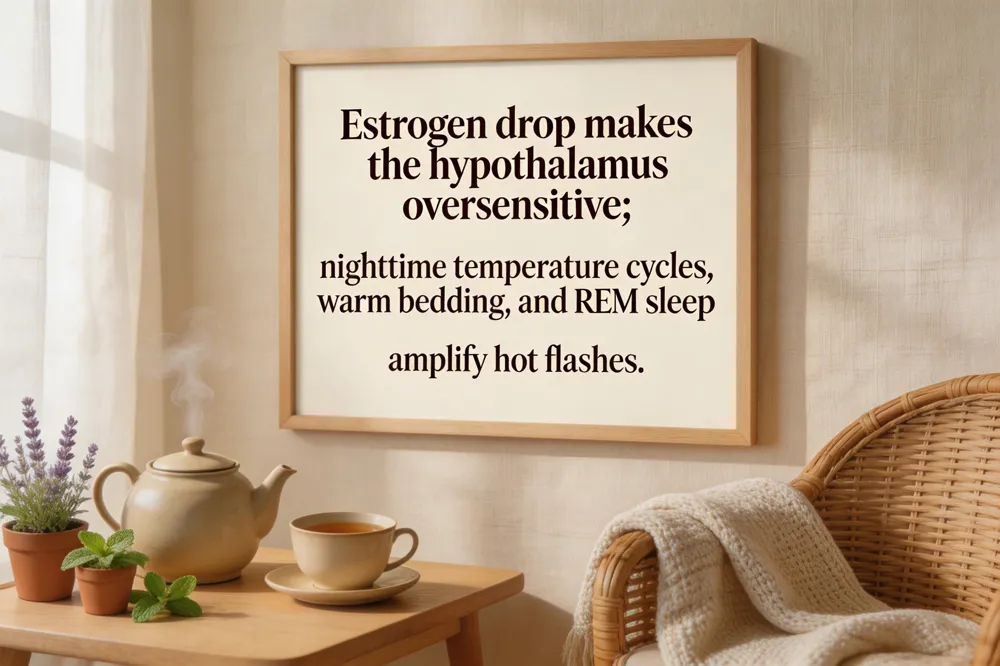 When estrogen levels fall during perimenopause and menopause, the hypothalamus—your brain’s temperature‑regulating center—becomes overly sensitive to even small heat changes. This hormonal shift makes the body react more readily to warmth, especially while you are asleep. During the night, core‑body temperature naturally cycles, and warm bedding, heavy pajamas, or a warm bedroom can trap heat, amplifying the response. In the second half of the night, REM sleep dominates; the brain’s reduced alertness during REM means a hot flash is less likely to be dismissed, so the sensation feels more intense and disrupts sleep.
Why are hot flashes worse at night? Hot flashes tend to feel worse at night because the estrogen drop makes the hypothalamus over‑sensitive, and the natural temperature fluctuations of sleep—combined with warm bedding or clothing—trap heat. Fatigue, stress and the lack of daytime distractions lower tolerance, while REM sleep’s vulnerability to disruption magnifies the feeling.
What does Chinese medicine say about night sweats? In Traditional Chinese Medicine, night sweats are viewed as a sign that Yin energy—the cooling, nourishing aspect—has become depleted, allowing excess Yang heat to rise at night and escape through the pores as sweat.
Cooling Beverages and Hydration Strategies
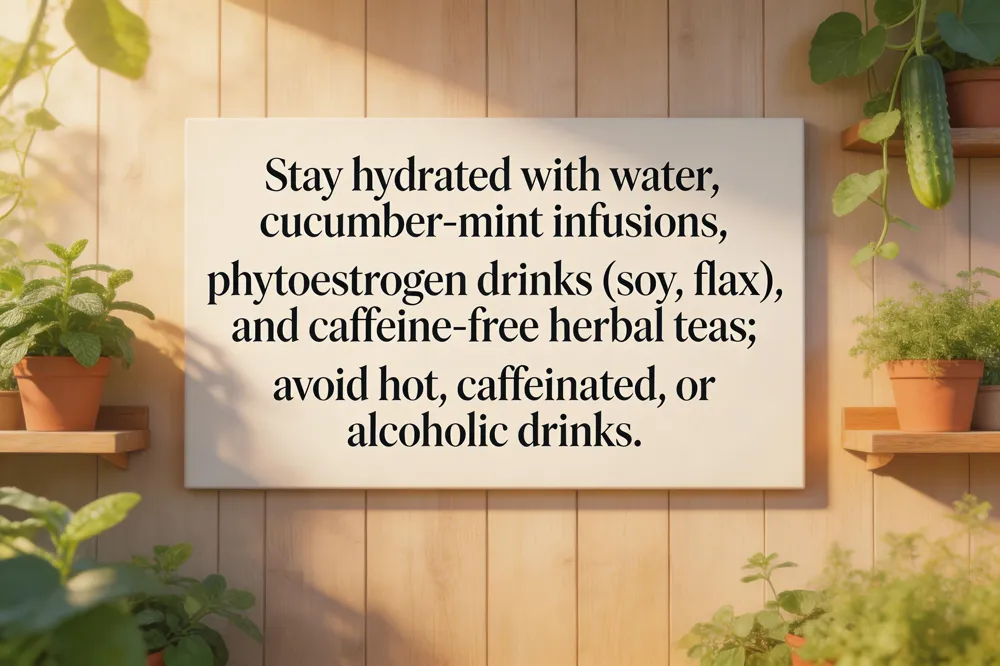 Staying well‑hydrated is one of the simplest ways to keep the body’s thermostat from over‑reacting during a hot flash. Plain water, especially when lightly infused with cucumber, mint, or a squeeze of lemon, provides a cooling effect and helps the body dissipate heat more efficiently. Phytoestrogen‑rich drinks such as soy milk, soy‑based smoothies, or fortified soy yogurt contain isoflavones that loosely bind estrogen receptors and have been shown in several studies to modestly lower flash‑flash frequency and intensity. Adding a tablespoon of ground flaxseed or a splash of flaxseed oil to a smoothie supplies both omega‑3 fatty acids and lignans, which support hormone balance and may reduce the severity of flashes. Caffeine‑free herbal teas—chamomile, peppermint, rooibos, or lemon‑ginger blends—offer a soothing, warm‑yet‑non‑stimulating sip that can calm the nervous system without the vasoconstrictive trigger that caffeine provides. In general, drinking 8‑10 cups of fluid a day (water, herbal tea, or low‑sugar fruit‑infused drinks) helps maintain optimal blood volume and skin temperature regulation, making sudden heat waves less likely to spiral into a full‑blown flash. Avoid hot, caffeinated, or alcoholic beverages, as they can provoke or worsen vasomotor symptoms.
Fast, Natural Relief When a Flash Starts
 When a hot flash begins, act quickly to cool your core. Step into a cooler room, open a window, or turn on a portable fan, and sip ice‑cold water to lower skin temperature within seconds. Keep a lightweight cardigan or a breathable cotton scarf at hand; layered clothing lets you shed the extra layer the moment heat rises, preventing the flush from spreading. Pair this with paced breathing—inhale slowly for a count of five, hold briefly, then exhale for the same count—to trigger the parasympathetic response and dampen the surge of heat.
Avoid known triggers to reduce future episodes: limit caffeine and alcohol, skip spicy or hot foods, and choose loose, natural‑fiber fabrics over tight or synthetic garments. Maintaining a symptom diary helps you spot personal patterns and adjust habits accordingly.
How to stop hot flashes fast naturally – Cool your body instantly, remove excess clothing, practice paced breathing, and stay away from common triggers. Consistent mind‑body practices such as meditation or gentle yoga throughout the day further lower overall stress, making flashes less frequent and less intense.
Everyday Lifestyle Tweaks for Long‑Term Control
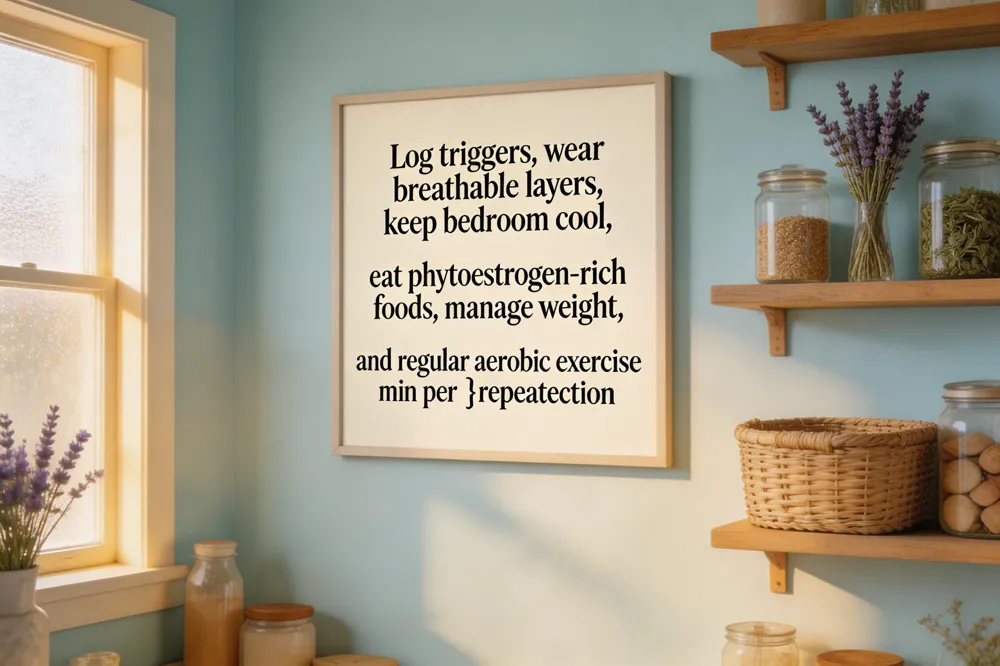 Identifying and eliminating triggers is the first step. Common culprits—spicy foods, caffeine, alcohol, hot beverages, smoking, and tight clothing—can be logged in a symptom diary to spot patterns and avoided.
Smart clothing choices and environment cooling help the body react quickly when a flash starts. Dress in lightweight, breathable layers of cotton or linen so you can remove a layer instantly. Keep the bedroom cool (65‑68 °F), use fans or air‑conditioning, and sip ice‑cold water to stabilize temperature.
Phytoestrogen‑rich foods provide a gentle estrogenic boost. Incorporate soy products (tofu, edamame, soy milk), flaxseeds (ground or oil), legumes, and cruciferous vegetables such as broccoli and kale. These foods contain isoflavones and lignans that modestly reduce flash frequency and intensity.
Weight management and regular exercise are powerful modifiers. Losing excess weight (5‑10 % of body weight) and engaging in at least 150 minutes of moderate aerobic activity per week (brisk walking, yoga, swimming) improve thermoregulation, lower stress, and cut flash severity.
What stops hot flashes naturally? Avoid triggers, dress in breathable layers, stay cool, stay hydrated, eat Phytoestrogen‑rich foods, maintain a healthy weight, and practice stress‑reduction (yoga, meditation).
9 foods that fight hot flashes: Flaxseeds, soy foods, cold‑water fish (salmon, mackerel), leafy greens (spinach, kale), nuts & seeds (almonds, walnuts), whole grains, legumes, and antioxidant‑rich berries.
Mind‑Body and Integrative Therapies
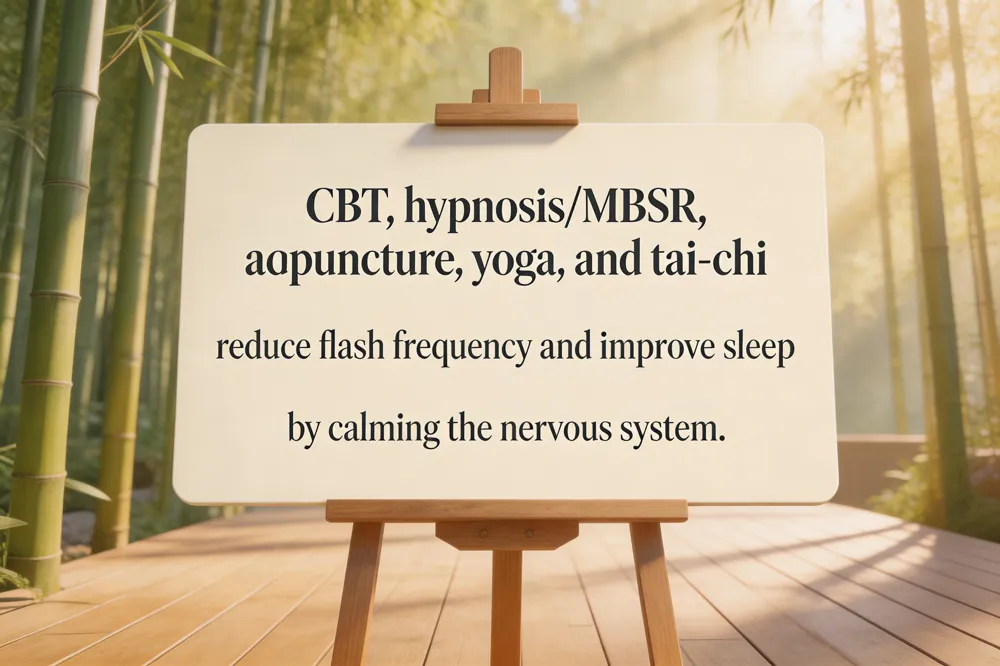 Cognitive‑behavioral therapy (CBT) helps women re‑frame thoughts about hot flashes, reducing anxiety and the perceived bother of each episode. Clinical trials show CBT can lower flash‑related distress by 50‑70 % and sustain benefits for months after treatment.
Hypnosis and mindfulness‑based stress reduction (MBSR) have the strongest evidence among mind‑body approaches; randomized studies report ≥50 % reductions in flash frequency and improved sleep quality. Guided imagery, paced breathing (4‑4‑6 pattern) and regular meditation calm the sympathetic nervous system, making the hypothalamic temperature‑regulation center less reactive.
Acupuncture, when performed by a trained practitioner, modestly decreases flash intensity and frequency for many women, and yoga or tai chi add gentle movement, flexibility and stress relief. Both modalities support better sleep hygiene and mood stability, often reducing nighttime awakenings and irritability.
Overall, integrating CBT, hypnosis/MBSR, acupuncture and yoga into a personalized plan—combined with cool environments, layered clothing and regular aerobic exercise and phytoestrogen‑rich foods—offers a non‑hormonal pathway to lessen hot flashes, night sweats, and their impact on sleep and emotional well‑being.
Herbal and Nutritional Supplements – What Works?
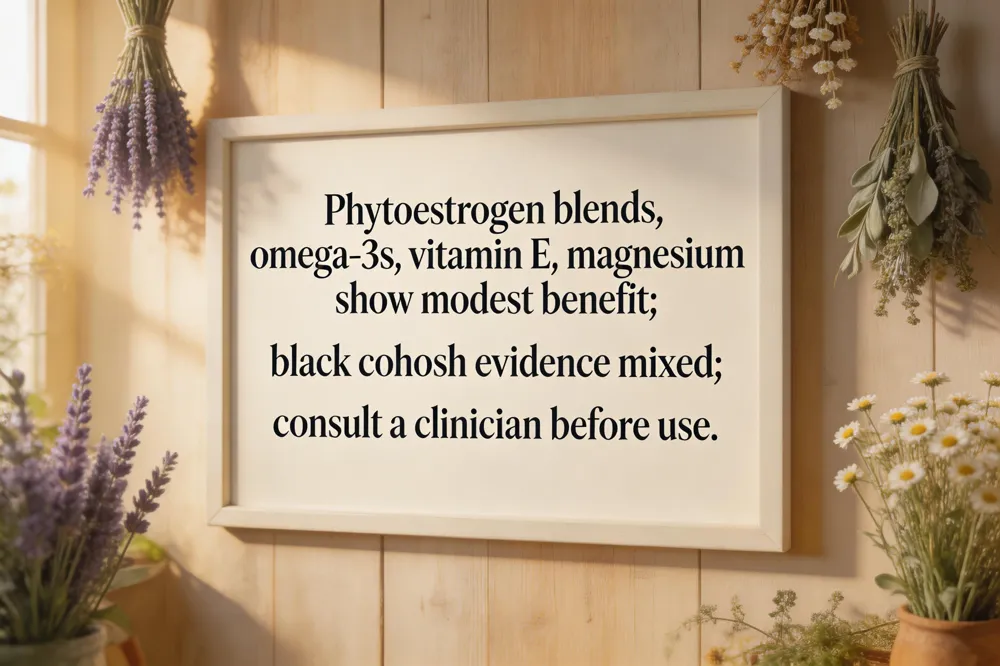 Ther hot‑flashes and night‑sweats, many women turn to plant‑based supplements. phytoestrogen blends—soy isoflavones, red‑clover extract, and ground flaxseed—contain weak estrogenic compounds that have been shown in several trials to modestly lower flash frequency and intensity. Omega‑3 sources such as flaxseed oil or fish‑oil capsules, together with vitamin E (400–800 IU daily) and magnesium, support vascular stability and may blunt the temperature spikes that trigger flashes.
Black cohosh (Actaea racemosa) is widely used, but clinical evidence is mixed; most studies find little benefit over placebo, and rare cases of liver irritation have been reported, especially with low‑contaminated products. Dosing is not standardized—typical preparations contain about 40 mg of root extract—so clinician oversight is essential to balance possible modest relief against safety concerns.
Regulatory status: the FDA does not approve dietary supplements for menopausal symptom relief; only prescription drugs such as low‑dose paroxetine or the NK3 antagonist fezolinetant have FDA approval. Consequently, any supplement regimen should be discussed with a qualified health‑care provider to ensure appropriate dosing, avoid drug‑herb interactions, and monitor for adverse effects.
Managing Weight, Belly Fat and Metabolism
 Herbs for menopause belly fat
Maca root (Lepidium meyenii) has been studied for menopausal weight concerns; a small trial showed it modestly raised estrogen levels and lowered BMI after two months. Black cohosh and red clover, both phyto‑estrogens, may improve hormonal balance and reduce central‑fat accumulation linked to low estrogen. Dong quai and fenugreek are traditionally used to support metabolism and curb cravings, helping keep belly fat at bay when combined with a balanced diet and regular exercise.
Herbs for menopause belly fat
Maca root (Lepidium meyenii) has been studied for menopausal weight concerns; a small trial showed it modestly raised estrogen levels and lowered BMI after two months. Black cohosh and red clover, both phyto‑estrogens, may improve hormonal balance and reduce central‑fat accumulation linked to low estrogen. Dong quai and fenugreek are traditionally used to support metabolism and curb cravings, helping keep belly fat at bay when combined with a balanced diet and regular exercise.
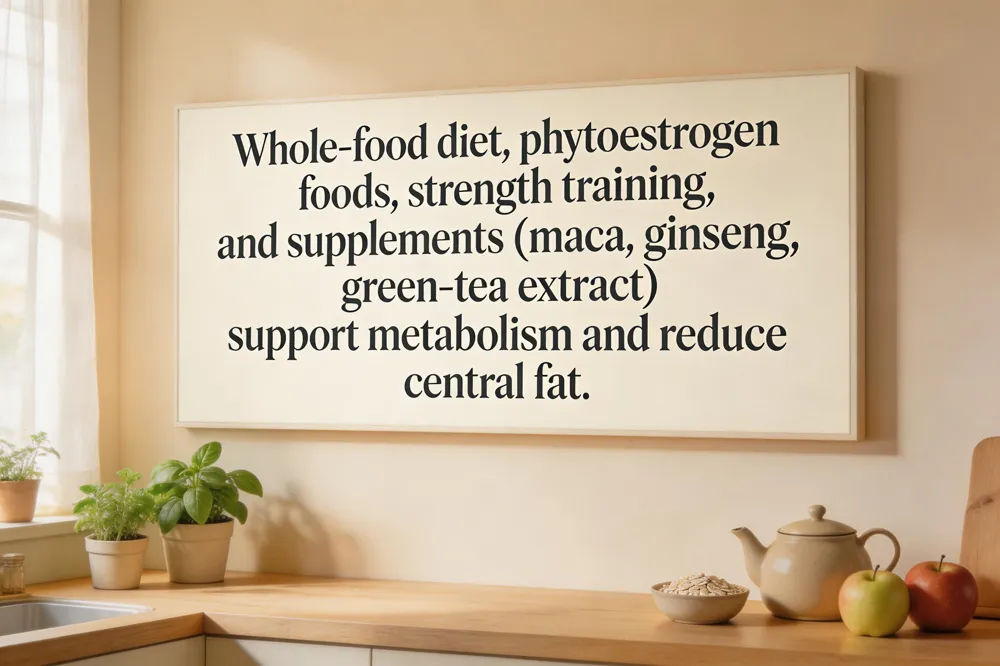
Natural remedies for menopause weight gain A whole‑food diet—lean protein, high‑fiber vegetables, healthy fats, and phyto‑estrogen sources such as soy, flaxseed, and legumes—stabilizes blood sugar and curbs cravings. Strength‑training and brisk aerobic activity preserve muscle, boost resting calorie burn, and target mid‑section fat. Herbal nutrients like black cohosh, red clover, maca, vitamin D, and omega‑3 fatty acids may support estrogen pathways and reduce inflammation, but should be used under clinician guidance. Adequate sleep, stress‑reduction (yoga, meditation), and hydration complete a holistic plan.
Best menopause supplements for weight loss Asian ginseng can boost energy and modestly improve body composition; green‑tea extract (catechins) may raise metabolic rate and fat oxidation. L‑theanine improves sleep and reduces stress-related cravings. High‑quality probiotics aid gut health and insulin sensitivity. Vitamin D and magnesium address common deficiencies, supporting muscle function and metabolism. Supplements work best when paired with a balanced diet, regular strength training, and sufficient sleep; always consult a qualified practitioner before starting any new regimen.
Medical Options and When to Seek Professional Help
 When hot flashes become frequent, severe, or disrupt sleep and quality of life, it’s time to discuss medical options with a clinician.
Prescription hormone therapy and NK3 antagonists – Estrogen‑based hormone therapy remains the most effective treatment, especially when started within 10 years of the final period or before age 60. Women with an intact uterus need combined estrogen‑progesterone or a bazedoxifene‑estrogen combo to protect the lining. For those who cannot use estrogen, the newer NK3‑receptor antagonist fezolinetant (Veozah) offers a non‑hormonal option that can cut flash frequency by 50‑80 % within a week.
Non‑hormonal FDA‑approved medications – low‑dose paroxetine (Brisdelle) is the only FDA‑approved non‑hormonal drug for vasomotor symptoms. Other SSRIs (venlafaxine, citalopram, escitalopram) and anticonvulsants (gabapentin, pregabalin) also help, though they are generally less potent than estrogen.
Over‑the‑counter considerations – No OTC product consistently outperforms prescription therapy. Some supplements—Asian ginseng , L‑theanine, black cohosh—show modest benefit in limited studies, but quality and safety vary because they are not FDA‑regulated. Discuss any supplement with your provider.
Vitamin and mineral priorities – Vitamin E may modestly reduce flash intensity; Vitamin D, essential for bone health and mood; and Vitamin B6, supporting neurotransmitter balance, are the top three vitamins recommended during menopause.
Answers to common questions
- Best medication: Estrogen‑based hormone therapy is most effective; if contraindicated, consider low‑dose paroxetine or fazolinetant.
- Best OTC: No single OTC works reliably; Asian ginseng, L‑theanine, or black cohosh may help but lack strong evidence.
- Top 3 vitamins: Vitamin D, Vitamin E, and Vitamin B6.
Your Next Steps on the Integrative Path
 Start by keeping a personal symptom diary: note the time, duration, triggers (caffeine, stress, heat, clothing), and perceived severity of each hot flash. This data helps you and your clinician spot patterns and evaluate interventions. Schedule a collaborative visit with a functional‑medicine practitioner who can order targeted labs (hormone panels, thyroid, inflammatory markers) and tailor a plan that blends evidence‑based lifestyle changes, safe supplements, and, when needed, prescription options such as low‑dose SSRIs, gabapentin, or NK3‑receptor antagonists.
Jennifer Aniston manages menopause with a low‑impact resistance program called Pvolve, which improves hip strength, flexibility, and balance, plus supportive practices like compression boots, collagen, and infrared sauna. Her routine illustrates how structured exercise, recovery tools, and wellness habits can be integrated into an individualized, symptom‑‑iven strategy.
Putting It All Together
A holistic assessment starts by tracking personal triggers—caffeine, alcohol, spicy foods, stress, tight clothing, and hot environments—while also noting risk factors such as overweight, smoking, and early onset of flashes. Using this diary, clinicians and patients can blend evidence‑based lifestyle changes (layered breathable clothing, cool rooms, regular aerobic exercise, weight loss) with mind‑body techniques (cognitive‑behavioral therapy, paced breathing, mindfulness, hypnosis) that have shown modest reductions in perceived severity. Phytoestrogen‑rich foods (soy, flaxseed, legumes) and low‑dose vitamin E may be added for those seeking non‑hormonal support, but safety and dosing should be reviewed. If symptoms remain frequent, intense, or disrupt sleep and mood, a referral for prescription options—SSRIs, gabapentin, NK3 antagonists, or hormone therapy—should be discussed with a qualified provider.