Opening the Path to Holistic Wellness
Women benefit most when care looks at the whole person—not just isolated symptoms. A whole‑person approach blends balanced nutrition, regular movement, and mindful awareness to support hormones, bone health, and emotional resilience. Nutrition pillars include plenty of fruits, vegetables, whole grains, lean protein, calcium, vitamin D, and omega‑3s, while lifestyle pillars add aerobic exercise, strength training, adequate sleep, and hydration. Mindfulness practices such as breathing, body‑scan meditation, and gentle yoga lower cortisol, improve sleep, and ease mood swings. Integrative clinics combine these pillars with labs, testing, and therapies like Reiki or yoni steam, tailoring support for teens, adults, pregnancy, and menopause.
Foundations of Nutrition and Vital Foods
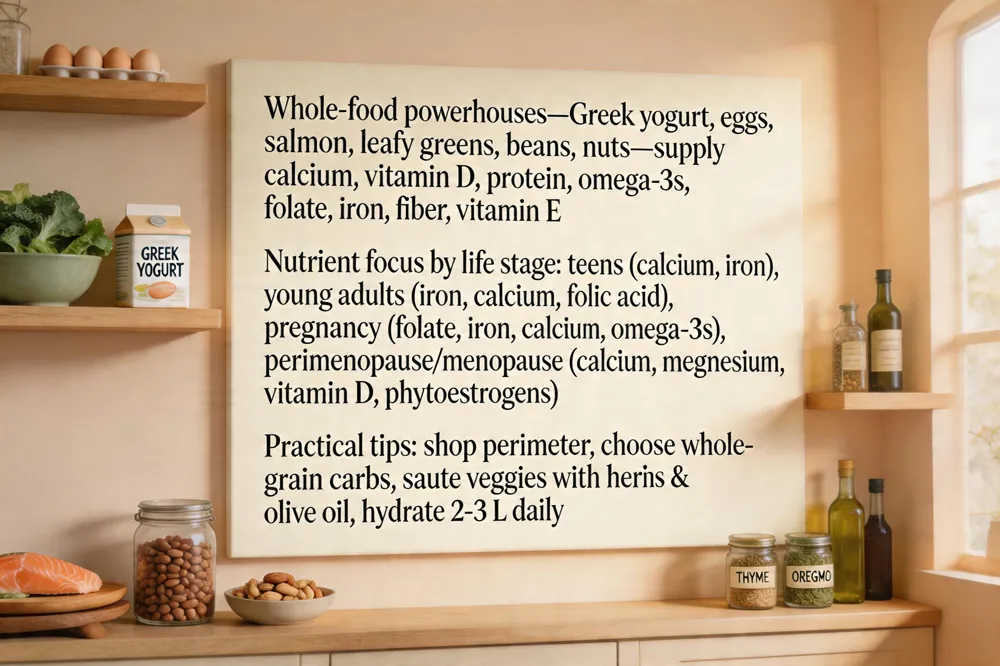 A woman’s diet should be built on whole‑food powerhouses that meet the shifting nutrient needs of each life stage. Powerful whole‑food choices for women include Greek yogurt for calcium and probiotics, eggs for choline and vitamin D, fatty fish such as salmon for omega‑3s, leafy greens (spinach, kale) for folate and antioxidants, beans and lentils for iron and fiber, and nuts like walnuts and almonds for healthy fats and vitamin E. Targeted nutrients across the lifespan vary: teens need extra calcium and iron; young adults benefit from adequate iron, calcium, and folic acid; pregnancy adds folate, iron, calcium, and omega‑3s; perimenopause and menopause require calcium, magnesium, vitamin D, and phytoestrogen‑rich foods. Practical grocery and cooking tips are to shop the perimeter for fresh produce, lean proteins, and dairy; choose whole‑grain breads and pastas; prep meals with simple sautéed vegetables, herbs, and olive oil; and stay hydrated with 2–3 L water daily.
50 best foods for women's health – Greek yogurt, eggs, salmon, beans, lentils, leafy greens, quinoa, oats, grass‑fed beef, poultry, walnuts, almonds, chia, berries, dark chocolate, citrus.
Best foods for women's reproductive health – spinach, kale, romaine, beans, fortified grains, salmon, sardines, walnuts, fortified dairy, eggs, mushrooms, lean meat, avocados, probiotic yogurt, kefir; limit caffeine, alcohol, processed foods.
Women's nutrition supplements – vitamin D, calcium, folic acid, iron with vitamin C, omega‑3s, high‑quality probiotic, women‑specific multivitamin; choose third‑party‑tested products and personalize based on labs.
Nutrition for women Ray Peat – emphasize saturated fats (butter, coconut oil), easy sugars (fruit, honey), dairy, liver, eggs, shellfish, and avoid polyunsaturated oils to support thyroid and progesterone.
Nutrition for women's health PDF – the Johns Hopkins "Healthy Eating Guide for Women" (https://www.hopkinsmedicine.org/-/media/files/health/ebooks/healthy-eating-guide-women.ashx) offers evidence‑based meal‑planning and Mediterranean‑style tips.
Women's nutrition books – "Nutrition for Women: The Complete Guide" by Elizabeth Somer; "The Complete Women’s Guide to Peptides"; "Women’s Wall Pilates Workouts" by Kathryn Bloom.
Women nutrition store – a curated marketplace supplying organic produce, plant‑based proteins, functional supplements, and expert guidance for personalized hormonal and reproductive support.
Mindful Practices, Mental Balance, and the Whole‑Person Model
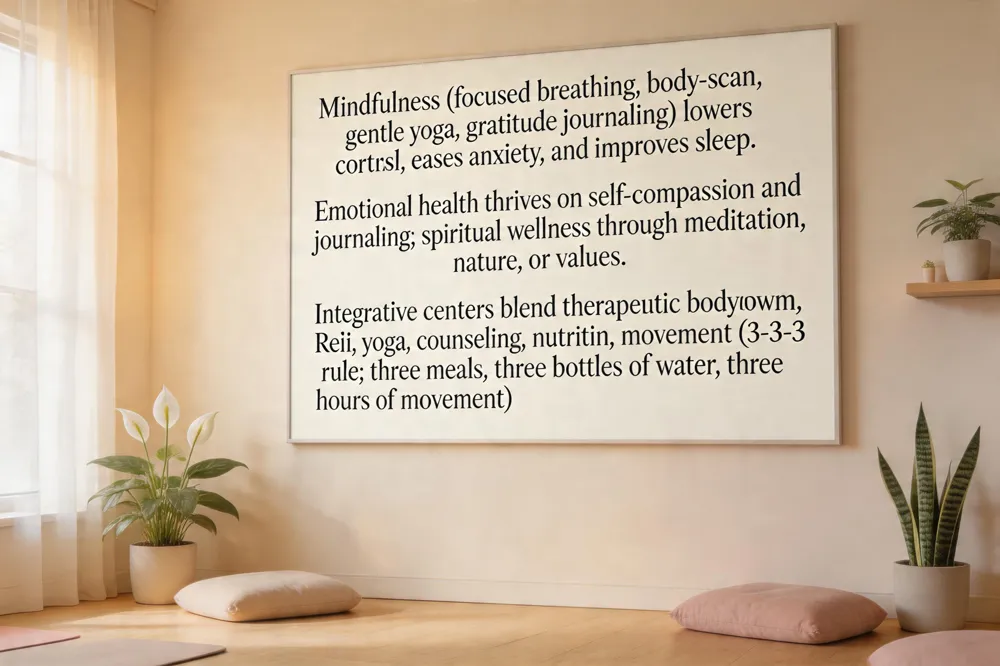 Mindfulness practices—focused breathing, body‑scan meditation, gentle yoga, and gratitude journaling—lower cortisol, ease anxiety, and improve sleep for women. Anchoring attention to the present, they calm the nervous system and reduce night‑time rumination.
Emotional and spiritual pillars matter. Emotional health involves recognizing feelings, cultivating self‑compassion, and building resilience through journaling and community. Spiritual wellness offers purpose and connection through meditation, nature, or personal values, helping women navigate transitions with meaning.
Integrative care weaves mental‑health support into a person model. Centers such as Well of Radiance Holistic Wellness Center and the Integrative Women’s Health Institute combine therapeutic bodywork, Reiki, yoga, and counseling to address stress, mood swings, and sleep disruptions while also attending to nutrition, movement.
The seven pillars of wellness are physical, emotional, spiritual, intellectual, social, environmental, and vocational health. The five areas of holistic care include mental‑emotional, physical, social, occupational, and financial wellness. Holistic nutrition is legitimate when delivered by qualified professionals who blend evidence‑based science with a view. Approach to women’s health empowers balance of body, mind, and spirit. 3‑3‑3 rule—three meals, three bottles of water, and three hours of movement—provides a framework.
Life‑Stage Nutrition, Coaching, and Clinical Services
 Holistic care for women blends personalized nutrition, evidence‑based coaching, and integrative clinical services to support health from adolescence through menopause and beyond.
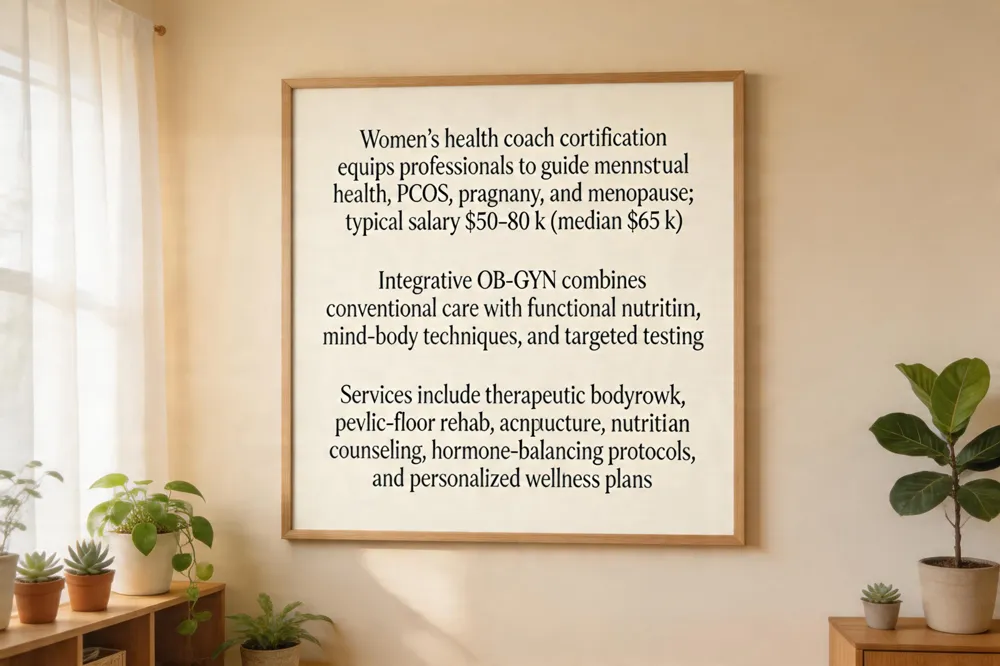
Women's health coach certification A Women’s Health Coach certification provides evidence‑based training in nutrition, hormone balance, pelvic health, and behavior‑change psychology, allowing professionals from fitness, nutrition, or health backgrounds to guide women through menstrual health, PCOS, pregnancy, and menopause.
Women's health coach salary Typical annual earnings range from $50,000 to $80,000, with a median around $65,000; higher rates are seen in major metro areas and for specialists in niche areas such as menopause or fertility.
Women’s integrative medicine OBGYN Integrative OB‑GYN care combines conventional gynecology with functional nutrition, mind‑body techniques and targeted testing to address root causes of menstrual irregularities, infertility, and perimenopausal symptoms, offering longer, collaborative visits and personalized treatment plans.
Services offered by holistic women’s wellness Holistic women’s wellness centers provide therapeutic bodywork (lymphatic drainage, medical massage, prenatal/post‑partum massage), reflexology, trigger‑point therapy, pelvic‑floor rehab, acupuncture, nutrition counseling, and hormone‑balancing protocols tailored to each life stage.
Women’s Wellness Massage Therapy Women’s Wellness Massage Therapy blends Swedish, deep‑tissue, myofascial release, and manual lymphatic drainage to relieve menstrual cramps, pregnancy discomfort, and post‑partum aches, often enhanced with aromatherapy and mindful breathing.
Integrative women’s health near me Search for local functional‑medicine or naturopathic clinics that offer integrative OB‑GYN services, such as the Osher Center for Integrative Health (Chicago) or Well Rooted Women’s Health (St. Charles), for personalized, whole‑person care.
Holistic women’s health near me Holistic practices like Denver Holistic Medicine, Boulder Naturopathic Women’s Wellness, or Bella Health + Wellness in Englewood provide comprehensive, natural‑focused care covering PMS, PCOS, menopause, and fertility.
Integrative women’s health PC Integrative Women’s Care, P.C. (Dallas) offers in‑person and telehealth primary‑care, hormonal management, preventive screenings, and wellness plans that blend conventional medicine with functional and naturopathic approaches.
Does insurance cover integrative medicine? Coverage varies by plan and state; many insurers reimburse acupuncture, chiropractic, and therapeutic massage with referral, while naturopathic and functional‑medicine visits often require out‑of‑pocket payment or cash‑pay options.
Education, Resources, and Practical Tools
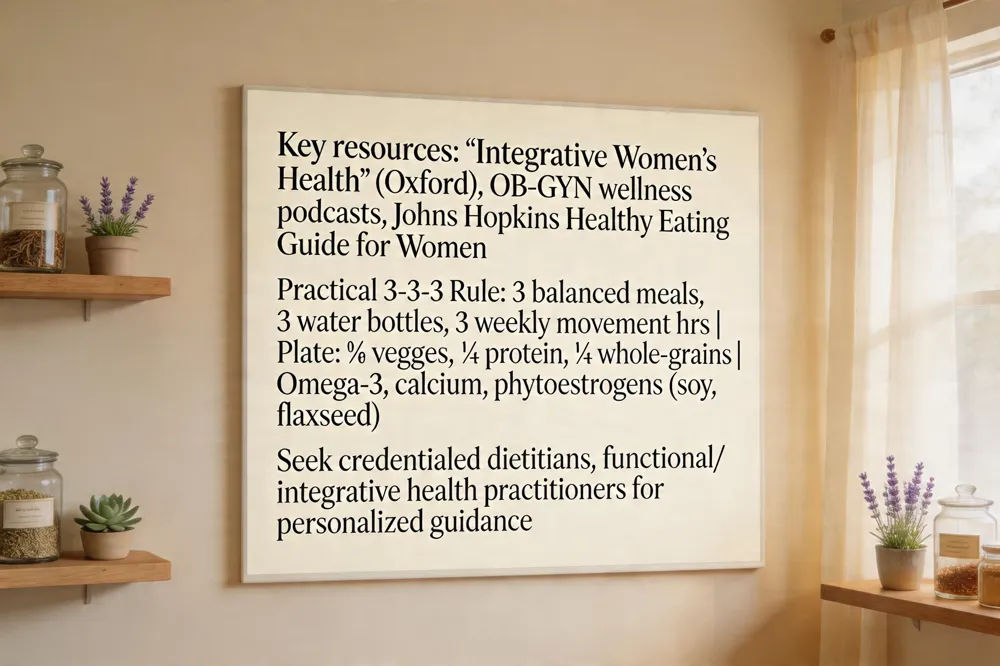 Key books and podcasts for integrative women’s health provide a foundation. “Integrative Women’s Health” (Oxford University Press, 2010) edited by Victoria Maizes and Tieraona Low Dog blends conventional medicine with mind‑body, nutrition, herbal therapy and acupuncture, offering strategies for menstrual, pregnancy and menopause care. Podcasts such as “The Integrative Women’s Health Institute Show” and “Wellness OBGYN Conversations” interview clinicians and share tips.
Practical food lists and lifestyle rules follow the 3‑3‑3 rule: three balanced meals, three bottles of water, and at least three hours of movement weekly. Fill half the plate with colorful vegetables, a quarter with lean protein, and a quarter with whole‑grain carbs. Include omega‑3 rich fish, calcium‑dense dairy or fortified alternatives, and phytoestrogen foods like soy and flaxseed.
How to access trusted professional guidance: seek a dietitian, functional‑medicine clinician, or integrative health practitioner (IHP) with credentials (DCN, CNS, PT). Use centers such as Biloxi or the Integrative Women’s Health Institute for coaching, lab testing and mind‑body services.
Putting It All Together for Lasting Wellness
Holistic wellness blends balanced nutrition, mindful practices, and integrative services to support every stage of a woman's life. A diet rich in fruits, vegetables, whole grains, lean protein, calcium, vitamin D, and omega‑3s fuels hormone balance, bone health, and heart protection. Regular mindfulness—breathing, meditation, yoga, or journaling—lowers cortisol, improves sleep, and enhances emotional resilience. Integrative options such as womb‑healing sessions, Reiki, personalized nutrition counseling, and functional lab testing address root causes and tailor care. To begin, schedule an assessment with a certified women’s health coach or integrative clinic, set goals, and commit to self‑care rituals that honor body, mind, and spirit.