Mind‑Body Connection and Immune Health
Guided visualization is a gentle mind‑body practice that lowers cortisol, the stress hormone that can suppress immunity when chronically high. By focusing on slow, diaphragmatic breathing and vivid, personalized imagery—such as golden light energizing white blood cells—women can activate the parasympathetic nervous system, reducing heart‑rate variability and inflammation. Neuroimmunology studies show that this relaxation pathway signals the prefrontal cortex and limbic system, which in turn modulate cytokine release and boost natural‑killer cell activity, improving antibody responses to vaccines. Integrated wellness programs combine this visualization with adequate sleep, balanced nutrition, and regular movement, creating a synergistic foundation that supports hormonal balance and resilient immune function for each individual. This approach honors each woman's unique rhythm, encouraging daily practice for health benefits.
Nutrition, Micronutrients and Immune Support
 A balanced, evidence‑based nutrition plan is the foundation of a resilient immune system, especially for women whose hormonal cycles can influence immunity. Core vitamins and minerals – vitamin C (antioxidant, white‑blood‑cell production), vitamin D (modulates innate and adaptive responses), vitamin A (mucosal health), B‑vitamins (energy for immune cells), zinc, selenium and vitamin E – are essential. Women’s multivitamin formulation should deliver at least 100 % DV of vitamin C and zinc, 150‑200 % DV of vitamin D (or provider‑recommended dose), and bio‑available forms such as methylcobalamin B12 and mixed‑carotenoid vitamin A. Look for clean, food‑derived ingredients without excess fillers. Botanical adjuncts like elderberry, echinacea, or oregano oil add polyphenols that can bolster antiviral defenses while aligning with naturopathic principles. Dietary sources for immune cells include citrus fruits, bell peppers, fatty fish (omega‑3s), nuts, seeds, probiotic‑rich yogurt, and leafy greens.
Best multivitamin for immune system – a high‑quality women’s formula containing the core nutrients above, plus optional botanicals, meets daily needs without megadoses.
Vitamins for immune system for adults – vitamin C, vitamin D, zinc, and supportive botanicals are the key micronutrients; a varied diet or targeted supplement ensures adequate intake during stress or illness.
Whole‑Food Immune Boosters and Powerful Herbs
 What is the most powerful natural immune booster?
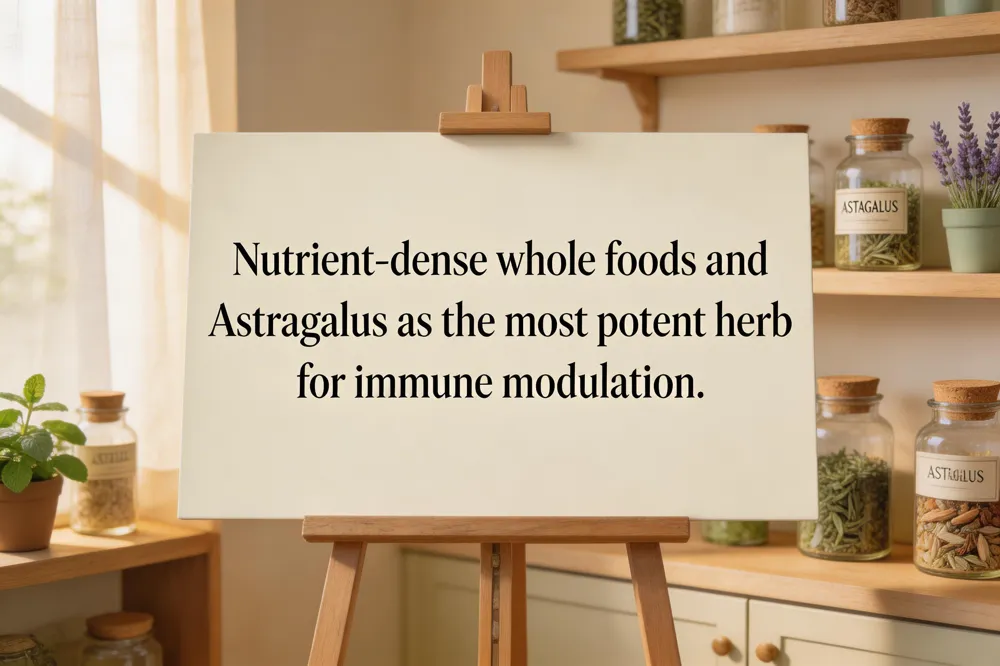
A single "magic" ingredient does not exist; the strongest boost comes from a nutrient‑dense, whole‑food diet. Fresh, colorful fruits and vegetables—especially berries, citrus, and dark leafy greens—supply abundant vitamin C and phytonutrients that sharpen white‑blood‑cell function. Adding Omega‑3‑rich fatty fish or algae oil modulates inflammation, while nuts, seeds, and spices such as ginger and turmeric provide zinc and anti‑inflammatory compounds. Consistently consuming this mix supports a balanced gut microbiome and optimal immune signaling, offering a personalized, women‑focused foundation for health.
What is the most powerful herb for the immune system?
Astragalus membranaceus stands out for its broad immunomodulatory effects. Its polysaccharides and saponins boost white‑blood‑cell activity, enhance interferon production, and support both innate and adaptive defenses. Clinical and traditional use show improved resistance to viral and bacterial challenges with minimal side effects. Astragalus can be taken as a tincture, tea, or standardized extract, fitting easily into daily wellness routines.
Immune system booster foods
Key foods include vitamin C‑rich berries and citrus, omega‑3‑packed salmon, zinc‑dense nuts and seeds, anti‑inflammatory turmeric and ginger, and probiotic‑rich yogurt or kimchi. Together they nurture gut‑associated lymphoid tissue (GALT) and promote robust immune surveillance, especially valuable for women seeking holistic, evidence‑based support.
Recognizing Immune Weakness and Lifestyle Signs
 A weakened immune system often shows up in everyday life. Five common warning signs are: (1) frequent or unusually severe infections such as colds, sinusitis, bronchitis, or pneumonia; (2) infections that linger longer than normal or appear in unusual sites like skin abscesses or persistent diarrhea; (3) chronic inflammation or autoimmune flare‑ups presenting as joint pain, rashes, or unexplained fevers; (4) blood‑test abnormalities such as low white‑blood‑cell counts, anemia, or reduced platelets; and (5) digestive disturbances—including cramping, loss of appetite, nausea, or frequent loose stools—reflecting gut‑immune imbalance. Chronic stress amplifies these patterns by raising cortisol, which suppresses natural‑killer cell activity and impairs lymphocyte function. Stress‑reduction practices such as guided visualization, deep breathing, and regular sleep can help restore parasympathetic tone, lower cortisol, and support healthier blood and symptom profiles. Monitoring these signs and integrating gentle, evidence‑based mind‑body tools empowers women to protect their immunity before illness takes hold.
Integrative Medicine: Access, Evidence and Practicalities
 Finding integrative providers near If you’re searching for “integrative medicine near me,” start by looking up local Centers for Integrative & Lifestyle Medicine on major hospital websites (e.g., Cleveland Clinic) or call their main line for the nearest location. Many practices now offer virtual visits, expanding access beyond your immediate community.
Does insurance pay for integrative medicine? Coverage varies. Most commercial and public plans reimburse acupuncture, chiropractic, and some naturopathic services, often with a referral or medical‑necessity note. Medicare Part B, for example, pays for up to 12 acupuncture sessions for chronic low‑back pain. However, extensive lab testing and personalized coaching are frequently cash‑pay or membership‑based; verify benefits before starting.
Is integrative medicine evidence‑based? Yes. Modalities such as yoga, meditation, acupuncture, and specific dietary interventions have robust trial data showing stress reduction, lower cortisol, and modest boosts in NK‑cell activity and antibody response. The evidence strength differs by therapy, so clinicians blend the best‑available research with individualized assessment.
Is an integrative medicine specialist a doctor? Absolutely. An integrative specialist is an MD or DO who has completed board‑certified training in integrative medicine (e.g., ABOIM) and can prescribe medication, order tests, and coordinate complementary therapies. Their medical licensure ensures comprehensive, whole‑person care.
Practical Daily Boosts: Drinks, Habits and Guided Visualization
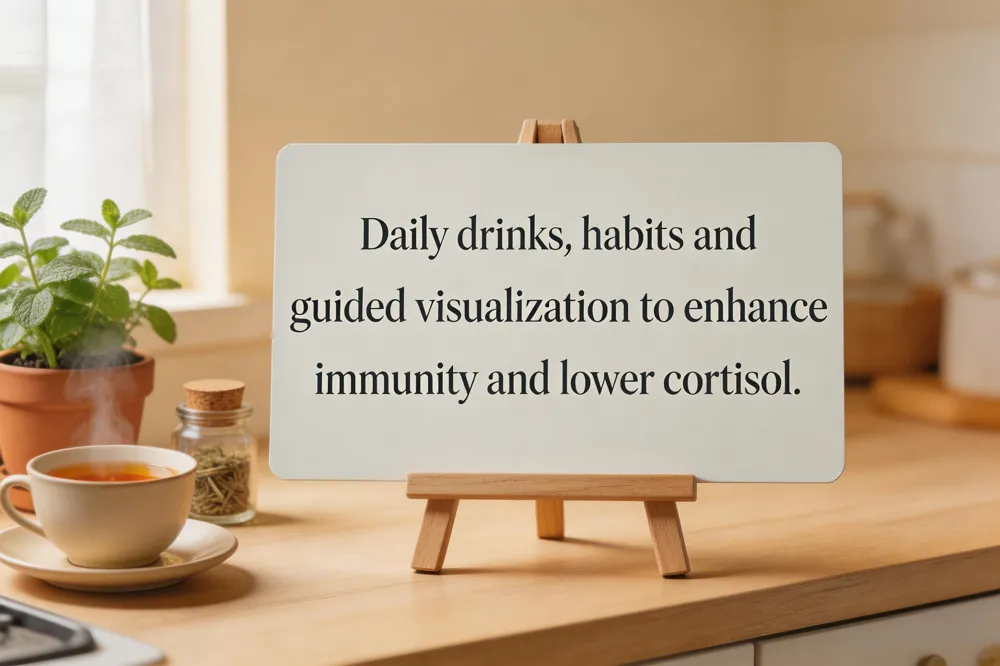 Start your day with a warm honey‑lemon‑ginger tea or a green‑berry smoothie. The vitamin C from lemon or berries, anti‑inflammatory ginger and turmeric, and probiotic kefir support white‑blood‑cell activity and gut balance. The CDC-endorsed four habits for immunity are: (1) a nutrient‑dense diet rich in fruits, vegetables, lean protein and whole grains, (2) regular moderate exercise (≈150 min/week), (3) maintaining a healthy weight, and (4) 7‑9 hours of restorative sleep. In the next 24 hours, add antioxidant‑rich foods, stay well hydrated, practice deep‑breathing or a brief mindfulness pause, and move with a gentle walk or yoga flow to boost circulation and lower cortisol. Guided visualization can be done seated or lying down for 10‑15 minutes daily: begin with belly breathing, a body scan, then picture vibrant NK‑cell activity or a protective light surrounding you. Consistency, quiet space, and pairing with proper nutrition and sleep amplify the rises in antibody response shown in clinical studies.
Putting It All Together for Immune Resilience
Building lasting immune resilience requires a balanced blend of nutrition, guided visualization, and lifestyle habits tailored to each woman’s unique hormonal and health profile. Nutrient‑dense foods—omega‑3 rich fish, vitamin C packed fruits, probiotic‑laden yogurt, and olive‑oil polyphenols—provide the building blocks for white‑blood‑cell function and gut‑associated lymphoid tissue health. Pair these with a daily 10‑15‑minute guided imagery session, such as a body‑scan plus a mental picture of golden light or active NK cells, which research shows can lower cortisol, boost NK activity, and improve antibody responses. A personalized functional plan also addresses sleep hygiene (7‑9 hours, morning sunlight), moderate movement (150 minutes of brisk walking or yoga per week), and stress‑reduction techniques (breathing, gratitude, compassionate visualization). For women experiencing menstrual‑related immune dips, visualizing balanced hormone cycles alongside immune support can further stabilize defenses. Next steps: start with a short guided meditation, track sleep and stress levels, and consult a functional‑medicine practitioner to fine‑tune nutrition and visualization scripts for optimal, individualized immune health.