Why DNA Matters in Your Weight‑Loss Journey
DNA‑based nutrition (nutrigenomics) uses a simple cheek‑swab or saliva test to identify single‑nucleotide variations that affect how you metabolize carbs, fats, proteins, and micronutrients. For women, these genetic clues intersect with hormonal cycles, estrogen‑receptor variants, and iron‑regulation genes, making a one‑size‑fits‑all diet especially inadequate. An integrative functional‑medicine approach blends DNA insights with gut‑microbiome profiling, hormone panels, stress‑assessment, and sleep data, creating a truly personalized plan that respects your unique biology. By tailoring macronutrient ratios, food‑sensitivity avoidance, and targeted supplementation, you can improve adherence, balance blood‑sugar swings, and support metabolic flexibility—key components of sustainable, health‑focused weight loss.
Foundations, Evidence, and the Reality of Nutrigenomics
 DNA‑based nutrition, also called nutrigenomics, tailors your dietary recommendations to the unique genetic makeup encoded in your DNA. By analyzing a simple saliva‑based genetic test, specialists identify variations that influence how you metabolize macronutrients, absorb vitamins and minerals, and regulate hunger hormones such as leptin and ghrelin. The resulting report highlights predispositions to food sensitivities, nutrient deficiencies, and metabolic traits like carbohydrate or fat sensitivity. A certified nutritionist then creates a personalized eating plan that aligns with those genetic insights, supporting optimal weight management, energy, and overall well‑being.
Nutrigenomics is the study of how the nutrients we consume interact with our genes to influence health outcomes, disease risk, and the way our bodies process food. By examining genetic variations—such as those in the FTO, APOE, and MTHFR genes—practitioners can predict how an individual may respond to specific macronutrients, micronutrients, and lifestyle factors, enabling personalized plans that support hormonal balance and cardiovascular health.
The scientific consensus acknowledges that while DNA‑based nutrition shows promise, evidence remains modest and often limited by small, short‑term studies. Professional societies, including the Academy of Nutrition and Dietetics, caution that nutrigenomics is not yet ready for routine clinical practice and that direct‑to‑consumer tests lack sufficient regulation and demonstrated clinical benefit.
User reviews and online discussions note that genetic insights can be motivating, yet measurable health gains are usually modest without comprehensive lifestyle counseling. For women seeking integrative wellness, DNA‑based nutrition should be viewed as a complementary tool, integrated with holistic factors such as sleep, stress management, and personalized exercise guidance.
From Test Kit to Tailored Plan: How Genetic Testing Works
 Companies such as Habit create a personalized plan in six steps: (1) saliva swab and blood spot, (2) lab analysis of >60 biomarkers, (3) integration with reported data, (4) a nutrition engine matching genes to foods, (5) a dietitian consult, (6) meal delivery or app. Cost $299 USD; add‑ons cost more. Samples are processed in CLIA‑certified labs, encrypted and never sold. The Academy notes DNA‑based advice isn’t routine care; the FDA treats panels as wellness tools. Dietitians translate SNP data into nutrient ratios, supplement plans, and hormone strategies for women.
DNA diet 23andme – provides a wellness report; a dietitian creates a meal plan.
Genetic testing for weight loss near me – find integrative clinics with nutrigenomic panels and a counselor.
DNA‑based diet test – shows gene‑driven nutrient needs (vitamin D, caffeine, lactose) to guide food and supplements; clinical context needed.
Best nutrition DNA test – Gene Food, 23andMe Health +, Nutrigenomix, DNAfit and Genopalate meet CLIA standards; pick the one that fits your goals.
Macronutrient Strategies: The 40‑30‑30 Rule and Fat‑Burning Genes
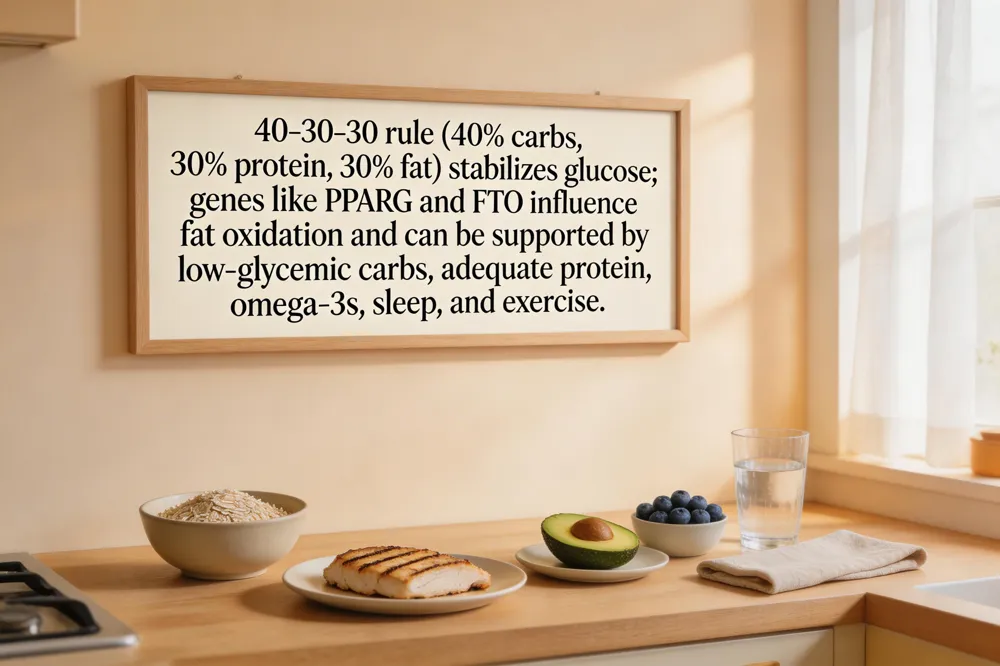 What is the 40‑30‑30 rule for weight loss?
The 40‑30‑30 rule distributes each meal’s calories into roughly 40 % low‑glycemic carbohydrates, 30 % high‑quality protein, and 30 % healthy fats. By applying this balance to every eating occasion, blood‑sugar and insulin spikes are minimized, hunger is steadier, and the body is encouraged to oxidize stored fat rather than store new energy.
How to activate your fat‑burning gene?
Research links genes such as PPARG and FTO to fat‑oxidation pathways. Stabilizing insulin with low‑glycemic carbs, adequate protein, and omega‑3 rich fats can up‑regulate these genes. Regular moderate‑intensity exercise (150 min/week), 7‑9 h sleep, stress‑reduction, and adequate sunlight further support thyroid and cortisol balance, amplifying genetic propensity for fat burning.
Personalized nutrition plan
A plan that merges your genetic profile, hormonal status, gut microbiome, and lifestyle creates a roadmap of food choices, portion sizes, and timing that aligns with your unique biology. Evidence from randomized trials shows higher adherence and modestly greater weight loss when recommendations are genotype‑guided.
DNA‑based nutrition plan
DNA testing identifies SNPs affecting carbohydrate, protein, and fat metabolism (e.g., FTO, MTHFR, APOE). Integrated with blood biomarkers and functional assessments, a DNA‑based plan offers tailored macronutrient ratios, supplement targets, and food‑sensitivity alerts, providing a holistic, evidence‑based strategy for sustainable weight management.
Practical Tools: Meal Planning, PDFs, and Digital Resources
 Diet plan maker for weight loss
Online generators such as Eat This Much, Strongr Fastr, and My Diet Meal Plan create calorie‑controlled, macro‑balanced menus in seconds. They let you pick diets (Mediterranean, vegan, keto), set budget and schedule, and auto‑produce grocery lists. Pair the tool with a functional‑medicine practitioner to add hormone‑balancing foods, nutrient timing, and gut‑health tips for a truly holistic plan.
Personalized nutrition PDF
A printable PDF blends a client’s genetic, microbiome and lifestyle data into actionable food, supplement and habit recommendations. It translates nutrigenomic insights into meal‑plan templates, grocery lists and mindfulness cues that support women’s hormonal balance and overall vitality.
Free 30‑day meal plan for weight loss PDF
Download from reputable sources such as Mount Sinai’s “My 30‑Day Healthy Lifestyle Eating Plan” or LiveHealth Online’s 1,500‑calorie guide. Both provide interchangeable daily menus, portion sizes and balanced macronutrients—ideal for a sustainable start.
Free diet plan for weight loss for female
A 7‑day rotating plan (≈1,400–1,600 kcal) emphasizes lean protein, high‑fiber vegetables, whole‑grain carbs and healthy fats. Use ChooseMyPlate or the Mayo Clinic Diet tool to tweak portions to your needs.
Free diet plan for weight loss for male
A simple template starts with a 500 kcal deficit, 1.6–2.2 g protein/kg body weight, half‑plate non‑starchy veg, quarter‑plate whole grains and quarter‑plate healthy fats. Sample meals follow the same format and can be customized via free online guides.
Personalized weight‑loss plans free
The Mayo Clinic Diet questionnaire, Strongr Fastr AI, and NIH’s Body Weight Planner generate free, individualized plans based on age, activity, preferences and health history. Personalized weight‑loss plans free
Personalized weight‑loss plans PDF
A printable guide combines a 30‑day meal schedule, portion‑controlled recipes, daily exercise ideas, tracking logs and functional‑medicine tips (e.g., vitamin D, stress reduction) to support sustainable, holistic weight loss.
Gender‑Specific Genetics: Women's Hormones and Weight Management
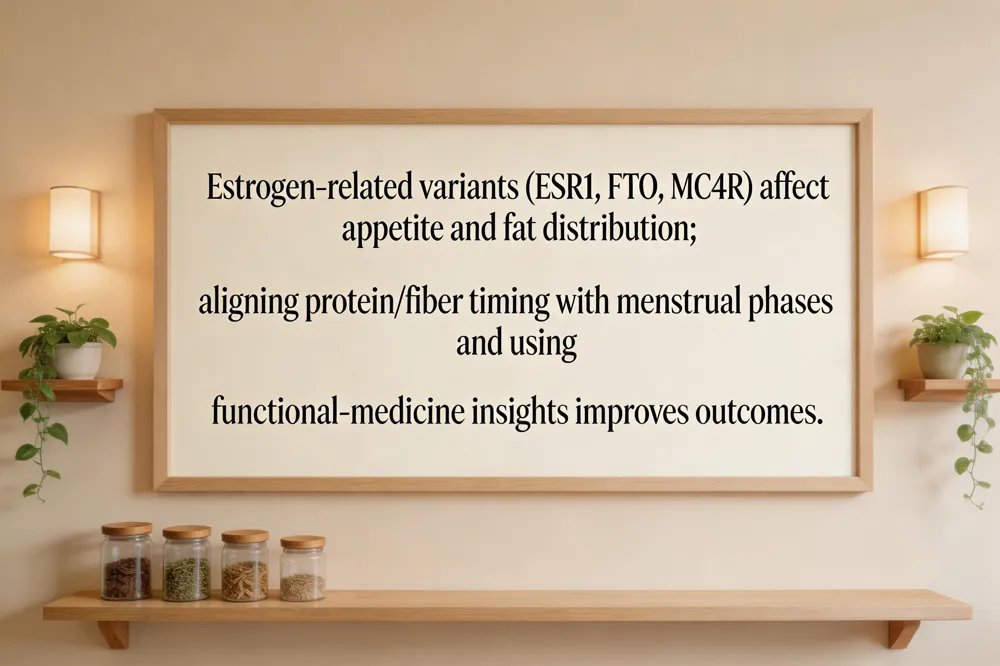 Women’s weight regulation is shaped by estrogen‑related gene variants such as ESR1, FTO, and MC4R, which affect appetite, satiety, and fat distribution across menstrual phases. Aligning nutrient timing with hormonal cycles—e.g., higher protein and fiber during the luteal phase and lighter carbs in the follicular phase—supports stable blood‑glucose and reduced cravings. An integrative functional‑medicine approach combines DNA insights with gut‑microbiome analysis, hormone panels, stress‑management, and sleep optimization to address the root causes of weight resistance.
Free diet plan for weight loss for female – A rotating 7‑day menu of 1,400–1,600 kcal emphasizes lean protein, high‑fiber veg, whole‑grain carbs, and healthy fats. Breakfast: Greek yogurt + berries + nuts or egg‑white scramble with toast. Snacks: fruit with nut butter; raw veggies with hummus. Lunch: leafy‑green salad with 3–4 oz grilled chicken, quinoa or beans, avocado, vinaigrette. Dinner: fish, turkey or tofu with roasted sweet potato or brown rice and two non‑starchy veg servings. Hydrate, limit added sugars, and customize portions with tools like ChooseMyPlate.
Nutrigenomics and obesity – Variants in FTO, MC4R, PPARG, etc., modulate appetite, energy use, and fat storage. Nutrigenomics integrates these genetic signals with epigenetic and microbiome data, allowing clinicians to prescribe diets that boost satiety, improve metabolic efficiency, and nurture gut health—yielding better weight‑loss outcomes than generic calorie‑restriction alone.
Gene‑based nutrition – Also called nutrigenomics, this approach analyzes multiple SNPs (e.g., MTHFR, APOE, PPARA) and polygenic risk scores to tailor macronutrient ratios, supplement needs, and food sensitivities. Multi‑gene panels have demonstrated modest but meaningful improvements in weight, cholesterol, and glucose control, especially when paired with functional‑medicine lifestyle coaching, empowering women to make evidence‑based dietary choices that align with their unique genetic makeup.
Interpretation, Coaching, and Ethical Considerations
 Professional guidance is essential when translating DNA results into a usable nutrition plan. A registered dietitian or functional‑medicine practitioner can place genetic variants—such as FTO, MTHFR, or CYP1A2—within the broader context of diet, activity, stress, and sleep, preventing over‑reliance on a single test. In a functional‑medicine framework, DNA‑based supplements are tailored to identified deficiencies or sensitivities; for example, an MTHFR variant may prompt a higher‑dose methyl‑folate, while a CYP1A2 fast‑metabolizer might tolerate more caffeine. Early studies suggest modest benefits, but robust clinical evidence remains limited, so supplementation should be supervised by a qualified clinician. Privacy and ethics matter: companies must encrypt data, comply with HIPAA/GINA, and allow users to delete their genetic information. Ethical concerns include potential insurance discrimination and the marketing of unproven claims. Consumers should view DNA testing as a complementary tool within a holistic, professionally guided wellness plan.
Future Horizons: Polygenic Scores, Multi‑Omics, and Sustainable Practices
 Emerging polygenic risk scoring (PRS) combines dozens of SNPs to estimate an individual’s susceptibility to obesity, insulin resistance, and lipid disorders, allowing clinicians to tailor macronutrient ratios and hormone‑balancing strategies for women. When PRS are layered with microbiome sequencing and metabolomic profiling, a richer picture of nutrient absorption, gut‑derived metabolites, and inflammatory pathways emerges, guiding more precise adjustments to diet, supplementation, and stress‑reduction practices. Regulatory bodies are tightening oversight of direct‑to‑consumer DNA tests, mandating transparent validation data, privacy safeguards, and clear labeling of what is and is not clinically actionable.
What foods stimulate DNA repair? Citrus fruits, kiwis, cooked tomatoes (flavonoids, vitamin C), dark leafy greens and cruciferous vegetables (sulforaphane), berries (anthocyanins, resveratrol), and nuts/seeds (selenium, vitamin E) support genomic integrity.
Best personalized weight loss plans blend evidence‑based questionnaires (e.g., Mayo Clinic Diet), metabolic or genetic testing, and integrative apps for real‑time coaching, complemented by naturopathic focus on micronutrients, gut health, and stress management.
DNA diet reviews note that while PRS‑driven insights can modestly improve adherence and metabolic outcomes, many commercial kits rely on limited gene panels and overpromise results; professional interpretation and holistic lifestyle support remain essential.
Integrating DNA Insights Into a Whole‑Person Wellness Plan
A true whole‑person approach blends DNA results, lifestyle habits, and functional‑medicine data into one coherent roadmap. Genetic markers such as FTO, MTHFR, and APOE reveal how you metabolize carbs, fats, and vitamins, while blood panels, gut‑microbiome profiles, hormone panels, and sleep‑stress assessments add the real‑time context that DNA alone cannot provide. By interpreting these layers together, a registered dietitian can design sustainable habits—balanced meals, mindful movement, stress‑reduction practices, and targeted supplements—that align with your unique biology and daily life. This empowerment turns abstract risk scores into actionable choices, fostering confidence and long‑term adherence. Women who prioritize personalized, evidence‑based nutrition today can unlock more energy, hormonal balance, and lasting weight‑management success. Take the first step: schedule a consultation with a qualified functional‑medicine practitioner and start your integrative wellness journey.