
Empowering Your Health Through Food
Managing Polyendocrine Metabolic Ovarian Syndrome (PMOS) involves addressing the systemic inflammation and insulin resistance that affect a majority of those diagnosed. Food serves as a primary tool to stabilize blood glucose, helping to lower androgen levels and restore hormonal health.
At harmony.care, we emphasize that nutrition is only one pillar of wellness. Sustainable progress requires integrating dietary shifts with consistent sleep hygiene and stress management to fully support long-term endocrine function.
The Link Between Diet, Insulin, and Hormones
 Insulin resistance remains a primary driver of Polycystic Ovary Syndrome, affecting up to 80% of individuals diagnosed with the condition. When the body struggles to utilize insulin effectively, the resulting high circulating levels can signal the ovaries to produce excess androgens. This hormonal imbalance often manifests as acne, irregular periods, and unwanted hair growth.
How do dietary choices specifically impact insulin resistance and blood sugar markers in PCOS? Managing insulin sensitivity is a move toward long-term metabolic health. Dietary choices are foundational, as they directly influence the compensatory hyperinsulinemia that drives both metabolic and reproductive dysfunction. By prioritizing a nutrient-dense, whole-foods approach rich in fiber, lean proteins, and healthy fats, women can improve insulin sensitivity and stabilize blood sugar markers. Reducing the intake of refined sugars and processed carbohydrates helps lower systemic inflammation and limits the sharp glucose spikes that exacerbate abdominal adiposity. Ultimately, these personalized nutritional strategies act as a powerful, integrative tool to restore metabolic balance and mitigate long-term health risks like cardiovascular disease.
Refined carbohydrates and added sugars often trigger rapid spikes in glucose, which then demand an even higher insulin output from the pancreas. At harmony.care, our approach emphasizes pairing carbohydrates with fiber, protein, or healthy fats. This nutritional synergy blunts the glucose response, preventing the energetic crashes that many people with this condition experience. Unlike restrictive plans that eliminate entire food groups, our strategies prioritize whole-food foundations to ensure sustained hormonal support over time.
Building a Hormone-Balancing Plate
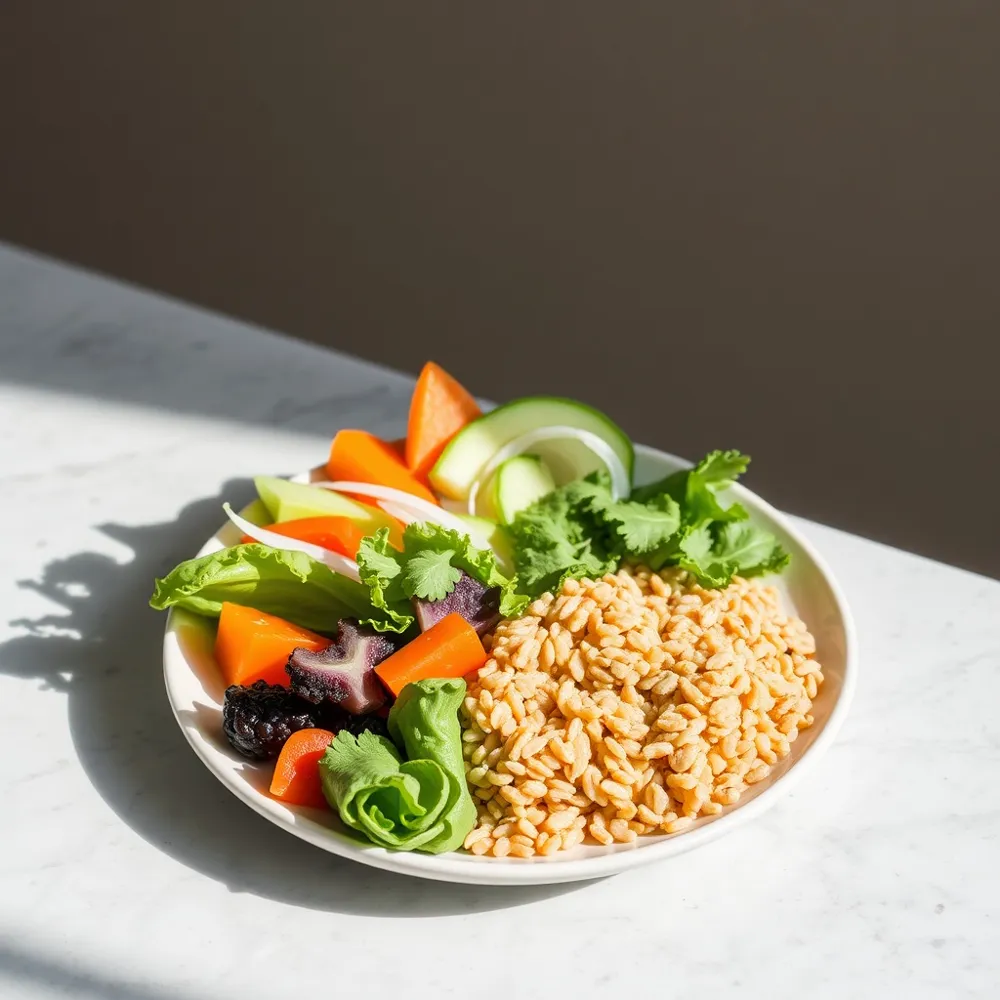 Managing symptoms of Polyendocrine Metabolic Ovarian Syndrome (PMOS)—formerly known as PCOS—centers on stabilizing blood sugar and reducing systemic inflammation. Adopting a low-glycemic index (GI) eating pattern is highly effective, as it helps improve insulin sensitivity by preventing sharp rises in blood glucose levels. Beyond specific GI scores, integrating nutrient-dense, whole-food dietary patterns like the Mediterranean Diet or DASH diet provides a sustainable framework that supports long-term metabolic health. Because each individual's needs and cultural preferences vary, the most successful approach is one that feels like a natural, personalized lifestyle rather than a restrictive, temporary fix. Ultimately, prioritizing minimally processed foods while balancing macronutrients serves as a foundational step toward managing common symptoms and supporting your overall hormonal wellness.
A balanced plate is built on the foundation of the macronutrient trio: complex carbohydrates, lean protein, and healthy fats. Each of these components performs a specific task. Complex carbohydrates, such as quinoa, barley, and legumes, are rich in fiber, which slows digestion and stabilizes insulin release. Protein, such as chicken, tofu, or fish, supports satiety and muscle maintenance, while healthy fats like those in avocado, olive oil, nuts, and seeds provide the necessary building blocks for hormone production and help reduce inflammation.
For those seeking guidance on how to implement these changes, harmony.care provides personalized support for building a hormone-balancing plate that fits your specific needs. Incorporating non-starchy vegetables as the base of your meals ensures lower caloric density while keeping you full. Pair these with high-quality protein and omega-3-rich fatty fish, which research indicates helps decrease markers of inflammation and supports healthy estrogen and progesterone ratios.
Foods to Favor and Foods to Limit
 For individuals managing Polycystic Ovary Syndrome (PCOS), the plate is a powerful tool for reducing systemic inflammation and stabilizing blood sugar. Our focus at harmony.care is helping you incorporate nutrient-dense, whole foods that support metabolic health without the rigidity of exclusionary fad diets. Prioritizing these foods helps blunt insulin spikes that can otherwise trigger the excessive androgen production driving symptoms like acne and fatigue.
Best choices include leafy greens, broccoli, peppers, berries, and whole fruit, which provide the fiber necessary to slow sugar absorption. High-quality protein sources like salmon, sardines, lean poultry, tofu, and tempeh, alongside complex carbohydrates such as lentils, beans, and quinoa, ensure lasting satiety. These food groups, when combined with healthy fats found in nuts and seeds, form the foundation of an anti-inflammatory eating pattern recommended by research in the Nutrition Guide for Clinicians.
To protect your hormonal environment, it is equally important to minimize triggers. Sugary beverages, refined grains (white bread, pasta, white rice), fried foods, red and processed meats, saturated fats, alcohol, and ultra-processed snacks should be limited because they contribute to blood sugar instability and oxidative stress. harmony.care emphasizes that pairing carbohydrates with fiber-rich options prevents the sharp fluctuations that exacerbate insulin resistance.
What are common triggers for PCOS flare-ups, and how can they be mitigated?
PCOS flare-ups are frequently triggered by factors that exacerbate hormonal imbalances, such as chronic stress, persistent inflammation, systemic sleep disruption, and sharp fluctuations in blood sugar levels. When these triggers occur, they can lead to increased androgen production, which significantly worsens common symptoms like irregular cycles and acne. Mitigating these episodes requires a proactive, integrative approach to restoring internal harmony through a nutrient-dense, anti-inflammatory diet that stabilizes glucose levels. Prioritizing consistent, restorative sleep patterns and engaging in personalized stress management techniques help to recalibrate the nervous system and curb the hormonal cascade. By fostering these sustainable, evidence-based lifestyle habits, you can better support your body's unique needs and minimize the frequency of these challenges.
Meal Timing and Eating Patterns That Help
For many navigating Polyendocrine Metabolic Ovarian Syndrome, how you fuel your day is just as significant as what you choose to eat. Establishing a consistent rhythm of 4 to 5 small meals or snacks per day, starting with a nourishing breakfast, helps stabilize circulating glucose and prevents sharp fluctuations that can trigger hormonal frustration. Consistent feeding windows ensure your body avoids the blood sugar crashes associated with skipping meals, a habit frequently linked to worsening symptoms per Bastyr University.
Emerging evidence suggests that consuming the majority of your daily calories earlier in the day may improve insulin sensitivity, supporting more effective metabolic function per Johns Hopkins Medicine. While some wellness trends lean toward intermittent fasting, this approach is often discouraged for those with this condition. Extended fasting periods can potentially raise cortisol levels and lead to reactive hypoglycemia, or blood sugar dips, which may further exacerbate hormonal imbalances.
At harmony.care, our integrative plans emphasize these balanced meal-spacing techniques to support long-term metabolic health. Unlike standardized approaches that may ignore the nuances of cortisol influence, the Naturopathic Ways to Manage PCOS Symptoms and Health at harmony.care prioritize consistency to help maintain a stable hormonal environment.
Botanical Allies and Targeted Supplements
For many navigating Polyendocrine Metabolic Ovarian Syndrome, targeted nutritional support can complement dietary changes to address underlying hormonal and metabolic drivers. While specific interventions should be tailored to individual needs, certain compounds show promise in preclinical and clinical studies for modulating insulin sensitivity and androgen levels.
Inositol. Both myo- and D-chiro-inositol act as critical components in cell signaling. Research suggests these compounds help improve insulin resistance, regulate blood sugar levels, and may support ovulatory function and menstrual regularity.
N-acetylcysteine (NAC). As a potent antioxidant, NAC has demonstrated potential to function as an insulin sensitizer. Studies indicate it may improve ovulation and fertility markers more effectively than some conventional pharmaceuticals over 12-week cycles.
Omega-3 Fatty Acids. Commonly found in high-quality fish oil, these essential fats reduce systemic inflammation and may assist in regulating menstrual cycles and improving lipid profiles.
In addition to these core supplements, several traditional botanicals and vitamins offer targeted benefits. Vitex agnus-castus (Chaste tree) is often utilized to support hormonal balance by potentially increasing progesterone and lowering testosterone. Meanwhile, minerals like magnesium and zinc address common deficiencies that exacerbate symptoms like acne and insulin resistance. Cinnamon extract is frequently cited for its role in improving glucose and lipid levels through its antioxidant properties, whereas Vitamin D remains essential for overall reproductive health and endocrine function.
Building a comprehensive naturopathic plan involves more than simply adding pills to a daily routine. Supplements like chromium or herbal protocols involving licorice root and flaxseed are most effective when integrated into a lifestyle that stabilizes blood sugar naturally. Because potency and individual reactions vary, working with a practitioner is necessary to monitor progress and avoid unnecessary interactions.
Nurturing Fertility Through Nutrition
For those with Polycystic Ovary Syndrome, nutrition plays a vital role in managing insulin resistance and systemic inflammation, both of which are common barriers to regular ovulation and fertility. By prioritizing whole, minimally processed foods, you can help stabilize blood sugar levels and support a more balanced hormonal environment. Many experts recommend adopting sustainable dietary patterns, such as the Mediterranean or DASH diets, which emphasize nutrient-dense choices that reduce inflammation. This personalized approach to eating not only supports reproductive health but also aids in long-term wellness and weight management. Ultimately, focusing on consistent, nourishing food choices is a proactive step in enhancing your fertility journey.
The harmony.care approach emphasizes that therapeutic changes are built on sustainable habits rather than extreme restriction. Research shows that even a modest weight reduction of 5 to 10 percent can help restore menses and decrease blood androgen levels in individuals with PCOS, per Nutrition Guide for Clinicians. While some conventional approaches rely on restrictive dieting, harmony.care focuses on integrating high-fiber carbohydrates, lean proteins, and healthy fats that blunt blood glucose spikes.
Incorporating variety is also essential for reproductive support. Consuming whole soy products such as edamame, tempeh, and miso may improve fertility outcomes, according to reports from CCRM. Furthermore, ensuring adequate protein intake at every meal helps maintain the muscle mass and satiety necessary for long-term insulin sensitivity. Practitioners at harmony.care often help patients pair these proteins with low-glycemic index foods to maximize metabolic stability throughout the day.
Supporting Skin and Hair Health Naturally
Supporting Skin and Hair Health Naturally
For many, acne and thinning hair serve as outward indicators of internal hormonal imbalances. These symptoms are primarily driven by insulin resistance and high androgen levels, requiring a root-cause approach that focuses on metabolic health. A naturopathic approach often prioritizes stabilizing blood sugar and reducing systemic inflammation as foundational steps in reclaiming skin and scalp health.
Dietary choices play a significant role in moderating these symptoms. Fiber-rich foods and anti-inflammatory fats, such as omega-3 fatty acids, can improve skin clarity and nourish the scalp. Furthermore, targeted nutrient support can be effective: zinc is a mineral that helps manage acne and supports healthy hair growth, while vitamin D and iron levels are important for maintaining skin integrity and may help reduce hair loss.
Managing the stress response can also prevent related breakouts. Adaptogens such as ashwagandha and maca help regulate cortisol, a hormone that often exacerbates androgen production. By addressing these metabolic pathways, patients can often find relief from these symptoms at their source.
Beyond the Plate: Lifestyle Synergy
Managing Polycystic Ovary Syndrome involves more than nutrition alone. At harmony.care, our evidence-based naturopathic plan recognizes that lifestyle synergy is vital for hormonal stability. Integrating consistent movement is a cornerstone of this approach. Per current clinical guidance, 150 minutes of moderate aerobic activity and strength training twice a week significantly improves insulin sensitivity.
Restorative sleep remains another essential pillar of wellness. Achieving 7 to 9 hours of quality rest per night is critical for proper hormone regulation, especially since sleep disturbances are twice as common in those diagnosed with the condition. Similarly, effective stress management is necessary to lower cortisol, which can exacerbate androgen levels in many individuals. Utilizing gentle movement such as walking or incorporating adaptogenic herbs can help maintain a balanced stress response.
Reducing the body's burden of endocrine-disrupting chemicals is an equally important step. These substances, often found in plastics (BPA, phthalates) or conventional pesticides, can interfere with your natural hormonal balance. Choosing glass or stainless steel containers, prioritizing organic produce, and using clean, non-toxic skincare products can further support your endocrine health. Our integrative approach empowers you with these actionable tools for long-term health.
Can polycystic ovary syndrome (PCOS) be managed holistically?
Yes, PCOS can effectively be managed through a holistic, integrative approach that prioritizes long-term well-being. Because this condition is complex, naturopathic medicine focuses on identifying and treating underlying root causes of hormonal imbalances rather than solely masking individual symptoms. This personalized strategy incorporates evidence-based lifestyle modifications, targeted nutritional support, and botanical medicine to restore physiological balance naturally. By addressing factors like insulin sensitivity and metabolic health, patients often improve reproductive wellness and reduce reliance on conventional treatments that may carry unwanted side effects.
Your Path to Sustainable Hormone Balance
Managing Polyendocrine Metabolic Ovarian Syndrome is a continuous process of self-care rather than a series of restrictive fixes. While nutritional adjustments serve as a powerful foundation for stabilizing blood sugar and supporting hormonal health, true progress arrives through a holistic lens that encompasses sleep, movement, and stress management.
At harmony.care, we emphasize that personalized, small changes consistently applied yield more sustainable results than any fad diet approach. Because each individual experiences hormonal imbalances uniquely, consulting with a practitioner helps tailor a targeted plan that moves beyond generic advice and addresses your specific metabolic needs. Embracing this journey with patience allows you to foster long-term wellness and vitality, ensuring that your lifestyle supports your health goals for years to come.