Understanding the Hormonal Roots of Mood Swings
During perimenopause and menopause, the body’s estrogen and progesterone levels begin to wobble. These hormonal fluctuations ripple through the brain’s neurotransmitter systems—especially serotonin, dopamine, and GABA—leading to the classic irritability, anxiety, and “brain‑fog” many women describe. Bioidentical hormone therapy (BHT) that restores estradiol and micronized progesterone to physiologic levels can re‑balance these pathways: estradiol up‑regulates 5‑HT1 receptors and down‑regulates 5‑HT2 receptors, while progesterone metabolites such as allopregnanolone act as positive modulators of GABA‑A receptors, providing a calming effect. An integrative approach blends BHT with lifestyle pillars—regular aerobic exercise, stress‑reduction practices (mindfulness, yoga), adequate sleep, and a nutrient‑dense diet rich in omega‑3s and magnesium—to amplify neurotransmitter stability and reduce reliance on high‑dose medication. Early initiation (within three years of menopause) maximizes mood benefits, supporting the “critical window” hypothesis while allowing clinicians to tailor therapy to each woman’s unique health profile.
Hormonal Drivers of Mood Swings
 What hormone causes mood swings
Fluctuations in estrogen and progesterone are the primary hormonal drivers of mood swings. During the menstrual cycle, perimenopause, and menopause, sudden drops or spikes in these sex steroids alter serotonin, dopamine, and GABA pathways, producing irritability, anxiety, or low mood. Elevated cortisol, the stress hormone, further destabilizes mood by disrupting sleep and neurotransmitter balance, while thyroid hormone excess or deficiency (T₃/T₄) can mimic similar emotional volatility. Lifestyle, nutrition, and, when needed, integrative medical support such as bioidentical hormone therapy (transdermal estradiol + micronized progesterone) help restore hormonal steadiness.
How does estrogen affect behavior in females
Estrogen modulates brain circuits that govern mood, stress reactivity, and social cognition. It up‑regulates 5‑HT₁ receptors, down‑regulates 5‑HT₂ receptors, and reduces monoamine oxidase activity, thereby enhancing serotonin signaling and promoting emotional resilience. Mid‑cycle estrogen surges improve optimism, whereas pre‑menstrual declines can trigger irritability and depressive symptoms. When combined with micronized progesterone, which positively modulates GABA‑A receptors, the overall effect is a calmer, more stable mood. Early initiation of bioidentical therapy (within three years of menopause) maximizes these benefits, supporting a personalized, evidence‑based approach to emotional well‑being.
What Is Bioidentical Hormone Therapy?
 Definition and Chemistry
Bioidentical hormone replacement therapy (BHRT) uses hormones—most commonly estradiol, progesterone, and testosterone—that are chemically identical to the hormones the body naturally produces. This molecular match allows the compounds to bind to the same receptors and mimic natural endocrine activity.
Definition and Chemistry
Bioidentical hormone replacement therapy (BHRT) uses hormones—most commonly estradiol, progesterone, and testosterone—that are chemically identical to the hormones the body naturally produces. This molecular match allows the compounds to bind to the same receptors and mimic natural endocrine activity.
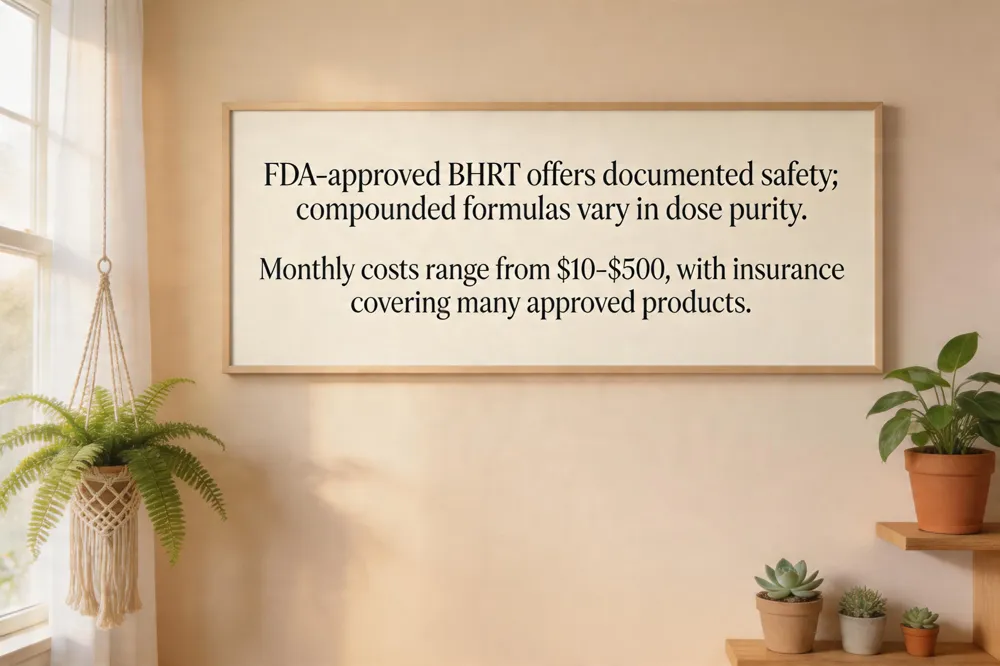
FDA‑Approved vs. Compounded Products FDA‑approved BHRT products are manufactured under strict quality‑control standards, with documented safety and efficacy data. Compounded preparations are custom‑mixed by pharmacies, lack consistent regulatory oversight, and can vary in dose and purity. While some patients seek compounded formulas for perceived personalization, scientific evidence does not support superior outcomes and dosing variability may increase risk.
Safety and Efficacy Clinical trials show that transdermal estradiol combined with micronized progesterone improves mood and reduces anxiety when started near menopause (the "critical window"). Risks—such as clotting, stroke, and breast cancer—are similar to traditional hormone therapy and depend on age, health history, and formulation route. Choosing an FDA‑approved regimen under a qualified clinician provides the most reliable balance of benefit and safety.
BHRT for Mood Swings in Perimenopause
 Bioidentical hormone therapy (BHRT) has become a cornerstone for women who experience emotional volatility during the perimenopausal transition.
Clinical evidence for mood improvement – Randomized, placebo‑controlled trials consistently show that transdermal estradiol reduces depressive symptoms in 80% of participants versus 22% on placebo, with significant enhancements in anxiety scores and overall psychological well‑being. Observational data, though mixed, reinforce these findings when therapy is started early.
Transdermal estradiol advantages – Transdermal estradiol skin‑patch or gel delivery bypasses first‑pass hepatic metabolism, preserving active estradiol levels, minimizing clotting risk, and more closely mimicking pre‑menopausal hormone patterns than oral conjugated equine estrogen.
Critical window hypothesis – Initiating BHRT within three years of the final menstrual period (or before age 60) yields the greatest mood benefit; delayed start (>5 years after menopause) diminishes efficacy. The Kronos Early Estrogen Prevention Study (KEEPS is testing this timing principle.
Combination with micronized progesterone – Micronized progesterone (instead of synthetic progestins) avoids antagonizing estradiol’s positive mood effects and adds anxiolytic, GABA‑mediated calming. Women using estradiol + micronized progesterone report fewer irritability episodes and better sleep quality.
Answers to key questions –
- HRT mood swings perimenopause: Restoring fluctuating estrogen and progesterone levels stabilizes serotonin and dopamine pathways, reducing irritability and depressive spikes when therapy is personalized.
- Hormone replacement therapy mood swings: Early estrogen‑based HRT boosts serotonin receptor activity, leading to fewer severe mood swings; lifestyle support maximizes benefit.
- Estrogen HRT mood swings: Initial adjustment may cause transient emotional sensitivity, but most women achieve balanced moods as hormone levels steady.
- Does HRT help with mood swings and depression: Yes—estrogen combined with micronized progesterone improves neurotransmitter regulation, lowering anxiety and mild‑to‑moderate depression, though it is not a substitute for treatment for major depressive disorder.
A patient‑centered, integrative plan that blends BHRT, regular monitoring, nutrition, exercise, and stress‑reduction techniques offers the most reliable route to emotional stability during perimenopause.
Integrative Practitioners and Functional Testing
 Women's hormone health practitioner
A women’s hormone health practitioner is a clinician who evaluates the endocrine system that drives menstrual health, mood, metabolism and aging. Using integrative tools such as advanced hormone panels (DUTCH, serum or saliva), functional‑medicine assessment, and personalized nutrition and lifestyle plans, they uncover root‑cause imbalances like PCOS, perimenopause, adrenal stress or thyroid dysfunction. Natural hormone support, targeted supplements and evidence‑based lifestyle medicine restore vitality, reduce hot flashes, fatigue, mood swings, and promote long‑term well‑being.
Women's hormone health practitioner
A women’s hormone health practitioner is a clinician who evaluates the endocrine system that drives menstrual health, mood, metabolism and aging. Using integrative tools such as advanced hormone panels (DUTCH, serum or saliva), functional‑medicine assessment, and personalized nutrition and lifestyle plans, they uncover root‑cause imbalances like PCOS, perimenopause, adrenal stress or thyroid dysfunction. Natural hormone support, targeted supplements and evidence‑based lifestyle medicine restore vitality, reduce hot flashes, fatigue, mood swings, and promote long‑term well‑being.
Functional medicine women's hormones Functional medicine views women’s hormones as part of an interconnected hypothalamic‑pituitary‑adrenal‑thyroid‑gonadal axis. Comprehensive lab testing, gut‑health assessments, and nutrient profiling reveal stress, diet deficiencies or endocrine‑disrupting chemicals that drive PCPC. imbalance dysfunctionimens hormonal symptoms. Personalized plans combine whole‑food nutrition, exercise, stress‑reduction, adaptogenic herbs and bio‑identical hormone therapy to restore harmony, improve energy and mood.
Integrative women’s health near me If you’re searching locally, start with clinics that blend evidence‑based medicine with naturopathic options—Birmingham Integrative Health, MiBella Wellness Center, or MedHelp Women’s and Wellness. These practices offer functional testing, personalized hormone consultations, and holistic wellness programs that address mood swings, bone health, and overall vitality.
Integrative women’s health book “Integrative Women’s Health,” edited by Victoria Maizes and Tieraona Low Dog, provides a comprehensive, evidence‑based guide for clinicians and patients. It covers menstrual and menopausal symptoms, nutrition, mind‑body techniques, herbal therapies, and lifestyle strategies, offering practical recommendations that align with personalized, integrative care.
Risks, Costs, and Medication Landscape
 Hormone therapy for women – side effects
Most women tolerate Hormone therapy well, but common estrogen‑related effects include headaches, breast tenderness, nausea, mood swings, leg cramps, skin rash, and occasional vaginal spotting or itching. Adding a progestogen can bring irregular bleeding, dizziness, acne, and gastrointestinal upset. Symptoms are usually mild and improve after a few weeks, but persistent or severe signs—such as unusual bleeding, rapid weight gain, or leg pain—should prompt a provider visit.
Can HRT cause depression and anxiety?
Evidence does not show HRT as a direct cause of mood disorders, though some studies note a modest rise in new depression diagnoses during the first year of systemic therapy, especially in women aged 48‑50. Vaginal or uterine‑targeted preparations tend to have neutral or even beneficial mood effects. Close monitoring and integrative support (counseling, lifestyle changes) are advisable for anyone experiencing anxiety or depressive symptoms while on HRT.
Hormone therapy for women – cost
Monthly costs range from $10–$500, depending on formulation, dose, and brand versus compounding. Oral pills and low‑dose patches are most affordable; customized bioidentical creams or pellets are pricier. Insurance usually covers FDA‑approved products after prior authorization, while compounded options often require out‑of‑pocket payment.
Hormone therapy for women – medication forms
Therapy can be oral, transdermal (patch, gel, spray), vaginal, injectable, or sub‑cutaneous pellets. Options include estrogen‑only, progestin‑only, and combined estrogen‑plus‑progestin regimens (e.g., estradiol + micronized progesterone). Choice depends on symptom profile, uterine status, and personal health history.
When is hormone therapy commonly used?
HRT is most frequently prescribed to alleviate hot flashes, night sweats, and vaginal dryness during menopause, and to protect bone health. Women with an intact uterus receive combined estrogen‑progestogen therapy to prevent endometrial hyperplasia. Early initiation (within three years of menopause maximizes mood and cognitive benefits while minimizing risks.
Special Situations: Weight Loss, Signs, Depression, Timing, Mood Changes
 Bioidentical hormone therapy (BHT) can support weight‑management when started early in menopause, as transdermal estradiol improves lipid oxidation and may modestly reduce fat gain; combined with personalized nutrition and exercise it enhances overall wellness. Women should consider therapy when they experience frequent hot flashes, night sweats, sleep disruption, persistent brain fog, vaginal dryness, joint discomfort, or mood swings that affect daily life. For depressive symptoms, the most evidence‑based regimen is transdermal estradiol—often paired with micronized progesterone to mimic natural hormone patterns and avoid synthetic progestins that can blunt mood benefits. Emotional improvements usually appear within two to four weeks, with a steadier baseline by month one; ongoing monitoring fine‑tunes dosing. Although BHT is generally mood‑stabilizing, an initial adjustment period can bring temporary irritability if doses are mismatched. Regular check‑ins help keep hormone levels balanced and mood steady.
Locating Care Near You
 Finding the right practitioner for mood‑related menopausal symptoms starts with a personalized, evidence‑based approach.
Functional medicine menopause near me – Functional medicine uncovers the root causes of hormonal imbalance and creates a tailored plan that may include nutrition, lifestyle changes, targeted supplements, and bioidentical hormone therapy. In Denver, reputable options include Functional & Metabolic Medicine of Colorado (Littleton) and Serenity Functional & Integrative Medicine (Centennial). These clinics offer comprehensive hormone testing, long intake visits, and women‑focused care.
Female hormone Specialist Chicago – Dr. Marsha Gorens, M.D., blends functional‑medicine principles with conventional OB/GYN care, offering individualized bioidentical hormone replacement therapy, anti‑aging protocols, and mind‑body strategies. Her office at 300 S Ashland Ave Suite 502 welcomes patients seeking mood stabilization, sleep improvement, and overall well‑being.
Hormone therapy for women near me – In Albany, NY, The Stram Center and UpState of Health provide integrative HRT—including bioidentical estradiol and micronized progesterone—combined with nutrition, acupuncture, and lifestyle counseling. Initial consultations include lab testing, symptom review, and customized dosing.
Use online directories, Yelp, or direct office calls to verify services, insurance, and telehealth options for a care plan that fits your unique hormonal profile.
Putting It All Together – Decision Making
 Making a choice about hormone therapy starts with a thorough, patient‑centered assessment: review age, time since menopause, symptom severity, personal and family medical history, and baseline hormone levels. Early initiation (within three years of menopause) and using bioidentical transdermal estradiol combined with micronized progesterone provide the strongest mood‑benefit signal while minimizing clotting risk. Once a regimen is started, schedule regular follow‑ups every 3–6 months to monitor mood scales, breast and uterine health, lipid panels, and hormone labs, adjusting dose or route (patch, gel, or pellet) as needed. Integrative resources— functional‑medicine labs, stress‑reduction techniques, nutrition counseling, and mindfulness—can amplify therapeutic gains. Empower patients to track symptoms, ask questions, and partner with a qualified clinician, ensuring the therapy remains aligned with their evolving health goals.
Putting It All Together: A Personalized Path to Emotional Balance
Key takeaways
- Bioidentical hormone therapy (BHT), especially transdermal estradiol combined with micronized progesterone, consistently improves mood, reduces anxiety, and stabilizes affective symptoms in peri‑ and post‑menopausal women.
- Initiating therapy within three years of menopause (the “critical window”) maximizes benefits and minimizes cardiovascular and clotting risks.
- Transdermal delivery bypasses first‑pass liver metabolism, offering better serotonin estradiol levels and a lower clotting profile than oral conjugated equine estrogen.
- Lifestyle pillars—regular exercise, sleep hygiene, stress‑reduction, and a nutrient‑dense diet—synergize with BHT to enhance emotional well‑being.
Next steps for readers
- Schedule a comprehensive evaluation (symptom questionnaire, baseline hormone panel, breast/uterine health review).
- Discuss personalized BHT options (dose, route, timing) with a qualified clinician experienced in integrative women’s health.
- Implement supportive habits (daily aerobic activity, mindfulness practice, omega‑3 intake) and set a follow‑up schedule every 3–6 months to fine‑tune therapy.
Additional resources
- The North American Menopause Society (NAMS) guidelines on hormone therapy timing.
- Mayo Clinic’s overview of bioidentical hormone safety.
- Local integrative health centers offering personalized hormone testing and counseling.