Start With Your Experience
Hot flashes and night sweats are common during menopause, but their timing and impact vary. They may interrupt sleep, affect concentration, or make everyday activities uncomfortable.
Begin by noticing what happens before and during an episode: the time of day, possible food or drink triggers, stress, room temperature, and how well you slept. Simple steps such as dressing in layers, keeping a fan nearby, or limiting personal triggers may help. ACOG’s guidance on hot flashes also recommends discussing treatment options with an ob-gyn.
A naturopathic approach can add individualized support, including attention to nutrition, sleep, and stress, without promising a cure or replacing medical care. At harmony.care, naturopathic care considers possible underlying contributors rather than treating each symptom in isolation; persistent or disruptive symptoms deserve discussion with a qualified clinician.
Practical Ways to Ease an Episode
 A few practical adjustments may make hot flashes and night sweats easier to manage. Keep the bedroom cool, use a fan, and choose breathable sleepwear. Dress in removable layers so you can cool down quickly when an episode begins. These approaches align with ACOG’s guidance on hot-flash relief.
Notice whether alcohol, caffeine, spicy foods, warm rooms, or stress seem to trigger or worsen your symptoms. Responses vary, so a simple symptom diary can help you spot personal patterns without requiring you to avoid foods or drinks that do not affect you.
When a flash starts, move somewhere cooler, loosen a layer, sip cold water, or place a cool cloth on your face or neck. Slow, steady breathing may also help ease the intensity, particularly when stress is a trigger. For more ideas on managing an episode, see these practical hot-flash strategies.
Regular physical activity and stress-management practices may support overall symptom management. Avoiding nicotine is also worth discussing as part of a broader wellness plan. At harmony.care, naturopathic and functional medicine care takes a personalized approach to women’s health, considering symptoms and overall health rather than treating each concern in isolation.
If symptoms regularly disrupt sleep or daily life, talk with a healthcare professional. Menopausal hormone therapy can be effective for many people, while nonhormonal prescription medicines may suit others. A clinician can help weigh potential benefits and risks in light of your health history and preferences.
Food Choices and Herbal Supplements
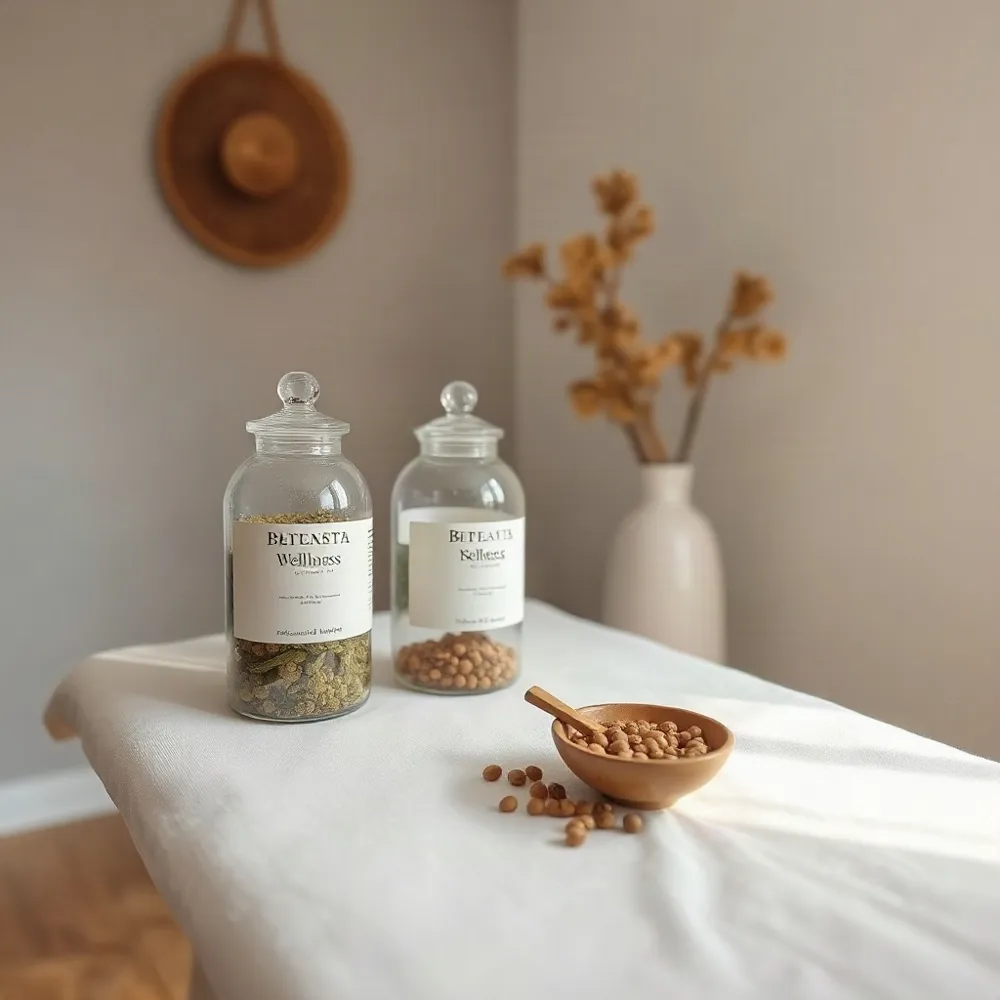 Soy foods such as tofu, edamame, and soybeans contain isoflavones, plant compounds with estrogen-like activity. Some people may find soy foods helpful, but research has not established them as a reliable treatment, and results for soy supplements are also mixed. A [reported 12-week study of 84 postmenopausal women](https://www.everydayhealth.com/menopause/natural-ways-manage-menopause-hot-flashes-night-sweats/) found a large reduction in moderate-to-severe hot flashes among participants following a low-fat vegan diet that included daily soybeans. Since the study tested a combined dietary pattern, the result cannot be credited to soy alone or assumed to apply to everyone.
A balanced diet can support general health, but no food has been shown to reliably prevent hot flashes. For a broader discussion of soy and the limits of evidence for plant-based remedies, see this guide to food choices and herbal supplements.
Evidence for black cohosh and red clover is limited or mixed, and remedies such as dong quai and evening primrose have not been established as reliable options. The American College of Obstetricians and Gynecologists’ guidance on hot flashes notes that only a few herbal products have been studied for safety and effectiveness.
Natural products can still cause side effects or interact with medicines. Discuss supplements with a healthcare professional before trying them, especially if you take medication or have a health condition. A personalized naturopathic approach, such as the care described by harmony.care, considers symptoms and possible underlying factors rather than treating a supplement as a guaranteed fix. If symptoms disrupt sleep or daily life, a clinician can help weigh options that fit your health history and preferences.
Symptoms After Hysterectomy
 Hot flashes after a hysterectomy depend in part on whether one or both ovaries were removed. Removing both ovaries can cause an abrupt drop in hormones, bringing on sudden hot flashes and night sweats. If one or both ovaries remain, immediate surgical menopause is less likely, but ovarian function may decline earlier than it otherwise would.
If symptoms begin after surgery, discuss them with your healthcare provider rather than assuming they are part of recovery. Hormone therapy may help, but whether it is appropriate depends on your medical history, cancer risk, and the type of surgery. The NHS guidance on menopause treatment notes that treatment choices, including hormone therapy, depend partly on whether someone has had a hysterectomy.
When hormones are not suitable or you prefer not to use them, prescription options such as certain antidepressants, gabapentin, or clonidine may be discussed with a clinician. Practical steps can also help: wear removable layers, keep the bedroom cool, and note whether personal triggers such as alcohol or caffeine worsen symptoms. The American College of Obstetricians and Gynecologists’ advice on hot flashes describes cooling strategies and medication options.
A personalized plan should account for the symptoms themselves as well as healing, sleep, and other recovery needs. At harmony.care, naturopathic and functional medicine care takes a broader view of women’s health, helping place menopause symptoms in the context of a person’s overall health.
Choosing Medication With a Clinician
When hot flashes disrupt sleep or daily life, medication can be part of the plan. Menopausal hormone therapy is generally the most effective treatment for hot flashes, but it is not suitable for everyone. A clinician can review how it may fit your health history and preferences, as described in this ACOG treatment guidance.
For people with a uterus, estrogen therapy must be paired with a progestogen to protect the womb. If hormone therapy is unsuitable or not preferred, nonhormonal prescription options may include certain antidepressants, gabapentin, oxybutynin, or fezolinetant. These medicines work differently and have different possible side effects; suitability depends on individual circumstances.
Choosing among treatments is a shared decision. Discuss symptom severity, medical and family history, other medicines, health risks, and what matters most to you. Ask what benefits to expect, what side effects to watch for, and whether the chosen treatment requires monitoring. A clinician can also help assess whether a new or changing symptom needs further evaluation.
Cooling strategies, avoiding personal triggers, and stress-management practices may complement medical treatment. They are not a reason to put off care when symptoms remain disruptive. At harmony.care, naturopathic and functional medicine care considers symptoms alongside broader health and can help patients discuss supportive measures as part of an individualized plan.
Make the Plan Personal
No single natural remedy or treatment works for everyone. Keeping a brief record of symptoms, sleep, and possible triggers can help you notice patterns and decide which changes are worth trying.
Start with practical, low-risk adjustments that suit your routine, such as dressing in layers or keeping your bedroom cool. If symptoms disrupt daily life or sleep, discuss treatment options with a qualified healthcare professional. The American College of Obstetricians and Gynecologists’ guidance on hot flashes recommends reviewing medication risks and benefits with an ob-gyn.
Tell your clinician about any herbs or supplements before taking them, since products can have side effects or interact with medicines. At harmony.care, naturopathic care considers possible root causes and individual health needs alongside symptom management. A personal plan may combine lifestyle support, prescription treatment, or both, and can be adjusted as your needs change.