A New Era of Integrated Women’s Wellness
The 2026 wellness landscape is defined by a shift toward whole‑person care that blends data‑driven prevention with ancient healing wisdom. Advanced diagnostics—hormone panels, microbiome sequencing, metabolic profiling—identify risks before symptoms appear, while integrative mind‑body tools such as acupuncture, breathwork, and energy‑balance assessments address the nervous system and emotional health. Key trends shaping this era include cross‑modality healing (nutrition, movement, energy medicine), personalized longevity programs that support cellular health and hormonal balance, and corporate wellness models that prioritize stress‑reduction and nervous‑system regulation. Together, these approaches empower women to achieve sustainable healthspan, mental clarity, and resilient wellness.
Lifestyle Shifts & Global Wellness Trends in 2026
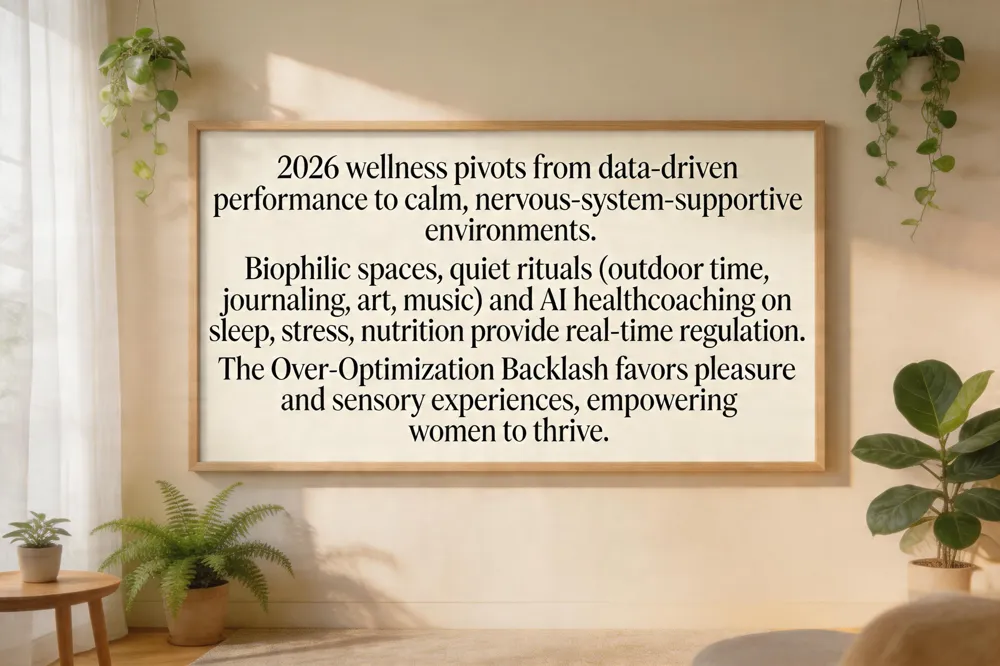 In 2026 women’s wellness is moving away from relentless data‑driven performance toward calm, supportive environments that nurture the nervous system. Biophilic spaces, natural materials, and uncluttered interiors act as "quiet armor," while daily rituals—outdoor time, journaling, art‑making, and intentional music—provide real‑time mood and energy regulation. AI‑assisted health coaches deliver continuous feedback on sleep, stress, and nutrition, and subscription‑based health memberships blend functional medicine, naturopathy, and personalized coaching into seamless, on‑demand care.
The Global Wellness Summit’s "Future of Wellness" report highlights an "Over‑Optimization Backlash", where consumers prioritize pleasure, emotional repair, and sensory experiences over pure metrics.
A "Year of Women" underscores women’s central role in longevity research, with dedicated diagnostics for ovarian aging and a surge in women‑focused sports. Awareness of micro‑plastics as endocrine disruptors is rising, prompting dietary and environmental interventions to reduce systemic inflammation.
The "Festivalization of Wellness" brings collective joy through music, dance, and community immersion, while fragrance layering and multi‑sensory wellbeing immersion restore embodied care.
Real wellness in 2026 therefore blends low‑tech rituals with cutting‑edge functional lab testing, offering women a balanced path to thriving health.
Trending products—smart sleep tools (Oura Ring 4, Hatch Restore 3), adaptive home‑gym systems (Tonal 2), and functional nutrition (adaptogen‑infused drinks, probiotic beverages)—support gut health, hormonal balance, and cognitive clarity.
The overarching trend is functional nutrition as medicine, empowering women to use food, supplements, and personalized plans to prevent disease, support fertility, and enhance healthy aging.
Integrative Medicine & Functional Care for Women
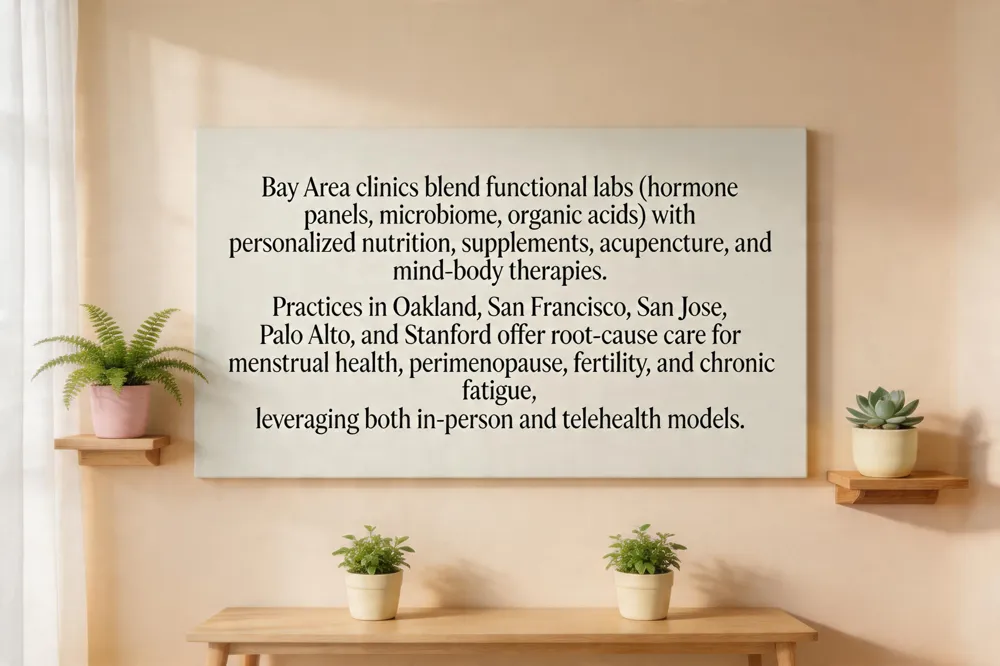 Women today are turning to integrative, evidence‑based care that blends functional medicine, naturopathy, and acupuncture to address hormonal balance, gut health, and overall vitality. Below are concise answers to common questions about functional and integrative services in California’s Bay Area.
Functional Medicine Oakland Clinics such as Optimized Wellness Center and Bay Area Functional Medicine offer whole‑person assessments—thyroid, adrenal, hormone panels, food‑sensitivity, organic‑acid testing—and combine results with personalized nutrition, supplements, chiropractic, ionic foot baths, and laser therapy. This model targets root causes of menstrual irregularities, mood disorders, and chronic fatigue, empowering women to achieve lasting wellness.
Functional Medicine Bay Area Practices like Dr. Esquivel’s Oakland office and Dr. Vinh Ngo’s Smart Medicine in San Francisco provide systems‑biology‑based labs integrated with diet, lifestyle, and herbal protocols. Women benefit from tailored plans that address hormonal imbalances, perimenopause, and fertility, using both in‑person and telehealth options for flexible access.
Functional Medicine San Jose San Jose Integrative Medicine and Advanced Health Center deliver comprehensive gut, metabolic, and inflammatory profiling, then design individualized nutrition, supplement, and hormone‑balancing strategies. This approach aligns with Harmony.care’s focus on naturopathic and functional therapies for long‑term energy and resilience.
Integrative Medicine Palo Alto Palo Alto Integrative Medicine Center and Stanford’s Center for Integrative Medicine merge conventional care with acupuncture, hormone optimization, gut restoration, and mind‑body programs. Faculty‑led, evidence‑based treatment plans support women through every life stage, from fertility to menopause.
Stanford Integrative Medicine SCIM offers a collaborative team of physicians, a physician‑naturopath, psychiatrists, and nutritionists who integrate acupuncture, mindfulness, and nutrition counseling with standard medical management, improving outcomes for autoimmune, gut, and hormonal concerns.
Women’s Health OB/GYN Harmony Care blends traditional OB/GYN services with functional‑medicine principles, providing preventive screenings, hormonal balancing, fertility support, and menopause management alongside nutrition, lifestyle, and mind‑body wellness.
Women’s Holistic Health Practitioner These practitioners combine naturopathy, functional medicine, and integrative wellness to create personalized plans—nutritional counseling, herbal medicine, supplements, and lifestyle changes—targeting reproductive health, hormonal balance, and overall well‑being.
Bay Area Functional Medicine Reviews Patients rate Bay Area Functional Medicine in Milpitas 4.8 stars, praising root‑cause solutions for chronic pain, anxiety, and digestive disorders. Other highly rated clinics include Peninsula Integrative Medicine and Core Wellness Functional Medicine, both emphasizing individualized, evidence‑based care.
Women’s Holistic Health Near Me In New York City, top options such as Holistic Gynecology New York, TārāMD, and Cohen Medical Practice integrate functional labs, bioidentical hormone therapy, acupuncture, and mindfulness to support women’s health across the lifespan.
Hormonal, Reproductive & Menopause Mastery
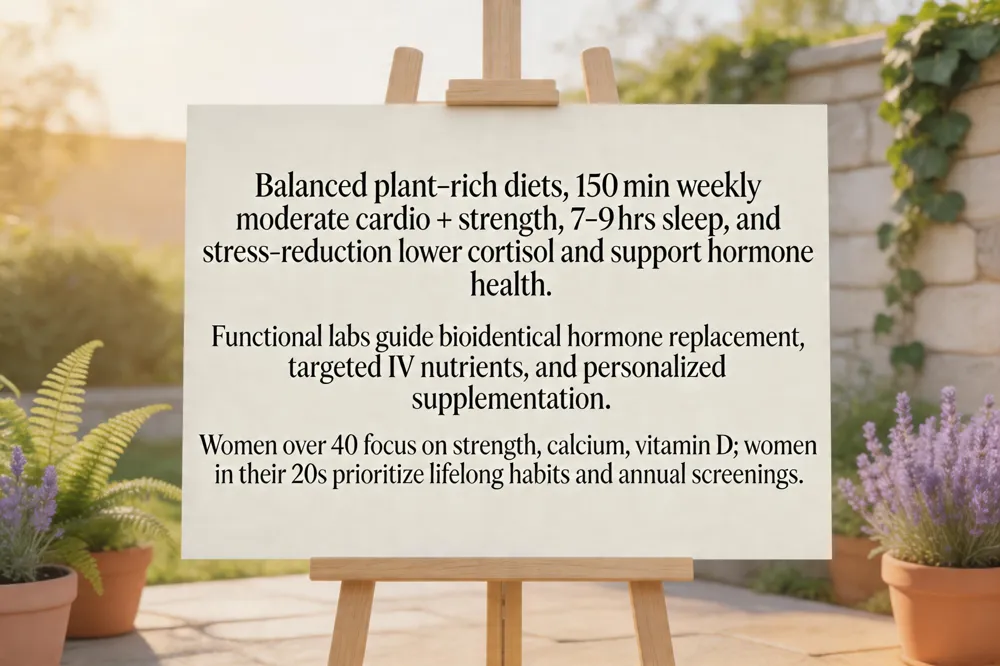 Female reproductive health thrives on a balanced, plant‑rich diet, regular moderate movement, and stress‑reduction practices. Maintaining a healthy weight with leafy greens, fruits, whole grains, lean protein and 8‑10 cups of water supports optimal hormone function and cervical fluid; limiting alcohol, caffeine (<200 mg/day) and quitting smoking protects ovulation and egg quality. Mind‑body techniques such as yoga, meditation, or breathwork lower cortisol, improve sleep (7‑9 hrs/night), and promote emotional resilience.
Best practices for women’s health across the lifespan combine whole‑food nutrition, 150 minutes of moderate cardio plus strength training 2‑3 times weekly, restorative sleep, and regular hydration. Age‑appropriate screenings—Pap smears, mammograms, bone‑density tests, thyroid panels, and lipid checks—enable early detection of disease. Functional‑medicine labs (hormone panels, microbiome sequencing, micronutrient testing) guide personalized supplementation, bioidentical hormone replacement, and targeted IV nutrient therapy for hormonal balance and menopause symptom relief.
For women over 40, prioritize strength training, calcium (1,000 mg) and vitamin D, and cardiovascular exercise to preserve bone density and heart health. Women in their 20s should focus on establishing lifelong habits: whole‑food meals, 7‑9 hrs sleep, cardio and strength sessions, and annual wellness exams.
Finding a functional‑medicine menopause specialist near you—such as clinics in Tulare, Visalia, or other U.S. cities—offers integrative diagnostics, bioidentical hormones, acupuncture, and supportive bodywork. Together, these pillars—sleep, nutrition, gut health, movement, stress management, and body work—create a resilient foundation for women’s mind, body, and heart.
Mind‑Body, Movement & Stress Management
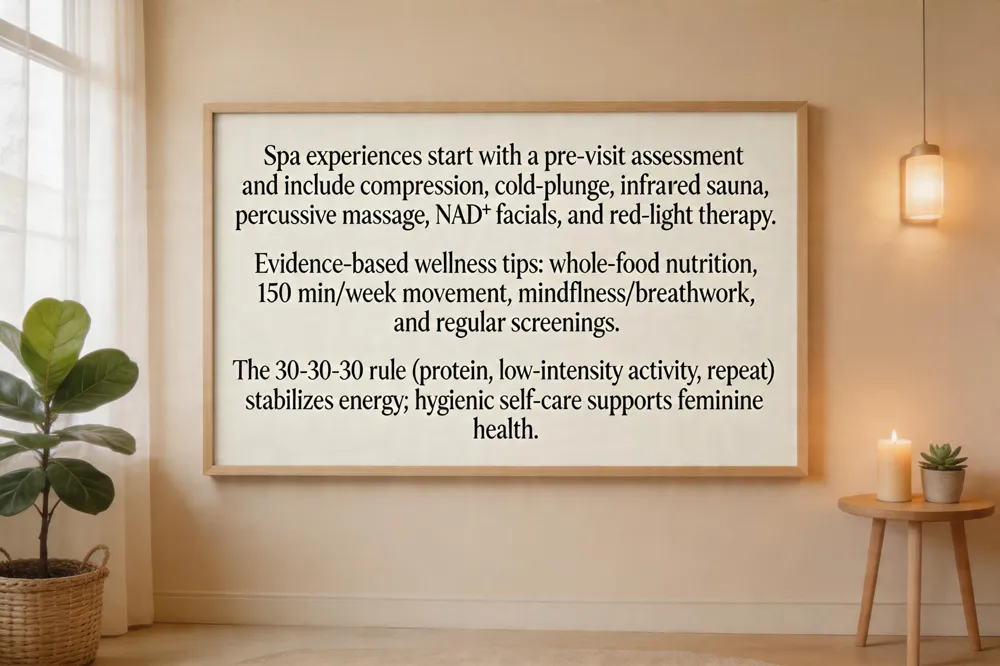 Key spa and wellness trends for 2026 – Spa experiences now begin with a pre‑visit assessment that tailors a sequence of recovery‑focused modalities: compression, cold‑plunge, infrared sauna, percussive massage, cellular‑level facial treatments, lymphatic drainage, NAD⁺ facials, and red‑light therapy. Multi‑sensory rooms blend soundscapes, chromotherapy, scent layering and temperature contrast, while minimalist luxury designs and tech‑assisted relaxation tools make the experience both cutting‑edge and shareable.
Wellness trends that actually work – Evidence‑based approaches include personalized functional nutrition (gut‑supportive, anti‑inflammatory foods), regular moderate‑intensity exercise with strength training, daily mindfulness or breathwork, and individualized integrative consultations that target root causes rather than symptoms.
Wellness tips for women – Eat a diverse, whole‑food diet, aim for 150 min/week of movement, secure 7‑9 hrs of sleep, practice stress‑reduction (yoga, meditation, deep‑breathing), stay up‑to‑date with screenings (Pap, mammogram, lipid panels), avoid tobacco and excess alcohol, and stay hydrated.
5 major strategies to promote health – 1️⃣ Preventive education and community fairs; 2️⃣ Expanded access via telehealth and mobile clinics; 3️⃣ Group lifestyle programs; 4️⃣ Strengthened mental‑health support; 5️⃣ Partnerships with schools, businesses, and nonprofits.
30‑30‑30 rule – Within 30 min of waking consume ~30 g protein, follow with 30 min low‑intensity activity (brisk walk or gentle yoga), and repeat daily to stabilize energy and metabolism.
Hygienic self‑care – Use gentle, unscented soap, clean the external vulva front‑to‑back, wear breathable cotton underwear, avoid douching, and practice hand hygiene. Complement with probiotic‑rich foods, adequate water, and stress‑reduction practices for overall feminine well‑being.
Nutrition, Gut Health & Immune Optimization
 In 2026 the leading holistic health trends focus on whole‑body alignment that blends nutrition, microbiome science, and skin‑centric care. A whole‑food diet—rich in colorful vegetables, fruits, lean proteins, healthy fats, and fiber—provides anti‑inflammatory nutrients that support hormone balance, cardiovascular health, and immune resilience (Nature Reviews Endocrinology; CDC).
Microbiome & detox strategies now emphasize personalized gut profiling (microbiome sequencing, metabolic panels) to identify dysbiosis and guide probiotic‑rich foods, prebiotic fibers, and therapeutic fasting. Supporting gut barrier integrity helps estrogen metabolism, reduces systemic inflammation, and lowers exposure to endocrine‑disrupting microplastics (Global Wellness Summit; AHA).
Skin health is viewed as a mirror of internal wellness. Integrative protocols combine nutrition, gut‑health optimization, and targeted supplements (omega‑3s, vitamin D, antioxidants) with topical botanicals to address acne, eczema, and premature aging (Frontiers in Psychology).
Wellness tips for women: 1) Eat a varied, nutrient‑dense diet; 2) Move at least 150 min/week of moderate activity; 3) Prioritize 7‑9 hours of restorative sleep; 4) Practice daily stress‑reduction (mindfulness, breathwork); 5) Stay hydrated (2‑3 L/day); 6) Schedule routine screenings (Pap, mammogram, lipid panel).
Women’s health problems and solutions: Heart disease, hormonal disorders (PCOS, perimenopause), and gut‑related inflammation are common. A personalized, integrative approach—combining functional lab testing, nutrition counseling, acupuncture, and evidence‑based supplements—addresses root causes, restores hormonal balance, and improves fertility and quality of life (Functional Medicine journals; Saffron & Sage).
Community, Corporate Wellness & Lifestyle Integration
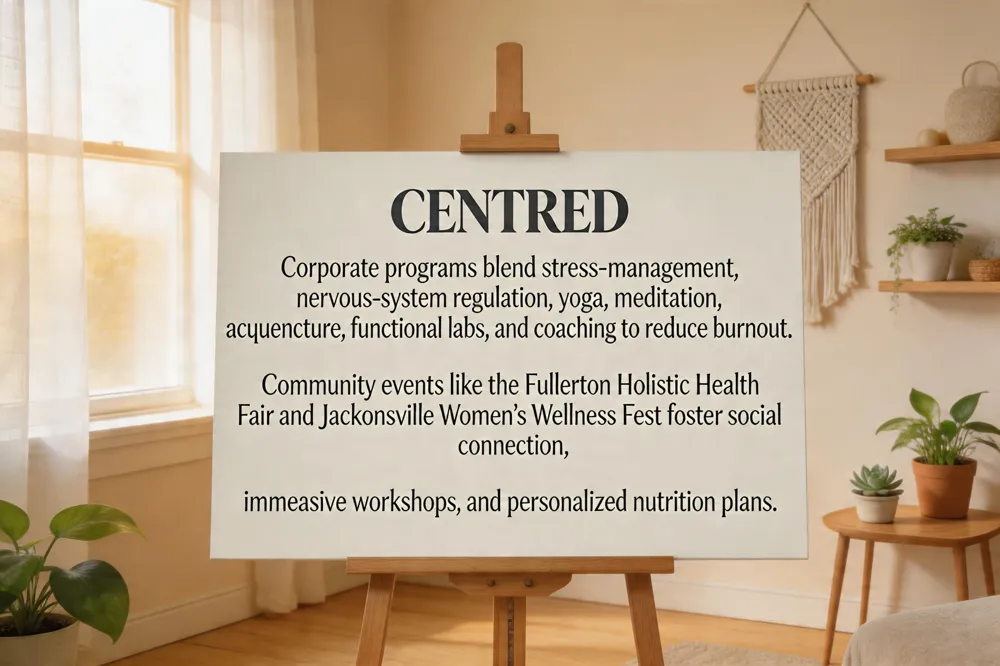 Corporate wellbeing programs for hybrid work models prioritize stress management, nervous‑system regulation, and evidence‑based integrative therapies to boost employee productivity and resilience. They often feature on‑site or virtual yoga, meditation, breathwork, acupuncture, functional lab testing, and personalized coaching, reducing burnout and improving sleep.
Women’s Health Fair tickets, Sunday, February 15: The 2026 Holistic Health Fair in Fullerton, CA offers personalized nutrition plans based on functional lab testing, mindfulness meditation, yoga, breathwork, low‑impact cardio, strength training, pelvic‑floor exercises, sleep optimisation, gut health management, liver‑supportive detoxification, acupuncture, Reiki, and functional assessments. Community connection and purposeful social engagement foster emotional resilience and overall wellness.
Women’s Wellness Fest – Natural Awakenings Magazine: Held March 8, 2026 at SeaWalk Pavilion, Jacksonville Beach, FL, this International Women’s Day celebration provides yoga, meditation, expert talks, and immersive workshops on mind‑body‑spirit balance. General admission ($79) includes main‑stage access, a wellness marketplace, and up to three workshops, delivering a community‑driven, festival‑style wellness experience.
Wellness trends that actually work: Evidence‑based practices such as functional nutrition, personalized exercise regimens, mindfulness meditation, and targeted integrative therapies have demonstrated measurable improvements in hormone balance, bone density, stress resilience, and overall health for women.
Health and wellness 2026: The landscape now emphasizes functional nutrition, personalized wellness plans, digital‑first fitness, holistic stress‑relief, and sustainability, empowering women to take proactive, comprehensive control of their health while aligning with modern, environmentally conscious values.
Integrating the Nine Essential Practices
Personalized diagnostics—such as hormone panels, microbiome sequencing, and metabolic profiling—let clinicians spot imbalances before symptoms appear, guiding targeted nutrition, acupuncture, and supplement plans. Whole‑person care weeds these data with mind‑body tools (breathwork, meditation, movement), sleep hygiene, and stress‑reduction techniques, creating a seamless health picture that honors each woman’s unique cycle and life stage. Community empowerment ties the individual journey to collective resilience: group classes, wellness retreats, and corporate programs foster peer support, shared learning, and accountability, amplifying the benefits of personalized, evidence‑based interventions and turning wellness into a shared, sustainable experience.