Introduction
Holistic health treats the whole person—mind, body, and spirit—as an interconnected system, recognizing that nutrition, movement, sleep, stress management, and emotional well‑being all influence women’s hormonal and metabolic balance. Integrative medicine builds on this foundation by blending evidence‑based functional testing, naturopathic therapies, acupuncture, and personalized nutrition to address root causes of issues such as PCOS, perimenopause, and bone health. In 2026, key wellness trends for women include continuous hormone monitoring patches, smart reformer workouts with real‑time feedback, senior‑focused functional fitness events, medically supported “med‑cations” for menopause, advanced sugar‑free hydration tracking, mitochondrial‑supportive supplements, and low‑dose creatine to sustain muscle, bone, and cognitive health.
Integrative Hormonal Health
 Functional medicine doctors do help with hormones. By viewing the body as an interconnected system, they assess the hypothalamic‑pituitary‑adrenal‑thyroid‑gonadal axis to uncover root causes of estrogen, progesterone, testosterone, and cortisol disruptions. Personalized labs, nutrition, stress‑management, targeted supplements, and bioidentical hormone therapy are combined to restore balance, especially for PCOS, perimenopause, and testosterone deficiency.
Functional medicine treats perimenopause as a whole‑body transition. Practitioners use comprehensive testing to map hormonal shifts and then prescribe a nutrition plan rich in phyto‑estrogens, omega‑3s, fiber, calcium, and vitamin D. Supplements such as magnesium, B‑vitamins, and adaptogenic herbs, along with regular movement, sleep hygiene, and mindfulness, are tailored to each woman’s genetics and lifestyle. When appropriate, bioidentical hormone therapy is integrated into a broader, patient‑centered plan to ease hot flashes, mood swings, and sleep disturbances while protecting bone and metabolic health.
Insurance rarely covers functional‑medicine care because longer visits, extensive counseling, and specialized labs fall outside standard billing codes. Some insurers may reimburse individual lab panels, but most patients pay out‑of‑pocket or use HSA/FSA funds. Many clinics adopt a Direct Primary Care or concierge model, charging a flat monthly fee that bypasses insurance altogether.
Neurowellness & Stress Management
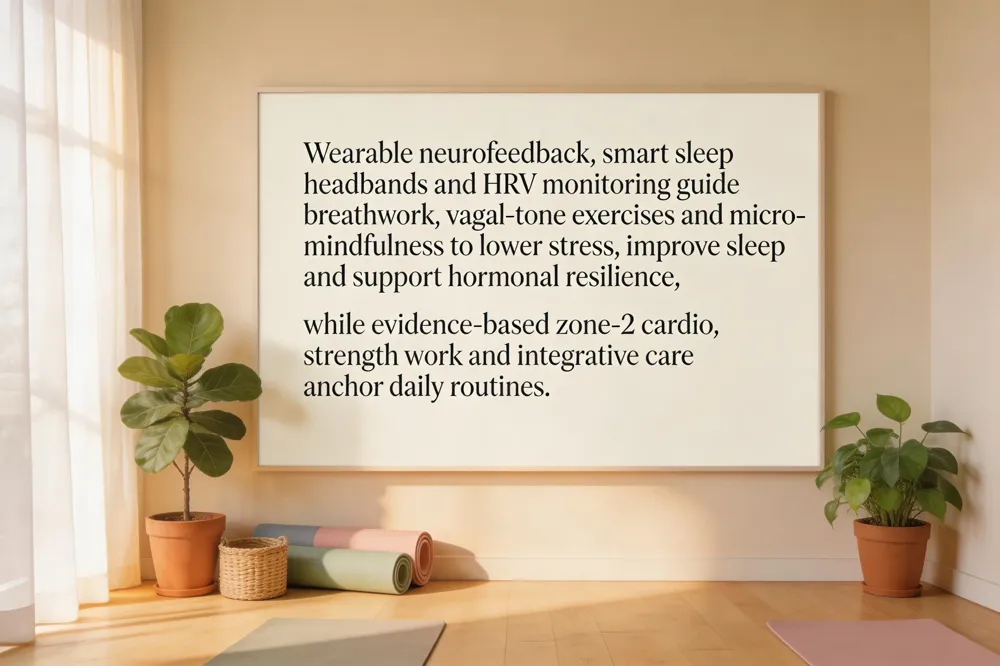 Neurowellness technology is reshaping women’s self‑care by using wearable neurofeedback and smart sleep headbands to monitor heart‑rate variability, cortisol rhythms and brain‑wave patterns. Real‑time data guide breathwork and vagal‑tone exercises—such as 4‑7‑8 breathing and paced exhalation—to engage the parasympathetic nervous system, lower stress and improve sleep quality. Micro‑mindfulness moments, like a three‑minute breathing pause before a meeting or a brief nature‑view break during a commute, embed stress‑reduction into daily routines without demanding extra time.
Lifestyle trends 2026 focus on neurowellness, metabolic health and longevity, pairing gentle movement (yoga, mobility drills, cold‑plunge recovery) with cognitive‑rest cycles and sleep tracking. Social‑media influence on health trends spreads both evidence‑based guidance and hype; platforms raise awareness of PCOS, hormonal balance and burnout, yet also amplify unsafe fads such as dry‑scooping supplements or mouth‑taping. TikTok wellness trends illustrate this mix—viral “nature’s cereal” bowls and spirulina drinks attract attention, but many lack scientific support and can pose risks. The most reliable wellness strategies are those rooted in research: nutrition, zone‑2 cardio, strength work, breath‑based vagal training, and integrative care that blends functional medicine, naturopathy and mind‑body practices.
Personalized Nutrition & Metabolic Health
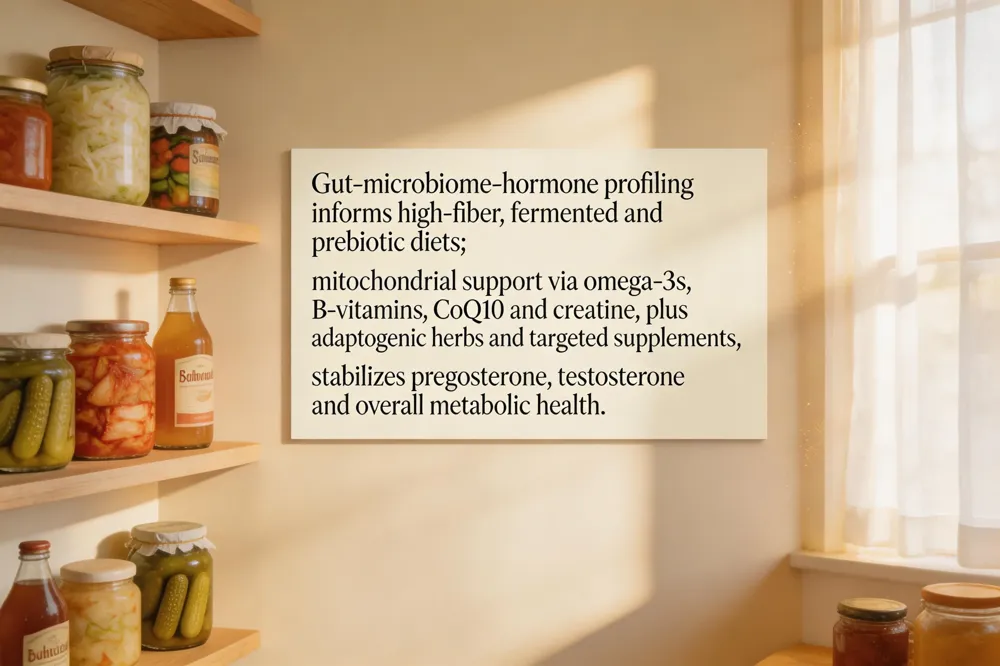 A gut‑microbiome‑hormone axis is now recognized as a cornerstone of women’s health. Functional labs that map microbial diversity, intestinal permeability, and estrogen‑metabolizing bacteria guide individualized nutrition—high‑fiber foods, fermented vegetables, and prebiotic fruits restore a balanced microbiome, which in turn stabilizes progesterone and testosterone cycles.
Mitochondrial support is another pillar: regular movement, quality sleep, and a whole‑food diet rich in omega‑3s, B‑vitamins, and CoQ10 fuel cellular energy, while emerging NAD⁺ precursors remain experimental. For mid‑life women, a daily 3‑5 g creatine dose has strong evidence for protecting muscle, bone, and cognition as estrogen‑related stores wane.
Adaptogenic herbs such as ashwagandha, rhodiola, and holy basil modulate cortisol, enhance stress resilience, and dovetail with smart supplementation strategies—targeted vitamin D, magnesium, and individualized probiotic blends based on lab results.
Best health products 2026 – Red‑light showerheads (HigherDOSE), smart strength systems (Tonal 2), menstrual‑cycle‑synced neuro‑stimulation devices, and infrared plunge tubs together create a holistic, tech‑enabled wellness toolkit.
Functional medicine near me – Search “functional medicine near [city]” and prioritize providers certified by the Institute of Functional Medicine, offering integrated gut, hormone, and toxin panels.
Health and wellness trends 2026 – The focus shifts to pleasure, relational care, neurowellness, and metabolic health, with women‑specific longevity services, AI‑driven biomarkers, and wellness‑residence concepts anchoring the new paradigm.
Movement, Strength, and Recovery
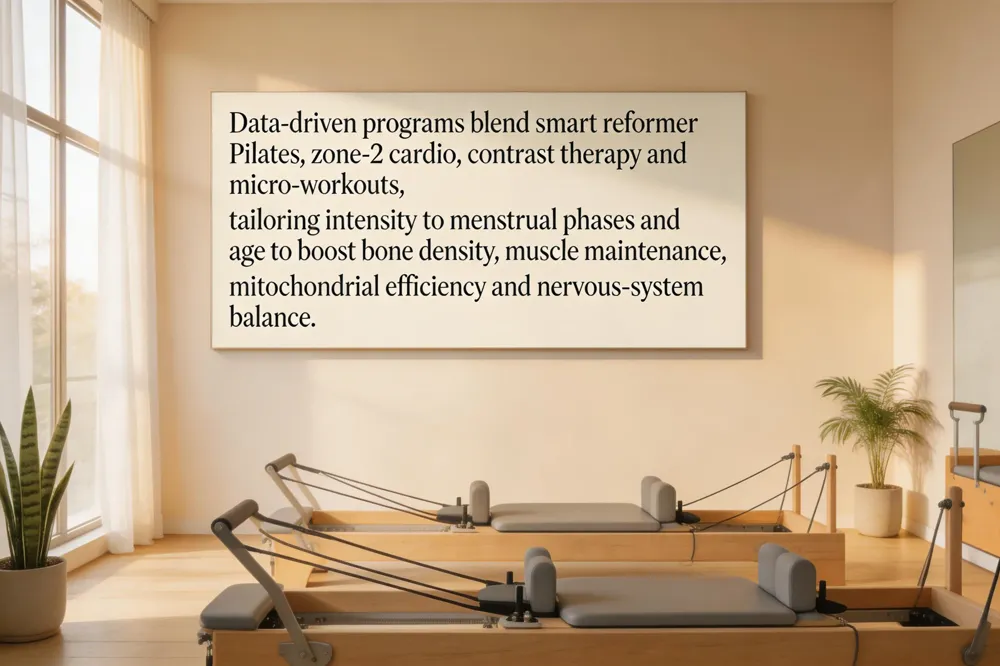 In 2026, movement for women is shifting from generic workouts to personalized, data‑informed programs that blend strength, mobility, and nervous‑system regulation. Smart reformer Pilates equipment—such as Reform RX and Technogym’s leather reformer—delivers app‑guided classes with real‑time technique feedback, allowing women to build full‑body strength while respecting menstrual‑phase energy fluctuations. Senior‑focused functional fitness events like the National Senior Games and Hyrox show that women over 50 can safely engage in high‑intensity, competitive training that improves bone density and metabolic health. Complementary Zone 2 cardio sessions (60–70% max HR) and contrast therapy (sauna heat followed by cold exposure) enhance mitochondrial efficiency and circulation without overstressing the adrenal system. For busy schedules, micro‑workouts and targeted mobility drills—10‑minute bodyweight circuits, ankle‑flexibility flows, and breath‑focused yoga poses—provide consistent stimulus for muscle maintenance, joint health, and stress reduction. Together, these trends embody the 2026 wellness plan: a holistic, evidence‑based routine that integrates smart technology, age‑appropriate intensity, and nervous‑system support to promote lasting strength, recovery, and overall women’s health.
Community, Mind‑Body Practices, and Healing
 Acupuncture and pelvic‑floor health have become cornerstone therapies for women seeking drug‑free relief from menstrual irregularities, fertility challenges and and pelvic pain. Clinics such as Templ Wellness in Houston combine traditional Chinese acupuncture with functional nutrition, reporting improved mood, reduced muscle tension and successful pregnancies when paired with IVF.
Yoga, tai chi, and guided meditation are evidence‑based mind‑body practices that lower cortisol, improve sleep and support hormonal balance across the menstrual cycle. Regular 20‑minute sessions of gentle flow or breath‑focused meditation can reduce inflammation markers by up to 25 % and enhance mental clarity.
Podcast resources for women, exemplified by the Holistic Women’s Health podcast hosted by nutritionist Alex Adele King, deliver weekly episodes on nutrition, hormone balance, gut health and stress reduction. Listeners receive free testing recommendations (DUTCH, GI Map), supplement discount codes and actionable sleep‑and‑stress tips, fostering a supportive online community.
Social support and empowerment thrive in community‑based groups—whether in‑person senior‑games, virtual wellness circles, or micro‑communities focused on perimenopause. Shared experiences, accountability partners and professional guidance create a safe space where women heal holistically, integrating mind, body and spirit to sustain lasting health.
Future‑Ready Wellness Toolkit
 Continuous hormone monitoring devices (e.g., Level Zero’s arm patch) let women track progesterone, estrogen, testosterone and cortisol in real time, revealing cycle variability and early perimenopause signals. Advanced hydration tracking, from sugar‑free electrolyte drinks such as Nonni to Garmin’s pulse‑spectroscopy wearables, ensures functional water intake for active lifestyles and supports metabolic health. Smart neurostimulation tools, including portable EEG headbands and AI‑enhanced sleep sensors, provide personalized nervous‑system regulation and can be synced to menstrual phases for mood balance. Data‑informed health decisions arise from at‑home lab panels and wearable biomarkers that reveal long‑term patterns in glucose, insulin sensitivity, hormone trends and inflammation, guiding targeted nutrition, supplementation and lifestyle tweaks.
Functional medicine women’s health near me Search for integrative clinics listing “functional medicine” and “women’s health.” In Washington, D.C., the GW Center for Integrative Medicine (908 New Hampshire Ave NW, Suite 200) offers hormone‑balancing, naturopathic care, and tele‑medicine; call 202‑833‑5055. Harmony Care (harmony.care) provides virtual functional‑medicine consultations focused on personalized nutrition and stress management.
Trending health products in 2026 Wearable neuro‑tech headbands, personalized neurostimulation devices synced to cycles, red‑light therapy panels, cold‑plunge kits, metabolic‑health tablets and smart supplement dispensers that blend adaptogens based on wearable data dominate the market.
Good health goals for 2026 Adopt a whole‑food, plant‑forward diet; stay hydrated; achieve 150 min of moderate cardio plus strength work weekly; secure 7‑9 hrs restorative sleep; practice daily mindfulness or breathwork; and schedule personalized preventive labs and gut assessments to catch imbalances early.
Conclusion
The seven wellness tips underline that women thrive when they combine evidence‑based nutrition, movement, sleep hygiene, stress‑reduction, and personalized hormone monitoring. Key takeaways: monitor hormonal trends with emerging continuous devices, hydrate intelligently, support mitochondrial health with whole‑food diets and targeted supplements, and use low‑dose creatine for muscle and cognitive resilience. Actionable steps: schedule a functional lab panel, add a daily 10‑minute breath‑work routine, replace sugary drinks with electrolyte‑rich water, and begin a 3‑5 g creatine regimen after consulting a practitioner. By embracing integrative care—blending functional medicine, naturopathic herbs, acupuncture, and technology—readers empower themselves to regulate their nervous system, optimize metabolism, and sustain long‑term healthspan.