Understanding Natural Urgent Care Alternatives
What Are Natural Urgent Care Alternatives?
Natural urgent care alternatives refer to the use of evidence-based, non-invasive, and holistic remedies and therapies to address minor health concerns quickly and effectively without immediately resorting to conventional medications or invasive procedures.
Embracing Holistic and Integrative Approaches
These approaches consider the whole person—body, mind, and spirit—focusing on activating the body's innate healing responses. Integrative care combines conventional medicine with complementary therapies such as herbal remedies, nutritional support, mindfulness, acupuncture, and lifestyle modifications to optimize health outcomes.
Common Conditions Managed Naturally
Many everyday ailments can be safely and effectively managed with natural alternatives including:
- Respiratory issues: Coughs and sore throats treated with honey, licorice, elderberry syrup, or pelargonium.
- Digestive troubles: Nausea and upset stomach relieved by ginger tea or probiotics.
- Muscle and joint pain: Arnica cream or topical anti-inflammatories like turmeric and peppermint.
- Skin irritations: Calendula for eczema, tea tree oil for minor infections.
- Sleep and anxiety: Chamomile tea, lavender aromatherapy, and breathing exercises.
By understanding and adopting natural urgent care alternatives, individuals can confidently manage minor health concerns with personalized, effective, and safe options while maintaining an overall sense of wellbeing.
Key Facts about Natural and Holistic Remedies
- Natural remedies commonly use licorice root, slippery elm, and honey for soothing sore throats and suppressing coughs.
- Licorice reduces inflammation, slippery elm coats the throat, and honey acts as a throat protectant and mild antimicrobial.
- Scientific evidence supports honey's effectiveness in reducing coughs, while licorice and slippery elm have traditional and emerging clinical backing.
- Herbal teas with licorice or slippery elm can be consumed multiple times daily; honey is taken by the teaspoonful or in tea, avoiding use in infants under 1 year.
- Echinacea should be taken early in a cold, elderberry syrup dosed as per instructions, and pelargonium used early, as these support immunity and reduce symptom severity.
- Early use and correct dosage of remedies like echinacea, elderberry, and pelargonium are critical for maximum effectiveness in fighting colds and flu.
- Effective natural remedies for digestive issues include ginger (for nausea) and probiotics (for gut health), consumed as tea, supplements, or fermented foods.
- Topical remedies such as arnica cream (muscle pain), tea tree oil (infections), and calendula (skin irritation) are backed by scientific support for their healing properties.
- Natural approaches to anxiety and sleep include chamomile tea, lavender aromatherapy, deep breathing, and calming music, all supported by scientific research.
- Holistic medicine treats mind, body, and spirit equally, integrating conventional and alternative therapies like herbal remedies, acupuncture, and self-care practices for comprehensive wellness.
1. Soothing Respiratory Discomfort with Herbal Teas and Honey
What natural ingredients are commonly used in natural remedies?
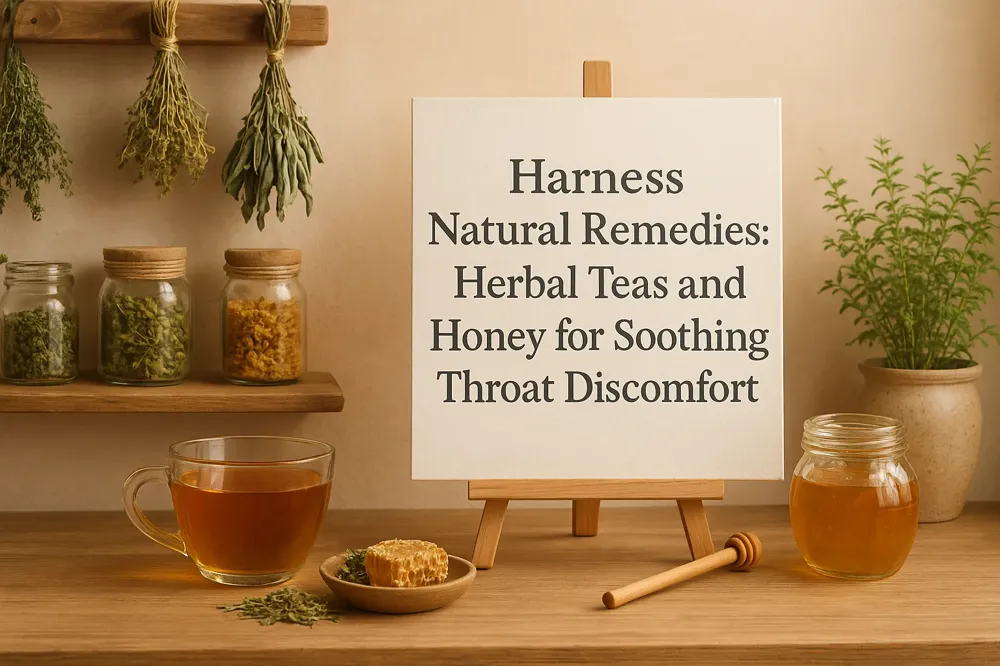
Natural remedies often utilize ingredients such as licorice root, slippery elm, and honey to soothe sore throats and suppress coughs to ease respiratory discomfort. Licorice and slippery elm are favored for their soothing effects on throat irritation, typically prepared as teas to reduce throat irritation. Honey has long been valued for its ability to coat the throat, providing a protective layer that suppresses coughs and alleviates soreness.
How do licorice, slippery elm, and honey work to relieve coughs and sore throats?
Licorice root contains compounds that reduce inflammation and help soothe mucous membranes, easing throat irritation. Slippery elm has mucilage, a gel-like substance that coats and soothes the throat lining, reducing irritation. Honey for sore throats and coughs provides a viscous coating that protects the throat from further irritation and possesses mild antimicrobial properties.
What is the scientific backing for their throat-coating and cough suppression properties?
Scientific studies support honey's effectiveness in reducing coughing, particularly in children over one year old. The soothing coating action reduces the urge to cough and eases discomfort. Licorice and slippery elm have traditional use evidence and some emerging clinical support for reducing throat inflammation, though more research may be needed to confirm their full efficacy.
Recommended uses and dosages
Herbal teas containing licorice or slippery elm can be consumed multiple times daily as needed. Honey is typically eaten by the spoonful or stirred into warm tea, ideally 1 to 2 teaspoons several times per day. It's important not to give honey to infants under 1 year due to the risk of botulism. Consulting a healthcare provider before use is advised, especially for individuals with allergies or underlying health conditions.
2. Harnessing Immune-Boosting Remedies for Cold and Flu Relief

How should echinacea for colds and flu, elderberry syrup for colds and influenza, and pelargonium for cold relief be administered for optimal benefits?
To maximize their effects, echinacea should be taken within the first day or two of cold symptoms. Elderberry syrup is typically dosed according to package instructions, ensuring antiviral properties are effectively utilized. Pelargonium, commonly found in natural cold remedies, is also most effective when started early and used as directed to shorten the duration and lessen the severity of symptoms.
What roles do these remedies play in reducing cold and influenza symptoms?
Echinacea supports the immune system and may reduce the length of cold symptoms. Elderberry syrup contains antiviral compounds that help combat influenza and cold viruses. Pelargonium works by alleviating upper respiratory tract infections, leading to quicker symptom resolution and improved recovery.
What scientific evidence supports the antiviral and immune-modulating effects of these remedies?
Research shows elderberry's antiviral benefits due to its ability to inhibit viral replication. Echinacea has immune-stimulating effects that can enhance the body's defenses early in illness. Pelargonium has been clinically observed to reduce cold durations and severity, making it a valuable adjunct therapy.
Why is early use and correct dosing important?
Starting these remedies early in the illness is crucial because their immune-boosting actions are most effective during the initial stages. Correct dosing ensures the safe and optimal therapeutic effect, minimizing potential side effects and maximizing symptom relief.
What are some effective home remedies for digestive issues and common illness?
Echinacea, elderberry syrup, and pelargonium are natural ingredients known for their antiviral and immune-boosting properties that can help reduce the duration and severity of colds and flu when taken early in the course of illness. Proper dosage and timing are essential to maximize these benefits.
3. Natural Solutions for Digestive Distress and Upset Stomachs

What are some effective home remedies for digestive issues and common illness?
Ginger for nausea and motion sickness stands out as a natural remedy widely used to ease nausea, motion sickness, and digestive upset. It can be consumed in various forms such as freshly brewed ginger tea for anti-inflammatory benefits or candied ginger. The anti-inflammatory and antioxidant properties of ginger work to soothe the stomach lining, reduce nausea sensations, and promote healthy digestion.
Probiotics for digestive health represent another natural option for supporting gut health. These beneficial bacteria are found in fermented foods like yogurt, miso, and kimchi, as well as in dietary supplements. They help rebalance the intestinal flora, which is essential in managing symptoms like diarrhea, especially when it's caused by infections or the use of antibiotics.
Together, ginger and probiotics can alleviate common digestive symptoms such as bloating, indigestion, and irregular bowel movements by calming the digestive tract and enhancing the immune system response.
Recommended consumption forms and safety considerations
- Ginger: Often consumed as tea, it is best when fresh or lightly processed; candied forms provide a palatable alternative but with added sugars.
- Probiotics: Available either through fermented foods or supplements; it's important to choose high-quality products that specify bacterial strains and colony-forming units (CFUs).
While these remedies are generally regarded as safe, individuals who are pregnant, breastfeeding, or taking prescription medications should consult a healthcare provider to ensure these natural approaches suit their personal health circumstances.
4. Topical Natural Remedies for Pain, Skin Irritations, and Infections

What Are Some Natural Health Remedies Backed by Science?
Natural topical treatments offer gentle and effective options for common physical ailments. Arnica cream for muscle aches and bruises is well-supported by research as a remedy to soothe muscle aches, pains, and bruising. It promotes healing and reduces inflammation when applied to affected areas.
Tea tree oil for bacterial and fungal infections is valued for its antibacterial, antifungal, and anti-inflammatory properties. It is frequently used to treat skin infections such as acne and athlete's foot. When applied carefully, tea tree oil can reduce infection symptoms and support skin recovery.
Calendula to soothe skin irritations ointments and creams provide relief for skin irritations including eczema and diaper rash. Calendula helps calm inflammation and encourages the skin’s natural healing processes.
Benefits and Applications of These Topical Treatments
-
Arnica Cream: Effective in reducing pain and swelling from bruises or muscle strain. Often used in sports injuries and minor trauma.
-
Tea Tree Oil: Applied in small amounts for acne spot treatment, fungal infections, and minor wounds. Its natural antimicrobial action lends itself to safe everyday use with proper dilution.
-
Calendula: Suitable for sensitive or inflamed skin conditions. Commonly used for soothing dermatologic issues and promoting skin repair.
These natural remedies provide patient-centered options that minimize side effects typically associated with synthetic drugs. Before starting new treatments, consulting a healthcare provider before herbal remedies ensures safety and personalized care.
| Remedy | Use Case | Key Benefit |
|---|---|---|
| Arnica Cream | Muscle pain, bruising | Reduces inflammation, pain relief |
| Tea Tree Oil | Acne, athlete's foot | Antimicrobial, anti-inflammatory |
| Calendula | Eczema, diaper rash | Soothes skin, promotes healing |
5. Calming Anxiety and Promoting Restful Sleep Naturally

What are some natural health remedies backed by science?
Natural remedies for anxiety and sleep improvement are increasingly valued within holistic healthcare due to their gentle, effective support of mental and emotional wellbeing.
Herbal options like Chamomile tea for sleep issues and Lavender aromatherapy for relaxation have scientific backing for their calming effects. Chamomile tea is known for its mild sedative properties that help ease anxiety and promote better sleep. Lavender, often used in aromatherapy, reduces stress and anxiety, helping to improve sleep quality when inhaled or used in a diffuser.
Mind-body techniques complement these herbal remedies effectively. Deep breathing exercises for anxiety, especially those focusing on slow, long exhalations, can quickly reduce anxiety and induce relaxation. Calming music to promote relaxation also plays a significant role in lowering stress hormones and creating a peaceful environment conducive to restful sleep.
Integrating these natural methods into broader healthcare regimens aligns well with Integrative Health and Wellbeing Program. Such programs emphasize personalized care, combining conventional and complementary therapies to address physical, mental, and emotional health. By incorporating natural remedies with lifestyle modifications, patients receive comprehensive support for anxiety reduction and improved sleep without relying solely on medications.
These approaches not only promote relaxation but also empower individuals to actively participate in managing their wellbeing, reinforcing the body’s innate healing capabilities for sustained health.
What is the holistic approach to alternative medicine?
Understanding Holistic Alternative Medicine
Holistic alternative medicine focuses on treating the whole person—mind, body, spirit, and emotions—not just isolated symptoms. This approach believes that healing comes from nurturing all aspects of a person’s well-being (holistic medicine services; Holistic alternative medicine principles).
Integrating Mind, Body, and Spirit
Care in holistic medicine combines conventional treatments with alternative therapies like herbal remedies, acupuncture, massage, and nutrition counseling. This integration promotes natural healing and overall wellness by addressing physical, emotional, and spiritual health together (Physical, emotional, psychological, and spiritual health).
Emphasizing Patient Empowerment and Natural Healing
A cornerstone of holistic healing is patient empowerment. Individuals are encouraged to take an active role in their health through lifestyle changes, stress management, and self-care education. The goal is to support the body’s innate ability to heal with natural and least invasive methods.
Combining Conventional and Alternative Therapies
Holistic practitioners often blend allopathic medicine with complementary treatments. This personalized, team-based approach aims to uncover root causes of illness and tailor therapies specifically to each person’s needs, ensuring safe and effective care (Allopathic and complementary therapies.
Working with credentialed practitioners who share your health values is essential for optimizing outcomes in holistic alternative medicine (Consulting healthcare professionals on complementary medicines).
What are the 5 major types of complementary and alternative medicine?
Overview of Complementary and Alternative Medicine (CAM)
Complementary and alternative medicine (CAM) refers to a diverse group of healthcare practices and treatments that fall outside conventional Western medicine. About 38% of U.S. adults use some form of CAM, which seeks to address physical, mental, emotional, and spiritual health in a holistic manner.
Mind-Body Therapies
These therapies emphasize the connection between mental and physical well-being. Examples include meditation, hypnosis, biofeedback, guided imagery, art therapy, dance, and music therapy. These approaches help reduce stress, alleviate pain, and promote relaxation, and are increasingly incorporated into mainstream medical care.
Biologically Based Therapies
This category includes the use of naturally derived substances such as vitamins, minerals, herbal medicines, dietary supplements, and probiotics. These therapies aim to support health and prevent or treat illness by leveraging nutritional and botanical resources. Caution is advised due to potential interactions and variable regulation.
Manipulative and Body-Based Therapies
Techniques involving physical manipulation of the body fall under this type, including massage therapy, chiropractic adjustments, osteopathy, and reflexology. These therapies are often used to relieve musculoskeletal discomfort, improve circulation, and enhance mobility.
Energy Therapies
Energy-based treatments focus on affecting the body's energy fields or biofields to restore balance and promote healing. Examples include Reiki, Healing Touch, and electromagnetic therapies. While evidence varies, such methods are valued for their non-invasive and relaxing qualities.
Whole Medical Systems
These are comprehensive systems with their own theories and practices, such as Traditional Chinese Medicine (which uses acupuncture and herbal remedies, Ayurveda (ancient Indian healing practices), and homeopathy. These systems provide distinct approaches to diagnosis and treatment, often emphasizing prevention and holistic care.
What are some examples of holistic healthcare practices?
Various Holistic Healing Methods
Holistic healthcare integrates multiple approaches addressing the whole person—body, mind, and spirit. Traditional methods include acupuncture therapy, acupressure, massage therapy, chiropractic care, and naturopathy. These therapies focus on natural, personalized healing using the body's innate ability to restore balance.
Traditional and Mind-Body Approaches
Mind-body techniques such as yoga health benefits, meditation, guided imagery, and therapeutic touch promote relaxation, reduce stress, and enhance mental clarity. These practices support emotional and psychological wellness, fostering a strong connection between mental and physical health.
Energy Therapies and Herbal Remedies
Energy-based therapies like Reiki therapy and sound healing help unblock energy flow to promote healing. Herbal remedies, essential oils, and Ayurveda healing system use plant-based treatments to support immunity, relieve symptoms, and balance bodily systems—all personalized to the individual's needs.
Role of Education and Self-Care in Holistic Health
Education around these practices encourages patients to actively engage in their healing processes. Community programs and university initiatives emphasize stress management, mindfulness, and lifestyle changes. Holistic health empowers individuals through understanding and self-care, aiming for long-term wellness rather than symptom-only treatment.
What are some examples of complementary and alternative medicine practices?
Diverse CAM Practices
Complementary and alternative medicine (CAM) includes many approaches to health and wellness beyond conventional medicine. Mind-body therapies such as meditation, hypnosis, biofeedback, yoga, and tai chi emphasize mental relaxation, stress relief, and body awareness.
Mind-Body and Biologically Based Therapies
Biologically based therapies involve use of natural substances like vitamins, dietary supplements, and herbs. Examples include turmeric for inflammation and pain relief, cinnamon for digestion support, and probiotics for digestive health.
Manipulative and Energy Therapies
Manipulative therapies like massage therapy, chiropractic care, and reflexology focus on physical manipulation to improve mobility and reduce pain. Energy therapies such as Reiki and therapeutic touch aim to balance the body's energy fields, though scientific evidence is limited.
Whole Medical Systems and Cultural Traditions
Whole medical systems like Ayurveda healing system, Traditional Chinese Medicine, homeopathy principles, and naturopathy methods apply holistic principles rooted in cultural traditions, using a combination of herbal remedies, dietary changes, and lifestyle adjustments tailored to the individual.
Importance of Professional Guidance
While CAM offers personalized and natural options, it's essential to consult healthcare provider before beginning any treatment. Some remedies may interact with prescription medications or cause side effects, and professional support ensures safe, coordinated care.
Who is Dr. Mark Hyman and is he a real doctor?
Doctor Mark Hyman's credentials and role
Dr. Mark Hyman is a board-certified family physician and a globally recognized leader in Functional Medicine approach Dr. Mark Hyman. He combines his medical training with a deep commitment to holistic healthcare, making him a credible and real doctor.
His contribution to Functional Medicine
As an advocate and educator, Dr. Hyman has been instrumental in advancing Functional Medicine, which focuses on identifying and treating the root causes of disease rather than just managing symptoms. His approach seeks to optimize health through personalized care.
Emphasis on food-based and personalized healthcare
Central to Dr. Hyman’s philosophy is the significant role of nutrition and individualized lifestyle modifications. He promotes food as medicine, encouraging tailored dietary choices that support healing and wellness.
Relevance to holistic and integrative health practices
Dr. Hyman’s work resonates strongly with integrative and holistic health principles, emphasizing the interconnectedness of mind, body, and environment in health outcomes. His methods align with programs that integrate conventional and complementary therapies to support whole-person well-being.
Embracing Natural and Holistic Care for Common Health Concerns
Natural Urgent Care Alternatives
Many everyday health concerns like sore throats, coughs, and digestive issues can be gently managed with natural remedies. Ingredients such as honey soothe throats and suppress coughs, while ginger eases nausea and upset stomachs. Herbal teas, elderberry syrup, and probiotics also support immune health and symptom relief.
Personalized, Integrative Approaches
Integrative medicine blends these natural therapies with conventional care, focusing on the whole person — body, mind, and spirit. Programs emphasize tailored evaluations and treatments, including lifestyle adjustments and complementary therapies like acupuncture and mindfulness, enhancing healing and well-being.
Consult Healthcare Professionals
While natural remedies are empowering, it’s essential to consult healthcare providers before use, especially during pregnancy, breastfeeding, or when taking other medications. Professional guidance ensures safety and effectiveness in your holistic health journey.
Vision for Holistic Wellness
By combining personalized, evidence-based natural care with conventional medicine, individuals can take active roles in their health. This approach fosters empowered, balanced wellness, addressing immediate symptoms and supporting long-term vitality.