Introduction
PCOS prevalence and impact
Polycystic ovary syndrome (PCOS) is the most common endocrine disorder among women of reproductive age, affecting an estimated 5 to 12 percent of women in the United States alone. The condition extends far beyond the ovaries—it is a whole-body hormonal and metabolic condition that often brings irregular periods, fertility challenges, stubborn weight gain, acne, and excess hair growth. If left unmanaged, PCOS can raise the risk of long-term health concerns like type 2 diabetes, high blood pressure, sleep apnea, and cardiovascular disease. Understanding the breadth of these impacts is the first step toward meaningful management.
Holistic naturopathic approach
Unlike a one-size-fits-all prescription, naturopathic medicine sees PCOS as an umbrella diagnosis with a unique set of underlying drivers for each woman. Rather than simply masking symptoms, this approach seeks to understand and address root causes—chief among them insulin resistance, chronic inflammation, and hormone imbalances. By evaluating the whole picture—diet, lifestyle, stress, sleep, and environmental exposures—a naturopathic strategy personalizes care to help restore balance and support the body’s natural ability to heal. This patient-centered focus empowers women to take an active role in their health journey.
Overview of the 5 solutions
This article outlines five foundational, evidence-informed pillars that form the core of a naturopathic approach to PCOS: nourishing the body with a targeted diet, incorporating smart supplement and herbal support, prioritizing restorative sleep and stress management, embracing the right types of movement, and reducing exposure to hormone-disrupting chemicals. Each solution works synergistically to improve insulin sensitivity, calm inflammation, regulate menstrual cycles, and enhance overall well-being.
Key Facts: PCOS Natural Management Approaches
- Dietary changes targeting insulin resistance (affecting 50-75% of women) are cornerstone of PCOS management.
- Focus on low glycemic index foods (non-starchy vegetables, whole grains, legumes) and high-fiber options (berries, avocados) to stabilize blood sugar.
- Mediterranean and DASH diets are recommended for their anti-inflammatory, low-GI pattern, limiting red meat and processed foods.
- Refined carbohydrates (white bread, sugary drinks) cause blood sugar spikes and worsen insulin resistance; avoid them.
- Combining aerobic and resistance training improves insulin sensitivity and lowers androgen levels; aim for 30 minutes most days (150 min/week).
- Low-impact activities like yoga, Pilates, walking reduce cortisol, improve menstrual cyclicity, and support mood.
- Chronic stress raises cortisol, worsening insulin resistance; manage with meditation, yoga, journaling, or nature walks.
- Women with PCOS have double risk of poor sleep and higher risk of obstructive sleep apnea, which disrupts hormone balance.
- Aim for 8-10 hours of sleep nightly with a consistent bedtime routine; avoid caffeine and high-fat foods before bed.
- Cinnamon and chasteberry show evidence for improving insulin sensitivity and regulating menstrual cycles; chasteberry may lower prolactin and aid fertility. Two cups of spearmint tea daily can reduce free testosterone and hirsutism. Always consult a healthcare provider before using herbs, especially with medications. PCOS has no permanent cure but can be managed with diet, lifestyle, and medical support; losing 5% of body weight can reduce insulin resistance and restore periods. The 30-30-30 rule (30g protein within 30 min of waking + 30 min low-intensity exercise) helps stabilize blood sugar.
1. Fuel Your Body with a PCOS-Friendly Diet
Fuel Your Body with a PCOS-Friendly Diet
Dietary changes are a cornerstone of managing PCOS because they directly address the insulin resistance that affects 50–75% of women with the condition. The goal is to stabilize blood sugar and lower insulin levels, which in turn can reduce androgen production and improve hormone balance.
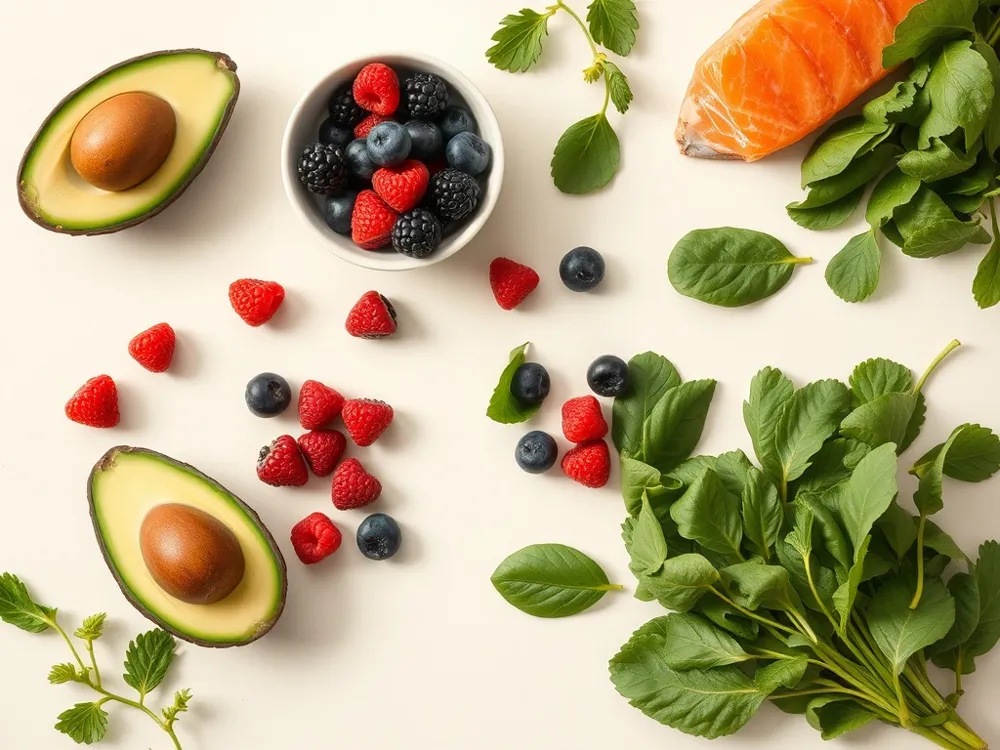
What dietary changes are recommended for PCOS? Focus on low glycemic index (GI) foods that release sugar slowly, such as non-starchy vegetables (broccoli, leafy greens, peppers), whole grains (brown rice, quinoa, oats), and legumes (beans, lentils). High-fiber options like berries, pears, and avocados also help slow glucose absorption. Include lean proteins from poultry, fish, tofu, and plant sources to support satiety and further blunt insulin spikes.
The Mediterranean diet and the DASH diet are frequently recommended because they emphasize vegetables, fruits, whole grains, lean protein, and healthy fats (olive oil, fatty fish, nuts) while limiting red meat and processed foods. These patterns naturally align with a low-GI, anti-inflammatory approach.
Equally important is what to avoid. Refined carbohydrates—white bread, white rice, pasta, sugary cereals—cause rapid blood sugar rises and worsen insulin resistance. Also limit sugary drinks, fried foods, saturated fats (butter, margarine), and processed snacks. Reducing these foods helps lower inflammation and supports weight management, which can improve ovulation and menstrual regularity.
In practice, pair carbohydrates with protein or fiber at every meal, eat smaller meals every 4 hours, and consider front-loading calories earlier in the day. A registered dietitian can help tailor these recommendations to your preferences and lifestyle.
2. Move Your Body: The Right Exercise for Hormone Balance

Benefits of aerobic and resistance training
Both aerobic and resistance training offer powerful benefits for PCOS. Aerobic exercise improves insulin sensitivity and helps the body manage blood sugar. Resistance training directly improves androgen (male hormone) levels. Combining both types provides the best results for metabolic health and hormonal balance.
Improved insulin sensitivity and androgen levels
Insulin resistance affects most women with PCOS, but regular exercise directly fights it. Strength training two to three times per week lowers androgen levels. Vigorous aerobic activity improves how cells respond to insulin. Together, these effects help regulate menstrual cycles and reduce PCOS symptoms.
Low-impact options like yoga, Pilates, walking
Low-intensity activities are equally valuable. Yoga, Pilates, and brisk walking lower cortisol and support mood. Yoga specifically improves menstrual cyclicity, reduces anxiety, and decreases androgen levels even without significant weight loss. These gentle options are especially helpful if chronic fatigue is an issue.
Recommended frequency and duration (30 min most days)
The goal is at least 30 minutes of movement most days, totaling about 150 minutes weekly. The best type is one you will do consistently. Options include brisk walking, swimming, cycling, or resistance training sessions. Starting with short, manageable routines helps build a sustainable habit. Any movement is better than none, and the benefits compound over time.
3. Master Stress and Sleep for Hormonal Harmony

How Does Stress Impact PCOS?
Chronic stress raises cortisol and activates the sympathetic nervous system, which can worsen insulin resistance and exacerbate PCOS symptoms. Effective stress management techniques include cognitive behavioral therapy, journaling, meditation, yoga, and nature walks. Reducing stress helps stabilize blood sugar and hormone levels, directly supporting PCOS management.
Why Sleep Matters
Women with PCOS are twice as likely to experience poor sleep quality and have a higher risk of obstructive sleep apnea. Sleep disturbances further increase insulin resistance and disrupt hormone balance, creating a cycle that worsens PCOS. Prioritizing restorative sleep is a crucial, natural step for symptom control.
Sleep Hygiene Recommendations
Aim for 8 to 10 hours of sleep each night. Establish a consistent bedtime routine and avoid stimulants, caffeine, and high-fat foods before bed. Creating a calming sleep environment and keeping a regular schedule helps regulate cortisol and balance reproductive hormones, enhancing overall well-being.
4. Harness the Power of Targeted Supplements
5. Explore Herbal Allies for PCOS Relief
Cinnamon and Chasteberry: Evidence-Based Support
Cinnamon bark extract has shown promise for improving insulin sensitivity and regulating menstrual cycles in PCOS. The compound cinnamaldehyde may help lower blood sugar and reduce androgens. Chasteberry (Vitex agnus-castus) is one of the most studied herbs for ovulation support—it appears to lower prolactin levels, which can help restore ovulation and normalize progesterone balance. Small trials suggest chasteberry improves pregnancy rates in PCOS-related infertility.
Licorice and Maca: Hormone Balancing
Licorice root (Glycyrrhiza glabra) contains compounds that reduce free testosterone levels and support insulin secretion, which can aid blood sugar control. Maca root, a Peruvian adaptogen, is traditionally used to enhance fertility and libido; research indicates it can promote menstrual regularity and ovulation induction. Both herbs also help buffer the stress response by supporting adrenal function.
Spearmint tea for Hirsutism
For women bothered by excess facial or body hair, drinking two cups of spearmint tea daily has been shown to lower free testosterone levels and reduce hirsutism scores over several weeks. The mechanism may involve anti-androgenic properties of spearmint’s essential oils.
Important Precautions
Herbal remedies are not FDA-regulated, and their potency can vary. Some herbs (e.g., licorice) may interact with prescription medications or affect blood pressure. Always consult a healthcare provider—preferably a naturopathic doctor or herbalist—before adding any herb to your PCOS regimen, especially if you are taking metformin, birth control, or fertility treatments.
Answering Your Top PCOS Questions
How can I balance my hormones naturally with PCOS?
Focusing on natural approaches can help regulate hormones and improve PCOS symptoms. Losing just 5% of body weight has been shown to reduce insulin resistance and restore more regular periods. A balanced diet low in processed foods and high in fiber, lean protein, and vegetables supports stable blood sugar levels, which in turn lowers excess androgen production. Regular physical activity—especially a mix of aerobic and resistance training—further improves insulin sensitivity and hormone balance. Consistency with these lifestyle changes forms a core treatment approach.
What is the 30 30 30 rule for PCOS?
The 30-30-30 rule is a simple morning routine that can benefit blood sugar management. It involves eating 30 grams of protein within 30 minutes of waking, then doing 30 minutes of low‑intensity steady‑state exercise, like walking. For those with PCOS, this helps stabilize energy, reduce insulin spikes, and curb cravings. While not PCOS‑specific, the rule aligns well with naturopathic strategies for hormone regulation.
Can PCOS be cured permanently?
PCOS has no permanent cure, but it can be managed effectively. Through a combination of diet, lifestyle modifications, natural remedies, and medical support, many women achieve symptom relief and improved fertility long term.
Conclusion
Managing PCOS With Naturopathic Care
A naturopathic approach combines five pillars: targeted nutrition, regular exercise, quality sleep and stress management, evidence-based supplements, and botanical medicine. Each plan must be individualized—there is no one-size-fits-all solution. Always consult a healthcare provider before starting new treatments to ensure safety and avoid medication interactions. With personalized, consistent care, PCOS symptoms can be effectively managed, reducing long-term health risks and improving quality of life.